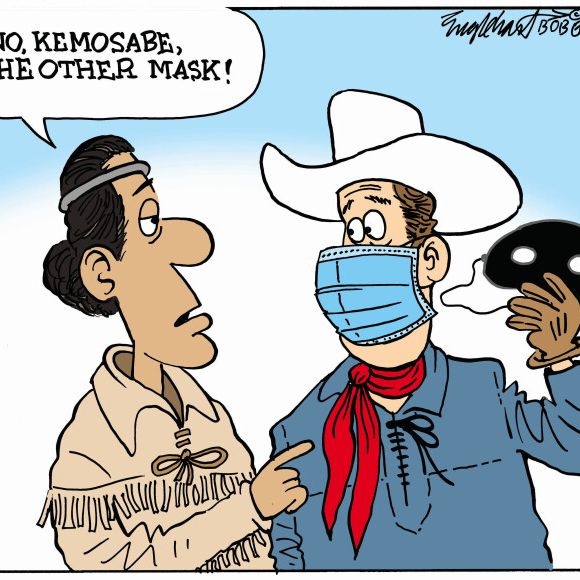

The word "Kemosabe" is deeply ingrained in popular culture, largely thanks to the iconic character of Tonto from The Lone Ranger. But beyond its association with the masked hero’s companion, lies a fascinating story rooted in the Potawatomi language. Understanding the true meaning of "Kemosabe" requires us to delve into its origins, separating fact from fiction and exploring its cultural significance.
For decades, the prevailing understanding was that "Kemosabe" meant "trusty scout" or "faithful friend." This interpretation, popularized by the radio and television series, solidified in the public consciousness. However, linguistic research and consultation with Potawatomi speakers reveal a more nuanced and perhaps surprising truth.
This article aims to unravel the mystery surrounding "Kemosabe," providing a comprehensive exploration of its Potawatomi origins, its actual meaning, and the evolution of its usage in popular culture. We’ll address common misconceptions, examine the linguistic evidence, and shed light on the word’s true significance.
The Origins of Kemosabe: Tracing its Potawatomi Roots
The Potawatomi are a Native American people originally located in the Great Lakes region of the United States. Their language, part of the Algonquian language family, is rich in history and cultural significance. To understand "Kemosabe," we must first understand the basics of the Potawatomi language and its structure.
Linguistic experts have long debated the precise origins of the word. While the Lone Ranger’s writers claimed it meant "trusty scout," this translation doesn’t align with the known vocabulary and grammar of the Potawatomi language. This discrepancy prompted further investigation into alternative possibilities.
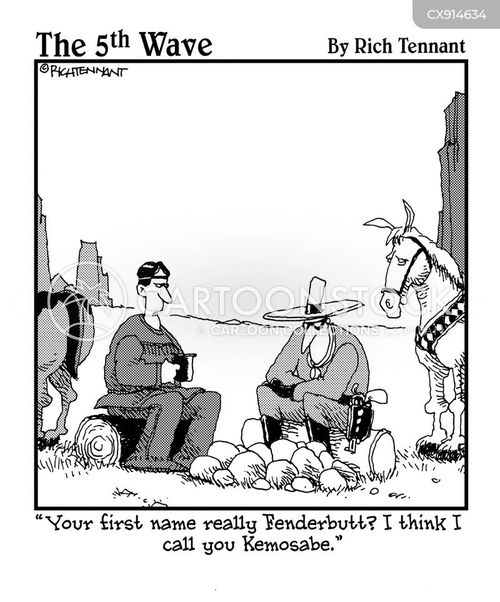

The Search for Authenticity: Consulting Potawatomi Speakers
The most reliable way to ascertain the meaning of a word is to consult with native speakers. When Potawatomi language experts were approached, a different picture emerged. They revealed that "Kemosabe" doesn’t have a direct translation that aligns with the popular understanding. Instead, it’s suggested that the word was either a mispronunciation or a completely fabricated term used by the creators of The Lone Ranger.
Some linguists propose that the word might have been loosely inspired by Potawatomi words or phrases, but ultimately, it doesn’t hold a concrete meaning within the language itself. This highlights the importance of consulting primary sources and avoiding reliance on secondhand interpretations.
Debunking the Myths: What Kemosabe Does NOT Mean
It’s crucial to address and debunk the common misconceptions surrounding the meaning of "Kemosabe." The widely accepted translation of "trusty scout" or "faithful friend" is simply inaccurate. There’s no linguistic basis for this interpretation within the Potawatomi language.
The perpetuation of this inaccurate translation has contributed to a misunderstanding of Native American languages and cultures. It’s essential to promote accurate information and challenge misleading representations.
The Lone Ranger’s Interpretation: A Creative Liberty
The creators of The Lone Ranger likely took creative liberties when assigning a meaning to "Kemosabe." While they may have intended to portray Tonto as a loyal companion, the choice of the word and its supposed meaning were not grounded in linguistic accuracy. This is a common practice in fiction, where authenticity is sometimes sacrificed for narrative convenience.
It is important to acknowledge that while the character of Tonto brought visibility to Native American representation in media, the inaccurate translation of "Kemosabe" can be seen as a form of cultural appropriation, further emphasizing the need for accurate and respectful portrayals.
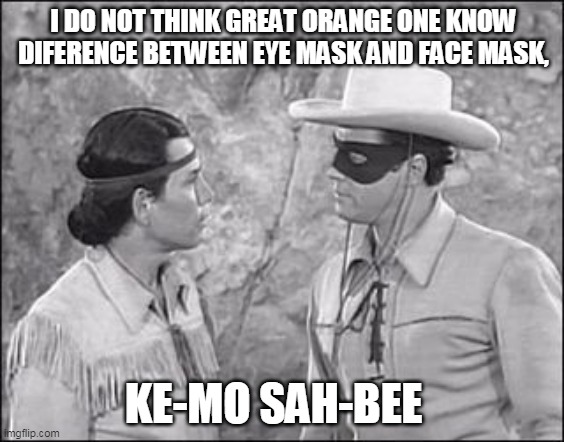

Exploring Alternative Interpretations and Theories
While the consensus among Potawatomi speakers is that "Kemosabe" doesn’t have a direct translation, some alternative theories have emerged. These theories attempt to connect the word to other Native American languages or propose alternative origins.
One theory suggests a possible connection to other Algonquian languages, although concrete evidence remains elusive. Another theory posits that the word might have been a completely invented term, designed to sound Native American without having any actual linguistic basis.
The Power of Sound: Phonetic Appeal and Cultural Association
Regardless of its precise origin, the word "Kemosabe" possesses a certain phonetic appeal. Its sound evokes a sense of mystery and exoticism, which likely contributed to its popularity and memorability. The word’s association with a Native American character further solidified its cultural significance, even if the association was based on a misunderstanding.
The use of words like "Kemosabe," even when inaccurate, highlights the broader issue of representation and the power of language to shape perceptions. It underscores the importance of responsible and informed storytelling.
The Enduring Legacy of Kemosabe in Popular Culture
Despite its questionable origins, "Kemosabe" has become a firmly established part of popular culture. It’s a word that resonates with many, evoking images of the Wild West and the iconic duo of the Lone Ranger and Tonto.
The word has been used in countless movies, television shows, and books, often as a symbol of friendship, loyalty, or Native American culture. Its enduring presence speaks to the power of storytelling and the lasting impact of fictional narratives.
Beyond the Lone Ranger: Kemosabe’s Continued Use
Even beyond its association with The Lone Ranger, "Kemosabe" continues to appear in various forms of media. It’s sometimes used humorously, sometimes ironically, but always with a nod to its origins in the classic Western series.
The word’s continued use demonstrates its cultural staying power and its ability to transcend its original context. It has become a symbol in its own right, representing a particular era and a specific type of storytelling.
The Importance of Linguistic Accuracy and Cultural Sensitivity
The story of "Kemosabe" serves as a valuable reminder of the importance of linguistic accuracy and cultural sensitivity. When representing other cultures, it’s crucial to conduct thorough research and avoid perpetuating stereotypes or misinformation.
Consulting with native speakers and linguistic experts is essential for ensuring accurate and respectful portrayals. By prioritizing authenticity and understanding, we can avoid contributing to cultural misunderstandings and promote a more informed and nuanced perspective.
Moving Forward: Promoting Authentic Representation
As storytellers and consumers of media, we all have a role to play in promoting authentic representation. By challenging inaccurate portrayals and supporting narratives that prioritize cultural sensitivity, we can contribute to a more inclusive and respectful media landscape.
The case of "Kemosabe" highlights the need for critical thinking and a willingness to question established narratives. By seeking out accurate information and engaging in thoughtful dialogue, we can foster a deeper understanding of different cultures and perspectives.
Conclusion: Kemosabe – A Word Shrouded in Mystery
In conclusion, the true meaning of "Kemosabe" remains a subject of debate. While the popular understanding of "trusty scout" is inaccurate, the word’s enduring presence in popular culture cannot be denied. Its origins are likely rooted in a misinterpretation or fabrication, rather than a direct translation from the Potawatomi language.
The story of "Kemosabe" underscores the importance of linguistic accuracy, cultural sensitivity, and responsible storytelling. By understanding the word’s true origins and challenging common misconceptions, we can promote a more informed and nuanced understanding of Native American languages and cultures.
Ultimately, "Kemosabe" serves as a reminder that words have power, and their meanings can evolve over time. While its true meaning may remain elusive, its impact on popular culture is undeniable.
- “Kemosabe” does not mean “trusty scout” or “faithful friend” in the Potawatomi language.
- The word’s origins are likely rooted in a misinterpretation or fabrication by the creators of The Lone Ranger.
- Consulting with native speakers and linguistic experts is crucial for accurate cultural representation.
- The story of “Kemosabe” highlights the importance of linguistic accuracy and cultural sensitivity.
- Despite its questionable origins, “Kemosabe” has become a firmly established part of popular culture.


