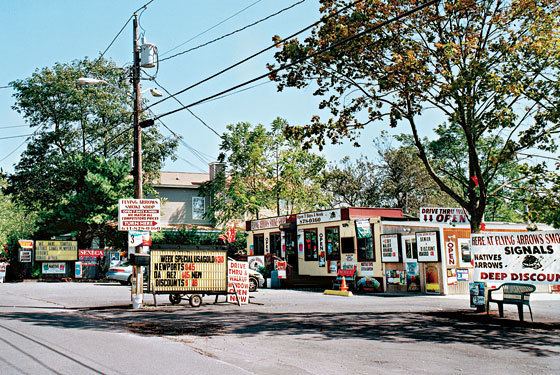
The Poospatuck Reservation, nestled discreetly in the town of Mastic, Suffolk County, Long Island, New York, stands as a testament to the enduring presence and resilience of the Unkechaug Nation. Often overlooked in broader discussions of indigenous communities, this sovereign territory holds a profound history and vibrant contemporary life that deserves careful attention and understanding.
For centuries, the Unkechaug people have been the custodians of this land, maintaining their cultural identity, traditions, and self-governance against immense historical pressures. Their story is not merely one of survival, but of steadfast determination to preserve their heritage amidst an ever-changing landscape.
This comprehensive article aims to shed light on the Poospatuck Reservation, exploring its geographical context, historical roots, legal status, and the daily lives of its people. We will delve into the complexities of tribal sovereignty, the challenges faced by the Unkechaug Nation, and their ongoing efforts to thrive and maintain their unique identity.
Understanding Poospatuck: A Glimpse into the Unkechaug Nation
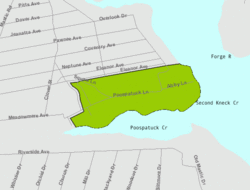
The Poospatuck Reservation is situated on the south shore of Long Island, specifically within the hamlet of Mastic in Brookhaven Town. While geographically small, its significance far outweighs its physical size, representing a vital cultural and historical anchor for the Unkechaug people.
Its location is deeply intertwined with the Unkechaug’s ancestral lands, which historically spanned a much larger territory across what is now eastern Long Island. The reservation itself serves as a tangible link to this ancient past, a designated area where the Unkechaug have continuously resided for generations.
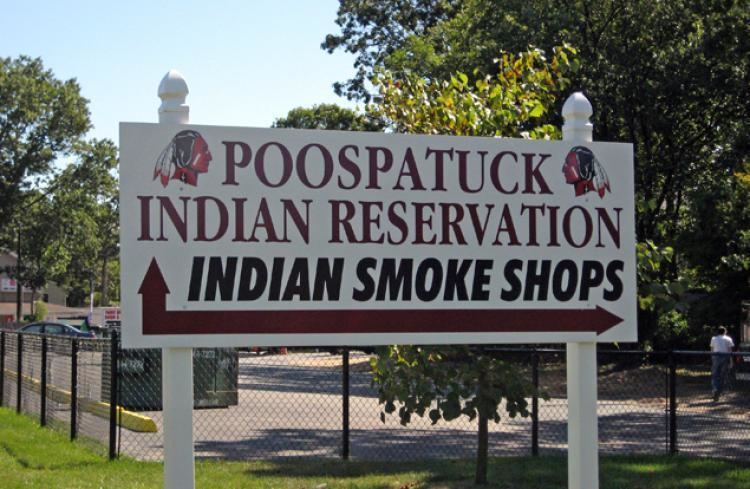
The name ‘Poospatuck’ itself carries historical weight, derived from the Algonquian language spoken by the Unkechaug. While its precise meaning can be debated among linguists, it generally refers to a ‘place where the waters meet’ or ‘a place where the creek widens,’ reflecting the reservation’s proximity to the Forge River and Great South Bay.
A Legacy of Resilience: The Unkechaug’s Enduring History
The history of the Unkechaug Nation predates European contact by thousands of years. They are part of the larger Algonquian-speaking peoples who inhabited the northeastern United States, thriving on Long Island’s rich natural resources through hunting, fishing, and agriculture.
The arrival of European colonists in the 17th century brought profound changes. Early interactions involved complex land transactions, often misunderstood or exploited, leading to a gradual but significant reduction of Unkechaug territory. Treaties and agreements, frequently broken or reinterpreted by colonial powers, further eroded their land base.
Despite these immense pressures, the Unkechaug people maintained a continuous presence on their ancestral lands. The Poospatuck Reservation, formally established through colonial patents and later recognized by the State of New York, represents a fraction of their original domain, yet it remains a powerful symbol of their unbroken lineage.
Through centuries of adaptation, the Unkechaug navigated colonial expansion, the American Revolution, and the industrial age, always striving to preserve their cultural integrity and community structure. This history of resilience is central to understanding the Unkechaug Nation today.
Sovereignty and Self-Governance: Navigating Complex Legal Landscapes
One of the most critical aspects of the Poospatuck Reservation is its status as a sovereign nation. The Unkechaug Nation asserts its inherent right to self-governance, a right that predates the formation of the United States and continues to be exercised within their territorial boundaries.
However, the Unkechaug Nation’s sovereignty is uniquely complex. Unlike many other federally recognized tribes in the United States, the Unkechaug Nation at Poospatuck is state-recognized but not federally recognized. This distinction significantly impacts their access to federal funding, resources, and certain legal protections.
The Unkechaug have consistently advocated for federal recognition, arguing that their long-standing existence as a distinct political entity, their continuous occupation of land, and their maintenance of a tribal government meet the criteria for such status. This ongoing pursuit is a cornerstone of their contemporary political efforts.
Their unique relationship with New York State involves a delicate balance of cooperation and contention. The state often acts as an intermediary or regulator, particularly concerning issues like taxation, law enforcement, and economic development activities within the reservation.
Culture, Community, and Contemporary Life
Life on the Poospatuck Reservation is a vibrant tapestry woven from ancestral traditions and modern realities. Cultural preservation efforts are paramount, focusing on safeguarding the Unkechaug language (a dialect of Algonquian), traditional ceremonies, storytelling, and artisan crafts.
The community is close-knit, with strong family ties forming the backbone of social life. Community events, gatherings, and celebrations play a crucial role in reinforcing cultural identity and fostering a sense of belonging among tribal members.
Economically, the Unkechaug Nation faces challenges common to many indigenous communities. Efforts toward economic development are ongoing, with tribal enterprises often focused on areas that leverage their sovereign status, such as retail operations. The pursuit of sustainable economic growth is vital for the community’s future prosperity.
Access to essential services like healthcare and education is a priority. The Unkechaug Nation works to provide or facilitate these services for its members, often collaborating with external agencies while also striving to develop tribal-led initiatives that are culturally appropriate and accessible.
Addressing Common Questions and Misconceptions
Is Poospatuck a sovereign nation? Yes, the Unkechaug Nation asserts its inherent sovereignty and operates as a self-governing entity on the Poospatuck Reservation, recognized by the State of New York. While not federally recognized, their right to self-determination is fundamental.
What are the main challenges faced by the Unkechaug? Key challenges include the lack of federal recognition, which limits access to crucial federal programs and funding; economic development hurdles; environmental concerns impacting their ancestral lands and waters; and ongoing legal battles to protect their rights and resources.
Can anyone visit Poospatuck? The Poospatuck Reservation is private land belonging to the Unkechaug Nation. While some cultural events or specific tribal businesses might be open to the public, general access is typically restricted to tribal members and invited guests. Respect for their privacy and sovereignty is paramount.
The Path Forward: Challenges and Aspirations
The Unkechaug Nation continues to navigate a complex future. Environmental stewardship remains a critical concern, as they work to protect the delicate ecosystems of the Forge River and Great South Bay, which are vital to their traditional way of life and cultural heritage.
The pursuit of federal recognition is an ongoing and significant aspiration, seen as a crucial step toward securing full legal and political parity with other indigenous nations across the United States. This recognition would unlock resources and strengthen their ability to self-govern effectively.
Economic diversification and the creation of sustainable opportunities for tribal members are also key focuses. The nation seeks to build a robust economy that respects their cultural values while providing for the well-being of the community.
Ultimately, the Unkechaug Nation at Poospatuck is committed to cultural revitalization, ensuring that their language, traditions, and history are passed down to future generations, reinforcing their identity and connection to their ancestral lands.
Conclusion
The Poospatuck Reservation in New York is more than just a geographical location; it is a living testament to the enduring spirit, profound history, and unwavering determination of the Unkechaug Nation. Their story is a powerful reminder of indigenous resilience, self-governance, and the continuous fight for recognition and cultural preservation.
Understanding Poospatuck means acknowledging the deep roots of indigenous presence on Long Island and appreciating the ongoing contributions and challenges faced by the Unkechaug people. Their legacy serves as an important chapter in the broader narrative of New York State and the indigenous nations of America.


