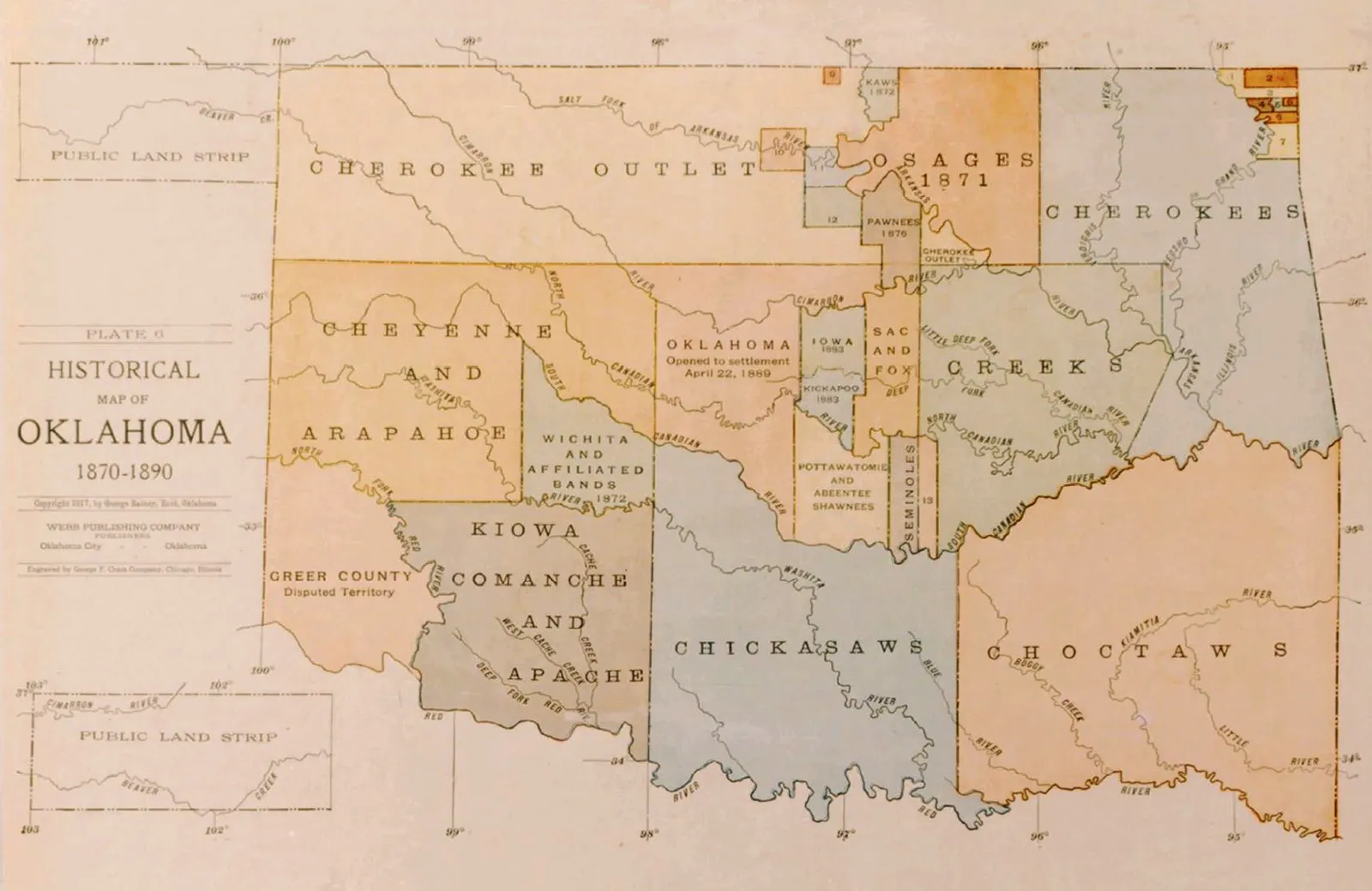
The Ponca Tribe of Indians of Oklahoma holds a significant place in the tapestry of Native American history. This article delves into the tribe’s origins, their forced removal and subsequent resilience, their cultural heritage, and their present-day endeavors. Understanding the Ponca Tribe requires acknowledging their enduring spirit and commitment to preserving their identity.
Origins and Early History
The Ponca people, originally part of a larger Siouan-speaking group, trace their ancestry back to the Ohio River Valley. Over time, they migrated westward, eventually settling in the northern Great Plains, specifically in the area encompassing present-day Nebraska and South Dakota. Their close relatives include the Omaha, Osage, Kaw, and Quapaw tribes, all sharing linguistic and cultural roots.
The Ponca thrived as an agricultural and hunting society. They cultivated crops such as corn, beans, and squash, while also relying on the buffalo for sustenance, clothing, and shelter. Their villages, typically located along riverbanks, were centers of community life, characterized by intricate social structures and rich ceremonial traditions.
The Treaty of 1858 and Subsequent Land Cessions
In 1858, the Ponca Tribe signed a treaty with the United States government, ceding a portion of their land in exchange for promises of protection and provisions. This treaty, like many others during this era, marked the beginning of a series of events that would profoundly impact the tribe’s future. Despite the treaty’s assurances, the U.S. government failed to adequately protect the Ponca from incursions by other tribes and white settlers.
The discovery of gold in the Black Hills in the 1870s further exacerbated tensions. The government, eager to secure the Black Hills for American settlers, pressured the Ponca to relocate to Indian Territory (present-day Oklahoma). This pressure culminated in the forced removal of the Ponca in 1877.
The Trail of Tears and the Ponca’s Exile
The forced removal of the Ponca from their ancestral lands is a tragic chapter in their history, often referred to as their own ‘Trail of Tears.’ In 1877, the U.S. Army forcibly marched the Ponca south to Indian Territory, a journey marked by immense suffering, disease, and death. The conditions in Indian Territory were harsh, and the Ponca faced starvation, inadequate shelter, and rampant illness.
The government’s failure to provide adequate support and the unfamiliar environment led to a devastating loss of life. It is estimated that nearly one-third of the Ponca people perished within the first few years of their exile. This period of immense hardship tested the tribe’s resilience and resolve.
Standing Bear’s Stand for Justice
Amidst the suffering and despair, a Ponca chief named Standing Bear emerged as a symbol of resistance and a champion of human rights. In 1879, Standing Bear and a small group of followers left Indian Territory to return to their homeland in Nebraska. Their journey was prompted by the death of Standing Bear’s son and his desire to bury him in their ancestral lands.
Standing Bear’s group was intercepted by the U.S. Army and arrested. However, their plight caught the attention of sympathetic individuals and organizations, who rallied to their defense. A landmark court case, Standing Bear v. Crook, ensued, in which Standing Bear argued that Native Americans were persons within the meaning of the law and entitled to the same rights as other citizens.
In a groundbreaking decision, Judge Elmer S. Dundy ruled in favor of Standing Bear, declaring that Native Americans were indeed persons with the right to sue in federal court. This ruling was a significant victory for Native American rights and paved the way for future legal challenges to discriminatory policies. Standing Bear’s courage and determination left an indelible mark on American jurisprudence.
The Ponca Tribe of Indians of Oklahoma Today
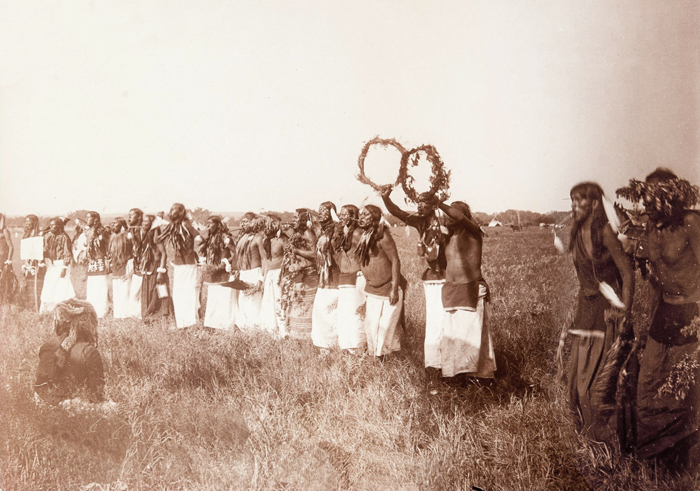
Today, the Ponca Tribe of Indians of Oklahoma is a federally recognized tribe with its headquarters in White Eagle, Oklahoma. The tribe has worked tirelessly to rebuild its community, preserve its cultural heritage, and promote the well-being of its members.
Government and Tribal Services
The Ponca Tribe operates under a constitution and is governed by an elected tribal council. The council is responsible for overseeing tribal affairs, managing tribal resources, and implementing programs and services for the benefit of tribal members. These services include healthcare, education, housing, and economic development initiatives.
Economic Development
The Ponca Tribe has made significant strides in economic development, diversifying its revenue streams and creating employment opportunities for its members. Tribal enterprises include gaming facilities, convenience stores, and other businesses. These ventures not only generate revenue but also contribute to the overall economic vitality of the community.
Cultural Preservation
The Ponca Tribe is deeply committed to preserving its cultural heritage. Language revitalization programs are underway to ensure the survival of the Ponca language. Traditional ceremonies, dances, and storytelling continue to be practiced, passing down knowledge and traditions from one generation to the next. The tribe also operates a cultural center that showcases Ponca history, art, and artifacts.
The Ponca Language
The Ponca language, a member of the Dhegiha branch of the Siouan language family, is an integral part of Ponca identity. Like many Native American languages, the Ponca language has faced significant challenges due to assimilation policies and the dominance of English. However, the tribe is actively working to revitalize the language through immersion programs, language classes, and the creation of language resources.
Traditional Arts and Crafts
Ponca art and crafts reflect the tribe’s rich cultural heritage and connection to the land. Traditional art forms include beadwork, quillwork, pottery, and clothing. These crafts are not only beautiful expressions of artistry but also serve as a means of preserving cultural knowledge and traditions. Many Ponca artists continue to practice these traditional crafts, passing down their skills to younger generations.
Contemporary Challenges and Future Directions
While the Ponca Tribe has made significant progress in recent decades, they continue to face challenges such as poverty, unemployment, and healthcare disparities. The tribe is actively working to address these challenges through targeted programs and initiatives. Looking to the future, the Ponca Tribe is committed to strengthening its sovereignty, promoting self-sufficiency, and ensuring the well-being of its members for generations to come.
What is the Ponca Tribe known for?
The Ponca Tribe is known for their resilience in the face of adversity, particularly their forced removal from their ancestral lands and the subsequent legal battle led by Chief Standing Bear. They are also known for their rich cultural heritage, including their language, traditions, and artistic expressions.
The Ponca Tribe of Indians of Oklahoma is located in north-central Oklahoma, with its headquarters in White Eagle. While the tribe’s original territory was in present-day Nebraska and South Dakota, they were forcibly relocated to Indian Territory in the late 19th century.
How is the Ponca Tribe governed?
The Ponca Tribe of Indians of Oklahoma is governed by an elected tribal council, which is responsible for overseeing tribal affairs, managing tribal resources, and implementing programs and services for tribal members. The tribe operates under a constitution that outlines the structure and powers of the tribal government.
What are some of the Ponca Tribe’s cultural traditions?
The Ponca Tribe has a rich cultural heritage that includes traditional ceremonies, dances, storytelling, and artistic expressions. They also have a strong connection to the land and a deep respect for their ancestors. Language revitalization efforts are underway to preserve the Ponca language, and cultural centers showcase the tribe’s history and traditions.
How can I learn more about the Ponca Tribe?
You can learn more about the Ponca Tribe of Indians of Oklahoma by visiting their website, attending tribal events, and visiting their cultural center. There are also numerous books, articles, and documentaries that explore the tribe’s history, culture, and contemporary life.
In conclusion, the Ponca Tribe of Indians of Oklahoma stands as a testament to the enduring strength and resilience of Native American people. Their history is marked by both tragedy and triumph, and their commitment to preserving their cultural heritage and promoting the well-being of their members is an inspiration. By understanding the Ponca Tribe’s past and present, we can gain a deeper appreciation for the rich diversity and contributions of Native American communities.
The story of the Ponca is a powerful reminder of the importance of honoring treaties, respecting human rights, and working towards a more just and equitable future for all.


