
The Poarch Band of Creek Indians Reservation stands as a powerful testament to resilience, cultural preservation, and economic self-determination. Located primarily in Atmore, Alabama, this sovereign nation offers a compelling narrative of a people who, against immense historical odds, maintained their ancestral lands and forged a thriving community.
For many, the mention of Native American reservations conjures images rooted in distant history or popular media. However, the Poarch Creek Reservation is a vibrant, modern community that actively shapes its own destiny while honoring deep-seated traditions. Understanding their story provides crucial insight into the broader narrative of indigenous peoples in the United States.
The Poarch Band’s journey is unique within the larger Creek Nation (Muscogee (Creek) Nation) context. Unlike many Southeastern tribes forced to relocate westward during the Indian Removal Act era, the ancestors of the Poarch Band managed to remain on their traditional lands in Alabama. This steadfastness forms the bedrock of their identity and sovereignty.
The historical roots of the Poarch Band are intertwined with the vast and influential Creek Confederacy, a powerful alliance of Muscogee-speaking peoples and other groups across the southeastern United States. Prior to European contact, the Creek people flourished, developing complex societies, extensive trade networks, and a rich cultural heritage.
Their persistent presence in Alabama, often living in isolation and facing discrimination, solidified their claim to the land. Through generations, they preserved their cultural practices, language fragments, and community ties, even without formal federal recognition for many decades. This period of quiet endurance laid the groundwork for their future successes.
A pivotal moment arrived on August 11, 1984, when the Poarch Band of Creek Indians achieved federal recognition. This landmark designation formally acknowledged their status as a sovereign nation, opening doors to self-governance, federal programs, and the ability to pursue economic development on their own terms. It was the culmination of tireless advocacy and a deep commitment to their heritage.
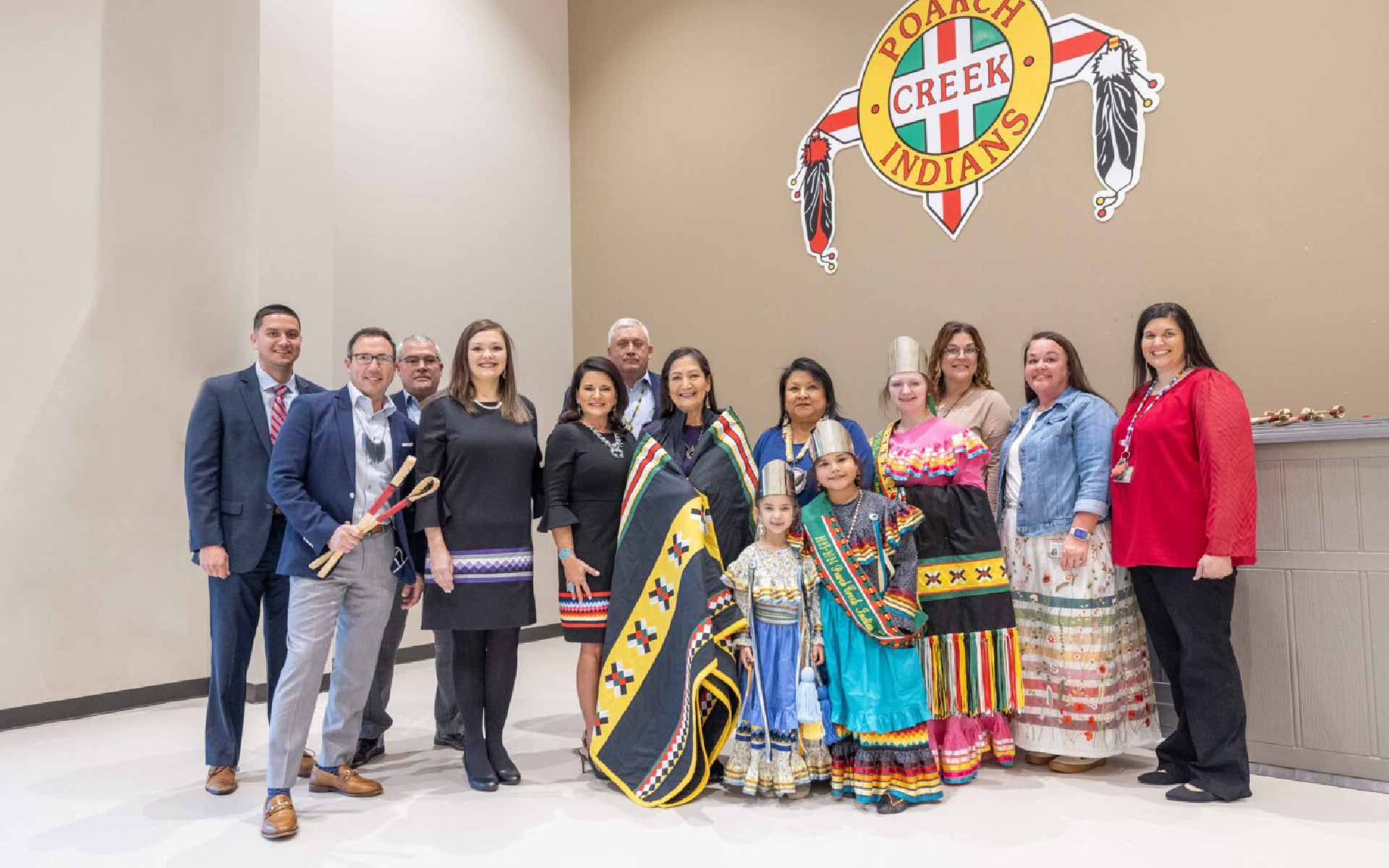
What is tribal sovereignty? In essence, tribal sovereignty refers to the inherent authority of Indigenous tribes to govern themselves. It means that the Poarch Band, like other federally recognized tribes, possesses the right to form its own government, enact laws, establish justice systems, and manage its lands and resources, independent of state jurisdiction, though still subject to federal law.
This self-governance is exercised through a democratically elected Tribal Council, which oversees all aspects of tribal operations, from economic development to social services. Their governmental structure ensures that decisions are made by and for the benefit of the Poarch Creek people, reflecting their values and aspirations.
One of the most remarkable aspects of the Poarch Band’s story is their incredible economic transformation. From modest beginnings, they have leveraged their sovereignty to create a robust and diversified economic engine that not only supports their tribal members but also significantly contributes to the regional and state economies.
The cornerstone of their economic success has been the development of Indian gaming. Under the Indian Gaming Regulatory Act (IGRA), tribes can operate gaming facilities on their sovereign lands. The Poarch Band’s Wind Creek Hospitality brand operates several highly successful casino resorts, including Wind Creek Atmore, Wetumpka, and Montgomery in Alabama, as well as properties in Florida and Nevada.
However, their economic vision extends far beyond gaming. The Poarch Band has strategically diversified its investments into numerous other sectors, including hospitality, healthcare, manufacturing, agriculture, and real estate. This diversified portfolio ensures stability and creates a wide array of employment opportunities for tribal members and non-members alike.
What economic impact do they have? The economic footprint of the Poarch Band of Creek Indians is substantial. Their enterprises are major employers in Alabama, generating thousands of jobs and contributing hundreds of millions of dollars annually in wages, taxes, and charitable giving. This economic power has transformed the communities surrounding their reservation.
Beyond economic prowess, the Poarch Band is deeply committed to the preservation and promotion of its rich cultural heritage. Efforts are continuously made to ensure that the traditions, stories, and knowledge of their ancestors are passed down to future generations.
A significant focus is placed on the revitalization of the Mvskoke language, the ancestral tongue of the Creek people. Programs, classes, and resources are dedicated to teaching Mvskoke to tribal members of all ages, recognizing that language is a vital vessel for culture and identity.
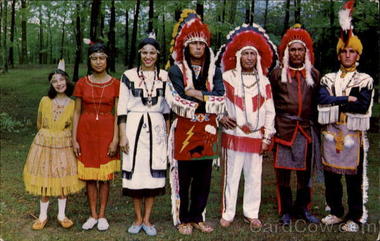
The annual Poarch Creek Indian Thanksgiving Powwow is a highlight of their cultural calendar. This vibrant event, open to the public, showcases traditional dances, music, regalia, arts, and crafts, drawing thousands of visitors from across the nation. It’s a powerful expression of their living heritage and an opportunity for cultural exchange.
Investing in education is paramount for the Poarch Band. They operate schools, provide scholarships for higher education, and support vocational training programs, ensuring that tribal members have access to the best possible educational opportunities to thrive in a modern world while maintaining their cultural identity.
The tribe also provides comprehensive healthcare services to its members, emphasizing wellness and access to quality medical care. This commitment extends to building modern facilities and implementing programs designed to improve the overall health outcomes of the community.
Furthermore, the Poarch Band has made significant investments in housing and infrastructure on the reservation, ensuring safe, modern, and affordable living environments for its members. This includes developing new residential areas, improving roads, and enhancing essential utilities.
As stewards of their ancestral lands, the Poarch Band demonstrates a strong commitment to environmental protection and sustainability. They engage in responsible land management practices, conservation efforts, and initiatives to protect the natural resources within and around their reservation.
Can you visit the Poarch Creek Reservation? Yes, while the reservation is a sovereign nation, many of its public-facing enterprises and cultural events welcome visitors. The Wind Creek Hospitality resorts offer entertainment, dining, and lodging. The annual Powwow is a fantastic opportunity to experience their culture directly, and the Poarch Creek Indian Museum provides historical insights.
What is the Poarch Creek Tribe known for? The Poarch Creek Tribe is primarily known for its remarkable resilience in maintaining its presence in Alabama, achieving federal recognition, and subsequently developing a highly successful and diversified economic portfolio through tribal gaming and other enterprises. They are also celebrated for their strong commitment to cultural preservation, education, and community welfare.
How many Poarch Creek Indians are there? The Poarch Band of Creek Indians has a growing membership, with approximately 3,000 enrolled tribal members. This number reflects a vibrant and active community dedicated to its future.
The leadership of the Poarch Band of Creek Indians plays a crucial role in navigating the complexities of tribal governance, economic development, and cultural preservation. Their vision and strategic planning have been instrumental in the tribe’s remarkable progress.
Beyond their immediate community, the Poarch Band is also a significant philanthropic force. They regularly contribute to local charities, schools, and community projects throughout Alabama, embodying the Creek tradition of reciprocity and generosity.
Despite their successes, the Poarch Band continues to face challenges common to many Native American tribes, including protecting their sovereignty, advocating for indigenous rights, and addressing historical injustices. They remain active participants in national tribal policy discussions.
The Poarch Band’s journey serves as an inspiring model of self-determination and cultural strength. They demonstrate that Indigenous nations can thrive economically while simultaneously upholding their unique heritage and identity in the 21st century.
Looking ahead, the Poarch Band is committed to continued growth, innovation, and the well-being of its people. Their future aspirations include further economic diversification, enhanced educational opportunities, and continued efforts to strengthen their cultural legacy for generations to come.
In conclusion, the Poarch Band of Creek Indians Reservation is far more than just a geographic location; it is a living, breathing entity representing centuries of history, perseverance, and triumph. From their unwavering commitment to remaining on their ancestral lands to their modern-day achievements in economic development and cultural revitalization, the Poarch Band offers a powerful narrative of a sovereign nation thriving against all odds. Their story is a vital part of Alabama’s heritage and a beacon of hope for indigenous peoples worldwide.


