Echoes of the Father: Exploring Patrilineal Societies in Native American History
For too long, the rich tapestry of Native American societies has been flattened by monolithic narratives. One pervasive misconception is the notion that all Indigenous cultures across North America adhered to matrilineal systems, where descent and inheritance flowed through the mother’s line. While many prominent nations, particularly in the Southeast and Northeast, did indeed embrace matrilineality, this generalization overlooks a significant and equally complex segment of Native American history: the robust and diverse patrilineal societies. These cultures, where lineage, identity, and often leadership were traced through the father, represent a crucial, often misunderstood, dimension of Indigenous heritage, shaping everything from political structures to spiritual beliefs and economic practices.
To understand patrilineal societies in Native American history is to peel back layers of oversimplification and appreciate the profound adaptability and distinct cultural expressions that characterized the continent’s first peoples. It is a journey into the "echoes of the father," where the male line was the primary thread weaving individuals into the social fabric, defining their roles, rights, and responsibilities.
Defining Descent: What Patrilineality Meant
At its core, patrilineality dictates that an individual’s primary social group affiliation, clan membership, and often the inheritance of names, property, and ceremonial roles are passed down from father to son. This is not to say that women were less valued or without power; rather, their influence and societal contributions operated within a framework where the male lineage formed the backbone of the community’s organizational structure.
In patrilineal Native American societies, this system had profound implications:
- Clan and Band Affiliation: Children belonged to their father’s clan or band, which determined kinship ties, marriage eligibility (often exogamous, meaning marrying outside one’s clan), and social obligations.
- Leadership and Authority: While individual merit and spiritual power were always factors, formal political leadership, war chieftainships, and the inheritance of certain ceremonial offices often followed patrilineal lines. Elders, usually male, held significant sway in decision-making councils.
- Land and Resource Rights: Rights to specific hunting grounds, fishing territories, or resource-gathering areas were frequently managed and passed down through male family lines, though these were often communal within the larger band or tribe.
- Spiritual and Ceremonial Roles: Many sacred bundles, songs, rituals, and the knowledge required to perform them were inherited or taught patrilineally, making men key custodians of spiritual traditions.
Portraits of Patrilineage: Examples Across the Continent
The vast geographical and cultural diversity of Native North America meant that patrilineal systems manifested in unique ways across different regions.
The Great Plains: Warriors and Horsemen

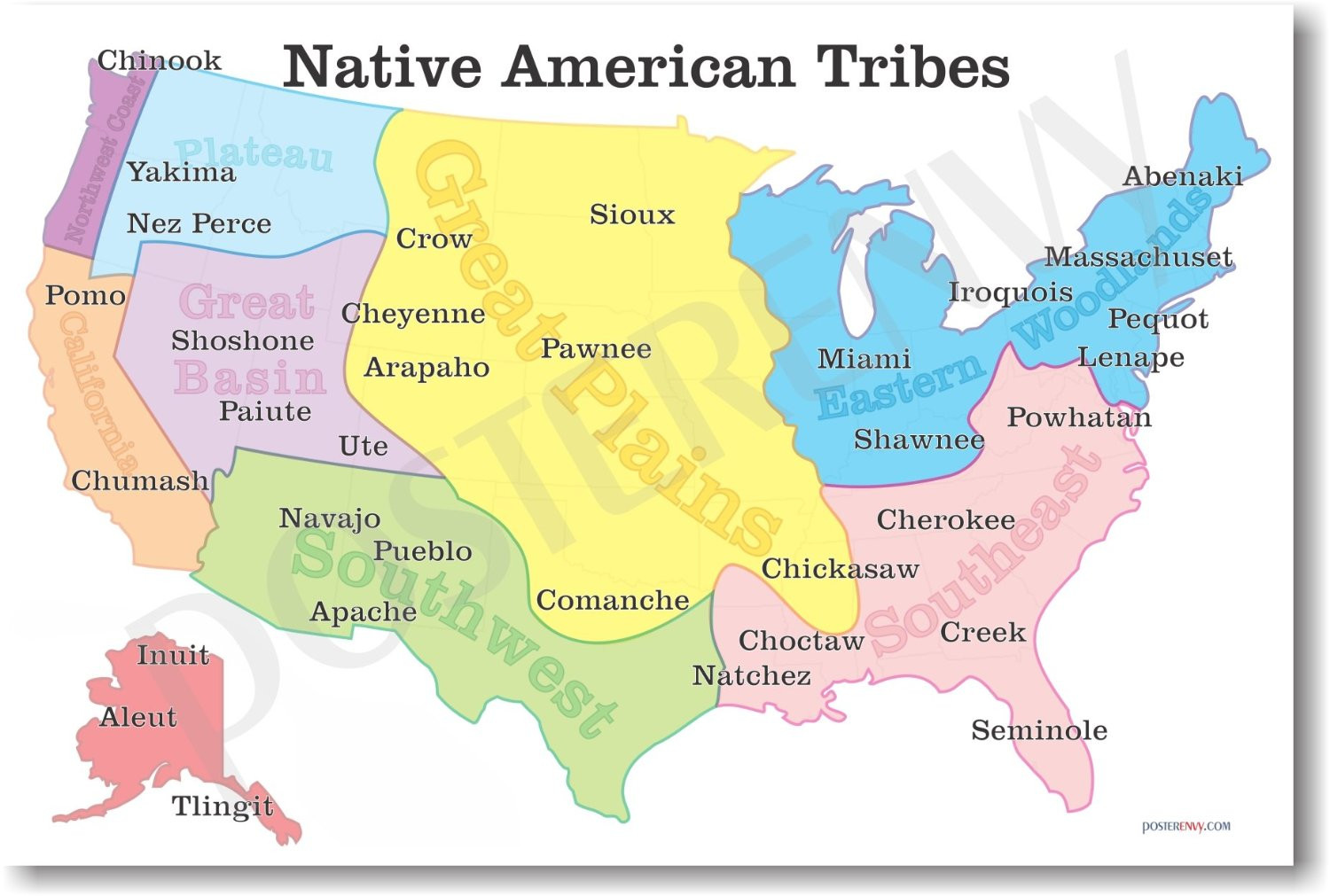
Perhaps the most prominent examples of patrilineal societies are found among many of the Plains tribes. Nations like the Lakota (Sioux), Cheyenne, Crow, Arapaho, and Blackfeet largely organized themselves around patrilineal principles. For these highly mobile, equestrian cultures, the patrilineal band was the primary social and economic unit.
Among the Lakota, for instance, the Tiyospaye (extended family or band) was crucial. While women held respected and vital roles in camp life, child-rearing, and spiritual practices, the male line defined one’s Tiyospaye affiliation, and leadership in hunting, warfare, and council decisions often fell to men. A Lakota man’s identity was deeply intertwined with his father’s lineage, dictating his rights, his duties, and his place within the vast cosmic order. The famed warrior societies, integral to Plains life, were exclusively male and served as a powerful expression of this patrilineal ethos.
The Cheyenne also exemplified patrilineal structures. Their warrior societies, such as the Dog Soldiers, were central to their social and military organization. Political leadership resided in the Council of Forty-Four Chiefs, an assembly of respected elders and leaders, traditionally men who often inherited or earned their positions through a combination of merit and lineage. Land tenure, particularly hunting territories, was often managed through patrilineal bands, though the concept of individual ownership was foreign.
The Crow Nation (Apsáalooke) offers a particularly interesting variation. While children were considered part of their mother’s clan, the bacheeítche (father’s clan) played an exceptionally significant role. A man’s father’s clan members were his protectors, mentors, and the source of his sacred bundles and ceremonial knowledge. This "father’s clan" relationship, though not strictly patrilineal in terms of clan membership, highlights the profound importance of the male line in shaping identity and opportunity. As Crow elder Plenty Coups famously stated, "I have never seen a Crow woman who was not brave," emphasizing the complementary yet distinct roles within their society.
The Southwest: Desert Dwellers and Raiders
While some Southwestern groups like the Navajo are matrilineal, others, particularly certain Apache bands (e.g., Jicarilla, Mescalero), exhibited strong patrilineal tendencies. Leadership, especially war leadership, was predominantly male, and rights to hunting grounds and raiding territories were often managed through patrilineal groups. The extended family camps, crucial for survival in arid environments, were often organized around a core of related males.
The Great Basin and Plateau: Hunter-Gatherers
Many groups in the Great Basin (e.g., Shoshone, Ute) and Plateau (e.g., Nez Perce, Flathead) also leaned towards patrilineal or bilateral systems, where descent was traced through both lines but with a patrilineal emphasis on certain aspects like hunting territories or the passing of specific skills and knowledge. For highly mobile hunter-gatherer societies, flexibility was key, but the male lineage often played a significant role in determining access to vital resources and social standing.
Roles, Rights, and Responsibilities within Patrilineal Systems
It is crucial to reiterate that patrilineality did not imply female subjugation. Native American societies, regardless of descent system, typically valued complementary gender roles, recognizing the indispensable contributions of both men and women.
- Men were often responsible for hunting, warfare, political representation, and many spiritual ceremonies. They were expected to be providers, protectors, and wise counselors.
- Women held immense power within the domestic sphere, managing the household, raising children, preparing food, making clothing, and often cultivating crops. Their spiritual roles were also profound, often associated with life-giving forces and the earth. In many patrilineal societies, a woman’s honor and the respect she commanded were directly tied to her industry, wisdom, and the strength of her family.
The strength of the patrilineal society lay not in the suppression of women, but in the intricate dance of complementary roles, each vital for the survival and flourishing of the community. "Our women were the heart of the home, the keepers of our traditions in their daily work," a Cheyenne elder might have said, "while the men protected the people and provided sustenance, guided by the wisdom passed down from our fathers."
The Onslaught of Colonialism and its Impact
The arrival of European colonizers introduced a new, overwhelmingly patrilineal, and often patriarchal, worldview that fundamentally disrupted Native American societies, regardless of their original descent system. For already patrilineal societies, the impact was complex:
- Reinforcement and Distortion: European governments often sought to identify and empower male "chiefs" as singular leaders, even where traditional leadership was more diffused or consensual. This inadvertently reinforced existing patrilineal leadership structures but often distorted them by granting chiefs powers they traditionally did not possess, thereby undermining internal checks and balances.
- Individual Land Ownership: The imposition of European concepts of individual land ownership, exemplified by the Dawes Act (General Allotment Act) of 1887, was particularly destructive. It broke up communally held lands and assigned parcels to male heads of household, often disenfranchising women and fragmenting traditional resource management systems based on patrilineal band territories.
- Assimilation Policies: Boarding schools, which forcibly removed children from their families, actively sought to erase Indigenous languages, religions, and social structures, including traditional kinship systems. Boys were taught trades and farming, while girls were trained for domestic service, reinforcing Euro-American gender roles and further eroding traditional patrilineal roles and responsibilities.
- Legal Systems: The imposition of U.S. and Canadian legal systems, based on patrilineal inheritance and male headship of household, directly conflicted with and superseded Indigenous laws, further weakening traditional governance.
Despite these immense pressures, many patrilineal societies demonstrated remarkable resilience. Elements of their kinship systems survived through oral traditions, ceremonial practices, and the continued valuing of ancestral names and spiritual knowledge.
Resilience, Revitalization, and the Future
In contemporary Native American communities, the legacy of patrilineal systems continues to manifest in various ways. Many tribal nations, particularly those with a patrilineal past, are actively engaged in cultural revitalization efforts. This includes:
- Language Preservation: Reclaiming ancestral languages often means rediscovering the nuanced kinship terms that define these systems.
- Ceremonial Renewal: The revival of sacred ceremonies and spiritual practices often involves the re-establishment of traditional roles and the passing of knowledge through customary lines, including patrilineal ones.
- Reasserting Sovereignty: Many tribes are working to strengthen their own governance structures, often drawing inspiration from pre-colonial systems that may have had patrilineal elements in their leadership selection or clan councils.
- Genealogical Research: Individuals are actively tracing their ancestry to understand their clan affiliations and connections to specific patrilineal lines, strengthening their sense of identity and belonging.
The story of patrilineal societies in Native American history is a testament to the immense cultural diversity and ingenuity that thrived across the continent. It challenges simplistic narratives and compels us to appreciate the intricate ways in which Indigenous peoples organized their worlds, defined their identities, and maintained their traditions against overwhelming odds. By acknowledging and studying these "echoes of the father," we gain a deeper, more accurate, and profoundly respectful understanding of Native American heritage – a heritage that continues to evolve, adapt, and assert its vibrant presence in the modern world.


