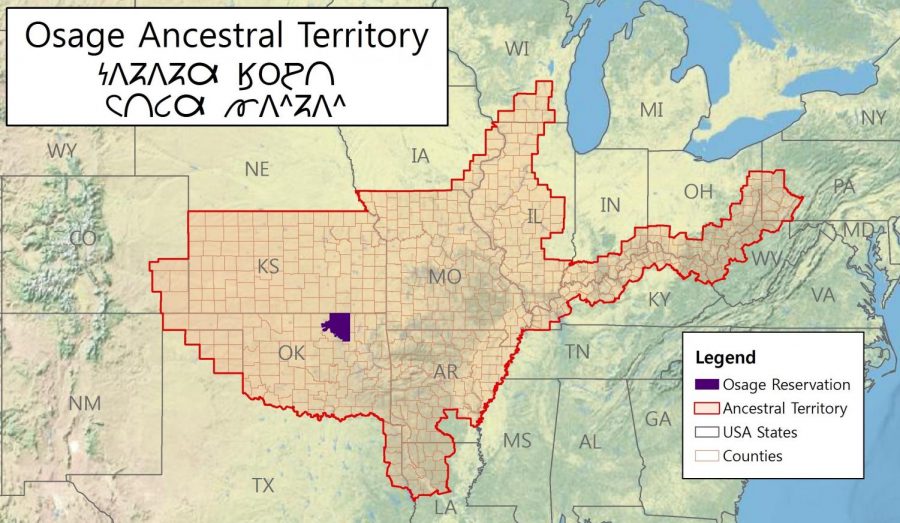
The Osage Nation stands as a powerful testament to resilience, cultural preservation, and self-determination within the United States. Often referred to in discussions about ‘reservations,’ its status within Oklahoma is profoundly unique and warrants a deeper understanding. This article will provide a comprehensive overview of the Osage Nation, exploring its historical journey, contemporary governance, cultural vibrancy, and economic prowess.
Far from a traditional reservation, the Osage Nation’s territory, primarily Osage County, Oklahoma, represents a distinct legal and historical landscape. It is a place where tribal sovereignty is powerfully asserted, rooted in treaties, and cemented by the unwavering will of its people. Understanding this distinction is crucial to appreciating the Osage Nation’s enduring legacy.
A Journey Through Time: The Historical Roots of the Osage Nation
The Osage people, known as Ni-U-Kon-Ska or ‘Children of the Middle Waters,’ originally inhabited vast lands spanning present-day Missouri, Arkansas, Kansas, and Oklahoma. Their society was highly organized, centered around hunting, agriculture, and a profound spiritual connection to the land.
Forced Removals and Relocation to Indian Territory
Like many Indigenous nations, the Osage faced immense pressure from westward expansion. Through a series of treaties, often signed under duress, their ancestral lands were progressively diminished. By the mid-19th century, the Osage were compelled to relocate to what was then known as Indian Territory, specifically to a tract of land that would eventually become Osage County, Oklahoma.

This relocation was a period of immense hardship, yet it also marked the beginning of a new chapter where the Osage would demonstrate remarkable foresight and strategic acumen in securing their future.
The Dawes Act and the Fight for Mineral Rights
A pivotal moment in Osage history was the late 19th and early 20th centuries, particularly the period surrounding the Dawes Act of 1887 and the subsequent Osage Allotment Act of 1906. While the Dawes Act sought to break up tribal landholdings into individual allotments, thereby dissolving communal ownership, the Osage Nation fought fiercely for a different outcome.
Crucially, the Osage successfully negotiated to retain communal ownership of all subsurface mineral rights within their territory, even as the surface land was allotted to individual Osage members. This decision proved to be extraordinarily prescient.
The discovery of vast oil reserves beneath Osage County in the early 20th century transformed the Nation’s economic landscape. The revenue generated from these mineral rights, distributed through a unique ‘headright’ system, brought unprecedented wealth to the Osage people, though it also brought immense challenges, as tragically depicted in Killers of the Flower Moon.
The Osage Nation Today: A Model of Modern Sovereignty
Today, the Osage Nation operates as a vibrant, self-governing sovereign nation with a robust governmental structure, dedicated to serving its citizens and preserving its cultural heritage. Its headquarters are located in Pawhuska, Oklahoma.
Understanding Osage County’s Unique Status
It is important to reiterate that while Osage County is often colloquially referred to as the ‘Osage Reservation,’ it is legally distinct. Following the Osage Allotment Act, the communal land base was broken into allotments, but the Osage Nation retained its inherent sovereignty and, most significantly, the mineral estate. This unique arrangement means that while much of the surface land is privately owned (by both Osage and non-Osage individuals), the Osage Nation maintains governmental jurisdiction and retains control over the valuable mineral resources beneath.
_0.JPG?itok=HQAl4tYW "Osage Nation Reservation Oklahoma")
The 2020 Supreme Court ruling in McGirt v. Oklahoma further affirmed the reservation status of the Muscogee (Creek) Nation and, by extension, has significant implications for other tribal nations in Oklahoma, including the Osage Nation, reinforcing their inherent sovereignty and jurisdictional boundaries.
Government and Services
The Osage Nation government is a modern, three-branch system, including an Executive Branch led by the Principal Chief, a Legislative Branch (the Osage Nation Congress), and a Judicial Branch. This structure ensures comprehensive governance for its citizens, both on and off historic Osage lands.
The Nation provides a wide array of services to its citizens, including healthcare, education programs, housing assistance, cultural preservation initiatives, social services, and economic development support. These services are vital for the well-being and advancement of the Osage people.
Cultural Heritage: Preserving the Osage Way of Life
Culture is the heartbeat of the Osage Nation. Despite historical pressures, the Osage people have diligently worked to preserve and revitalize their traditions, language, and ceremonies.
Language Revitalization Efforts
The Osage language, part of the Dhegiha Sioux language family, is a cornerstone of Osage identity. Recognizing the critical importance of language, the Nation has invested heavily in revitalization programs, including language classes for all ages, immersion schools, and digital resources to ensure its survival for future generations.
Traditional Ceremonies and Arts
The In-Lon-Schka dances are among the most significant cultural events for the Osage Nation, held annually in the districts of Grayhorse, Hominy, and Pawhuska. These dances are deeply spiritual and social gatherings that reinforce community bonds and celebrate Osage heritage. Traditional arts such as ribbonwork, finger weaving, and intricate beadwork continue to be practiced and passed down.
The Osage Nation Museum in Pawhuska serves as a vital institution for preserving and showcasing Osage history, art, and culture. It houses an extensive collection of artifacts, photographs, and archival materials, offering visitors a profound insight into the Osage experience.
Economic Development: Building a Sustainable Future
The Osage Nation has leveraged its historical mineral wealth to diversify and build a robust, modern economy that benefits its citizens and the surrounding communities.
The Enduring Legacy of Oil and Gas
While the peak of the oil boom has passed, the Osage Minerals Council continues to manage the vast mineral estate, ensuring responsible stewardship and generating revenue that supports tribal programs and individual headright holders. This unique arrangement continues to be a cornerstone of the Nation’s financial stability.
Diversification and Growth: Osage Casinos and Beyond
Beyond oil, the Osage Nation has strategically diversified its economy. Osage Casinos, located across Oklahoma, are a significant source of revenue, providing employment and funding essential tribal services. The Nation also invests in real estate, retail, ranching, and other enterprises, demonstrating a forward-looking approach to economic sovereignty.
Exploring Osage County: Tourism and Engagement
Osage County offers visitors a unique opportunity to experience the rich tapestry of Osage culture and the natural beauty of Oklahoma.
What to See and Do
- Pawhuska: The capital of the Osage Nation, home to the Osage Nation Museum, tribal government buildings, and charming downtown shops.
- Osage Nation Museum: A must-visit to learn about Osage history, art, and culture.
- Tallgrass Prairie Preserve: While not tribally owned, this vast preserve, managed by The Nature Conservancy, borders Osage lands and offers breathtaking views of one of the last remaining tallgrass prairies, often with bison herds.
- Osage Casinos: For entertainment and dining options.
- In-Lon-Schka Dances: If visiting in June, these powerful cultural events offer a glimpse into traditional Osage life, though visitors are encouraged to observe respectfully and understand cultural protocols.
Respectful Engagement
When visiting Osage lands and engaging with Osage culture, it is paramount to do so with respect and sensitivity. Always seek permission before photographing individuals, adhere to posted guidelines at cultural events, and remember that you are a guest on sovereign territory.
Addressing Common Questions About the Osage Nation
Is Osage Nation a reservation?
Legally, Osage County is not a traditional ‘reservation’ in the same way many other tribes have them. However, it is unequivocally Indian Country where the Osage Nation exercises inherent tribal sovereignty and jurisdiction over its citizens and lands. The unique aspect is the retention of communal mineral rights even after surface land allotment.
How big is the Osage Nation’s territory?
The historical Osage Reservation (now Osage County) encompasses approximately 2,250 square miles, making it the largest county in Oklahoma by area. The Osage Nation’s jurisdiction extends throughout this area, and its citizens reside both within and outside these boundaries.
What is an Osage headright?
An Osage headright represents an individual’s share in the communal mineral estate of the Osage Nation. Historically, these were allotted to original tribal members and their descendants, entitling them to a portion of the royalties from oil and gas production on Osage lands. Headrights can be inherited but cannot be sold to non-Osage individuals.
Can anyone own land in Osage County?
Yes, individuals, both Osage and non-Osage, can own surface land in Osage County. However, the subsurface mineral rights across the entire county remain communally owned by the Osage Nation and are managed by the Osage Minerals Council.
The Future: Innovation, Preservation, and Self-Determination
The Osage Nation continues to look forward, embracing innovation while steadfastly preserving its rich heritage. Efforts are ongoing in sustainable development, environmental protection, advanced healthcare, and robust educational initiatives to empower future generations.
The Nation’s commitment to self-determination and strengthening its sovereign governance ensures that the Osage people will continue to thrive, contributing significantly to the cultural and economic landscape of Oklahoma and the United States.
Conclusion: The Enduring Spirit of the Osage
The Osage Nation in Oklahoma is a powerful example of Indigenous resilience, strategic governance, and cultural endurance. From its origins on the Middle Waters to its unique status in Osage County, the Nation has navigated profound historical challenges, leveraging its resources and sovereignty to build a vibrant and prosperous future.
Its story is one of unwavering spirit, a testament to the strength of cultural identity, and a model for self-determination. Understanding the Osage Nation is not just about appreciating its past; it’s about recognizing a dynamic, sovereign entity that continues to shape its destiny with dignity and strength.


