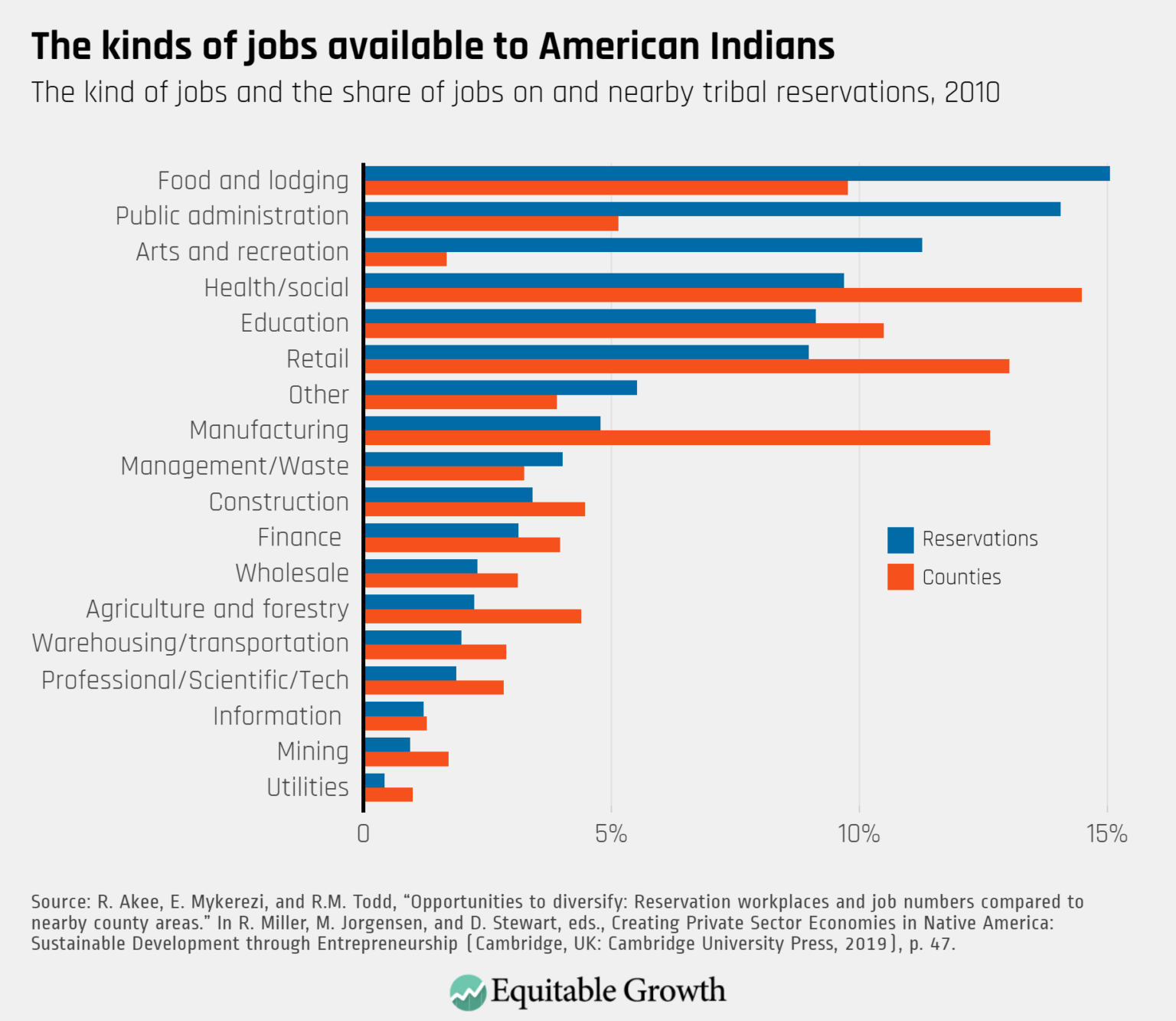

For generations, Native American reservations have faced significant economic challenges, often stemming from historical injustices, limited access to resources, and systemic barriers. However, these communities possess immense untapped potential. By strategically leveraging their unique assets and fostering sustainable development, reservations can unlock significant economic growth and create a brighter future for their residents.
This article delves into the diverse opportunities available for economic growth on Native American reservations, examining successful strategies, addressing common challenges, and exploring the path towards self-sufficiency and prosperity.
Understanding the Economic Landscape of Reservations
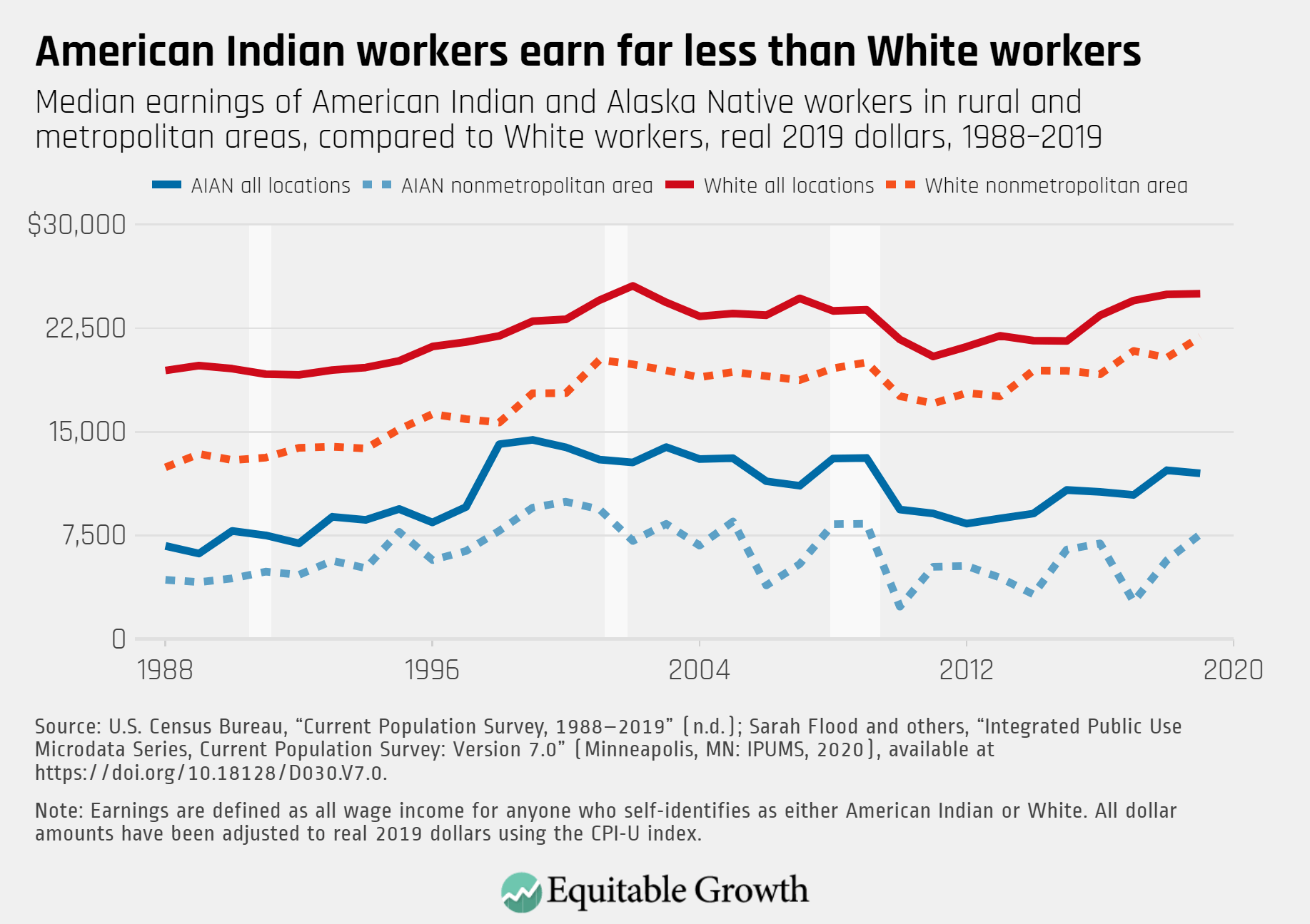
Before exploring specific opportunities, it’s crucial to understand the historical and current economic context of Native American reservations. Many reservations face high rates of unemployment, poverty, and limited access to education and healthcare. These challenges are often compounded by geographical isolation and a lack of infrastructure.
However, reservations also possess unique strengths, including rich cultural heritage, abundant natural resources, and a strong sense of community. Recognizing and leveraging these assets is key to fostering sustainable economic development.
-
Limited Access to Capital: Securing loans and investment can be difficult due to jurisdictional complexities and perceived risks.
-
Infrastructure Deficiencies: Inadequate roads, utilities, and communication networks hinder business development.
-
Lack of Skilled Workforce: Limited access to education and training programs can create a skills gap.
-
Regulatory Hurdles: Navigating complex federal, state, and tribal regulations can be challenging for businesses.
-
Historical Trauma: The legacy of historical injustices continues to impact economic opportunities and community well-being.


Key Opportunities for Economic Growth
Despite the challenges, a multitude of opportunities exist for fostering economic growth on reservations. These opportunities span various sectors and leverage the unique assets of Native American communities.
1. Leveraging Natural Resources
Many reservations are rich in natural resources such as oil, gas, coal, timber, and minerals. Responsible development of these resources can generate significant revenue, create jobs, and fund essential services. However, it’s crucial to prioritize sustainable practices and ensure that tribes retain control over their resources.
-
Renewable Energy: Investing in solar, wind, and geothermal energy projects can create clean energy jobs and reduce reliance on fossil fuels. Many reservations have ideal conditions for renewable energy development.
-
Sustainable Forestry: Managing forests sustainably can provide timber for construction and manufacturing while preserving biodiversity and ecosystem health.
-
Mining and Mineral Extraction: Responsible extraction of minerals can generate revenue, but it’s essential to mitigate environmental impacts and ensure fair compensation for tribes.
2. Developing Tourism and Cultural Heritage
-
Cultural Centers and Museums: Showcasing tribal history, art, and traditions.
-
Eco-Tourism: Offering guided tours of natural landscapes and outdoor activities.
-
Festivals and Events: Hosting cultural celebrations and powwows that attract visitors.
-
Arts and Crafts: Supporting local artisans and selling authentic Native American crafts.
3. Fostering Entrepreneurship and Small Business Development
-
Microloans and Business Grants: Providing seed funding for startups and small businesses.
-
Business Training and Mentorship: Offering guidance on business planning, marketing, and financial management.
-
Incubator and Accelerator Programs: Providing workspace, resources, and mentorship for early-stage companies.
-
Online Marketplaces: Connecting Native American businesses with customers worldwide.
4. Expanding Agriculture and Food Production
-
Community Gardens and Farms: Growing fresh produce for local consumption.
-
Livestock Ranching: Raising cattle, sheep, and other livestock.
-
Aquaculture: Raising fish and shellfish in controlled environments.
-
Food Processing and Packaging: Creating value-added products from agricultural commodities.
5. Investing in Education and Workforce Development
-
Improving K-12 Education: Providing high-quality education to prepare students for college and careers.
-
Expanding Access to Higher Education: Offering scholarships and financial aid to Native American students.
-
Vocational Training Programs: Providing training in high-demand industries such as healthcare, technology, and construction.
-
Apprenticeships and On-the-Job Training: Providing hands-on experience and skills development.
6. Attracting Investment and Partnerships
-
Developing Investment-Ready Projects: Creating well-planned and financially viable projects that attract investors.
-
Building Relationships with Investors: Networking with potential investors and showcasing the opportunities on reservations.
-
Forming Joint Ventures: Partnering with established companies to develop projects and share expertise.
-
Leveraging Federal and State Programs: Utilizing government programs that provide funding and support for economic development.
Addressing Common Challenges and Barriers
1. Strengthening Tribal Governance and Sovereignty
-
Developing Clear and Transparent Regulations: Establishing clear rules and regulations for businesses operating on reservations.
-
Strengthening Tribal Courts and Legal Systems: Ensuring fair and impartial dispute resolution.
-
Protecting Tribal Sovereignty: Asserting tribal rights and authority over their lands and resources.
2. Improving Infrastructure
-
Building and Maintaining Roads and Bridges: Improving transportation access to and from reservations.
-
Upgrading Utilities: Providing reliable electricity, water, and sanitation services.
-
Expanding Broadband Access: Connecting reservations to the internet to support businesses and education.
3. Overcoming Regulatory Hurdles
-
Streamlining Permitting Processes: Simplifying the process of obtaining permits and approvals.
-
Providing Technical Assistance: Offering guidance to businesses on complying with regulations.
-
Advocating for Regulatory Reform: Working to reduce unnecessary regulatory burdens.
4. Addressing Social and Economic Disparities
-
Investing in Education and Healthcare: Improving access to quality education and healthcare services.
-
Providing Affordable Housing: Ensuring that all residents have access to safe and affordable housing.
-
Combating Substance Abuse and Addiction: Providing treatment and prevention services.
Successful Examples of Economic Development on Reservations
Several Native American tribes have successfully implemented economic development strategies that have transformed their communities. These examples provide valuable lessons and inspiration for other tribes.
-
The Seminole Tribe of Florida: Has built a thriving gaming and hospitality industry that generates significant revenue and employs thousands of people.
-
The Navajo Nation: Is developing renewable energy projects and expanding its tourism industry.
-
The Cherokee Nation: Has diversified its economy by investing in healthcare, manufacturing, and technology.
The Role of Technology in Economic Growth
Technology plays a crucial role in unlocking economic opportunities for Native American reservations. By embracing digital solutions, tribes can overcome geographical barriers, access new markets, and enhance their competitiveness.
1. E-commerce and Online Marketplaces
E-commerce platforms enable Native American businesses to reach customers beyond their local communities. Online marketplaces provide a platform for selling traditional crafts, artwork, and other products to a global audience.
2. Telecommunications Infrastructure
Reliable telecommunications infrastructure is essential for supporting businesses, education, and healthcare. Expanding broadband access to reservations enables remote work, online learning, and telemedicine services.
3. Data Analytics and Decision-Making
Data analytics can help tribes make informed decisions about economic development strategies. By analyzing market trends, demographic data, and other relevant information, tribes can identify opportunities and allocate resources effectively.
4. Digital Literacy and Skills Training
Providing digital literacy and skills training to tribal members is crucial for ensuring that they can participate in the digital economy. Training programs can cover topics such as computer basics, internet usage, and e-commerce skills.
Conclusion: A Path Towards Self-Sufficiency and Prosperity
Economic growth on Native American reservations is not only possible but essential for creating thriving communities and ensuring a brighter future for generations to come. By strategically leveraging their unique assets, fostering entrepreneurship, attracting investment, and addressing common challenges, reservations can unlock their full potential and achieve self-sufficiency and prosperity.
The journey towards economic empowerment requires a collaborative effort involving tribal governments, federal and state agencies, private sector partners, and community members. By working together, we can create a more equitable and prosperous future for Native American communities.
This comprehensive exploration highlights the diverse pathways available for Native American reservations to achieve substantial economic advancement. It emphasizes the importance of respecting tribal sovereignty, investing in education, and fostering sustainable development practices to ensure long-term prosperity and self-determination.
Ultimately, the success of economic development initiatives on reservations depends on the vision, leadership, and resilience of Native American communities. By embracing innovation, preserving their cultural heritage, and working together, they can create a brighter future for themselves and their descendants.


