Introduction: Unveiling the Oneida Nation of Wisconsin
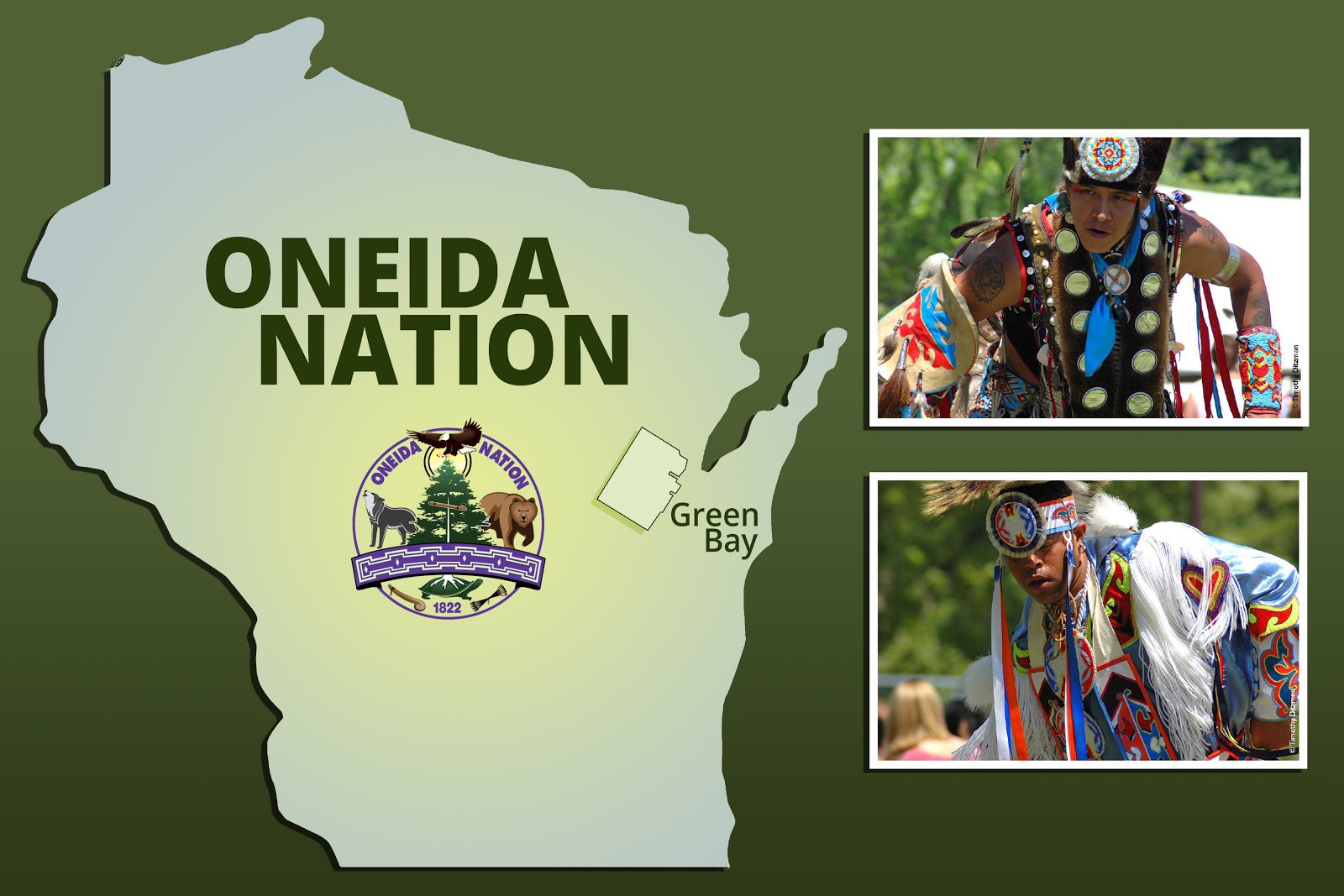
The Oneida Nation of Wisconsin, a proud and sovereign Indigenous nation, holds a significant place in the history and contemporary landscape of North America. Located primarily west of Green Bay, Wisconsin, their reservation is a vibrant hub of cultural preservation, economic innovation, and community development. Understanding the Oneida Nation requires delving into their profound history, their unwavering commitment to self-determination, and their enduring contributions to both their members and the wider region.
This comprehensive article aims to shed light on the multifaceted aspects of the Oneida Nation of Wisconsin Reservation, from its historical roots and the challenging journey of its people to its modern-day governance, thriving economy, and dedicated efforts in cultural and environmental stewardship. Join us as we explore the legacy of strength and vision that defines this remarkable nation.
A Rich Tapestry of History and Resilience
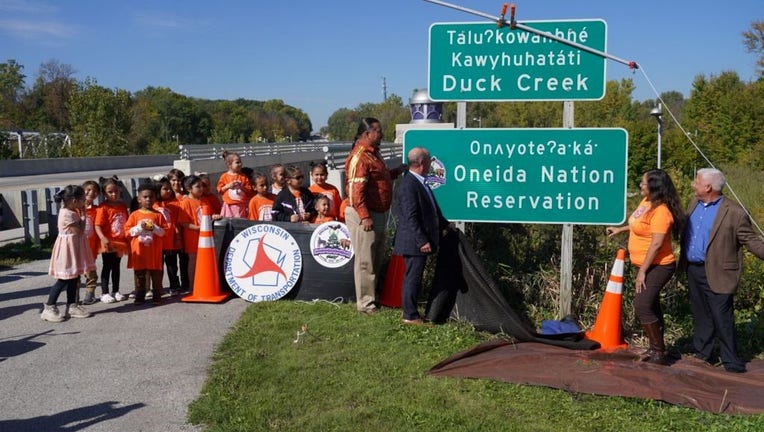
The Oneida people are one of the original five nations of the Haudenosaunee Confederacy, also known as the Iroquois Confederacy, which historically occupied vast territories in what is now New York State. Their name, Onyota’a:ka, translates to ‘People of the Standing Stone,’ reflecting their deep connection to their ancestral lands and traditions.
Following the American Revolutionary War, during which the Oneida Nation notably sided with the American colonists, they faced immense pressure from westward expansion. Through a series of treaties and land cessions, much of their ancestral territory was lost. By the early 19th century, many Oneida people began a migration westward, eventually settling in what would become Wisconsin.

The move to Wisconsin was not without hardship. The Oneida purchased lands from the Menominee and Ho-Chunk (Winnebago) nations, establishing their new home. However, subsequent federal policies, including the Dawes Act of 1887, led to further allotment and loss of tribal lands, fragmenting the reservation into a ‘checkerboard’ pattern of tribal, individual, and non-Native ownership.
Despite these profound challenges and the pervasive efforts of assimilation, the Oneida people demonstrated extraordinary resilience. They maintained their cultural identity, language, and community bonds, laying the groundwork for a resurgence in the 20th century.
Understanding the Oneida Reservation: Land and Geography
The Oneida Nation of Wisconsin Reservation encompasses approximately 65,400 acres, primarily situated in Brown County and Outagamie County, immediately west of the city of Green Bay. This strategic location places them in a significant economic and population center of Wisconsin.
The unique ‘checkerboard’ land ownership pattern means that the reservation is not a contiguous block of land but rather a mosaic of tribal trust lands, individually owned Native lands, and non-Native owned parcels. This complex land status presents ongoing challenges for governance, resource management, and economic planning, yet the Nation continues to work towards consolidating and expanding its land base.
For the Oneida people, the land is more than just property; it is fundamental to their cultural identity, spiritual practices, and sovereignty. Protecting and restoring their land base remains a critical priority for the Nation.
Governance and Self-Determination: A Sovereign Nation
The Oneida Nation of Wisconsin operates as a sovereign governmental entity, exercising inherent rights of self-governance. Their governmental structure is led by the Oneida Business Committee, an elected body responsible for the day-to-day operations and strategic direction of the Nation.
Tribal sovereignty means that the Oneida Nation has the authority to govern its own people and territory, establish its own laws, and provide essential services to its members, much like any other government. This includes establishing police and fire departments, judicial systems, health clinics, educational institutions, and infrastructure development.
The relationship between the Oneida Nation and federal and state governments is complex, often involving negotiations over jurisdiction, resource sharing, and treaty rights. The Nation actively engages in advocacy to protect its sovereign rights and ensure its voice is heard on matters affecting Indigenous peoples.
Economic Development: Building a Sustainable Future
A cornerstone of the Oneida Nation’s self-sufficiency and community investment is its robust economic development strategy. The most visible component of this is the Oneida Casino, which has been a significant driver of economic growth since its establishment.
Beyond gaming, the Nation has strategically diversified its economic portfolio. This includes:
- Hospitality: Hotels and convention centers.
- Retail: Convenience stores, gas stations, and other commercial enterprises.
- Manufacturing: Various ventures providing goods and services.
- Agriculture: Sustainable farming initiatives, including bison ranching, connecting to traditional foodways.
- Technology: Investments in telecommunications and other tech sectors.
These enterprises not only generate revenue for the Nation but also create thousands of jobs, benefiting both tribal members and the surrounding non-Native communities in the Green Bay area. Profits are reinvested into essential governmental services, infrastructure, education, healthcare, and cultural programs, directly improving the quality of life for Oneida citizens.
Cultural Preservation and Language Revitalization
The Oneida Nation is deeply committed to preserving its rich cultural heritage and revitalizing the Oneida language, Onyota’a:ka. Decades of assimilation policies severely impacted the number of fluent speakers, but dedicated efforts are reversing this trend.
Key initiatives include:
- Language Programs: Schools and community centers offer immersive language classes for all ages, from early childhood to adults.
- Cultural Centers: Facilities like the Oneida Nation Museum serve as repositories of historical artifacts, traditional stories, and educational resources.
- Traditional Arts: Promoting and teaching traditional crafts such as basket weaving, beadwork, and pottery.
- Ceremonies and Events: Regular cultural events, powwows, and traditional ceremonies strengthen community bonds and pass on ancestral knowledge.
These efforts ensure that the unique identity and wisdom of the Oneida people continue to thrive and are passed down to future generations, reinforcing a strong sense of belonging and pride.
Education and Community Services
The Oneida Nation provides a comprehensive suite of services designed to foster the well-being and development of its community members. Education is a high priority, with tribal schools offering culturally relevant curricula alongside standard academic subjects, ensuring students receive a strong foundation rooted in their heritage.
Healthcare services are provided through tribal clinics, focusing on holistic health that integrates traditional healing practices with modern medicine. Additionally, the Nation offers robust social services, including elder care, housing assistance, youth programs, and family support services.
These services are vital for creating a supportive environment where Oneida citizens can flourish, addressing historical disparities and promoting a high quality of life within the reservation.
Environmental Stewardship: Guardians of the Land
Deeply rooted in their traditional beliefs, the Oneida Nation views itself as the steward of the land and natural resources. This responsibility translates into active engagement in environmental protection and sustainable resource management.
The Nation’s environmental programs focus on:
- Water Quality: Protecting and monitoring the reservation’s waterways, including segments of the Fox River and local streams.
- Land Restoration: Reclaiming and restoring degraded lands, promoting biodiversity.
- Sustainable Practices: Implementing sustainable agriculture, forestry, and waste management practices.
- Climate Change Adaptation: Developing strategies to mitigate and adapt to the impacts of climate change on their lands and community.
These efforts reflect a profound respect for Mother Earth and a commitment to ensuring a healthy environment for future generations, extending their influence beyond the reservation boundaries.
Addressing Common Questions about the Oneida Nation
What is the Oneida Nation known for? The Oneida Nation is known for its rich history as part of the Haudenosaunee Confederacy, its resilience in migrating to Wisconsin and rebuilding, its strong tribal sovereignty, significant economic contributions through ventures like the Oneida Casino, and its dedicated efforts in cultural and language preservation.
How many members are in the Oneida Nation? The Oneida Nation of Wisconsin has a robust and growing membership, with approximately 17,000 enrolled members. A significant portion of these members reside on or near the reservation.
What is the Oneida Casino’s impact? The Oneida Casino is a major economic engine, providing thousands of jobs for both tribal and non-tribal individuals. Its revenues are crucial for funding essential government services, infrastructure projects, education, healthcare, and cultural programs for the Oneida community.
What language do the Oneida speak? The traditional language of the Oneida people is Onyota’a:ka, an Iroquoian language. While the number of fluent speakers declined due to historical factors, the Nation has extensive programs dedicated to its revitalization and teaching.
Challenges and Ongoing Efforts
Despite their remarkable achievements, the Oneida Nation continues to face challenges. These include the lingering effects of historical trauma, socioeconomic disparities, the ongoing complexities of land claims and treaty rights, and the delicate balance of preserving tradition while embracing modern advancements.
The Nation is actively engaged in addressing these issues through strategic planning, advocacy, and community-led initiatives, always with an eye towards strengthening their sovereignty and improving the lives of their people.
Visiting the Oneida Nation: Respectful Engagement
The Oneida Nation welcomes visitors to experience aspects of their community. The Oneida Casino and Resort offers entertainment, dining, and accommodations. The Oneida Nation Museum provides an insightful look into their history and culture.
When visiting, it is important to remember that you are on sovereign land. Visitors are encouraged to engage respectfully, learn about Oneida culture, and support tribal enterprises. Respect for tribal laws, customs, and the privacy of residents is paramount.
Conclusion: A Legacy of Strength and Vision
The Oneida Nation of Wisconsin Reservation stands as a powerful testament to the enduring spirit and resilience of Indigenous peoples. From their ancient origins as part of the Haudenosaunee Confederacy to their present-day role as a vibrant, self-governing nation, the Oneida have navigated immense challenges with unwavering determination.
Their commitment to cultural preservation, economic self-sufficiency, environmental stewardship, and the well-being of their community serves as an inspiring model. The Oneida Nation continues to build a future rooted in their rich heritage, contributing significantly to the cultural, economic, and social fabric of Wisconsin and beyond. Their journey is a powerful narrative of sovereignty, adaptation, and the enduring strength of a people deeply connected to their land and traditions.


