
Echoes of the Diné: Unveiling the Navajo Nation Through Intimate Small-Group Journeys
In an era where travelers increasingly seek authentic connections over fleeting impressions, the Navajo Nation stands as a beacon of profound cultural immersion and breathtaking natural beauty. For those yearning to move beyond the curated, often superficial experiences of mass tourism, small-group tours offer an unparalleled gateway into the heart of Diné (Navajo) culture, history, and the sacred landscapes they have stewarded for millennia. This approach is not merely about seeing the sights; it is about understanding, respecting, and participating in a narrative woven over generations.
The Navajo Nation, the largest Indigenous reservation in the United States, sprawls across parts of Arizona, Utah, and New Mexico. Its vastness and the deeply personal nature of its cultural heritage make it an ideal destination for intimate travel. Small-group tours, typically comprising fewer than 10-12 participants, inherently foster a more respectful and sustainable form of tourism. They minimize environmental impact, allow for deeper interactions with local guides and communities, and ensure that the economic benefits directly reach the Diné people. This article delves into why these focused expeditions offer the most enriching way to experience the Navajo Nation, highlighting key destinations, cultural interactions, and the profound wisdom shared by Diné guides.
The Indispensable Role of Diné Guides
At the core of any meaningful journey through the Navajo Nation is the Diné guide. Unlike general tour operators, these guides are not just navigators of the land; they are cultural interpreters, storytellers, and living embodiments of Diné history and philosophy. Their knowledge extends far beyond geographical points; it encompasses the language (Diné Bizaad), traditional songs, spiritual beliefs, and the intricate relationship between the Diné people and their ancestral lands.
"Our land is not just dirt and rocks; it’s our relative, our teacher, our home," explains Sarah Begay, a third-generation guide operating out of Oljato, Utah. "When I guide a small group, I’m not just showing them a view; I’m sharing a piece of who we are. I can answer their questions honestly, share stories that my grandmother told me, and help them feel the spirit of this place." This personalized interaction is virtually impossible on larger tours, where guides are often constrained by strict schedules and the sheer volume of questions. Small groups allow for organic conversations, spontaneous detours based on group interest, and the flexibility to truly absorb the surroundings.

Iconic Landscapes, Intimate Perspectives
The Navajo Nation is home to some of the most iconic landscapes in the American Southwest, each offering a unique story that small-group tours bring to life.
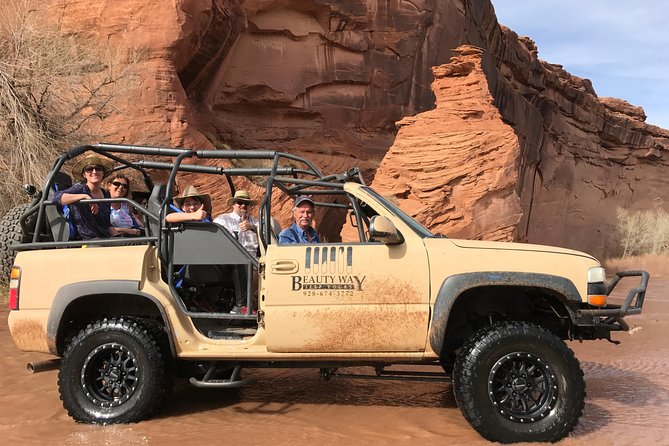
Monument Valley Navajo Tribal Park: This majestic landscape of towering sandstone buttes and mesas, immortalized in countless Western films, is often the first image that comes to mind. While larger tours traverse the main loop, small-group expeditions unlock access to restricted backcountry areas. Imagine exploring hidden arches, ancient petroglyphs, and less-traveled canyons with a Diné guide who points out medicinal plants, shares legends tied to specific formations, or recounts stories of their family’s sheep herding traditions in these very valleys. Overnight camping under the impossibly starry skies, accompanied by traditional Diné storytelling around a campfire, transforms a visual spectacle into a deeply spiritual experience. "The public loop gives you a glimpse," notes Diné guide Harrison Yazzie. "But to truly feel Monument Valley, you need to hear the wind whisper through the formations, see the stars away from any light, and understand the stories that live in every rock. Small groups allow us to go deeper, literally and figuratively."
Canyon de Chelly National Monument: Unlike other national parks, Canyon de Chelly is managed cooperatively by the National Park Service and the Navajo Nation, with all canyon floor access requiring a permitted Diné guide. This strict regulation naturally lends itself to small-group experiences, ensuring that visitors receive an authentic, culturally sensitive tour. Descending into the canyon, visitors witness cliff dwellings of the Ancestral Puebloans, still visible on sheer rock faces, alongside contemporary Navajo farms and hogans. Guides share the canyon’s continuous human history, spanning thousands of years, offering insights into traditional farming techniques, the significance of Spider Rock, and the resilience of families who have lived here for generations. The intimate setting allows for reflective moments, quiet contemplation, and a deeper understanding of the canyon as a living, breathing cultural landscape, not just an archaeological site.
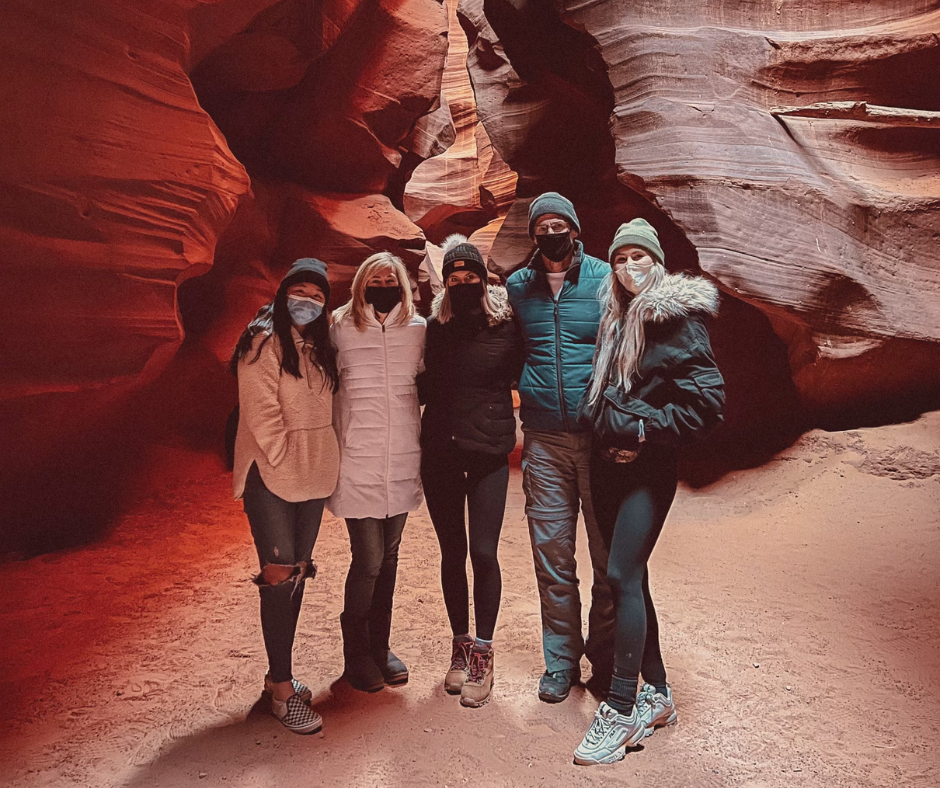
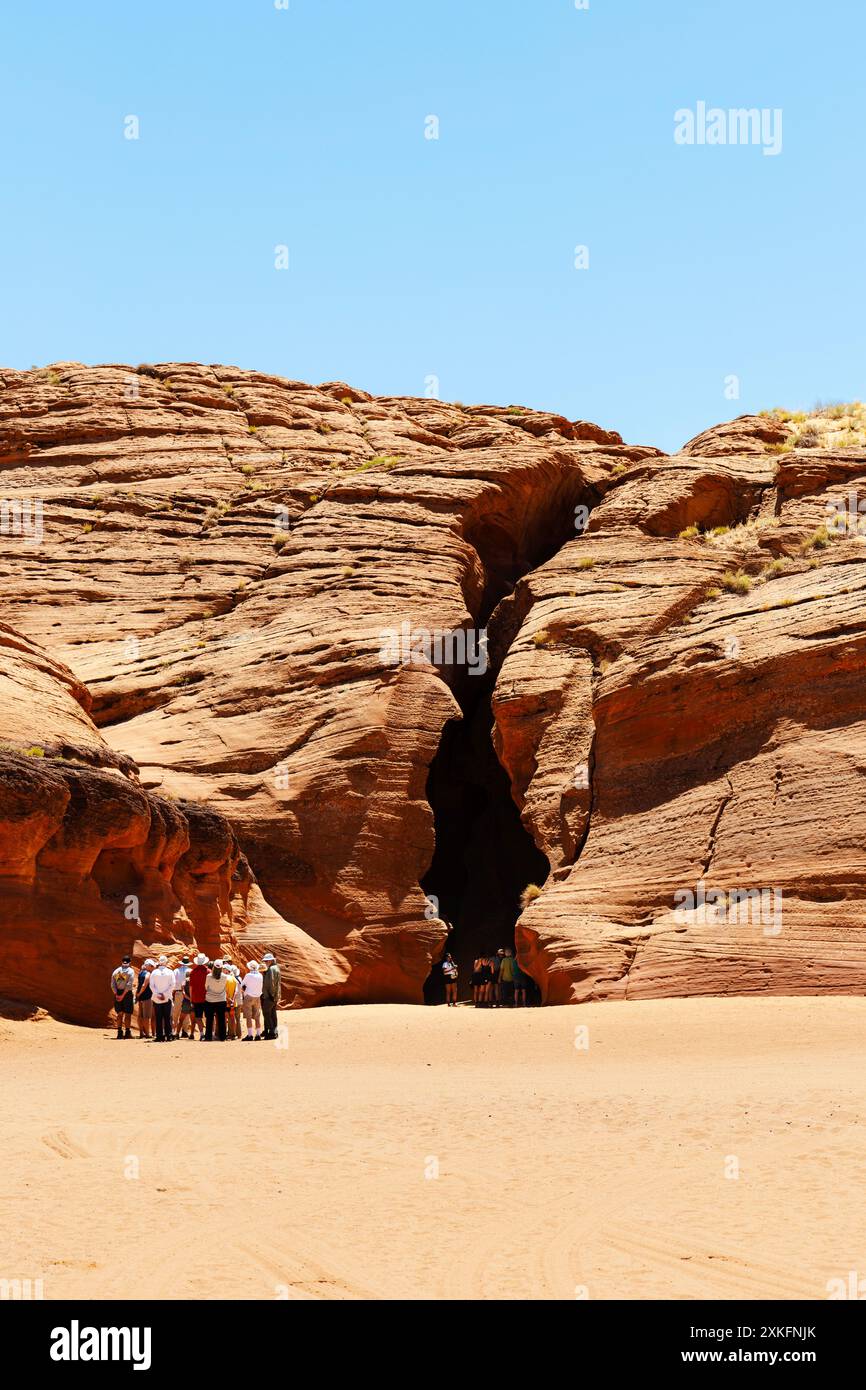
Antelope Canyon and Other Slot Canyons: While Antelope Canyon has become immensely popular and often crowded, small-group tours still offer advantages by leveraging guides who know the best times to visit, the ideal spots for photography, and the cultural significance behind the stunning light beams and sculpted sandstone. Moreover, Diné guides can often lead groups to lesser-known slot canyons on tribal land—places like Secret Canyon, Canyon X, or Waterhole Canyon—which offer equally spectacular beauty without the throngs of tourists. These alternatives provide a more serene and personal encounter with these natural wonders, often allowing for more leisurely exploration and photography.
Beyond the Postcard: Cultural Immersion
Small-group tours delve deeper than just scenic overlooks. They open doors to genuine cultural immersion:
- Hogan Stays: Many small-group itineraries offer the unique opportunity to stay overnight in a traditional hogan, the circular, log-and-earth dwelling central to Diné spiritual life. Sleeping on the floor, listening to stories under a blanket of stars, and waking to the east-facing door welcoming the sunrise offers an unparalleled connection to traditional Diné living.
- Traditional Arts and Crafts: Small groups can participate in workshops, learning about the intricate art of Navajo weaving from master weavers, understanding the symbolism in their designs, or observing silversmiths craft exquisite turquoise jewelry. These hands-on experiences provide not only a souvenir but a deeper appreciation for the skill and cultural significance behind these art forms.
- Traditional Foods: Sharing a meal prepared by Diné hosts, perhaps savoring traditional frybread, Navajo tacos, or mutton stew, becomes a communal experience. It’s an opportunity to discuss daily life, ask questions, and forge personal connections.
- Language and Storytelling: Diné guides often teach basic Diné phrases ("Yá’át’ééh" – hello; "Ahxéhee’" – thank you) and share creation stories, legends of trickster figures, and historical accounts passed down orally. These narratives provide a crucial understanding of Diné cosmology and values.

Ethical Tourism and Economic Impact
Choosing a small-group tour, particularly one operated by Diné-owned businesses or employing local Diné guides, is a powerful act of ethical tourism. It ensures that tourism dollars directly benefit the community, supporting local families, preserving cultural practices, and fostering economic development within the Nation. This direct support is vital for an economy that faces significant challenges.
Furthermore, small-group tours are inherently more sustainable. Guides can better manage the group’s impact on fragile environments, educate visitors on responsible behavior (like staying on marked trails, not disturbing archaeological sites, and respecting private property), and encourage practices like "leave no trace." The emphasis on respect and understanding that underpins these tours also contributes to a more positive and reciprocal relationship between visitors and the Diné community.
Planning Your Journey: What to Consider
When planning a small-group tour of the Navajo Nation, consider the following:
- Reputation and Authenticity: Research tour operators carefully. Prioritize those that are Diné-owned and operated or have strong, verifiable partnerships with local communities and guides. Look for testimonials that speak to cultural depth and respect.
- Itinerary Depth: Does the itinerary offer more than just photo stops? Does it include cultural experiences, opportunities for interaction, and access to less-visited areas?
- Group Size: Confirm the maximum group size to ensure the intimate experience you seek.
- Physical Demands: Some tours involve hiking or off-road travel. Ensure the tour matches your physical capabilities.
- Cultural Sensitivity: Be prepared to follow cultural protocols as advised by your guide. This might include asking permission before taking photographs of people or private dwellings, dressing modestly, and showing respect for sacred sites.
The Navajo Nation offers a journey unlike any other. It is a land of profound beauty, enduring spirit, and rich cultural heritage. By choosing a small-group tour, travelers are not merely observing from a distance; they are stepping onto a sacred land with humility, engaging with its people, and leaving with a deeper understanding and appreciation for the Diné way of life. These intimate expeditions transcend the typical tourist experience, offering a transformative encounter that resonates long after the journey concludes, echoing the timeless narratives of the Diné.


