Navigating the Sacred Landscape: Essential Safety Guidelines for Visitors to the Navajo Nation
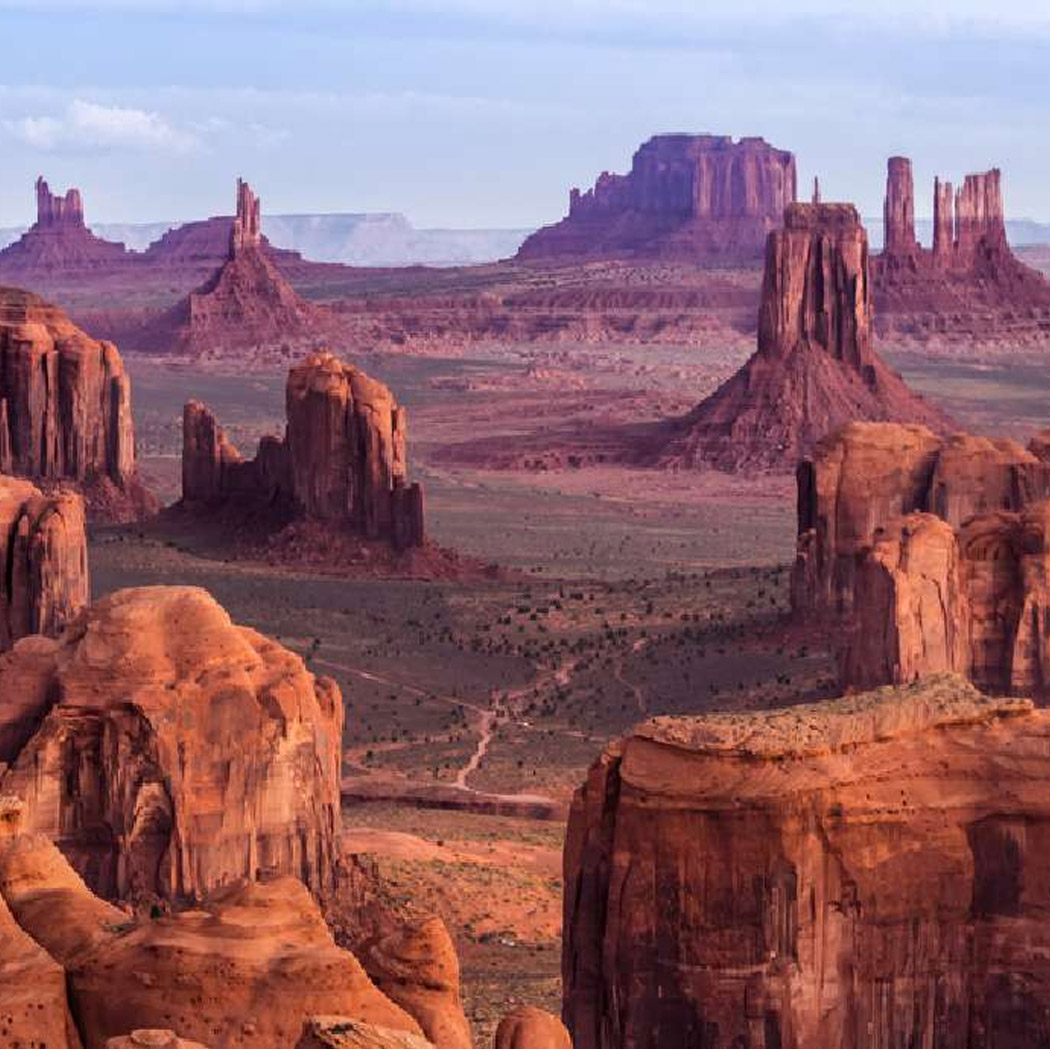
The Navajo Nation, Dinetah, is a land of breathtaking beauty and profound cultural significance. Spanning over 27,000 square miles across Arizona, Utah, and New Mexico, it is the largest Native American reservation in the United States, a vast expanse of towering mesas, deep canyons, and endless desert skies. From the iconic red spires of Monument Valley to the ethereal slot canyons of Antelope Canyon, and the dramatic vistas of Canyon de Chelly, the Nation offers unparalleled opportunities for adventure, spiritual reflection, and cultural immersion. As tourism to this unique landscape continues to grow, attracting visitors from across the globe, understanding and adhering to essential safety guidelines is paramount. These guidelines are not merely bureaucratic requirements; they are a framework for respectful engagement, environmental preservation, and ensuring a safe, enriching, and unforgettable experience for every traveler.
The imperative for robust safety measures stems from several key factors inherent to the Navajo Nation. Its sheer size and often remote nature mean that infrastructure, including cell service, emergency services, and paved roads, can be limited in many areas. The diverse geography presents environmental challenges, from extreme desert heat to the sudden dangers of flash floods and unpredictable weather patterns. Moreover, much of the land holds deep cultural and spiritual significance, requiring visitors to approach with respect and an understanding of traditional protocols. By prioritizing safety and cultural sensitivity, visitors contribute not only to their own well-being but also to the preservation of this sacred land and the dignity of its people.
Respect for Land and Culture: The Foundation of Safe Exploration
At the heart of safe tourism on the Navajo Nation lies an understanding of and respect for the land and its people. This isn’t just about avoiding danger; it’s about acknowledging the deep connection the Navajo people, Diné, have with their ancestral lands, guided by principles like Hózhó, or "walking in beauty and harmony."
1. Secure Necessary Permits and Engage Local Guides: This is perhaps the most critical guideline. Much of the Navajo Nation is private trust land, and many popular attractions, as well as vast tracts of backcountry, require specific permits for entry, hiking, camping, or photography. These permits help manage visitor impact, fund preservation efforts, and support local communities. Crucially, certain areas, like the famous Antelope Canyon (Upper and Lower), are only accessible with a permitted Navajo guide. Attempting to enter without a guide is not only dangerous due to the risk of getting lost or flash floods but also disrespectful and illegal. For Monument Valley Navajo Tribal Park, while some areas are self-drive, exploring backcountry or accessing specific viewpoints often necessitates a guided tour with a local Navajo outfitter. Always check the official Navajo Parks and Recreation website or local visitor centers for current permit requirements and reputable guides. "Our land holds stories and our guides share them while ensuring your safety," explains a Navajo tourism official. "They know the terrain, the weather, and the sacred spots. Their knowledge is invaluable."
2. Cultural Sensitivity and Photography Etiquette: The Navajo Nation is a living culture, not a museum. Visitors are guests. Always ask for permission before photographing individuals, especially children, or traditional ceremonies and sacred sites. Some areas may prohibit photography entirely. Dress modestly, particularly when visiting communities or attending cultural events. Respect private property and do not trespass. Littering is not only an environmental hazard but also deeply disrespectful to the land and its spiritual significance. "Leave no trace" is a universal outdoor ethic, but on the Navajo Nation, it takes on an added layer of meaning, reflecting a reverence for the environment.
3. Sacred Sites and Ancestral Remains: Many areas within the Navajo Nation hold profound spiritual importance or contain ancient ruins and ancestral remains. Treat these sites with the utmost reverence. Do not disturb artifacts, remove anything from these sites, or climb on ancient structures. Stay on marked trails to avoid damaging fragile ecosystems or inadvertently disturbing sacred ground.
Environmental Preparedness: Navigating the Elements
The raw, untamed beauty of the Navajo Nation comes with inherent environmental challenges that demand careful preparation and respect for the power of nature.
1. Hydration is Non-Negotiable: The desert climate can be extreme, with summer temperatures often exceeding 100°F (38°C). Dehydration is a serious and common risk. Carry significantly more water than you think you will need – at least one gallon per person per day, and more if hiking or engaging in strenuous activities. Drink water frequently, even if you don’t feel thirsty. Electrolyte supplements can also be beneficial.
2. Weather Awareness and Flash Flood Danger: Weather can change rapidly and dramatically. Monsoon season (typically July to September) brings intense thunderstorms that can trigger sudden and devastating flash floods in canyons, even if it hasn’t rained directly where you are. Always check weather forecasts for your specific location and upstream areas before venturing into canyons. If you hear thunder or see dark clouds, seek higher ground immediately. Winters can bring snow and freezing temperatures, especially at higher elevations, requiring appropriate cold-weather gear. High winds are also common, carrying sand and dust.
3. Navigation and Communication: Cellular service is notoriously unreliable and often non-existent across large parts of the Navajo Nation. Do not rely solely on your phone for navigation or emergencies. Carry detailed paper maps and a compass, and know how to use them. A GPS device or a satellite messenger (like an InReach or SPOT device) is highly recommended for remote excursions. Inform someone of your itinerary and expected return time. Getting lost in this vast landscape can quickly become life-threatening.
4. Vehicle Preparedness: Many roads, especially those leading to more remote attractions or campgrounds, are unpaved, rough, and may require a high-clearance, four-wheel-drive (4WD) vehicle. Always ensure your vehicle is in excellent mechanical condition, has a full tank of gas (gas stations can be far apart), a good spare tire, and an emergency kit including extra water, food, blankets, a flashlight, and basic tools. Avoid driving off-road unless explicitly permitted and accompanied by a local guide.
5. Sun Protection and Wildlife: The desert sun is intense. Wear wide-brimmed hats, sunglasses, and high-SPF sunscreen. Long-sleeved shirts and pants, even in summer, can provide protection from both sun and abrasive vegetation. While wildlife encounters are generally rare, be aware of rattlesnakes, scorpions, coyotes, and other desert creatures. Do not approach or feed wildlife. Store food properly to avoid attracting animals to your campsite.
Health and Emergency Preparedness
Beyond environmental factors, personal health and emergency readiness are critical for a worry-free visit.
1. Limited Medical Services: Hospitals and clinics are few and far between on the Navajo Nation. If you have pre-existing medical conditions, carry all necessary medications and inform your travel companions. Consider purchasing travel insurance that covers emergency medical evacuation.
2. Comprehensive First Aid Kit: A well-stocked first aid kit should be a standard part of your gear. It should include bandages, antiseptic wipes, pain relievers, blister treatment, allergy medication, and any personal prescriptions.
3. Emergency Contacts: Know the local emergency numbers. While 911 is universal, being able to provide specific location details in remote areas is crucial. If using a guide, they will handle emergencies, but personal preparedness is always wise.
Responsible Tourism and Economic Impact
Adhering to safety guidelines isn’t just about self-preservation; it’s an act of responsible tourism that supports the Navajo Nation. By utilizing certified Navajo guides, staying in Navajo-owned accommodations, and purchasing goods from local artisans, visitors directly contribute to the economic well-being of the community. This support, in turn, helps maintain infrastructure, preserve cultural sites, and ensure that future generations can continue to share their heritage safely. "When you hire a local guide, you’re not just buying a tour; you’re investing in a family, a community, and gaining a true understanding of this land," says a local artisan.
The Navajo Nation Tourism Department actively works to promote safe and responsible tourism, offering resources, maps, and lists of certified guides. Their emphasis is on fostering respectful engagement that benefits both visitors and the Diné people.
Conclusion
A journey through the Navajo Nation is an extraordinary privilege, offering unparalleled opportunities for discovery, adventure, and profound cultural connection. To truly "walk in beauty" within this sacred landscape, visitors must embrace a mindset of preparedness, respect, and humility. By securing the necessary permits, engaging with knowledgeable local guides, preparing for the unique environmental challenges, and practicing cultural sensitivity, travelers can ensure their safety while contributing positively to the preservation and prosperity of the Diné people and their ancestral lands. The breathtaking beauty of the Navajo Nation awaits, ready to be explored safely and respectfully, creating memories that will last a lifetime.


