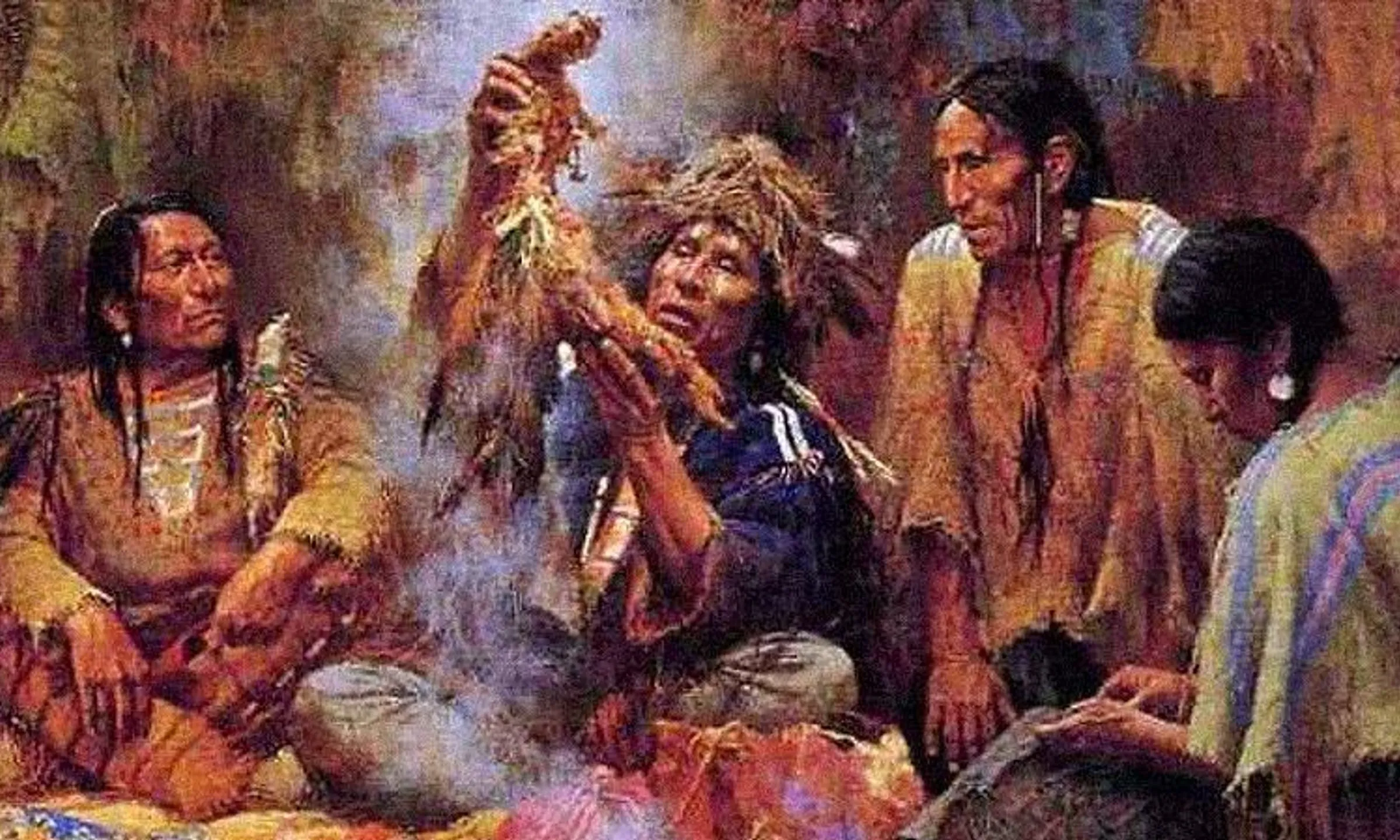
Native American Weather Ceremonies: Traditional Methods for Influencing Climate Patterns
For millennia, Indigenous peoples across North America have lived in profound intimacy with the land, their survival inextricably linked to the whims of weather. Far from being passive observers, numerous Native American tribes developed elaborate ceremonies and rituals, deeply rooted in spiritual belief and ancestral knowledge, aimed at influencing climate patterns. These practices were not merely superstitious acts but holistic expressions of a worldview that saw humans as integral parts of a vast, interconnected cosmos, capable of engaging in respectful dialogue with the forces of nature to seek balance and sustenance.
At the heart of these weather ceremonies lies a philosophy of reciprocity and reverence. Unlike Western perspectives that often view nature as something to be conquered or controlled, Native American traditions emphasize harmony, stewardship, and a deep understanding of the subtle energies that govern the natural world. Weather — be it rain, wind, sun, or snow — was rarely seen as an impersonal, purely scientific phenomenon. Instead, it was often understood as a manifestation of spiritual beings, ancestors, or the Great Spirit itself, responding to the actions and prayers of humanity. To influence the weather, therefore, was to engage in a spiritual dialogue, offering respect, gratitude, and supplication rather than demanding alteration.
The primary goal of many weather ceremonies was to ensure the health and fertility of the land, leading to abundant harvests and sustainable ecosystems. Rain, in particular, was a vital resource, especially for agricultural tribes in arid regions. Drought could spell famine, while excessive rain could wash away crops. The ceremonies sought not just any weather, but the right weather at the right time – a delicate balance maintained through generations of observation and spiritual practice.
The Philosophical Bedrock: Interconnectedness and Reciprocity
Central to understanding Native American weather ceremonies is the concept of kinship with all living things and the natural elements. The earth is often referred to as Mother, the sky as Father, and the elements as relatives. This perspective fosters an inherent respect for the environment and an understanding that human actions have consequences that ripple through the entire web of life. Weather is not an external force but an internal component of this living system, and humans, through their spiritual practices, can communicate with it.

"For us, the earth is our mother, the sky is our father, and the wind is our breath," is a sentiment echoed across many Indigenous cultures, encapsulating the profound connection to the natural world. This deep-seated belief system dictates that one cannot simply take from nature without giving back. Ceremonies, therefore, are often elaborate acts of giving – of prayer, song, dance, and offerings – designed to honor the spirits of the weather and maintain a respectful relationship.
Spiritual leaders, often known as shamans, medicine people, or ceremonialists, played a crucial role in these practices. Possessing extensive knowledge of ancestral traditions, astronomical cycles, and the specific spiritual protocols for their tribe, these individuals acted as intermediaries between the human and spirit worlds. Their visions, dreams, and intimate understanding of the land guided the timing and execution of ceremonies, ensuring they were conducted with the utmost precision and reverence.
Common Elements and Practices
While the specifics varied widely among the hundreds of distinct Native American tribes, several common elements frequently appeared in weather ceremonies:
- Prayer and Song: Direct communication with the spirits, often sung in ancient languages, invoking specific deities or natural forces. These were not mere requests but expressions of gratitude and deep spiritual connection.
- Dance: Rhythmic movements, often mimicking natural phenomena like falling rain, swirling winds, or the growth of crops. Dances could be highly stylized, involving specific footwork, body movements, and regalia, designed to physically embody the desired outcome and amplify spiritual energy.
- Offerings: Symbolic gifts given to the spirits, such as tobacco (a sacred plant for many tribes), cornmeal, water, or intricately crafted prayer sticks (pahos). These offerings were expressions of respect, gratitude, and a plea for assistance.
- Sacred Objects and Tools: Drums, rattles, flutes, eagle feathers, pipes, and specific fetishes or masks were often used. These objects were imbued with spiritual power, enhancing the ceremony’s effectiveness and connecting participants to ancestral energies.
- Sacred Sites: Many ceremonies were performed at specific locations considered sacred – mountaintops, caves, springs, or ancient altars – believed to be powerful conduits for spiritual communication.
- Fasting and Purification: Participants, especially ceremonial leaders, often underwent periods of fasting, purification rituals (like sweat lodges), and meditation to cleanse their bodies and minds, making them more receptive to spiritual guidance.

Specific Examples: From Rain Dances to Sun Dances
Perhaps the most widely recognized Native American weather ceremonies are the Rain Dances, famously associated with agricultural tribes in the American Southwest, such as the Hopi and Zuni. For these peoples, living in an arid environment, rain was quite literally life. The Hopi Kachina ceremonies, which occur throughout the year, are central to their prayers for rain and fertility. Kachinas are spiritual beings or deities representing elements of the natural world, ancestors, and various aspects of Hopi life. During ceremonies, masked dancers embody these Kachinas, bringing their spiritual power to the village.
"To the Hopi, the Kachinas are the spiritual embodiment of everything in the universe," explains Dr. Armand L. Kuris, an anthropologist. "They are the rain, the clouds, the animals, and the ancestors." The elaborate dances, performed in the plazas, involve specific songs, prayers, and the sprinkling of cornmeal and water, symbolizing the life-giving rain. These ceremonies are not just about "making" rain; they are about maintaining a relationship with the forces that bring rain, ensuring the balance of the world and the continuation of life. The timing of these ceremonies is crucial, often aligned with seasonal changes and astronomical observations.
Another profound practice is the Sun Dance, practiced by many Plains tribes, including the Lakota, Cheyenne, and Arapaho. While not exclusively a weather ceremony, the Sun Dance is a central renewal ritual that often includes prayers for the well-being of the community, good harvests, and favorable conditions for hunting, all of which are intrinsically linked to weather patterns. Participants endure days of fasting, dancing, and sometimes self-sacrifice (such as piercing) around a central sacred pole, embodying their commitment and devotion to the Great Spirit and the renewal of life. The intense focus on the sun as a life-giver and the profound connection to the earth underpin the hope for a bountiful future, which necessitates appropriate weather.
Beyond these well-known examples, countless other traditions existed. Some tribes might have specific ceremonies to encourage gentle winds for pollination, to prevent destructive storms, or to ensure timely snowfall for hunting and water storage. For instance, northern tribes might have observed winter solstice ceremonies that included prayers for a manageable winter, providing enough snow for insulation and water but not so much as to hinder survival. The diversity of these practices mirrored the vast ecological and cultural landscapes of the continent.
The Deeper Meaning and Enduring Relevance
It is crucial to understand that Native American weather ceremonies were never viewed as a magical manipulation of nature. Instead, they were complex, spiritual engagements – acts of deep reverence, communal solidarity, and a profound acknowledgment of humanity’s place within the natural order. They reinforced tribal identity, passed down ancestral knowledge, and fostered a collective responsibility for the well-being of the community and the environment.
These traditions are not relics of the past; many are still practiced today, often with renewed vigor. In an era dominated by climate change and environmental degradation, the ancient wisdom embedded in Native American weather ceremonies offers a powerful and timely message. Their emphasis on interconnectedness, reciprocity, and living in respectful balance with the natural world provides a stark contrast to modern industrial societies’ often extractive and exploitative approaches.
The ceremonies remind us that humans are not separate from nature but an integral part of it. They teach that true influence over climate patterns may not come from technological mastery, but from fostering a spiritual and ethical relationship with the Earth, understanding its rhythms, and participating in its delicate balance through prayer, respect, and gratitude. In seeking to influence the weather, Native American traditions ultimately sought to influence themselves, ensuring they lived in harmony with the forces that sustained them. Their enduring legacy is a testament to the profound power of human spirit when aligned with the wisdom of the natural world.


