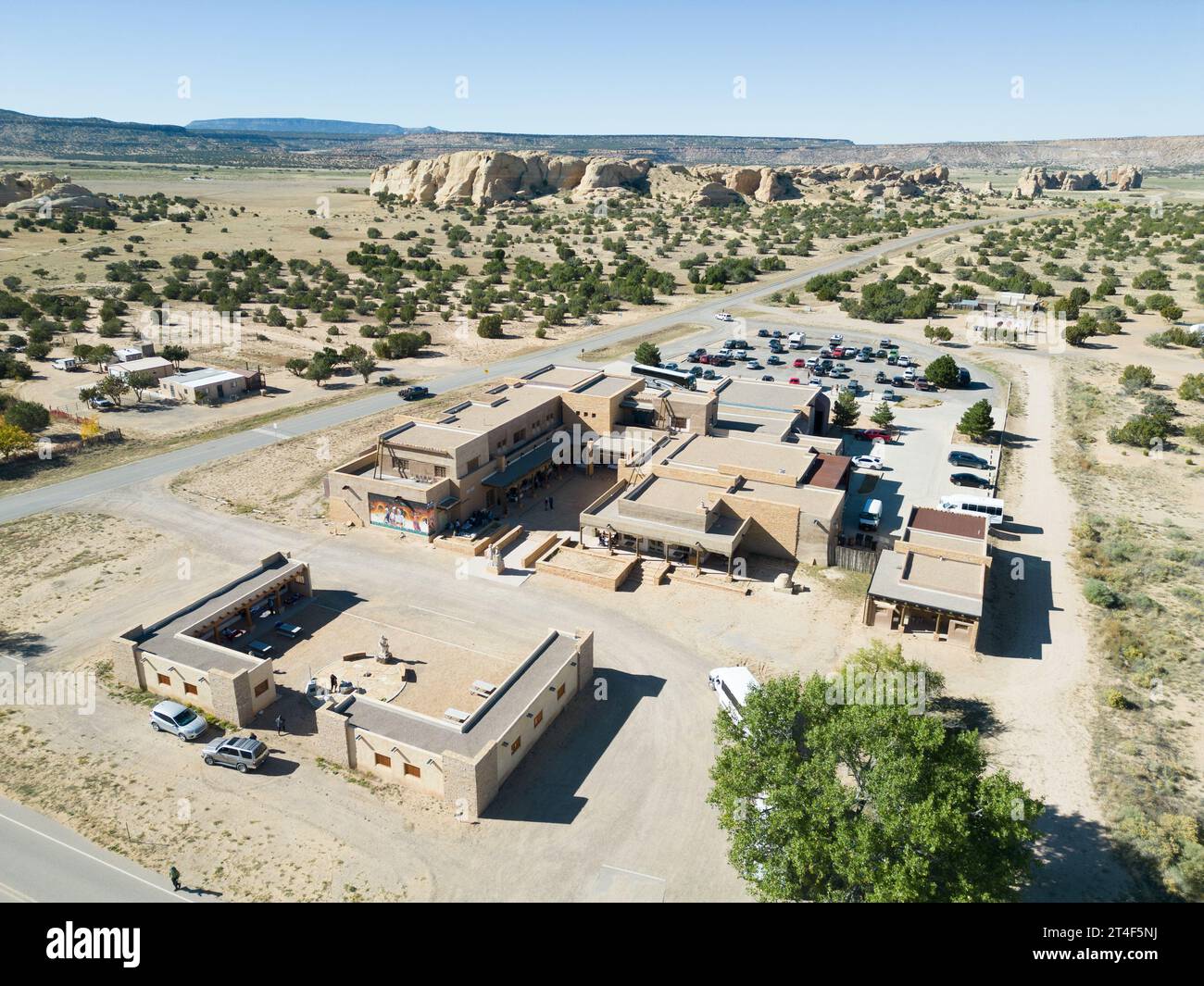

Native American reservations are sovereign lands that offer a unique window into the history, culture, and contemporary lives of indigenous peoples. A great starting point for exploring these communities is through their visitor centers. These centers serve as gateways, providing essential information, exhibits, and resources to help visitors understand and appreciate the heritage and traditions of the tribes.
This comprehensive guide will delve into the world of Native American reservation visitor centers, addressing common questions, offering tips for respectful visits, and highlighting the cultural significance of these vital institutions. Whether you’re a seasoned traveler or a curious learner, this article will equip you with the knowledge to make your visit both enriching and respectful.
What are Native American Reservation Visitor Centers?
Native American reservation visitor centers are facilities established by tribal governments to welcome guests and provide information about the tribe’s history, culture, government, and current events. They often feature exhibits, artifacts, artwork, and educational programs designed to promote understanding and appreciation of Native American heritage. These centers also serve as a hub for tourism, offering maps, brochures, and recommendations for exploring the reservation.
- Information Dissemination: Providing accurate and up-to-date information about the tribe and its history.
- Cultural Preservation: Showcasing and preserving tribal traditions, arts, and languages.
- Education: Offering educational programs and exhibits for visitors of all ages.
- Tourism Promotion: Encouraging responsible tourism and supporting local businesses.
- Community Engagement: Serving as a gathering place for tribal members and visitors alike.
Why Visit a Native American Reservation Visitor Center?
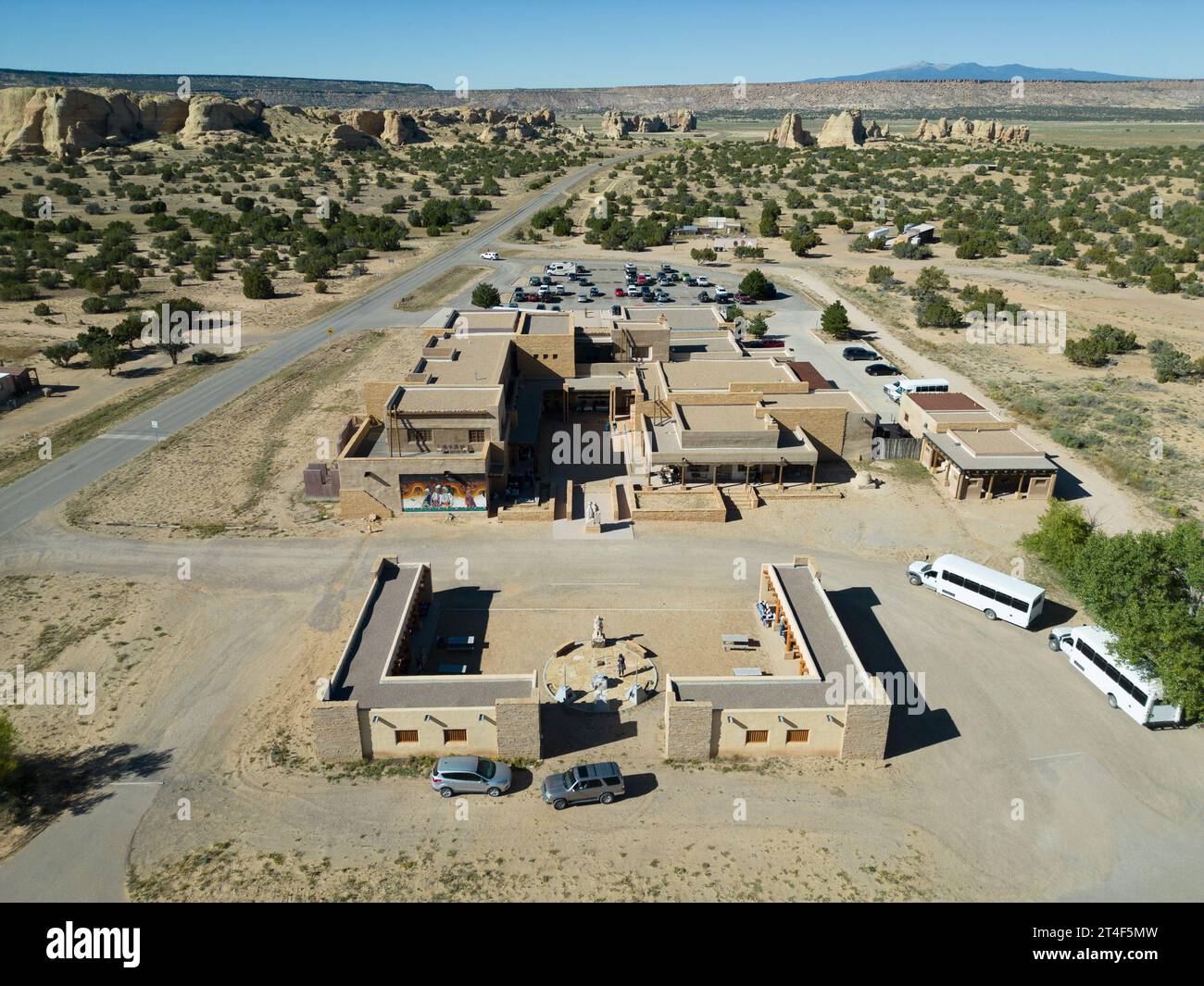
Visiting a Native American reservation visitor center offers numerous benefits, providing a deeper understanding of the diverse cultures and histories of indigenous peoples. It’s an opportunity to learn directly from the source, gain insights into contemporary tribal issues, and support the economic development of Native American communities.
- Cultural Immersion: Experience Native American culture firsthand through exhibits, demonstrations, and storytelling.
- Historical Perspective: Learn about the complex history of Native American tribes and their interactions with the U.S. government.
- Support Tribal Communities: Contribute to the economic well-being of Native American communities through tourism and purchases of local crafts.
- Educational Opportunity: Expand your knowledge of Native American culture and history.
- Respectful Engagement: Engage with Native American culture in a respectful and meaningful way.
Planning Your Visit: What to Expect
Before visiting a Native American reservation visitor center, it’s essential to do some planning to ensure a respectful and enriching experience. Research the specific tribe you plan to visit, learn about their customs and traditions, and be aware of any rules or regulations that may be in place.
- Tribal Information: Research the specific tribe you plan to visit, including their history, culture, and current events.
- Visitor Center Hours: Check the visitor center’s hours of operation and any admission fees.
- Cultural Sensitivity: Learn about the tribe’s customs and traditions and be respectful of their beliefs and practices.
- Dress Code: Dress modestly and avoid wearing clothing with offensive or disrespectful imagery.
- Photography: Ask permission before taking photos, especially of people or sacred sites.
Native American reservation visitor centers offer a variety of exhibits, programs, and activities designed to engage and educate visitors. You can expect to see artifacts, artwork, historical documents, and multimedia presentations. Many centers also offer guided tours, cultural demonstrations, and opportunities to interact with tribal members.
- Exhibits: Explore exhibits showcasing the tribe’s history, culture, and traditions.
- Artifacts: View artifacts that provide insights into the tribe’s past.
- Artwork: Admire the beauty and skill of Native American artists.
- Cultural Demonstrations: Witness traditional dances, music performances, and craft demonstrations.
- Guided Tours: Take a guided tour of the reservation and learn about its history and landmarks.
Common Questions About Visiting Reservations (People Also Ask)
1. Is it okay to visit a Native American reservation?
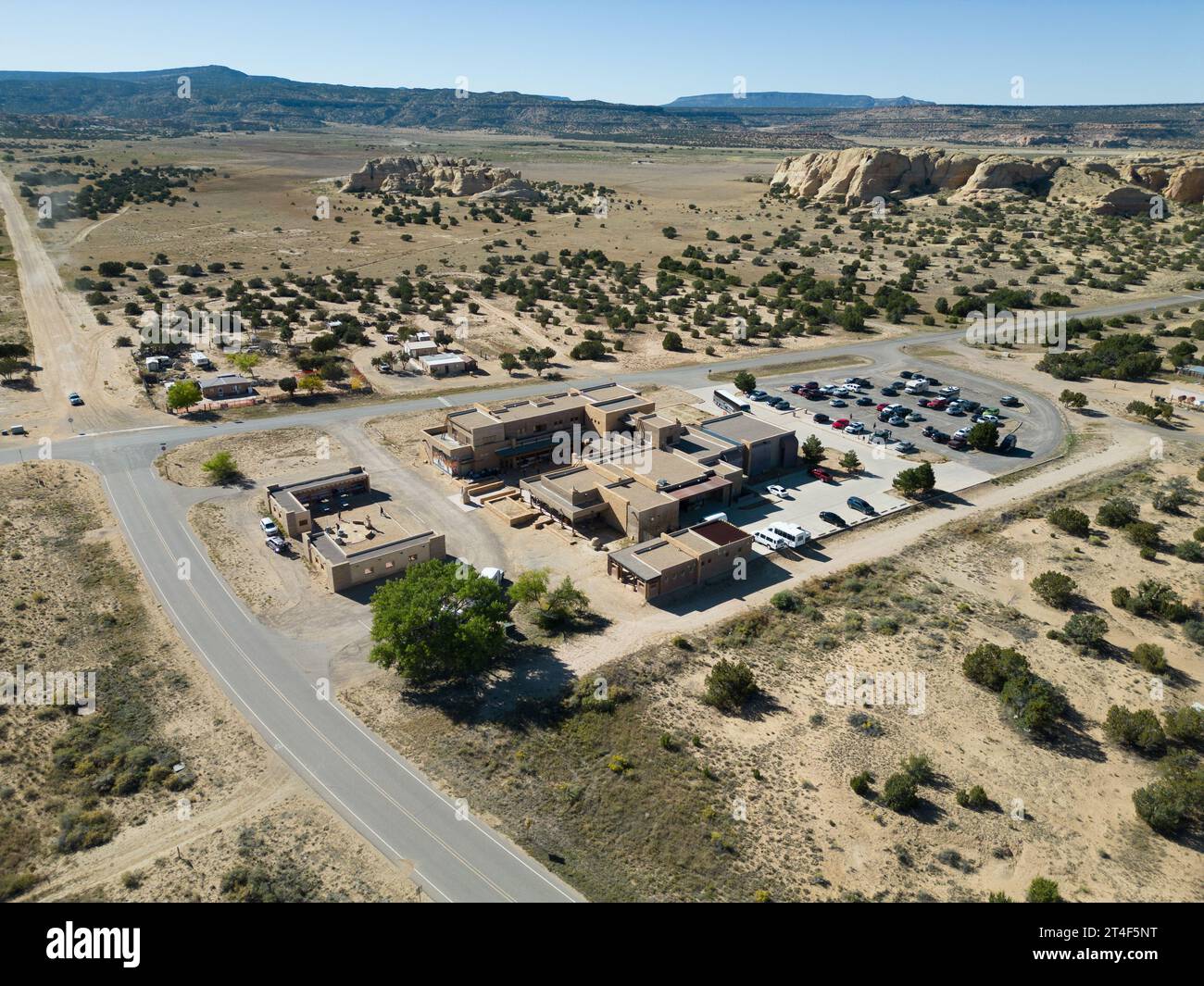
Yes, it is generally okay to visit a Native American reservation, but it’s crucial to do so respectfully and with an understanding of tribal customs and regulations. Reservations are sovereign lands, and visitors should treat them with the same respect they would afford any foreign country. Always check with the tribal government or visitor center for specific guidelines and rules.
2. What should I not do on a reservation?
- Trespassing: Do not enter private property or restricted areas without permission.
- Photography: Avoid taking photos of people or sacred sites without asking permission first.
- Alcohol and Drugs: Be aware of tribal laws regarding alcohol and drug use, which may be stricter than state laws.
- Disrespectful Behavior: Avoid making offensive or disrespectful comments or gestures.
- Littering: Dispose of trash properly and respect the environment.
3. How can I be respectful when visiting a reservation?
- Learn About the Tribe: Research the tribe’s history, culture, and traditions before your visit.
- Follow Tribal Laws: Adhere to all tribal laws and regulations.
- Ask Permission: Always ask permission before taking photos or videos.
- Support Local Businesses: Purchase goods and services from Native American-owned businesses.
- Listen and Learn: Be open to learning from tribal members and listening to their stories.
4. Are there any restrictions on visiting certain areas of a reservation?
Yes, there may be restrictions on visiting certain areas of a reservation. Some areas may be sacred sites, private property, or restricted for environmental reasons. Always check with the tribal government or visitor center for information on restricted areas and obtain any necessary permits or permissions before entering.
5. What types of activities are available on Native American reservations?
- Cultural Tours: Guided tours of historical sites, museums, and cultural centers.
- Outdoor Recreation: Hiking, fishing, hunting, and camping in scenic areas.
- Powwows and Festivals: Attending traditional Native American celebrations and events.
- Gaming and Entertainment: Visiting casinos and entertainment venues.
- Arts and Crafts: Purchasing authentic Native American arts and crafts.
Examples of Notable Visitor Centers
Navajo Nation Museum and Visitor Center (Window Rock, Arizona)
The Navajo Nation Museum and Visitor Center offers a comprehensive overview of Navajo history, culture, and art. Exhibits feature traditional Navajo weaving, jewelry, and pottery, as well as historical artifacts and photographs. The center also hosts cultural demonstrations, lectures, and workshops.
Mashantucket Pequot Museum and Research Center (Mashantucket, Connecticut)
The Mashantucket Pequot Museum and Research Center is one of the largest and most comprehensive Native American museums in the world. The museum tells the story of the Mashantucket Pequot Tribe and other Native American cultures through interactive exhibits, historical artifacts, and multimedia presentations.
Cherokee Heritage Center (Tahlequah, Oklahoma)
The Cherokee Heritage Center is dedicated to preserving and promoting the history and culture of the Cherokee Nation. The center features a reconstructed ancient Cherokee village, a museum with exhibits on Cherokee history and art, and a genealogy center for those interested in tracing their Cherokee ancestry.
Tips for a Respectful and Enriching Visit
- Do Your Research: Learn about the tribe’s history, culture, and traditions before your visit.
- Be Respectful: Treat tribal members, their culture, and their land with respect.
- Ask Permission: Always ask permission before taking photos or videos.
- Support Local Businesses: Purchase goods and services from Native American-owned businesses.
- Listen and Learn: Be open to learning from tribal members and listening to their stories.
- Follow Tribal Laws: Adhere to all tribal laws and regulations.
- Be Mindful of Your Impact: Respect the environment and avoid littering or damaging natural resources.
The Future of Native American Reservation Visitor Centers
Native American reservation visitor centers play a crucial role in preserving and promoting Native American culture, educating the public, and supporting tribal economies. As tourism to Native American reservations continues to grow, these centers will become even more important in providing accurate information, fostering understanding, and ensuring that visitors engage with Native American culture in a respectful and meaningful way.
The future of these centers will likely involve increased use of technology, such as interactive exhibits and virtual tours, to enhance the visitor experience. They will also continue to serve as vital community hubs, providing resources and support for tribal members and promoting cultural pride.
Conclusion
Visiting Native American reservation visitor centers offers a unique and enriching opportunity to learn about the history, culture, and contemporary lives of indigenous peoples. By planning your visit carefully, being respectful of tribal customs, and supporting local businesses, you can contribute to the economic well-being of Native American communities and gain a deeper understanding of the diverse cultures that make up the United States. Remember to always approach your visit with an open mind and a willingness to learn, and you will be rewarded with an unforgettable experience.
By understanding the role and significance of these centers, travelers can engage in responsible tourism, contributing to the preservation of Native American heritage and fostering meaningful connections with tribal communities. So, plan your visit, explore the rich tapestry of Native American culture, and embark on a journey of discovery and respect.


