
Echoes of the Earth: Native American Perspectives on Nature
In a world increasingly grappling with environmental crises, from climate change to biodiversity loss, humanity finds itself at a critical juncture. The dominant Western paradigm, often characterized by anthropocentrism and the commodification of natural resources, is being re-evaluated. Amidst this introspection, the ancient wisdom of Indigenous peoples, particularly Native Americans, offers a profound and urgently needed alternative – a worldview rooted in an unparalleled reverence for nature, not as a separate entity to be exploited, but as an intrinsic part of a sacred, interconnected web of life.
For millennia, Native American tribes across the North American continent developed diverse cultures, languages, and spiritual practices, yet a common thread wove through them all: an intimate, reciprocal relationship with the land. This relationship transcends mere utilitarianism; it is spiritual, familial, and deeply moral. As Luther Standing Bear, an Oglala Lakota chief, articulated, "The old people came literally to love the soil. They sat on the ground with an awareness of being close to a mothering power. It was good for the skin to touch the earth, and the old people liked to remove their moccasins and walk with bare feet on the sacred earth… The soil was soothing, strengthening, cleansing, and healing." This sentiment encapsulates the foundational belief that the Earth is not merely a resource, but a living, breathing being – a sacred mother, grandmother, or relative.
At the heart of this perspective lies the concept of "all my relations" (Mitakuye Oyasin in Lakota), a powerful invocation acknowledging the profound interconnectedness of all existence. It extends kinship not only to fellow humans but to animals, plants, rocks, rivers, mountains, and even the wind and sky. Every element of the natural world is seen as possessing spirit and purpose, deserving of respect and gratitude. This holistic view stands in stark contrast to the Cartesian dualism that often separates humanity from nature, positing humans as masters over the natural world. For Native Americans, there is no separation; humanity is merely one strand in the intricate web of life, not its weaver.
This understanding translates into a profound ethic of stewardship, not ownership. The idea of "owning" land was, and in many ways remains, an alien concept. Instead, communities viewed themselves as caretakers, entrusted with the responsibility to protect and sustain the land for future generations. This long-term perspective is a cornerstone of traditional ecological knowledge (TEK). TEK is a cumulative body of knowledge, practice, and belief, evolving by adaptive processes and handed down through generations by cultural transmission, about the relationship of living beings (including humans) with one another and with their environment.
One compelling example of TEK is the sophisticated agricultural practices developed by various tribes. The "Three Sisters" planting method – corn, beans, and squash grown together – is a testament to this understanding. Corn provides a stalk for beans to climb, beans fix nitrogen in the soil, and squash leaves shade the ground, retaining moisture and deterring weeds and pests. This symbiotic relationship exemplifies a deep observational knowledge of ecosystems, maximizing yields while enhancing soil health, a truly sustainable approach that predates modern permaculture by centuries.
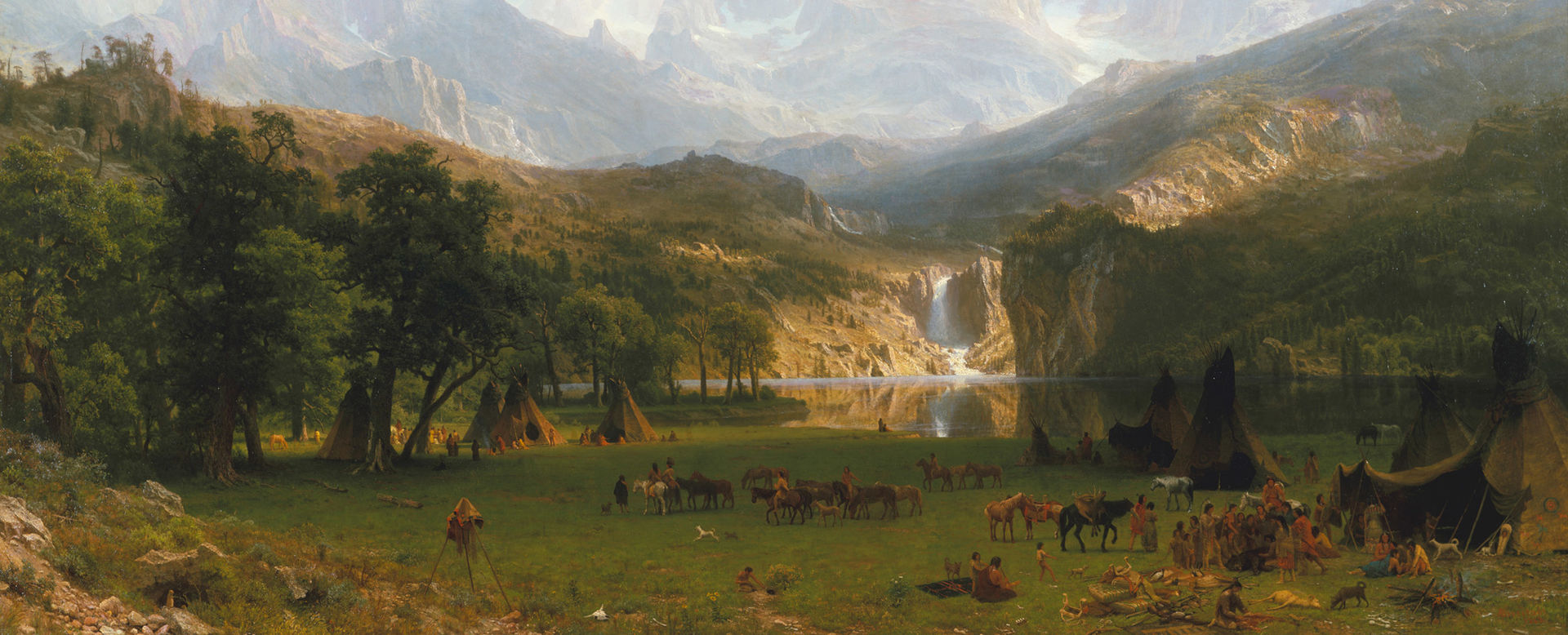
Similarly, traditional hunting practices were governed by strict protocols of respect and reciprocity. When an animal was hunted, it was done with prayer and gratitude, acknowledging the animal’s sacrifice to sustain the community. Every part of the animal was utilized, minimizing waste, and care was taken to ensure the sustainability of the population. The buffalo, for instance, was central to many Plains tribes. Their entire way of life revolved around this majestic creature, and their hunting practices were designed to maintain healthy herds, recognizing their role not just as food, but as spiritual kin.
The sacredness of the land extends to specific sites, which are often considered spiritual power centers, places of ceremony, healing, or historical significance. Mountains, rivers, caves, and specific rock formations can hold immense spiritual value, serving as places of pilgrimage, vision quests, or communal ritual. The Black Hills (Paha Sapa) are sacred to the Lakota, the Bear Ears region is sacred to a coalition of five tribes, and Mount Shasta is sacred to the Wintu. The protection of these sites is not merely about preserving historical landmarks; it is about preserving living connections to ancestral spirits, cultural identity, and spiritual well-being.
The arrival of European colonizers shattered this delicate balance. The concept of private land ownership, resource extraction for profit, and the view of nature as something to be conquered and controlled directly clashed with Indigenous worldviews. Treaties were broken, lands were seized, and Native peoples were forcibly removed from their ancestral territories, severing their deep spiritual and physical connections to the land. This disruption led to immense suffering, the loss of cultural practices, and widespread environmental degradation as traditional stewardship was replaced by exploitation.
Despite centuries of oppression and attempts at assimilation, Native American perspectives on nature have endured and are experiencing a powerful resurgence. Today, Indigenous communities are at the forefront of environmental justice movements, often bearing the brunt of pollution and climate change impacts. From the Standing Rock Sioux’s fight against the Dakota Access Pipeline to countless battles against mining, logging, and oil drilling on or near their lands, Native Americans continue to defend the Earth, drawing strength from their ancestral teachings.
Winona LaDuke, an Anishinaabemowin activist, eloquently articulates this modern struggle: "Water is life. The Creator gave us water. We are here to protect it. Our people have always understood the sacredness of water and the need to protect it." This sentiment reflects a continuity of values, adapting to contemporary threats while rooted in ancient wisdom. Indigenous knowledge systems, once dismissed as primitive, are now increasingly recognized by scientists and policymakers as vital tools for understanding and addressing complex environmental challenges, from climate adaptation to sustainable resource management. The United Nations estimates that Indigenous peoples comprise less than 5% of the world’s population, yet they protect 80% of global biodiversity, often residing in regions critical for ecological health.
The lessons embedded in Native American perspectives on nature are not just for Indigenous peoples; they are for all humanity. They offer a blueprint for a more sustainable, equitable, and spiritually fulfilling relationship with the natural world. Learning from these perspectives means shifting away from an extractive mindset towards one of reciprocity and respect. It means understanding that true prosperity is not measured by accumulation but by the health and vitality of the entire ecosystem. It means recognizing that the well-being of the Earth is inextricably linked to our own.
As we face an uncertain environmental future, the echoes of ancient wisdom from Native American voices resonate with renewed urgency. They call us to listen to the Earth, to honor its sacredness, and to remember that we are not separate from nature, but an integral part of its grand, interconnected design. By embracing these profound perspectives, humanity might yet find a path toward healing both the planet and ourselves, fostering a future where all relations can thrive.


