Embarking on a Native American history tour on a reservation offers a profound and unparalleled opportunity to connect with the rich tapestry of Indigenous cultures, histories, and contemporary life. Far more than just a sightseeing trip, these tours provide authentic, direct experiences guided by the very people whose ancestors have stewarded these lands for millennia.
This comprehensive guide will illuminate the significance of these journeys, outline what you can expect, and provide essential tips for respectful and enriching engagement, ensuring your visit is both memorable and meaningful.
Why Choose a Native American History Tour on a Reservation?
Opting for a tour directly on a Native American reservation provides an authenticity that cannot be replicated elsewhere. It’s an immersive dive into living cultures, not merely a passive observation of historical artifacts in a museum.
Direct Cultural Exchange: These tours facilitate direct interaction with tribal members, including elders, artists, and storytellers. This personal connection allows for a deeper understanding of their perspectives, traditions, and contemporary challenges.
Supporting Tribal Economies: By participating in reservation-based tourism, you directly contribute to the economic well-being of the Native American communities. This support is vital for cultural preservation, education, and community development, fostering self-sufficiency and sovereignty.
Authentic Narratives: Hear history told from an Indigenous viewpoint, offering crucial counter-narratives to colonial interpretations. This direct storytelling provides invaluable insights into historical events, spiritual beliefs, and the enduring resilience of Native peoples.
Understanding the Nuances: Respect and Protocol
Visiting a Native American reservation is an exercise in cultural respect. Each nation is a sovereign entity with its own distinct customs, laws, and protocols. Approaching your visit with an open mind and a respectful demeanor is paramount.
Adhere to Guidelines: Always follow the instructions of your guides and tribal hosts. This includes rules regarding photography, access to certain sacred sites, and interaction with community members. When in doubt, always ask permission.
Photography Etiquette: Photography may be restricted in certain areas or when photographing individuals. Always ask for permission before taking pictures, especially of people, ceremonies, or sensitive sites. Respect a ‘no’ with grace.
Dress Modestly: While not always explicitly required, dressing modestly is often a sign of respect, particularly when visiting sacred sites or participating in cultural events.
What to Expect on a Reservation Tour
Tours vary widely depending on the tribe and region, but many offer a blend of historical education, cultural immersion, and interaction with the natural environment.
- Guided Historical Sites: Explore ancient pueblos, cliff dwellings, petroglyphs, battlefields, and ancestral lands with tribal members who can share the deep historical significance of these locations.
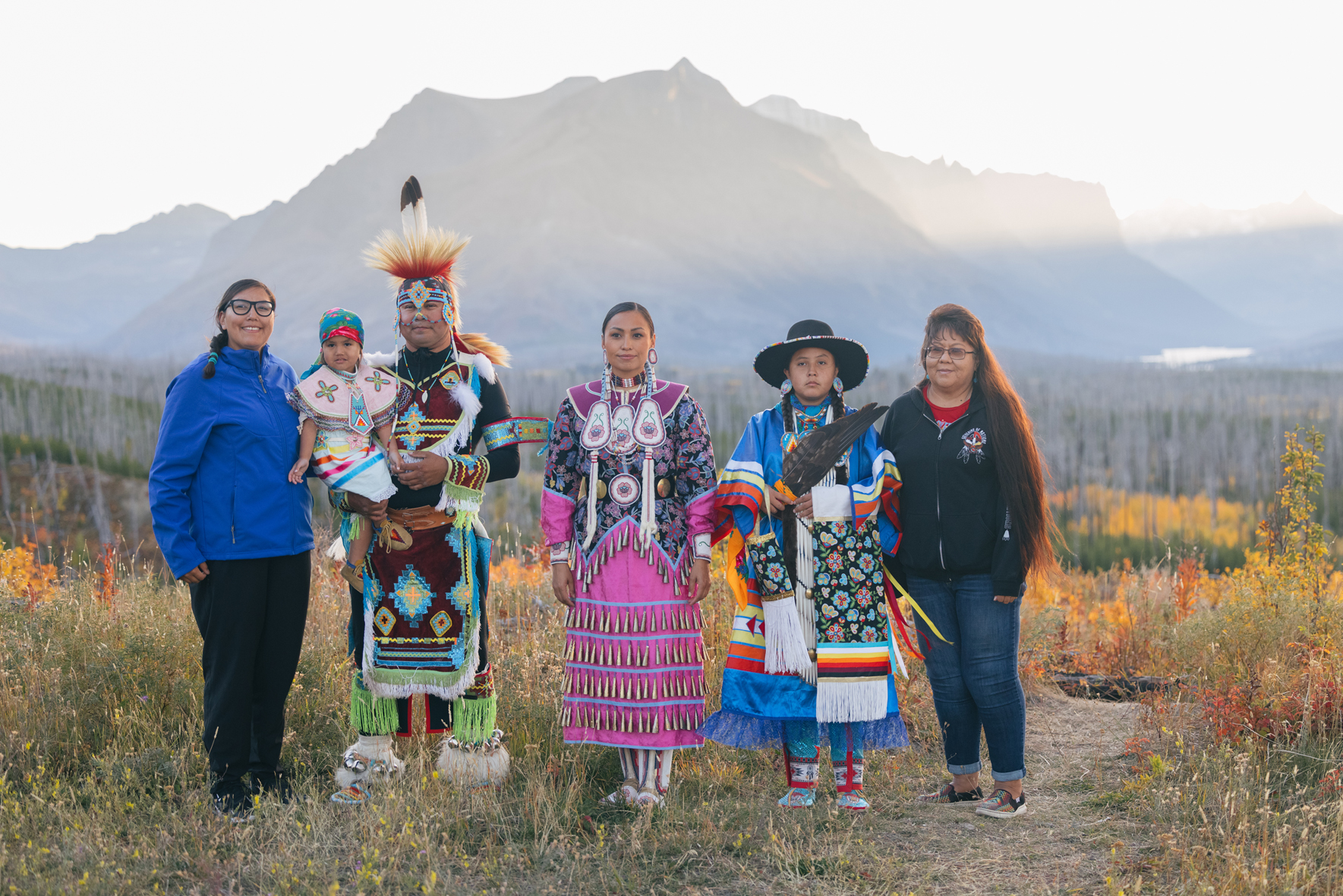
- Cultural Demonstrations: Witness traditional dances, music performances, craft demonstrations (e.g., pottery, weaving, jewelry making), and learn about their symbolic meanings.
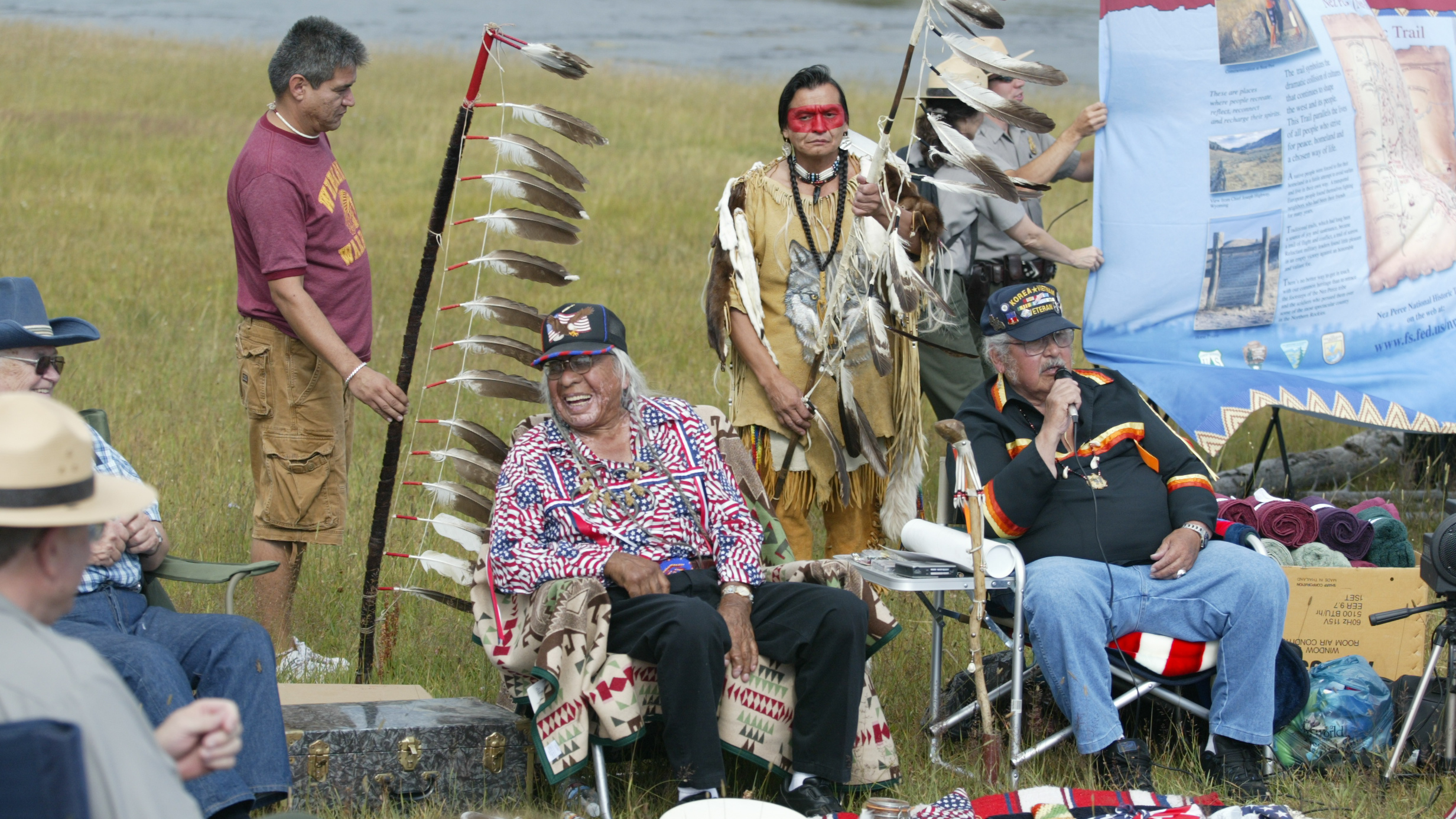
- Storytelling and Oral Histories: Participate in storytelling sessions, a cornerstone of Indigenous education and cultural transmission, often led by elders.
- Traditional Food Experiences: Sample traditional foods, often prepared with locally sourced ingredients, offering a taste of the region’s culinary heritage.
- Art Galleries and Museums: Many reservations host cultural centers, museums, and art galleries showcasing tribal art, history, and contemporary expressions.
Key Regions and Notable Reservations for Tours
Native American nations span the entire continent, each offering unique historical and cultural experiences.
The Southwest (Arizona, New Mexico, Utah): Home to nations like the Navajo Nation (the largest in the U.S.), Hopi Tribe, Zuni Pueblo, and Apache tribes. Here, you can explore ancient cliff dwellings, vast desert landscapes, and vibrant art traditions. The Four Corners area is particularly rich in Indigenous history.
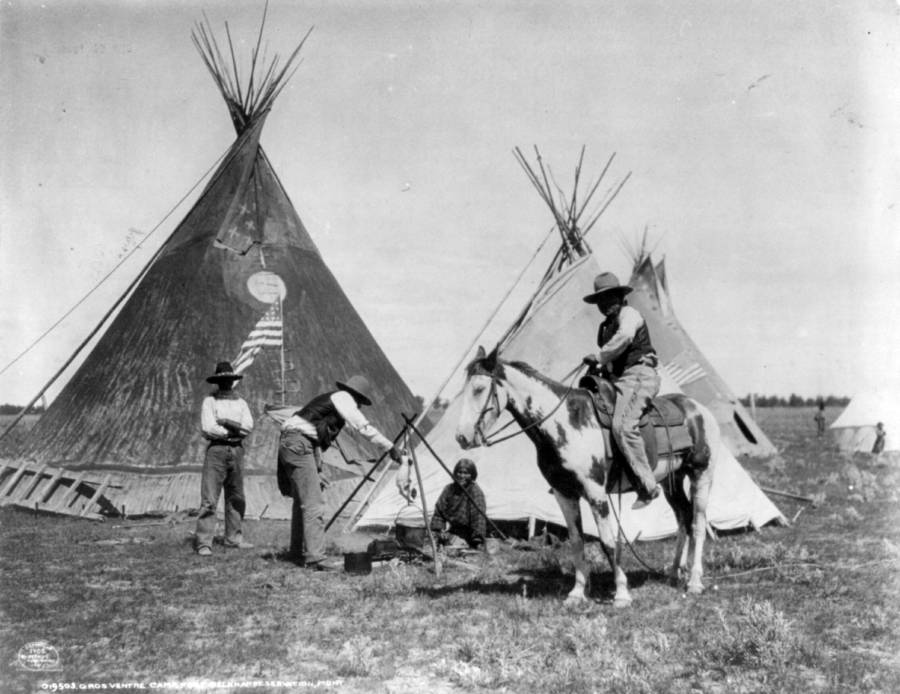
The Plains (Montana, South Dakota, Wyoming): Visit sites significant to the Lakota, Crow, Cheyenne, and other Plains tribes. Experiences might include exploring historic battlefields, learning about buffalo conservation, or participating in traditional tipi camping.
The Pacific Northwest (Washington, Oregon, British Columbia): Coastal Salish, Haida, and other tribes offer insights into maritime cultures, elaborate totem poles, cedar weaving, and sustainable fishing practices.
The Southeast (North Carolina, Oklahoma, Florida): The Eastern Band of Cherokee Indians in North Carolina, the Choctaw Nation in Oklahoma, and the Seminole Tribe of Florida offer tours delving into the Trail of Tears history, mound builder sites, and unique Everglades experiences.
Planning Your Trip: Essential Considerations
Preparation is key to a smooth and respectful journey.
Booking in Advance: Many tours, especially those led by smaller tribal enterprises, require advance booking. Group sizes can be limited, and some experiences are seasonal.
Transportation and Accommodation: Research transportation options to and within the reservation. Accommodation might be available on the reservation (e.g., tribal-owned hotels, campgrounds) or in nearby towns. Always check for availability and book early.
Health and Safety: Be aware of the local climate and terrain. Carry water, wear appropriate clothing and footwear, and be prepared for varying weather conditions. Inform your guide of any health concerns.
Respectful Engagement: Remember you are a guest. Engage with genuine curiosity and respect. Ask thoughtful questions and listen actively.
Supporting Indigenous Tourism Responsibly
Your choices as a traveler have a significant impact. Responsible tourism ensures that the benefits flow directly to the communities.
- Book Directly: Whenever possible, book tours and accommodations directly through tribal enterprises or official reservation tourism offices. This maximizes the economic benefit to the community.
- Purchase Authentic Crafts: Support local artists and artisans by purchasing genuine, handcrafted items directly from them. Be wary of mass-produced imitations.
- Learn Before You Go: Take time to research the specific tribal nation you plan to visit. Understanding their history, cultural norms, and current issues will enhance your experience and demonstrate respect.
- Leave No Trace: Practice Leave No Trace principles, especially when visiting natural or sacred sites. Pack out everything you pack in.
Are Native American reservations open to the public?
Generally, yes, Native American reservations are open to the public, much like any other community. However, specific areas within a reservation, especially residential zones or sacred sites, may be restricted or require special permission or a guided tour. Always check with the specific tribe’s tourism office or website for visitor guidelines.
Is it respectful to visit a reservation?
Absolutely, visiting a reservation can be a deeply respectful act, provided you do so with an open mind, a willingness to learn, and adherence to local customs and rules. It’s an opportunity for cultural exchange and support, rather than an intrusion.
What should I know before visiting a Native American reservation?
Before visiting, familiarize yourself with the specific tribe’s history, culture, and any visitor guidelines. Understand that reservations are sovereign nations with their own laws and governance. Be prepared to respect requests regarding photography, sacred sites, and personal interactions. Researching local events or ceremonies can also enrich your visit, but always confirm public access.
How can I support Native American communities through tourism?
Support comes in many forms: choosing tribal-owned businesses for tours, accommodations, and dining; purchasing authentic arts and crafts directly from artists; respecting cultural protocols; and educating yourself and others about Indigenous cultures and issues. Your presence, when respectful, also helps to foster understanding and appreciation.
What are some of the best Native American historical sites to visit?
While ‘best’ is subjective, highly recommended sites include Mesa Verde National Park (Ancestral Puebloan cliff dwellings), Canyon de Chelly National Monument (Navajo Nation), Chaco Culture National Historical Park (Ancestral Puebloan), Taos Pueblo (New Mexico), and the Wounded Knee Battlefield (Pine Ridge Reservation). Many reservations also have unique, lesser-known sites that offer intimate historical insights.
Conclusion
A journey to a Native American reservation is more than just a tour; it’s an educational and spiritual pilgrimage. It offers an invaluable chance to step away from conventional narratives and engage directly with the living histories and vibrant cultures of Indigenous peoples. By traveling respectfully and responsibly, you not only gain incredible insights but also contribute meaningfully to the preservation and thriving of these ancient, yet ever-evolving, communities. Embrace the opportunity to listen, learn, and connect, and you will carry home stories and lessons that will last a lifetime.
These experiences foster a deeper appreciation for the diversity of human experience and the enduring spirit of Native American nations, encouraging visitors to become allies in their ongoing efforts for self-determination and cultural revitalization.


