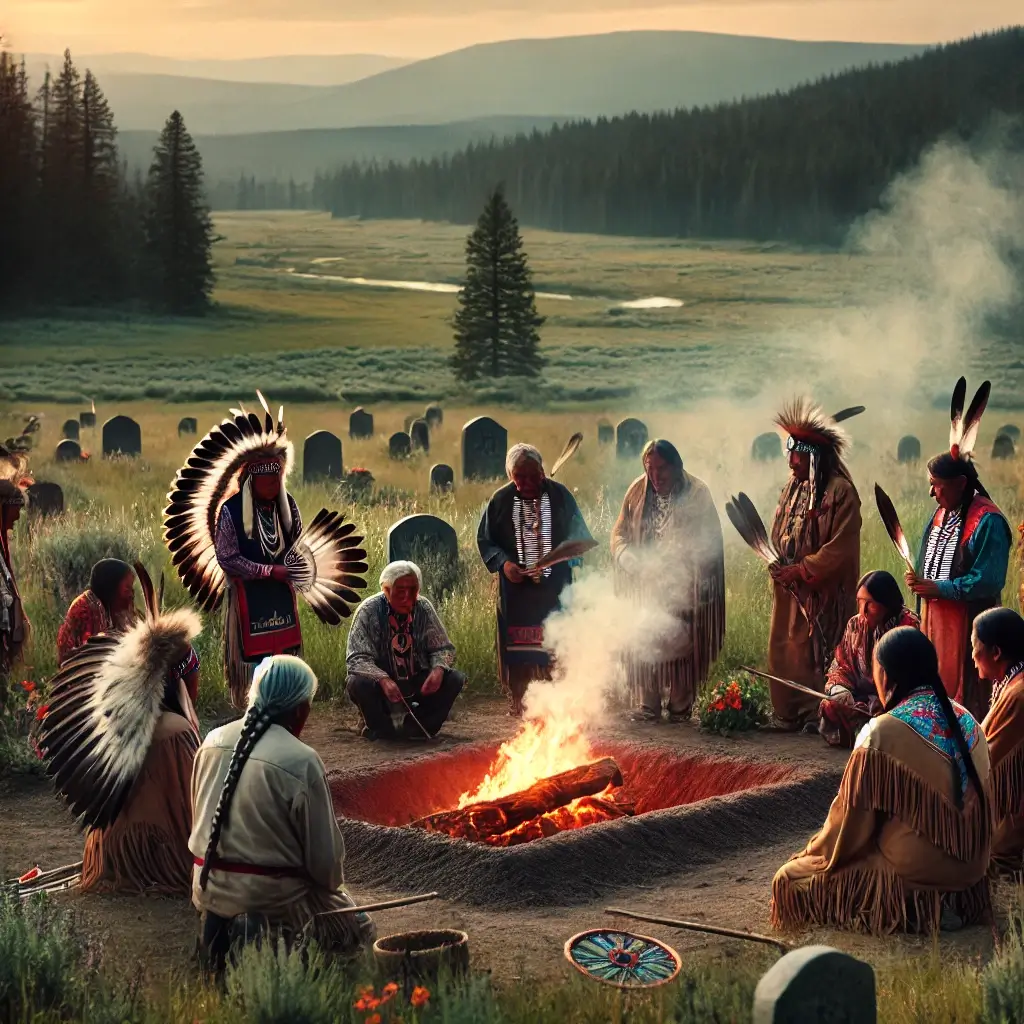

Native American ceremonies represent a vibrant tapestry of spiritual beliefs, cultural practices, and community bonds that have endured for millennia. Far from static relics of the past, these sacred gatherings are living traditions, continuously evolving yet deeply rooted in ancestral wisdom. On reservations across North America, these ceremonies serve as vital anchors for tribal identity, health, and connection to the land and the spirit world.
For centuries, these traditions faced relentless pressures of assimilation, suppression, and outright prohibition. Colonial policies, including the forced conversion to Christianity and the establishment of boarding schools, actively sought to eradicate Indigenous spiritual practices. Despite these profound challenges, Native peoples demonstrated incredible resilience, often practicing their ceremonies in secret or adapting them to survive.
The establishment of reservations, while often a consequence of land dispossession, paradoxically became a critical space for the preservation and revitalization of these cultural practices. Within these sovereign territories, tribes have maintained the autonomy to safeguard and perpetuate their spiritual heritage, free from external interference, though challenges persist.
At their core, Native American ceremonies are not merely performances; they are profound acts of prayer, thanksgiving, healing, and community building. They are often cyclical, aligning with seasons, harvests, life stages, and celestial events, reflecting a deep respect for the natural world and its rhythms.
One of the most widely recognized, though often misunderstood, ceremonial practices is the Sweat Lodge. Found in various forms across many tribes, the Sweat Lodge is a purification ceremony. Participants enter a dome-shaped lodge, often covered with blankets or hides, where water is poured over heated stones, creating steam. This ritual is used for prayer, healing, cleansing, and spiritual renewal.
The Sun Dance, primarily practiced by Plains tribes, is another powerful and sacred ceremony. Historically, it was a central annual event, a time for prayer, sacrifice, and renewal of the community and the earth. While specific practices vary by tribe, common themes include fasting, dancing, and making offerings. It is a testament to endurance and spiritual devotion, often lasting several days.
In the Pacific Northwest, the Potlatch holds immense cultural significance. More than just a feast, the Potlatch is a complex ceremonial gathering where hosts distribute wealth, demonstrate status, and validate social and political structures through elaborate gift-giving, feasting, and artistic performances. It reinforces kinship ties and cultural values.
Many tribes also observe Green Corn Ceremonies, particularly among Southeastern Indigenous peoples like the Cherokee, Creek, and Seminole. These harvest festivals celebrate the ripening of the corn and signify a time of renewal, forgiveness, and community solidarity, often involving fasting, purification, dancing, and feasting.
Vision Quests are deeply personal spiritual journeys, often undertaken by individuals seeking guidance, spiritual power, or a deeper connection to the Creator. Typically involving solitude, fasting, and prayer in a remote natural setting, these quests are a profound rite of passage for many, particularly youth transitioning into adulthood.
Common elements woven into many Native American ceremonies include song, dance, storytelling, and the use of sacred objects. Songs are not merely entertainment; they are prayers, histories, and direct communications with the spirit world. Dances are often imbued with specific meanings, mimicking animals, celestial bodies, or conveying narratives.
Storytelling, both formal and informal, is a critical component, transmitting tribal histories, moral lessons, and spiritual teachings across generations. Sacred objects, such as pipes, drums, rattles, and specific regalia, are often central to ceremonial practices, imbued with spiritual significance and handled with great reverence.
The spiritual leaders, elders, and medicine people play an indispensable role in safeguarding and guiding these ceremonies. They are the carriers of ancestral knowledge, fluent in the sacred languages, songs, and protocols that ensure the ceremonies are conducted with integrity and respect for tradition.
Reservations provide the physical and legal space for these traditions to flourish. Tribal sovereignty allows Indigenous nations to determine their own cultural and religious practices, free from external governmental or religious interference. This autonomy is crucial for cultural survival and revitalization.
However, the preservation of these traditions is not without its challenges. The impacts of historical trauma, economic disparities, and the ongoing pressures of modern society continue to affect Indigenous communities. Language loss, in particular, poses a significant threat, as many ceremonial songs and prayers are deeply embedded in ancestral languages.
Many ceremonies are private and closed to outsiders, intended only for tribal members or initiated individuals. This exclusivity is often misunderstood but is rooted in the sacredness of the practices and the need to protect sensitive spiritual knowledge from misrepresentation or appropriation.


For those interested in learning about Native American cultures, it is crucial to approach with respect and humility. Attending public events like powwows, which are intertribal gatherings of dance, song, and celebration, can offer a glimpse into the richness of Indigenous cultures in an appropriate setting.
However, directly asking to attend sacred ceremonies on reservations is generally considered inappropriate. Instead, seek out reputable sources of information, support Indigenous artists and cultural initiatives, and listen to the voices of Native peoples themselves. Always prioritize respectful engagement and avoid cultural appropriation.
The American Indian Religious Freedom Act (AIRFA) of 1978, and its 1994 amendments, were pivotal in protecting the rights of Native Americans to practice their traditional religions. These acts affirm the inherent right to freedom of religion and seek to protect access to sacred sites, ceremonial objects, and traditional practices.
These legal protections are essential, yet the fight for religious freedom and cultural preservation continues. Issues such as the protection of sacred sites from development, the repatriation of ancestral remains and sacred objects, and the right to use traditional medicines remain ongoing concerns for many tribes.
The ceremonies performed on reservations today are a living testament to the resilience, adaptability, and profound spiritual depth of Native American peoples. They are not relics but dynamic expressions of identity, community, and an enduring connection to the land and ancestral ways.
Through these sacred practices, individuals and communities find healing, purpose, and a renewed sense of belonging. They reinforce social structures, impart moral values, and ensure the continuity of cultural knowledge essential for future generations.
In conclusion, Native American ceremonies on reservations are far more than historical curiosities; they are vibrant, essential components of Indigenous life. They embody centuries of spiritual wisdom, cultural identity, and unwavering resilience. Understanding and respecting these practices is fundamental to appreciating the rich and diverse heritage of Native America.
The commitment to preserving these traditions on sacred grounds ensures that the spiritual heartbeat of Indigenous nations continues to resonate, strong and true, for all time.
Embracing the profound significance of these ceremonies allows us to better comprehend the intricate relationship between people, land, and spirit that defines Indigenous cultures and offers valuable lessons for all humanity.


