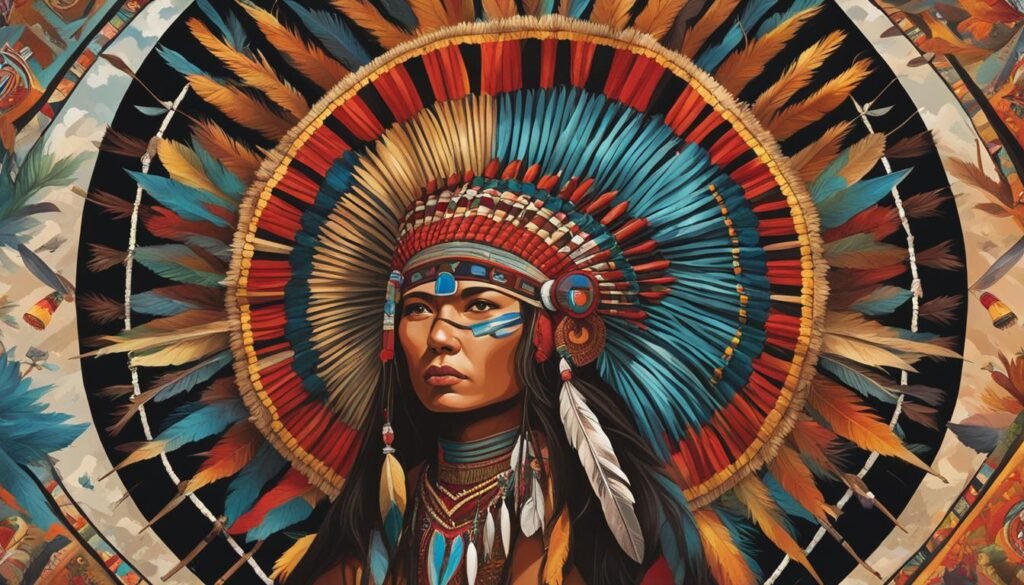
Native American art is a powerful expression of cultural heritage, history, and identity. For generations, artists from reservations have played a vital role in preserving traditions while simultaneously pushing the boundaries of contemporary art. This article explores the diverse talents and contributions of Native American artists, highlighting their unique perspectives and the stories behind their creations. From intricate beadwork to stunning paintings and sculptures, we’ll delve into the rich tapestry of Native American art.
The Significance of Art in Native American Culture
Art has always been integral to Native American life. It’s not merely decorative; it’s a means of storytelling, preserving history, and connecting with the spiritual world. Traditional art forms often incorporate natural materials and reflect a deep respect for the environment. Contemporary Native American artists build upon these traditions, using their art to address social issues, celebrate their heritage, and challenge stereotypes.
Challenges Faced by Artists on Reservations
Despite their immense talent, Native American artists from reservations often face significant challenges. Limited access to resources, including art supplies, training, and markets, can hinder their artistic development and professional success. Economic disparities on reservations can also make it difficult for artists to pursue their craft full-time. Additionally, cultural appropriation and misrepresentation of Native American art can undermine their work and perpetuate harmful stereotypes.
Spotlight on Influential Native American Artists
1. Fritz Scholder (Luiseño)
Fritz Scholder, a Luiseño artist, revolutionized Native American art with his bold and often controversial paintings. He challenged stereotypical representations of Native Americans, depicting them in a modern and complex light. His work paved the way for future generations of Native artists to explore their identities and experiences without constraint.
2. T.C. Cannon (Kiowa/Caddo)
T.C. Cannon was a Kiowa/Caddo painter and musician known for his vibrant and expressive artwork. His paintings often blended traditional Native American imagery with contemporary themes, reflecting his unique perspective as a Native American man living in a rapidly changing world. His untimely death cut short a promising career, but his legacy continues to inspire artists today.
3. Jaune Quick-to-See Smith (Confederated Salish and Kootenai Tribes)
Jaune Quick-to-See Smith is a renowned painter, printmaker, and activist. Her work addresses issues of environmental degradation, social justice, and cultural identity. Through her art, she challenges viewers to confront the historical and contemporary realities of Native American life.
4. Roxanne Swentzell (Santa Clara Pueblo)
Roxanne Swentzell is a Santa Clara Pueblo sculptor who creates expressive clay figures that represent the human form and spirit. Her work explores themes of motherhood, community, and the connection to the earth. She is also an advocate for sustainable living and the preservation of traditional Pueblo culture.
5. Rose B. Simpson (Santa Clara Pueblo)
Rose B. Simpson, also from Santa Clara Pueblo, is a multi-disciplinary artist working in ceramics, sculpture, and performance. Her powerful and thought-provoking art explores themes of trauma, healing, and cultural identity. She often uses her work to address issues of addiction, violence, and the challenges faced by Native American communities.
Exploring Diverse Art Forms
Painting
Painting is a prominent art form among Native American artists. From traditional ledger art to contemporary abstract expressionism, Native American painters use their canvases to tell stories, express emotions, and challenge perceptions. Many artists incorporate traditional symbols and imagery into their work, while others explore contemporary themes and issues.
Sculpture
Sculpture is another important art form, with artists working in a variety of materials, including clay, wood, stone, and metal. Traditional Native American sculpture often depicts animals, spirits, and ancestral figures. Contemporary sculptors push the boundaries of the medium, creating innovative and thought-provoking works that reflect their unique perspectives.
Beadwork and Quillwork
Beadwork and quillwork are traditional art forms that have been practiced by Native American artists for centuries. These intricate crafts involve embellishing clothing, bags, and other objects with beads or porcupine quills. The designs often have symbolic meanings and reflect the cultural traditions of the artist’s tribe.
Textiles
Weaving and textile art are also significant aspects of Native American artistic expression. From Navajo rugs to Pueblo blankets, Native American weavers create beautiful and functional textiles that are prized for their craftsmanship and artistry. The designs often incorporate geometric patterns and symbolic motifs.
Pottery
Pottery is a long-standing tradition among many Native American tribes, particularly in the Southwest. Artists create beautiful and functional pottery using traditional techniques, often incorporating intricate designs and patterns. The pottery is not only aesthetically pleasing but also serves as a vital part of cultural heritage.
Supporting Native American Artists
Purchase their art directly: Buying art directly from artists ensures that they receive fair compensation for their work.
Visit Native American art markets and festivals: These events provide a platform for artists to showcase their work and connect with buyers.
Support Native American art organizations and museums: These organizations play a vital role in promoting and preserving Native American art.
Educate yourself about Native American art and culture: Learning about the history and significance of Native American art can help you appreciate its value and support its preservation.
Advocate for policies that support Native American artists: Supporting policies that promote economic development and access to resources for Native American communities can help artists thrive.
The Role of Art in Cultural Preservation
Art plays a crucial role in preserving Native American culture. By creating and sharing their art, artists help to keep traditions alive and pass them on to future generations. Art also serves as a powerful tool for cultural revitalization, helping communities reclaim their heritage and strengthen their identities. It also provides a platform for dialogue and understanding, fostering connections between Native American communities and the wider world.
Addressing Common Questions (People Also Ask)
What is Native American art called?
What are some characteristics of Native American art?
Common characteristics include the use of natural materials, symbolic imagery, storytelling, and a deep connection to the environment and spiritual beliefs. The specific characteristics vary depending on the tribe and art form.
How has Native American art changed over time?
Native American art has evolved significantly over time, reflecting the changing social, political, and economic realities of Native American life. While traditional art forms continue to be practiced, contemporary artists are also exploring new mediums, styles, and themes.
Where can I buy authentic Native American art?
It’s essential to purchase Native American art from reputable sources to ensure authenticity and support the artists directly. Look for certified Native American art galleries, visit Native American art markets, or buy directly from artists.
Conclusion
Native American artists from reservations are vital contributors to the art world, preserving cultural traditions while pushing creative boundaries. By supporting their work, we can help ensure that their voices are heard and their stories are told. From painting and sculpture to beadwork and textiles, Native American art offers a rich and diverse tapestry of artistic expression that deserves to be celebrated and appreciated.


