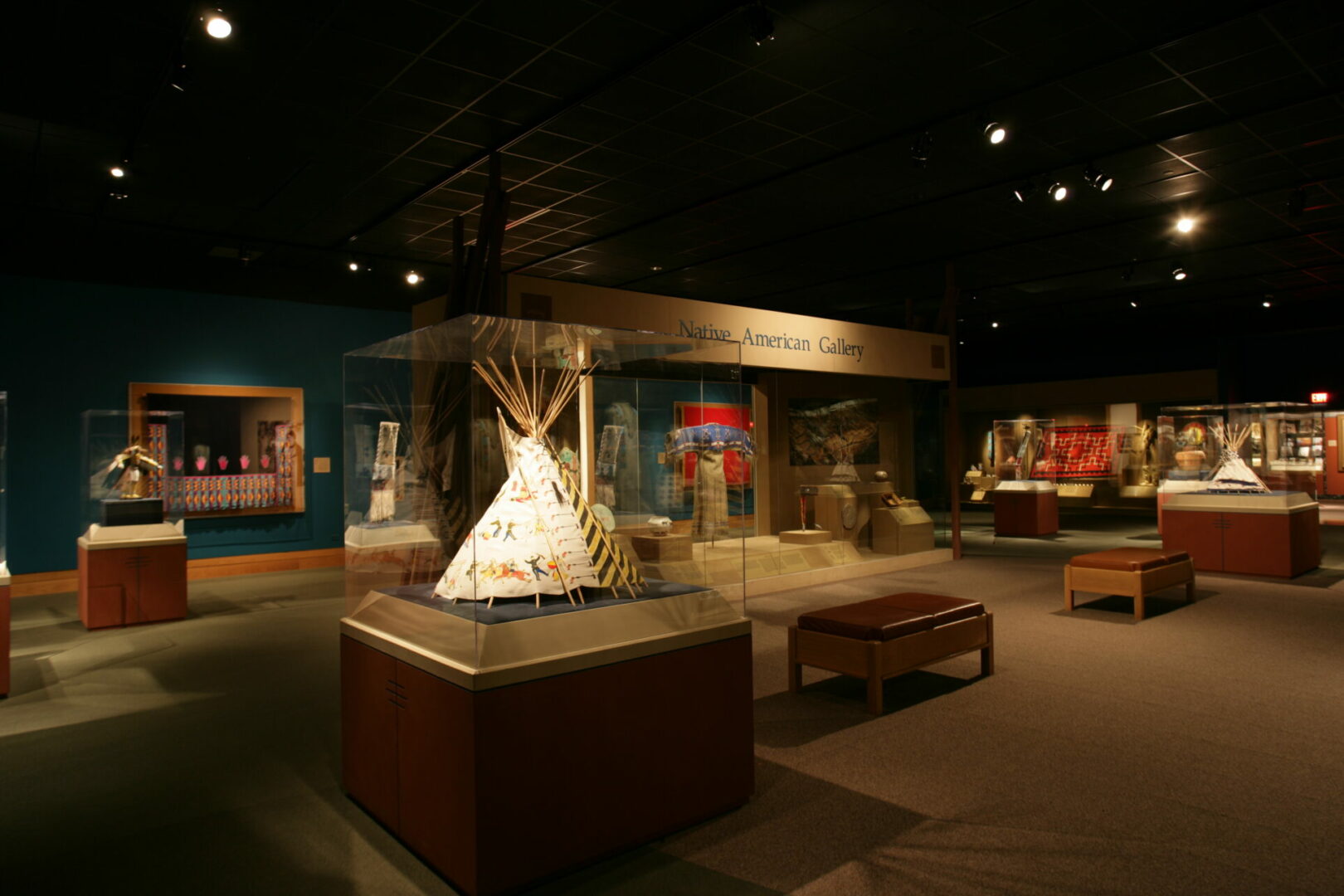

Museums are often seen as repositories of history, art, and culture. While traditional institutions play a crucial role in documenting human civilization, a distinct and profoundly significant category of museums exists within the United States: those located on Native American reservations. These tribal museums are far more than mere exhibition spaces; they are vibrant cultural centers, educational hubs, and powerful statements of self-determination and resilience.
The establishment of museums on tribal lands represents a critical step in reclaiming and controlling the narrative of Indigenous peoples. For centuries, Native American history and culture were often presented through an external lens, frequently perpetuating stereotypes or overlooking vital aspects of their rich heritage. Tribal museums correct this imbalance, offering authentic voices and perspectives from within the communities themselves.
These institutions serve as a testament to the enduring presence, vibrant cultures, and profound contributions of Native American nations. They are fundamental to preserving ancestral knowledge, language, traditions, and sacred objects for future generations, while also educating the broader public about Indigenous experiences.
The Unique Role of Tribal Museums
Unlike many mainstream museums, institutions on Indian reservations are often deeply embedded in the daily life of their communities. Their primary mission extends beyond mere display; it encompasses active cultural revitalization, language preservation, and providing a space for intergenerational learning and storytelling.
Tribal museums frequently host community events, workshops on traditional crafts, language classes, and oral history projects. They are dynamic centers where culture is not just preserved but actively lived and transmitted, ensuring that ancestral wisdom continues to thrive.
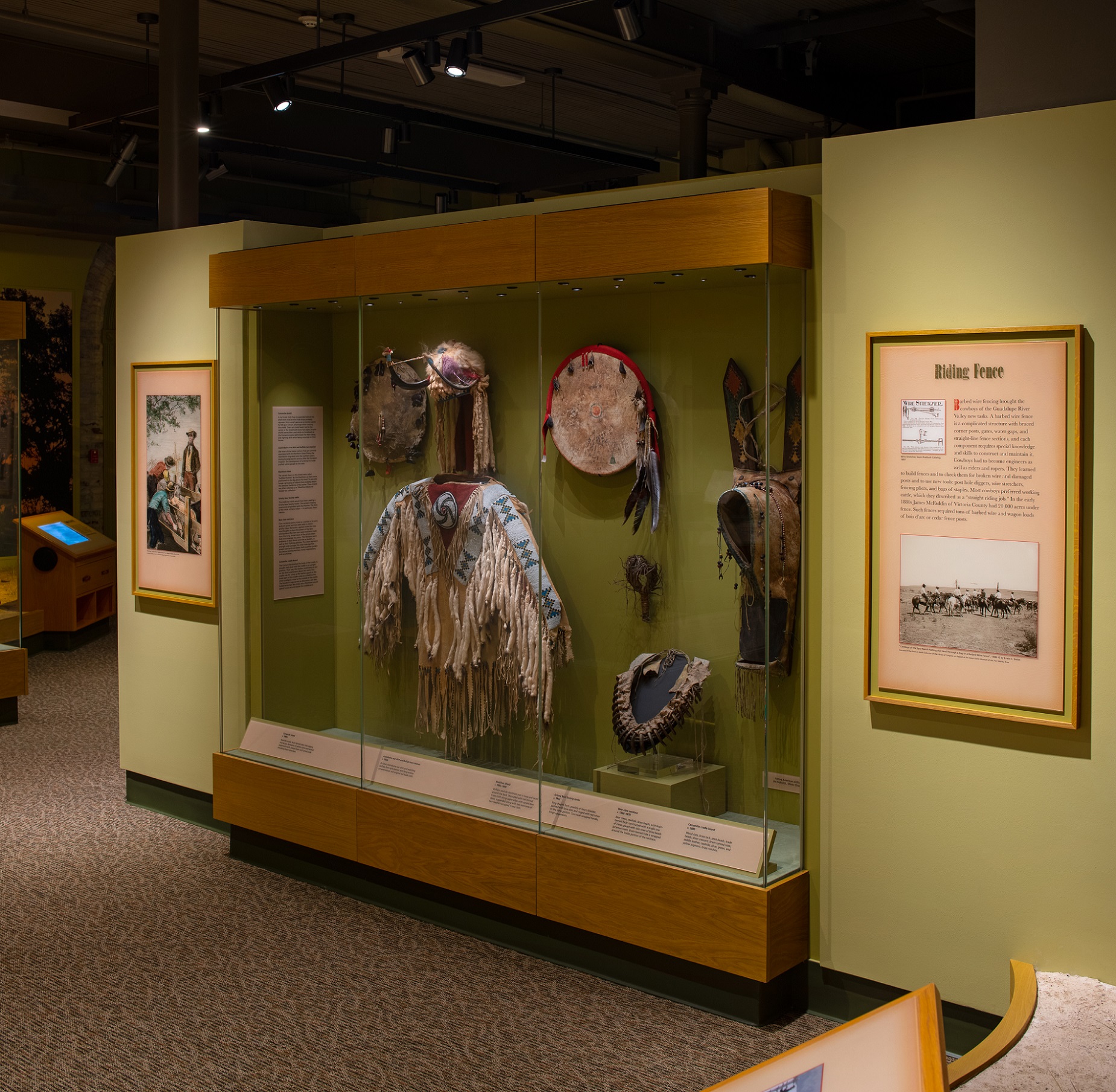

Furthermore, these museums play a pivotal role in correcting historical inaccuracies and challenging prevailing stereotypes. By presenting history and culture from an Indigenous viewpoint, they foster a deeper, more nuanced understanding of Native American experiences, both past and present.
Cultural Preservation and Repatriation Efforts
One of the most vital functions of tribal museums is the preservation of cultural heritage. This includes the careful stewardship of artifacts, regalia, historical documents, and artistic expressions that embody the identity and history of a nation. Many items held within these museums have profound spiritual or historical significance to the community.
These institutions are also at the forefront of repatriation efforts, working under laws like the Native American Graves Protection and Repatriation Act (NAGPRA). They facilitate the return of ancestral remains and sacred objects from federal agencies and museums to their rightful tribal communities, a process essential for healing and cultural restoration.
The ability to house and care for these repatriated items on tribal lands, according to tribal protocols, is a powerful act of sovereignty and cultural affirmation. It ensures that these objects can be used in ceremonies or cared for in ways that respect their original purpose and significance.
Educational Impact and Community Engagement
Tribal museums are invaluable educational resources for both tribal members and the general public. For Indigenous youth, they provide a tangible connection to their heritage, fostering pride and cultural identity. They offer educational programs that reinforce language skills, traditional arts, and historical knowledge, often absent from mainstream curricula.
For external visitors, these museums offer an unparalleled opportunity to learn directly from Indigenous voices. They present complex histories, contemporary issues, and diverse cultural practices in an accessible and engaging manner, often dispelling myths and fostering empathy.
Many museums collaborate with local schools, offering tours, presentations, and educational materials that align with state and national standards, while providing an authentic Indigenous perspective. This outreach is critical for building bridges of understanding between cultures.
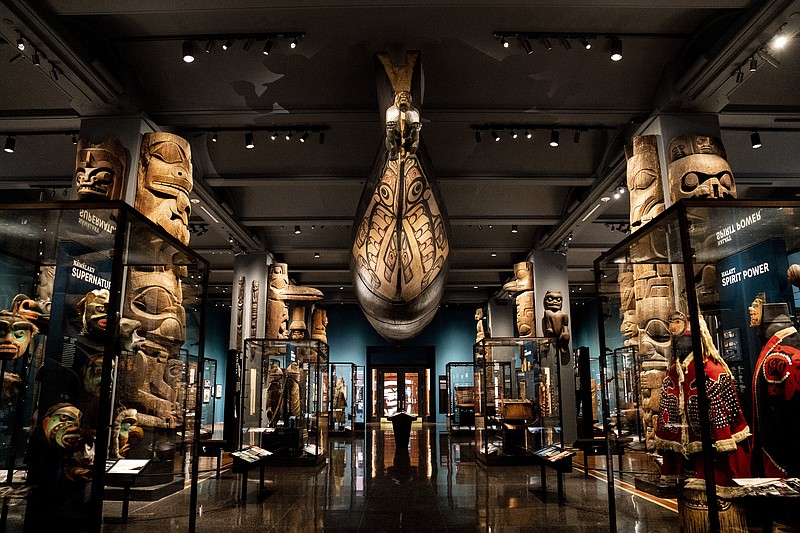

Economic Contributions and Cultural Tourism
Beyond their cultural and educational roles, museums on Indian reservations also contribute significantly to local economies. They often serve as anchors for cultural tourism, drawing visitors who seek authentic experiences and a deeper understanding of Indigenous cultures.
This tourism generates revenue, creates jobs for tribal members, and supports local businesses, including those selling traditional arts and crafts. It provides a sustainable economic model that aligns with cultural values, allowing communities to benefit directly from sharing their heritage.
By offering unique cultural experiences, these museums help diversify tribal economies and provide opportunities for artisans and cultural practitioners to share their skills and products with a wider audience, fostering economic self-sufficiency.
Notable Examples of Tribal Museums
- The Mashantucket Pequot Museum & Research Center (Mashantucket, CT): A world-renowned institution dedicated to the history and culture of the Mashantucket Pequot Tribal Nation, featuring extensive exhibits, dioramas, and a research library.
- The Indian Pueblo Cultural Center (Albuquerque, NM): Owned and operated by the 19 Pueblos of New Mexico, this center preserves and perpetuates Pueblo culture, history, and art, offering daily traditional dances and a renowned restaurant.
- Cherokee Heritage Center (Park Hill, OK): Home to the Cherokee National Museum, an ancient village, and a rural village, it tells the story of the Cherokee people from pre-European contact to the present day.
- Oglala Lakota College Historical Center (Kyle, SD): Focuses on the history and culture of the Oglala Lakota people on the Pine Ridge Reservation, emphasizing self-determination and education.
- Akwesasne Cultural Center (Hogansburg, NY): Dedicated to preserving and promoting the history, language, and culture of the Mohawk people of Akwesasne, featuring a museum, library, and archives.
These examples represent just a fraction of the vital work being done by tribal nations to preserve and share their distinct cultures.
Planning Your Visit: Respectful Engagement
When visiting a museum on an Indian reservation, it is essential to approach the experience with respect and an open mind. Remember that you are a guest on sovereign land, and these institutions are often deeply meaningful to the communities they serve.
- Research Ahead: Learn about the specific tribal nation whose museum you are visiting.
- Observe Protocols: Pay attention to any posted guidelines regarding photography, touching exhibits, or behavior during cultural performances.
- Engage Respectfully: If interacting with tribal members or staff, do so with courtesy and genuine curiosity.
- Support Local: Purchase items from the museum gift shop or local artisans, as this directly supports the community.
- Be Patient: Understand that these institutions may operate differently than large mainstream museums.
Your visit is not just a tourist activity; it’s an opportunity for cultural exchange and learning that supports Indigenous self-determination and heritage preservation.
Challenges and Future Opportunities
Despite their crucial role, many tribal museums face significant challenges, including limited funding, staffing shortages, and the need for specialized conservation expertise. Securing sustainable funding remains a constant effort, often relying on grants, tribal support, and visitor donations.
However, these challenges also present opportunities. Increased collaboration with academic institutions, larger museums, and government agencies can provide much-needed resources and expertise. Digital initiatives offer new avenues for preservation and accessibility, allowing a global audience to engage with Indigenous cultures.
The future of museums on Indian reservations is bright, driven by the unwavering commitment of tribal nations to their heritage. As awareness grows and support expands, these institutions will continue to thrive, serving as powerful beacons of cultural continuity and resilience.
Conclusion: Pillars of Identity and Education
Museums on Indian reservations are indispensable institutions that stand as pillars of cultural identity, historical truth, and educational enlightenment. They are not merely places to view artifacts; they are living testaments to the strength, creativity, and enduring spirit of Native American peoples.
By visiting and supporting these museums, we contribute to the vital work of cultural preservation, foster cross-cultural understanding, and honor the sovereignty and self-determination of Indigenous nations. They offer a unique and profound journey into the heart of America’s original cultures, enriching us all with their stories, wisdom, and art.
We encourage everyone to seek out and experience these extraordinary cultural treasures. Your engagement helps ensure that the rich tapestry of Native American heritage continues to be woven and shared for generations to come.


