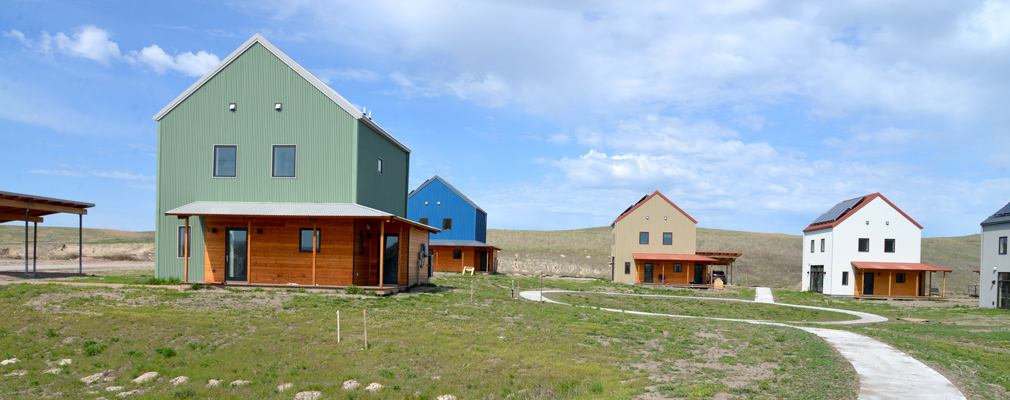

Housing remains a critical issue for many tribal communities across Indian Reservations. Addressing the persistent housing shortages, the need for quality, and the desire for culturally appropriate homes requires innovative solutions. One such solution gaining significant traction is the adoption of modular homes.
Modular homes, often misunderstood, are not mobile homes. Instead, they are high-quality, factory-built structures constructed in controlled environments to specific state and local building codes. These homes are then transported in sections to the building site and assembled on permanent foundations, offering a compelling alternative to traditional stick-built construction.
The unique landscape of Indian Reservations, with their distinct legal frameworks, land ownership structures, and cultural considerations, presents both opportunities and challenges for housing development. Understanding these nuances is paramount when considering modular construction.
What Exactly Are Modular Homes?
Unlike site-built homes constructed entirely on-site, modular homes are manufactured off-site in climate-controlled factories. This process ensures consistent quality, reduces waste, and allows for simultaneous site preparation, significantly speeding up the overall construction timeline. Once the modules are complete, they are transported to the reservation site, craned onto the foundation, and meticulously joined together by skilled crews.
The final product is virtually indistinguishable from a traditional home and often exceeds the quality standards due to stringent factory inspections and precision engineering. They adhere to the same, if not more rigorous, building codes as conventional homes, ensuring durability and safety.


The Unique Context of Indian Reservations and Housing
Indian Reservations are sovereign nations with distinct governmental structures and laws. Land on reservations is typically held in trust by the U.S. government for the benefit of the tribe or individual tribal members (trust land), or it can be restricted fee land. This unique land status can impact everything from property taxes to the types of financing available for homeownership.
Tribal housing authorities play a crucial role in developing and managing housing programs, often working with federal agencies like the Department of Housing and Urban Development (HUD) and the Bureau of Indian Affairs (BIA) to secure funding and support for their communities. Their understanding of local needs and regulations is invaluable.
Key Benefits of Modular Homes for Tribal Communities
- Speed of Construction: Factory production dramatically reduces the time from groundbreaking to move-in, allowing communities to address urgent housing needs more rapidly. This efficiency is a major draw for tribal housing initiatives.
- Cost Predictability and Affordability: Building in a factory minimizes weather delays and material theft, leading to more predictable costs and often lower overall expenses compared to traditional construction. This helps stretch housing budgets further.
- Quality Control and Durability: The controlled factory environment ensures consistent quality, precision, and adherence to strict building standards, often resulting in a more robust and energy-efficient home.
- Energy Efficiency: Many modular homes are built with superior insulation and tight construction, leading to lower utility bills—a significant long-term benefit for homeowners.
- Customization and Design Flexibility: Modern modular construction allows for extensive customization, enabling tribal communities to design homes that reflect their cultural aesthetics, family structures, and specific needs, from multi-generational layouts to traditional architectural elements.
- Reduced On-Site Disruption: Most of the construction occurs off-site, minimizing noise, traffic, and environmental impact on the reservation during the build process.
Navigating the Challenges: Considerations for Modular Construction on Tribal Lands
While the benefits are significant, several challenges must be addressed for successful modular home development on Indian Reservations.
Financing on Trust Land: Securing mortgages on trust land can be complex because the land is not typically owned outright by the individual. Lenders often require specific guarantees or programs.
Infrastructure Development: Many remote reservation areas may lack adequate infrastructure, such as roads, water, sewer, and electrical grids, which are essential for any new housing development. Site preparation can be extensive.
Permitting and Regulations: While modular homes adhere to state or federal building codes, tribal building codes and jurisdictional requirements must also be navigated. Close collaboration with tribal governments is crucial.
Logistics and Transportation: Transporting large modular sections to remote or challenging terrains on reservations can present logistical hurdles, requiring careful planning and specialized equipment.
Cultural Sensitivity and Community Engagement: Ensuring that housing designs are culturally appropriate and meet the specific needs and desires of the tribal community is paramount. Early and ongoing community input is vital for successful projects.
Financing Your Modular Home on an Indian Reservation
- HUD Section 184 Indian Home Loan Guarantee Program: This is a powerful tool for tribal members, offering low down payments and flexible underwriting for homes on trust or restricted fee land. It helps overcome many traditional lending barriers.
- Bureau of Indian Affairs (BIA) Loan Guarantee, Insurance, and Interest Subsidy Program: The BIA can guarantee loans made by private lenders to Native American individuals or tribes for various purposes, including housing.
- Tribal Housing Authority Programs: Many tribal housing authorities offer their own financial assistance, rental programs, or pathways to homeownership, often utilizing federal grants like the Native American Housing Assistance and Self-Determination Act (NAHASDA) funds.
- Conventional Loans: While more challenging for trust land, some lenders may offer conventional loans with additional collateral requirements or specific tribal agreements in place.
It is crucial for prospective homeowners and tribal housing authorities to work closely with lenders experienced in tribal lending and familiar with the nuances of reservation land. Understanding the specific land tenure of the proposed site is the first step.
The Process: From Factory to Foundation on the Reservation
- Planning and Design: Collaborate with manufacturers and architects to create a home design that meets tribal codes, individual needs, and cultural preferences. Secure tribal approvals.
- Site Preparation: Simultaneously, the chosen site on the reservation undergoes preparation, including foundation laying, utility trenching (water, sewer, electricity), and ensuring proper road access for transport.
- Manufacturing: The home sections are built in the factory with precision and quality control.
- Transportation: Once complete, the modules are carefully transported to the reservation site. This phase requires expert logistics, especially for remote locations.
- Installation and Finishing: Cranes lift the modules onto the prepared foundation. Skilled crews then connect the sections, complete exterior finishes, interior trim, utility hookups, and any on-site additions like porches or garages.
- Final Inspection: The completed home undergoes final inspections by tribal authorities and relevant agencies to ensure compliance with all codes and standards.
Embracing a Sustainable Future
Modular homes represent more than just efficient construction; they offer a pathway to sustainable community development on Indian Reservations. By providing quality, affordable, and energy-efficient housing, these homes contribute to economic stability, improved health outcomes, and the preservation of cultural heritage by allowing families to remain on their ancestral lands in modern, comfortable dwellings.
The integration of sustainable building practices, such as passive solar design, rainwater harvesting, and renewable energy systems, can be seamlessly incorporated into modular designs, further enhancing their long-term value and environmental benefits for tribal communities.
Conclusion: A Promising Path Forward for Tribal Housing
Modular homes offer a compelling and practical solution to the complex housing challenges faced by many Indian Reservations. Their advantages in terms of speed, cost-efficiency, quality, and design flexibility make them an increasingly attractive option for tribal governments and individual members alike.
While navigating the unique legal and logistical landscapes requires careful planning and collaboration, the dedicated programs and growing expertise in this field are paving the way for a new era of modern, culturally sensitive, and sustainable housing across tribal lands. By embracing modular construction, tribal communities can build stronger futures, one home at a time.
The journey towards comprehensive housing solutions on Indian Reservations is ongoing, and modular homes are proving to be a vital component of this progress. With continued innovation and partnership, the potential for positive impact is immense.


