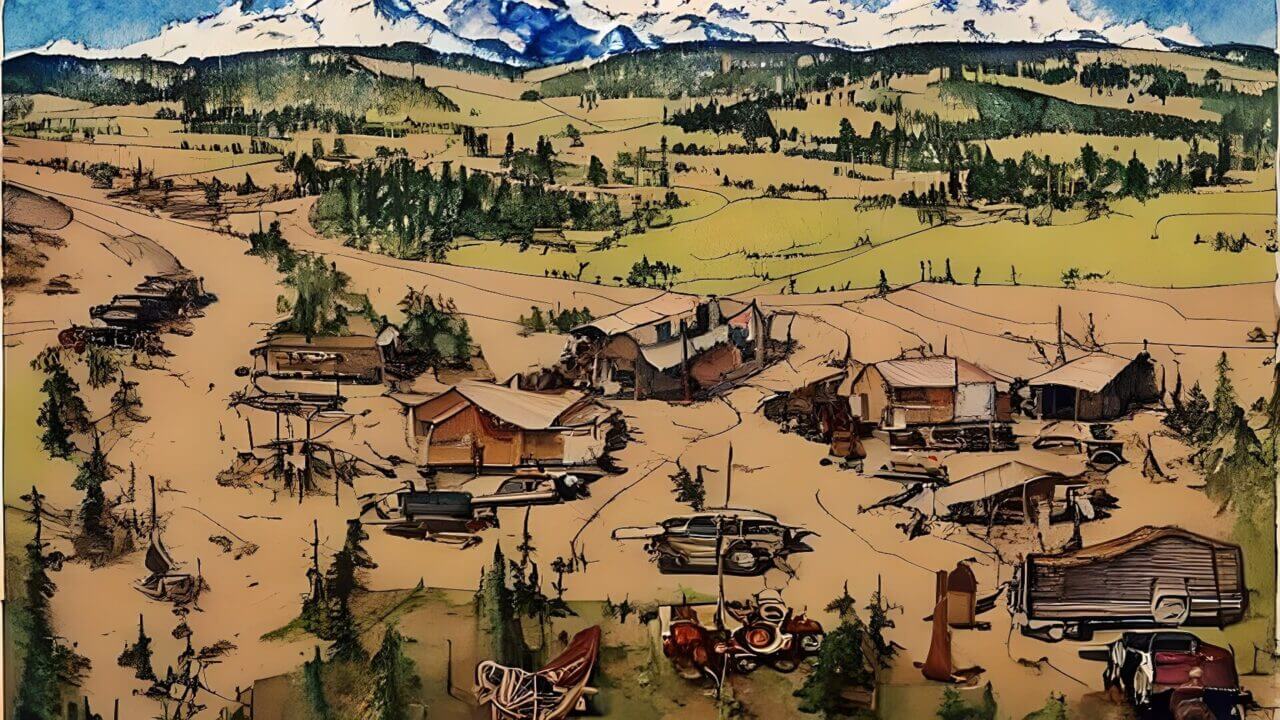
The image of ‘Indian Reservations’ often conjures outdated stereotypes, failing to reflect the vibrant, complex, and evolving realities of Native American nations today. Far from being relics of the past, reservations are sovereign territories grappling with a unique blend of historical legacies and modern challenges, alongside remarkable resilience and innovation. Understanding these modern issues is crucial for anyone seeking a comprehensive view of contemporary America.
Native American reservations are diverse, encompassing a wide array of cultures, languages, and socio-economic landscapes across the United States. While each tribal nation faces distinct circumstances, many share common threads of struggle and progress rooted in a history of federal Indian policy, land dispossession, and the ongoing fight for self-determination. This article aims to shed light on these critical, often overlooked, issues.
A Legacy of Sovereignty and Struggle: Understanding the Context
To comprehend modern reservation issues, one must first grasp the foundational concept of tribal sovereignty. Native American tribes are recognized as distinct, sovereign political entities with inherent rights to self-governance, predating the formation of the United States. This sovereignty, though often challenged and constrained by federal policies, remains the bedrock of tribal existence and the pursuit of self-determination.
The establishment of reservations themselves was a complex process, often resulting from treaties that ceded vast lands in exchange for smaller, designated territories. These agreements, frequently violated by the U.S. government, laid the groundwork for many of the challenges Indigenous communities face today, including land loss, resource exploitation, and cultural disruption.
Federal Indian policy has swung between periods of assimilation, termination, and self-determination, each leaving an indelible mark. The Indian Reorganization Act of 1934, for instance, aimed to reverse some of the detrimental effects of the Dawes Act, while the self-determination era beginning in the 1970s marked a significant shift towards empowering tribal governments to manage their own affairs.
Economic Development: Bridging the Prosperity Gap
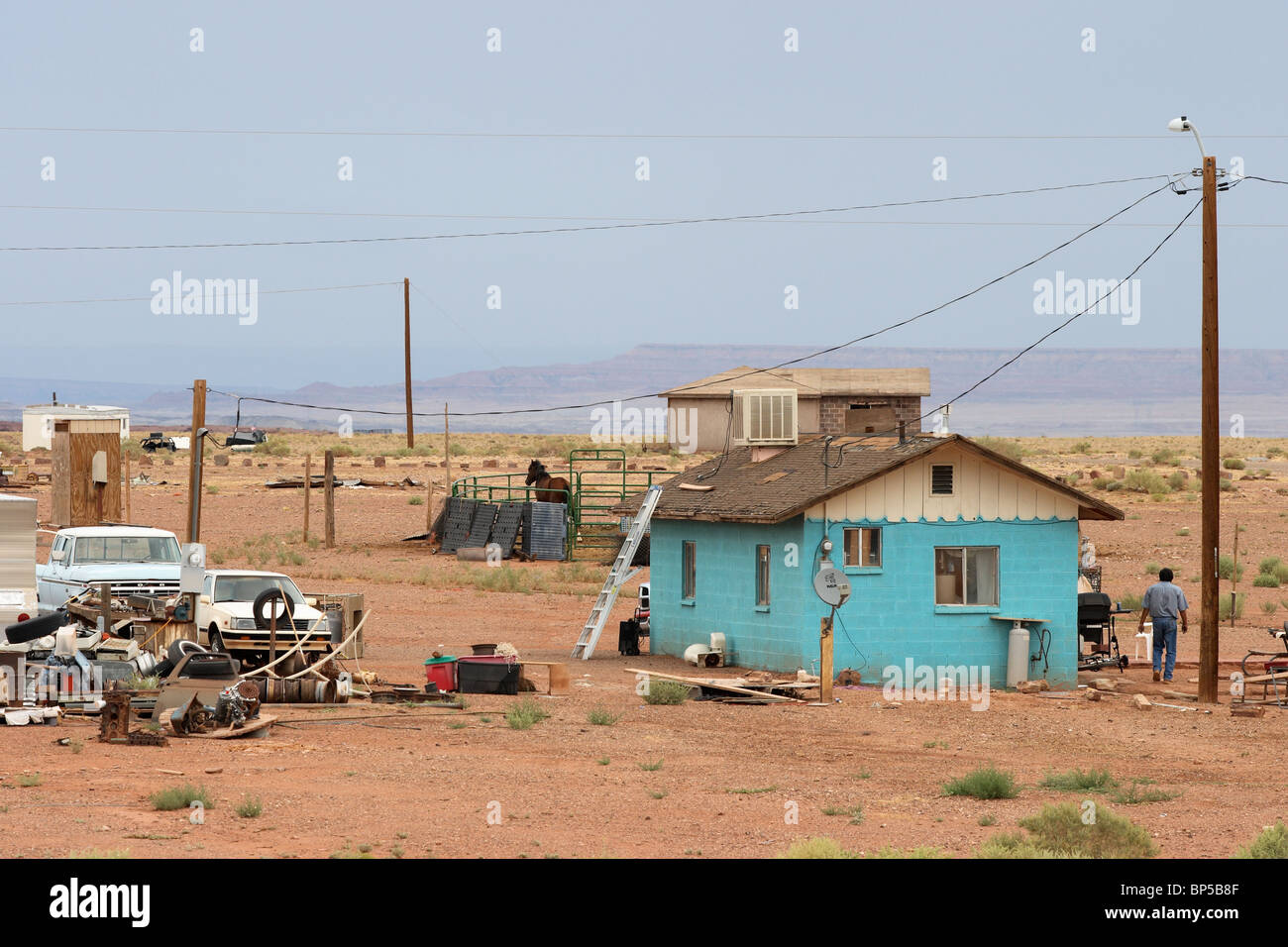
One of the most pressing issues on many reservations is economic disparity. Historically, reservations were often established on lands considered undesirable by settlers, lacking natural resources or fertile ground, leading to persistent challenges in economic development. High unemployment rates and limited access to capital are common.
However, tribal nations are actively pursuing diverse economic ventures. Tribal gaming has been a significant driver of revenue for many tribes, funding essential services like education, healthcare, and infrastructure. Beyond gaming, tribes are investing in tourism, renewable energy projects (solar, wind), agriculture, manufacturing, and technology, leveraging their unique assets and sovereign status.
Challenges persist, including remoteness, inadequate infrastructure (roads, broadband internet), and complex jurisdictional issues that can deter external investment. Furthermore, the legacy of underdevelopment means many communities start from a significant disadvantage, requiring substantial long-term investment and strategic planning.
Healthcare Disparities: A Persistent Crisis
Access to adequate healthcare remains a critical concern for many Native Americans living on reservations. The Indian Health Service (IHS), tasked with providing healthcare to federally recognized tribes, is chronically underfunded, leading to significant disparities compared to the general U.S. population.
These disparities manifest in higher rates of chronic diseases such as diabetes, heart disease, and certain cancers. Mental health issues, including depression, anxiety, and suicide, are also disproportionately high, often linked to intergenerational trauma, poverty, and substance abuse. Access to culturally competent care and specialized services is often limited, especially in rural areas.
Many tribal nations are taking proactive steps, establishing their own tribal health clinics and programs to supplement IHS services, focusing on traditional healing practices, and advocating for increased federal funding and improved service delivery.
Education: Empowering the Next Generation
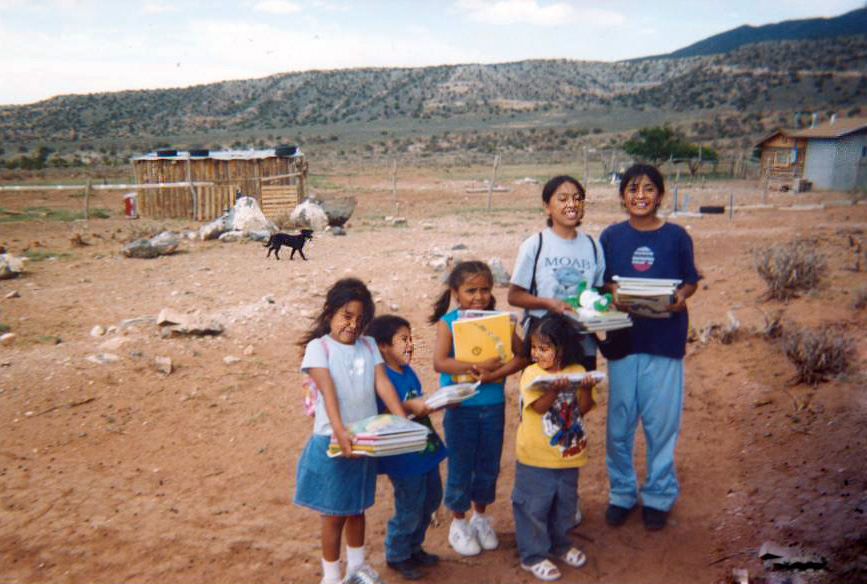
Education on reservations faces unique hurdles. Schools, whether federally run (Bureau of Indian Education – BIE), public, or tribally controlled, often contend with underfunding, dilapidated facilities, high teacher turnover, and curricula that may not reflect Indigenous cultures or languages.
The goal of cultural preservation through education is paramount. Many tribes are revitalizing their languages and traditional knowledge through immersion schools and culturally relevant curricula. The challenge lies in balancing these vital cultural aspects with preparing students for higher education and diverse career paths in the broader society.
Access to higher education is also a concern, with lower rates of college enrollment and completion among Native American students. Scholarships, mentorship programs, and tribal colleges and universities play a crucial role in empowering Indigenous youth to pursue advanced degrees and professional careers.
Protecting the Environment and Sacred Lands
Native American communities have a deep, spiritual connection to the land, viewing it as a living relative. However, many reservations are located in areas rich in natural resources, making them vulnerable to environmental degradation from mining, oil and gas extraction, and other industrial activities, often without meaningful tribal consent.
Environmental justice is a significant issue, as Indigenous communities frequently bear a disproportionate burden of pollution and climate change impacts. Issues like water rights, protection of sacred sites, and sustainable resource management are central to tribal sovereignty and cultural survival. Tribes are increasingly asserting their authority to protect their lands, water, and air, often leading to complex legal battles.
Tribal nations are also at the forefront of climate resilience efforts, drawing upon traditional ecological knowledge to adapt to changing environmental conditions and advocating for policies that address climate change fairly and effectively.
Sovereignty and Self-Determination: The Bedrock of Tribal Existence
The ongoing struggle for full self-determination is central to nearly every issue on reservations. This includes asserting jurisdictional authority over their lands, resources, and people, often clashing with state and federal governments over complex legal frameworks.
Legal challenges regarding land rights, water rights, and the extent of tribal jurisdiction are common. The ability of tribes to govern themselves, establish their own laws, and manage their own resources without undue external interference is fundamental to their survival and prosperity. Strengthening tribal governments and institutions is a continuous effort.
Justice Systems: Navigating Complex Jurisdictions
The administration of justice on reservations is incredibly complex, often involving overlapping jurisdictions between tribal, state, and federal authorities. This complexity can lead to gaps in law enforcement, particularly concerning violent crime.
A critical issue is the crisis of Missing and Murdered Indigenous Women (MMIW), where Native American women and girls face alarmingly high rates of violence, often with inadequate investigation and prosecution due to jurisdictional ambiguities and systemic neglect. Recent legislative efforts, like the reauthorization of the Violence Against Women Act (VAWA) with enhanced tribal jurisdiction, aim to address some of these gaps.
Tribal courts and law enforcement agencies are working to build capacity and assert their inherent authority to protect their communities, but they often require greater resources and recognition of their jurisdiction from external governments.
Infrastructure Deficiencies: A Barrier to Progress
Many reservations suffer from severe infrastructure deficits. Reliable access to clean water, adequate housing, paved roads, and electricity can be inconsistent. Perhaps most critically in the modern era, broadband internet access is often limited or non-existent, creating a ‘digital divide’ that impacts education, healthcare (telemedicine), economic opportunity, and civic engagement.
These infrastructure gaps hinder economic development, create public health hazards, and limit access to essential services. Addressing these deficiencies requires substantial investment and coordinated efforts from tribal, federal, and private partners.
Cultural Preservation and Revitalization
Despite centuries of assimilation policies, tribal nations are experiencing a powerful resurgence of cultural pride and revitalization. Efforts to preserve and revive ancestral languages, traditional ceremonies, arts, and spiritual practices are vital for identity and community well-being. These efforts often face challenges from limited resources and the lingering effects of historical trauma.
The preservation of sacred sites, traditional foods, and ecological knowledge are integral components of cultural survival. Indigenous communities are actively working to pass on their heritage to younger generations, ensuring the continuity of their distinct identities.
Addressing Historical Trauma: A Path Forward
The cumulative effects of historical injustices—including forced removals, boarding schools, and systemic discrimination—have resulted in profound intergenerational trauma within Native American communities. This trauma manifests in various social and health challenges, including mental health issues, substance abuse, and family dysfunction.
Healing from historical trauma is a long-term process that involves acknowledging the past, promoting cultural revitalization, strengthening community bonds, and developing culturally relevant mental health and wellness programs. Resilience, however, is a hallmark of Indigenous peoples, who continue to find strength in their traditions and community.
The Path Forward: Collaboration and Advocacy
Addressing the multifaceted issues on modern Indian reservations requires a concerted effort from all stakeholders. Tribal nations continue to lead the way, advocating for their rights, developing innovative solutions, and building stronger, more self-sufficient communities.
The federal government has a trust responsibility to Native American tribes, which necessitates adequate funding for services, respect for treaty obligations, and support for tribal self-governance. Partnerships between tribal nations, state governments, non-profits, and private industry are also crucial for fostering sustainable development and positive change.
Ultimately, a deeper understanding and respect for tribal sovereignty, cultural diversity, and the unique challenges faced by Native American communities are essential for fostering a more just and equitable society. The future of reservations lies in empowering tribal nations to chart their own course, drawing on their inherent strength, wisdom, and resilience.
Conclusion
Modern Indian reservation issues are complex, deeply rooted in history, yet profoundly relevant today. From economic development and healthcare disparities to environmental protection and the assertion of sovereignty, these challenges demand attention and informed action. However, the narrative is not solely one of struggle; it is also a testament to the incredible resilience, adaptability, and unwavering spirit of Native American peoples.
By understanding these contemporary realities, we can move beyond outdated stereotypes and support tribal nations in their ongoing pursuit of self-determination, cultural preservation, and a brighter future for generations to come. Engaging with and learning from Indigenous voices is the most vital step in this journey.


