The Miami Tribe of Oklahoma, a federally recognized Native American tribe, boasts a compelling history and a vibrant culture that continues to thrive today. This article explores the tribe’s journey from their ancestral homelands in the Great Lakes region to their present-day reservation in Oklahoma, examining their rich heritage, significant contributions, and ongoing efforts to preserve their language and traditions.
Understanding the Miami Tribe requires appreciating their historical roots and the challenges they have overcome. From their early interactions with European settlers to their forced removal and eventual resettlement, the Miami people have demonstrated remarkable resilience and adaptability.
This comprehensive guide provides an in-depth look at the Miami Tribe of Oklahoma, covering their history, culture, governance, and contemporary life. Whether you are a student, researcher, or simply interested in learning more about Native American cultures, this article offers valuable insights into the Miami Tribe’s unique story.
A Journey Through Time: The History of the Miami Tribe
Ancestral Lands and Early History
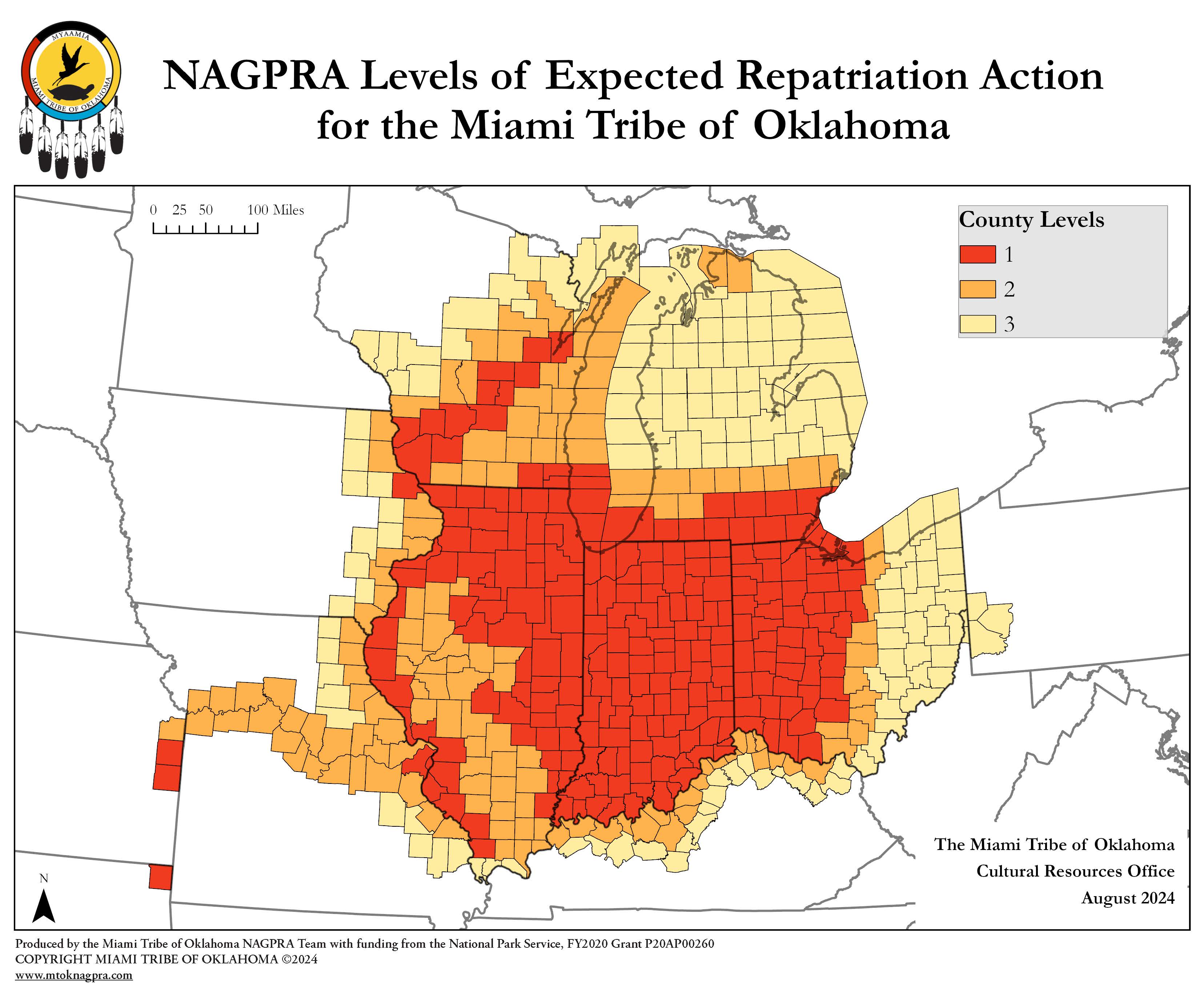
The Miami Tribe originally inhabited the Great Lakes region, particularly areas around present-day Indiana, Ohio, Illinois, and Michigan. Their name, derived from the Miami language, is believed to mean ‘people downstream.’ They were primarily an agricultural society, cultivating crops such as corn, beans, and squash, while also engaging in hunting and fishing.
The Miami people lived in villages and were organized into bands, each with its own leadership. They had a complex social structure and a rich oral tradition, passing down stories, legends, and historical accounts through generations. Their connection to the land was deeply spiritual, and they held ceremonies to honor the natural world.
Encounters with Europeans and the Fur Trade
The arrival of European settlers in the 17th and 18th centuries significantly impacted the Miami Tribe. The fur trade became a central aspect of their interactions with the French and British, leading to both economic opportunities and increased competition for resources. The introduction of European goods also altered their traditional way of life.
Conflicts between European powers and increasing settler encroachment led to displacement and warfare. The Miami Tribe found themselves caught in the middle of these conflicts, often forced to choose sides or defend their territory against both European armies and other Native American tribes allied with them.
Forced Removal and the Trail of Tears
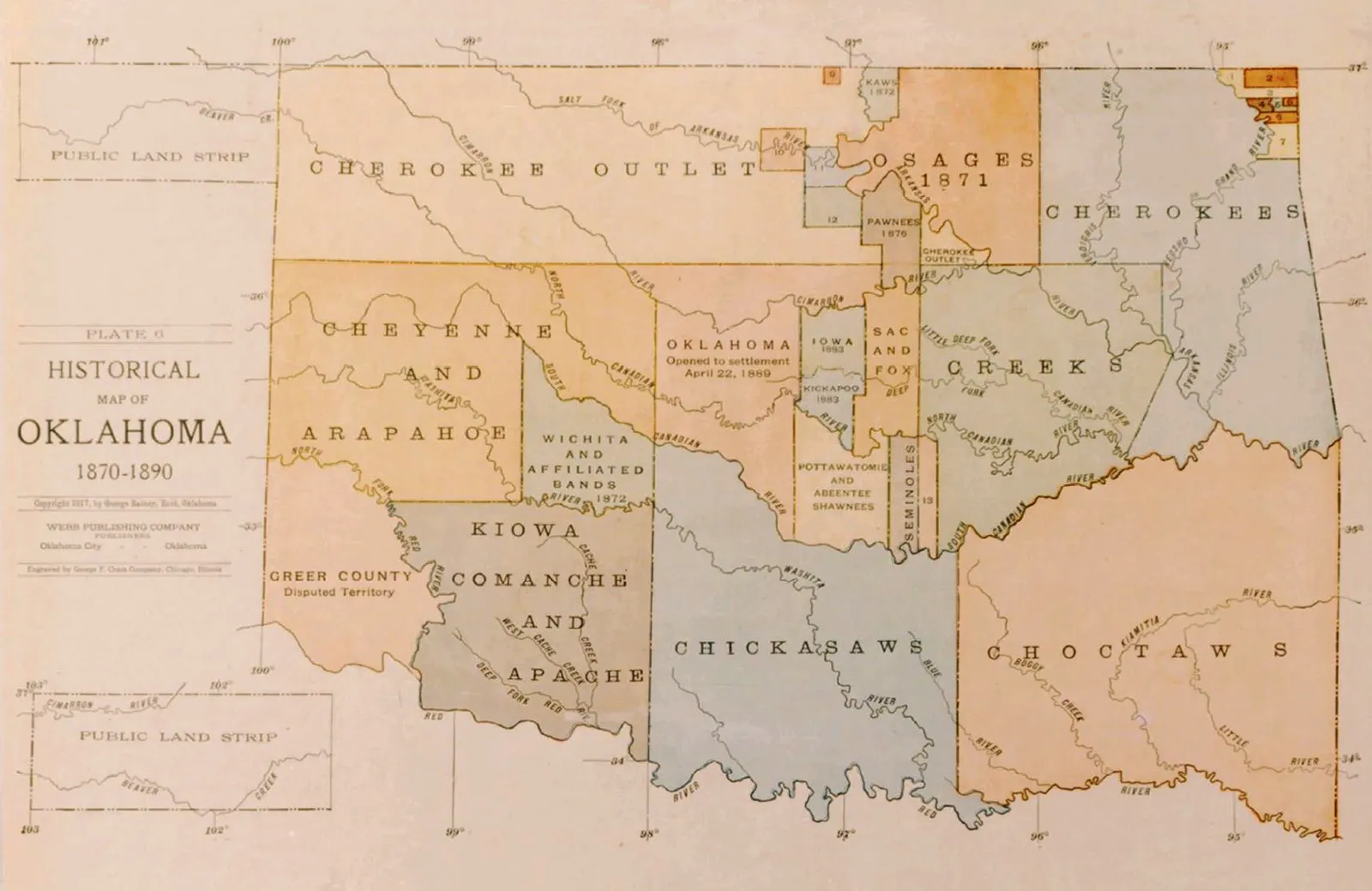
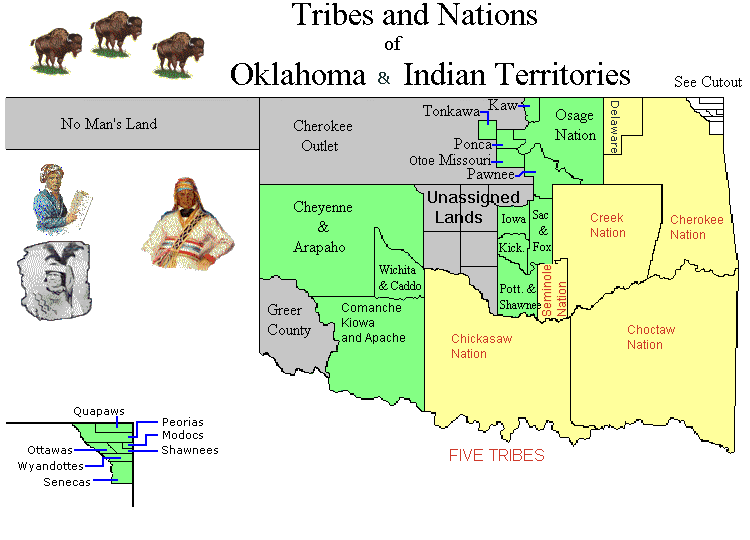
The Indian Removal Act of 1830 marked a devastating chapter in the history of the Miami Tribe. Like many other Native American tribes, they were forcibly removed from their ancestral lands and relocated to Indian Territory, present-day Oklahoma. This forced migration, often referred to as the ‘Trail of Tears,’ resulted in immense suffering and loss of life.
The journey to Oklahoma was arduous and fraught with hardship. Many Miami people died from disease, starvation, and exposure along the way. The removal not only separated them from their homes but also disrupted their social structure and cultural practices.
Rebuilding in Oklahoma
Despite the immense challenges they faced, the Miami people demonstrated remarkable resilience in rebuilding their lives in Oklahoma. They established new communities, re-established their tribal government, and worked to preserve their cultural heritage. The Miami Tribe of Oklahoma was officially recognized by the U.S. government, solidifying their status as a sovereign nation.
The tribe focused on education, economic development, and cultural preservation. They established schools to teach their language and traditions to future generations. They also worked to develop economic opportunities for their members, including agriculture, business ventures, and gaming enterprises.
Culture and Traditions of the Miami Tribe
Language Preservation
The Miami language, also known as Myaamia, is a member of the Algonquian language family. Like many Native American languages, it faced near extinction due to assimilation policies and the suppression of Native American cultures. However, the Miami Tribe of Oklahoma has made significant efforts to revitalize their language through immersion programs, language classes, and the development of language resources.
The Myaamia Center, a collaborative effort between the Miami Tribe and Miami University in Ohio, plays a crucial role in language revitalization. The center conducts research, develops educational materials, and provides training for language teachers. Their work has been instrumental in increasing the number of fluent speakers and promoting the use of the Miami language in everyday life.
Cultural Practices and Ceremonies
The Miami Tribe’s culture is rich in traditions, ceremonies, and artistic expressions. Storytelling, music, and dance are integral parts of their cultural heritage. They hold annual powwows and other cultural events to celebrate their identity and share their traditions with others.
Traditional Miami clothing, crafts, and artwork reflect their connection to the natural world. Beadwork, quillwork, and ribbonwork are common forms of artistic expression. They also create traditional tools, weapons, and ceremonial objects using materials from their environment.
Social Structure and Governance
The Miami Tribe of Oklahoma has a modern tribal government that is responsible for overseeing the tribe’s affairs. The tribal government consists of an elected Chief, Second Chief, and Tribal Council. They work to promote the well-being of their members, manage tribal resources, and represent the tribe’s interests in negotiations with the U.S. government and other entities.
The tribe also has various committees and departments that focus on specific areas, such as education, health, housing, and economic development. They work to provide services and programs that meet the needs of their members and promote their self-sufficiency.
Contemporary Life and Contributions
Economic Development
The Miami Tribe of Oklahoma has made significant strides in economic development, creating opportunities for their members and contributing to the local economy. They operate several businesses, including gaming casinos, hotels, and retail stores. These enterprises generate revenue that supports tribal programs and services.
The tribe also invests in education, healthcare, and infrastructure projects. They provide scholarships for tribal members to attend college and vocational schools. They operate health clinics that provide medical, dental, and behavioral health services. They also build and maintain roads, utilities, and other infrastructure on tribal lands.
Education and Community Programs
Education is a top priority for the Miami Tribe of Oklahoma. They offer a wide range of educational programs, from early childhood education to higher education. They operate a tribal school that provides a culturally relevant education for Miami children. They also offer scholarships and grants to help tribal members pursue their educational goals.
The tribe also supports a variety of community programs that address the needs of their members. These programs include housing assistance, food assistance, and job training. They also provide services for elders, youth, and families. The tribe works to create a strong and supportive community where all members can thrive.
Cultural Preservation Efforts
The Miami Tribe of Oklahoma is committed to preserving their cultural heritage for future generations. They support language revitalization programs, cultural events, and historical preservation projects. They work to document and preserve their oral traditions, customs, and artistic expressions.
The tribe also collaborates with museums, universities, and other organizations to promote awareness and understanding of Miami culture. They share their stories, artifacts, and knowledge with the public through exhibits, presentations, and publications. They are proud of their heritage and are committed to ensuring that it is passed down to future generations.
Frequently Asked Questions About the Miami Tribe of Oklahoma
The Miami Tribe of Oklahoma’s headquarters and reservation are located in Miami, Oklahoma, in the northeastern part of the state.
How many members are in the Miami Tribe of Oklahoma?
As of 2023, the Miami Tribe of Oklahoma has over 6,000 enrolled members.
What language do the Miami Tribe speak?
The Miami Tribe speaks Myaamia, an Algonquian language. They have an active language revitalization program.
What are some of the Miami Tribe’s cultural traditions?
The Miami Tribe has rich cultural traditions, including storytelling, music, dance, beadwork, and ceremonies.
How does the Miami Tribe contribute to Oklahoma?
The Miami Tribe contributes to Oklahoma through economic development, education, community programs, and cultural preservation efforts.
Conclusion: A Legacy of Resilience and Cultural Preservation
The Miami Tribe of Oklahoma’s journey from the Great Lakes region to present-day Oklahoma is a testament to their resilience, adaptability, and unwavering commitment to preserving their cultural heritage. Despite facing numerous challenges throughout history, they have persevered and rebuilt their nation, becoming a vibrant and thriving community.
Their efforts in language revitalization, cultural preservation, economic development, and education demonstrate their dedication to ensuring a bright future for their members and for generations to come. The Miami Tribe of Oklahoma stands as a powerful example of the strength and endurance of Native American cultures in the face of adversity.
By understanding their history, appreciating their culture, and supporting their endeavors, we can contribute to the ongoing success and prosperity of the Miami Tribe of Oklahoma and other Native American nations.


