

Echoes of the Mountain: The Enduring History of the Mescalero Apache Tribe
In the rugged embrace of New Mexico’s Sacramento Mountains, where the pine forests meet the high desert and ancient spirits whisper on the wind, lies the ancestral homeland of the Mescalero Apache Tribe. Their story is one of profound resilience, a vibrant tapestry woven with threads of deep cultural connection to the land, fierce resistance against encroaching powers, and a steadfast determination to preserve their identity in the face of centuries of change. From nomadic hunters to sovereign nation, the Mescalero Apache have navigated a tumultuous history, emerging as a beacon of self-determination in the modern era.
The name "Mescalero" itself speaks volumes about their origins and way of life. Derived from the Spanish term for "mescal-makers," it refers to the tribe’s traditional reliance on the agave plant (mescal) as a primary food source. For millennia, long before the arrival of Europeans, the Mescalero Apache, like their Athabaskan-speaking relatives, were masters of their environment. They were nomadic hunter-gatherers, their lives meticulously attuned to the seasons and the migratory patterns of game. Their territory, vast and fluid, stretched across what is now New Mexico, West Texas, and parts of northern Mexico, encompassing a diverse landscape of mountains, canyons, and arid plains.
"For the Mescalero, the land is not merely territory; it is an extension of their very being," notes Dr. H. Henrietta Stockel, a renowned historian of the Apache. "Every peak, every river, every mesquite bush holds a story, a memory, a spiritual significance that defines who they are." Their deep understanding of the flora and fauna, their sophisticated hunting techniques, and their complex social structures – organized into mobile bands led by respected chiefs – allowed them to thrive in an often-harsh environment. Their culture was rich with oral traditions, ceremonies, and a profound reverence for the natural world, all of which continue to resonate today.
The tranquility of this ancient way of life was irrevocably shattered with the arrival of the Spanish in the 16th century. Coronado’s expedition in the 1540s marked the first documented encounters, initiating a long and often brutal period of conflict, punctuated by uneasy truces and intermittent trade. The Spanish, driven by desires for gold, land, and souls, viewed the Apache as "indios bárbaros" – barbaric Indians – to be conquered and converted. The Apache, fiercely independent, saw the Spanish as invaders of their ancestral lands.
The introduction of the horse by the Spanish revolutionized Apache mobility and warfare, transforming them into formidable warriors who could strike quickly and disappear into the vast landscape. However, the Spanish also brought devastating European diseases, which decimated tribal populations, and the concept of chattel slavery, which saw many Apache, including Mescalero, captured and forced into servitude. This era set a pattern of struggle that would define much of the next three centuries: a relentless defense of their sovereignty against a technologically superior foe.
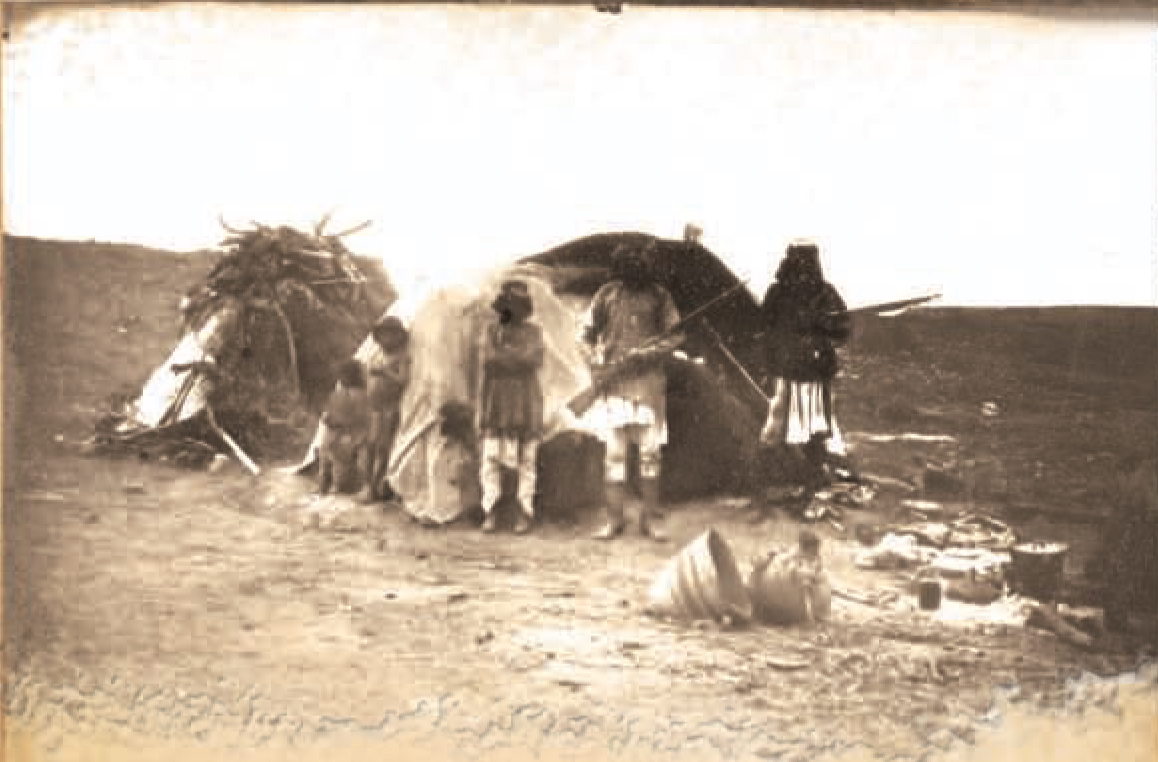

With Mexico’s independence from Spain in 1821, the Apache hoped for a change in policy, but the newly formed Mexican government continued the Spanish legacy of conflict. Bounties were often placed on Apache scalps, fueling a cycle of violence that further hardened the Mescalero’s resolve to protect their families and their way of life. The border between Mexico and the United States became a porous zone of raiding and counter-raiding, with the Mescalero often caught in the crossfire.
The mid-19th century brought an even more formidable challenge: the United States. With the Treaty of Guadalupe Hidalgo in 1848, the U.S. acquired vast territories, including Mescalero lands. The concept of Manifest Destiny, the belief in America’s divinely ordained right to expand westward, fueled a relentless push by settlers, miners, and ranchers into Apache territory. The Mescalero, along with other Apache bands, found themselves engaged in a desperate fight for survival against a rapidly expanding nation with superior military technology and an overwhelming numerical advantage.
The U.S. Army, tasked with "pacifying" the Native American tribes, launched a series of campaigns that are now known as the Apache Wars. For the Mescalero, these were not wars of conquest, but wars of self-defense. Their chiefs, though less widely known than figures like Geronimo or Cochise (who were Chiricahua Apache), were equally determined. Leaders like Chief San Juan and others led their people in guerrilla warfare, utilizing their intimate knowledge of the rugged terrain to evade and ambush U.S. troops.
One of the darkest chapters in Mescalero history was their forced removal to Bosque Redondo in 1862. Located on the Pecos River in eastern New Mexico, this desolate reservation was established by Brigadier General James Carleton as an experiment in forced assimilation for both Navajo and Mescalero Apache. Thousands were marched hundreds of miles, a harrowing journey often referred to as "the Long Walk" for the Navajo. For the Mescalero, the experience was equally traumatic.
"Bosque Redondo was a stark and desolate place, ill-suited for human habitation, let alone for two distinct peoples with long histories of conflict," recounts one tribal elder in an oral history. The alkali water, lack of firewood, failed crops, and constant raids by Comanches and other tribes created unbearable conditions. Many died from disease, starvation, and exposure. After just two years of immense suffering, many Mescalero, unable to endure the conditions, staged a daring escape in 1864, fleeing back to their mountain homelands, choosing freedom and the perils of continued warfare over the slow death of the reservation.
The Mescalero continued their fight for freedom for over a decade, often forming alliances with other Apache bands, including the Warm Springs Apache under the legendary leadership of Victorio and Nana. Though Victorio was a Warm Springs Apache, his campaigns frequently involved Mescalero warriors and took place in areas historically used by Mescalero bands. His tenacity and skill in evading the U.S. and Mexican armies became legendary. The relentless pursuit by U.S. forces eventually led to Victorio’s death in Mexico in 1880, and Nana, despite his advanced age, continued the fight with extraordinary vigor.
Finally, in 1873, the Mescalero Apache Reservation was officially established by Executive Order, encompassing 460,000 acres of their traditional Sacramento Mountain homeland. This was not a gift, but a hard-won victory, a recognition of their enduring presence and their refusal to be eradicated. However, the transition to reservation life was fraught with immense challenges. The nomadic lifestyle was curtailed, traditional hunting grounds were gone, and the people were forced to adapt to an agrarian existence often at odds with their cultural practices. Poverty, disease, and the loss of traditional ways became common.
The early 20th century saw the Mescalero striving to rebuild their community and economy. They turned to ranching and timber, utilizing the natural resources of their mountain home. The Indian Reorganization Act of 1934 provided some tools for self-governance, allowing the tribe to establish a constitutional government and elect their own tribal council, marking a significant step towards self-determination.
The latter half of the 20th century and into the 21st has been a period of remarkable economic and cultural resurgence for the Mescalero Apache. Under visionary leadership, particularly that of Chairman Wendell Chino, who served for over 40 years, the tribe embarked on ambitious economic development projects. Chino, a towering figure in tribal sovereignty, famously stated, "We want to be self-sufficient, we want to control our own destiny."


This philosophy led to the development of world-class tourism enterprises. Ski Apache, one of New Mexico’s premier ski resorts, and the Inn of the Mountain Gods Resort and Casino, a luxury resort complex, have transformed the tribal economy. These ventures not only provide jobs and revenue but also allow the tribe to invest in infrastructure, education, healthcare, and cultural preservation programs for its members. The Mescalero Apache have become a model for successful tribal economic development, demonstrating how Indigenous communities can leverage their sovereignty and resources to create prosperity.
Today, the Mescalero Apache Tribe continues to thrive, balancing modern enterprise with a profound commitment to their cultural heritage. The sacred Mountain Gods Dance, the coming-of-age ceremony for young women, remains a vibrant and central part of their spiritual life. Efforts are ongoing to preserve the Apache language, teach traditional crafts, and transmit the rich oral histories to younger generations. The Mescalero Apache School plays a crucial role in providing quality education while instilling tribal values and pride.
The history of the Mescalero Apache is a testament to the enduring human spirit. From the ancient traditions of their ancestors to the battles for survival against colonial powers, from the devastation of forced removal to the triumphs of self-determination, they have proven their ability to adapt, to innovate, and to fiercely protect what is theirs. As the sun sets over the Sacramento Mountains, casting long shadows across the land they have always called home, the echoes of their ancestors, their struggles, and their triumphs resonate, reminding all of the Mescalero Apache Tribe’s unwavering strength and enduring legacy. Their story is not just a chapter in American history; it is a living narrative of sovereignty, resilience, and the unbreakable bond between a people and their sacred land.


