Mental health is a cornerstone of overall well-being, yet access to adequate and culturally sensitive care remains a significant challenge for many communities. On Indian Reservations across the United States, Indigenous populations face unique and profound barriers to mental health services, stemming from a complex interplay of historical trauma, systemic inequities, and resource limitations. This article delves into the intricate world of mental health support for Native American communities, exploring the historical context, current services, challenges, and innovative solutions being implemented.
Understanding the mental health landscape on Indian Reservations necessitates acknowledging the deep scars left by centuries of colonization. Policies such as forced relocation, land dispossession, cultural suppression, and the devastating impact of boarding schools have inflicted what is known as historical trauma. This trauma is not merely a historical event; it is an ongoing, intergenerational wound that manifests in elevated rates of mental health conditions.
The effects of historical trauma contribute significantly to the disproportionately high rates of mental health disorders, substance use disorders, and suicide within Native American communities. These issues are often compounded by socioeconomic factors such as poverty, unemployment, food insecurity, and inadequate housing, which create a cycle of adversity that impacts mental well-being.
The Current Landscape: A Critical Need for Support
Statistics paint a stark picture: Native Americans experience higher rates of psychological distress compared to the general U.S. population. Conditions like depression, anxiety, and Post-Traumatic Stress Disorder (PTSD) are prevalent, often exacerbated by the lack of readily available and appropriate care. Substance use disorders, particularly alcohol and opioid addiction, are also major public health concerns that are intrinsically linked to mental health.
Suicide rates among Native American youth and young adults are alarmingly high, often surpassing those of any other ethnic group in the United States. This crisis underscores the urgent need for comprehensive prevention strategies, early intervention, and accessible mental health services tailored to the specific needs of these vulnerable populations.
Key Providers of Mental Health Services
Several entities are involved in providing mental health services on Indian Reservations, each with its own scope and limitations. Navigating this system can be complex for individuals seeking help.
The Indian Health Service (IHS) is the primary federal agency responsible for providing healthcare to federally recognized American Indians and Alaska Natives. While IHS offers a range of services, including behavioral health, it is chronically underfunded, leading to significant gaps in care, long wait times, and a shortage of specialized providers.
Many tribal nations have taken greater control over their healthcare through tribal health programs, often funded by IHS or through self-governance compacts. These tribally operated clinics and departments can design and implement programs that are more responsive to the unique cultural and linguistic needs of their specific communities, offering a more integrated and holistic approach to care.
Beyond IHS and tribal programs, Urban Indian Health Organizations (UIHOs) serve Native Americans living in urban areas, providing crucial access to care for those who have moved away from reservations but still identify with their Indigenous heritage. Additionally, various non-profit organizations and academic institutions partner with tribes to offer specialized services or conduct research aimed at improving mental health outcomes.
Types of Mental Health Services Offered
- Individual, Group, and Family Counseling: Providing therapeutic support for a range of mental health conditions.
- Substance Use Disorder Treatment: Including detoxification, inpatient and outpatient rehabilitation, and aftercare programs.
- Crisis Intervention and Suicide Prevention: Hotlines, emergency services, and community-based prevention initiatives.
- Psychiatric Services: Medication management and psychiatric evaluations, often limited by a shortage of psychiatrists.
- Traditional Healing Practices: Increasingly, Western medicine is being integrated with traditional ceremonies, spiritual guidance, and elder wisdom.
Significant Barriers to Accessing Care
Geographic Isolation and Transportation: Many reservations are located in remote, rural areas, making it difficult for individuals to travel to distant clinics, especially without reliable transportation.

Stigma: Mental illness can carry significant stigma within communities, making individuals hesitant to seek help. This is often rooted in cultural understandings of illness and a historical distrust of Western medical systems.
Funding Limitations: Chronic underfunding of IHS and tribal health programs severely restricts the scope and quality of services that can be provided. This impacts everything from staffing levels to the availability of specialized treatments.
Cultural Irrelevance: Historically, Western mental health models have not always been culturally appropriate or effective for Indigenous populations, leading to a disconnect and lack of trust in the healthcare system.
The Imperative of Cultural Competence and Traditional Healing
Effective mental health care for Native American communities must be rooted in cultural competence. This means understanding and respecting Indigenous cultures, languages, spiritual beliefs, and historical experiences. Providers must be trained to recognize the impact of historical trauma and integrate traditional healing practices into treatment plans where appropriate and desired by the client.
Many tribes are revitalizing traditional healing methods, such as sweat lodges, talking circles, ceremonies, and storytelling, as powerful tools for mental and spiritual wellness. Integrating these practices alongside Western therapies can create a more holistic and effective healing environment, fostering trust and engagement within the community. This blending of approaches recognizes the inherent strength and resilience within Indigenous cultures.
Innovative Approaches and Promising Initiatives
Telehealth and Telemental Health: Leveraging technology to connect individuals in remote areas with mental health professionals, reducing travel barriers and increasing access to specialists.
Community-Based Participatory Research: Involving tribal members in the design and implementation of mental health programs ensures that interventions are culturally relevant and address actual community needs.
Youth Empowerment Programs: Focusing on building resilience, cultural identity, and coping skills among young people to prevent suicide and substance abuse before they start.
Peer Support Programs: Training community members to provide support and guidance to their peers, reducing stigma and increasing access to informal help.
Addressing Specific Conditions: Suicide and Substance Use Prevention
Given the high rates, targeted interventions for suicide prevention and substance use disorders are crucial. Comprehensive suicide prevention strategies include gatekeeper training, crisis hotlines with culturally informed responders, and postvention support for communities affected by loss. For substance use, integrated treatment models that address co-occurring mental health disorders, culturally specific healing components, and long-term recovery support are essential.
The Path Forward: A Vision for Healing and Resilience
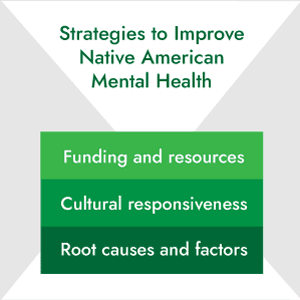
- Strengthening the Workforce: Recruiting and retaining culturally competent mental health professionals, including Indigenous providers, through scholarships, loan repayment programs, and culturally relevant training.
- Expanding Access: Investing in infrastructure for telehealth, mobile clinics, and community-based behavioral health centers.
- Prioritizing Community-Led Solutions: Empowering tribes to design, implement, and evaluate their own mental health programs that align with their cultural values and specific needs.
- Addressing Systemic Inequities: Advocating for policies that address the root causes of mental health disparities, such as poverty, housing insecurity, and educational gaps.
- Promoting Integration: Fostering collaboration between Western medical providers and traditional healers to offer comprehensive, holistic care.
Conclusion: A Collective Responsibility for Healing
The journey towards comprehensive and equitable mental health services on Indian Reservations is ongoing and complex. It demands a deep understanding of historical injustices, a commitment to cultural humility, and sustained investment. By supporting tribal sovereignty in healthcare, fostering culturally relevant approaches, and addressing systemic barriers, we can work towards a future where all Indigenous individuals have access to the mental health care they deserve, fostering healing, resilience, and well-being for generations to come. This is not just a tribal issue; it is a national responsibility.
The strength and resilience of Native American communities are undeniable. With appropriate resources, respect for traditional knowledge, and a commitment to equitable care, the path to healing and thriving is within reach. It requires a collective effort from policymakers, healthcare providers, and the wider community to listen, learn, and support Indigenous-led initiatives.


