
The mental health landscape on Indian Reservations across the United States presents a complex and often heartbreaking picture. For Indigenous communities, the struggle with mental health is not merely a contemporary issue but one deeply intertwined with centuries of historical trauma, systemic oppression, and ongoing socioeconomic disparities. Understanding these challenges requires looking beyond surface-level statistics to the profound cultural, social, and historical contexts that shape the experiences of Native American people today.
Mental wellness, or the lack thereof, within these communities is a critical public health concern that demands attention, empathy, and culturally informed solutions. This article delves into the multifaceted factors contributing to the mental health crisis on reservations, highlights the unique strengths and resilience of Indigenous peoples, and explores the vital steps being taken and still needed to foster healing and well-being.
The Shadow of Historical Trauma: A Lingering Legacy
One cannot discuss mental health on Indian Reservations without acknowledging the pervasive impact of historical trauma. This refers to the cumulative emotional and psychological wounding across generations, stemming from catastrophic group-level events. For Native Americans, these events include forced displacement, massacres, the destruction of cultural practices, and the devastating boarding school era.
The boarding school system, active for over a century, forcibly removed Indigenous children from their families and cultures, subjecting them to abuse, neglect, and the suppression of their identities. The goal was assimilation, but the legacy was profound psychological damage that continues to reverberate through families and communities, manifesting as intergenerational trauma.
Intergenerational trauma means that the pain, coping mechanisms, and unresolved grief of past generations are passed down, impacting the mental and emotional well-being of descendants. This can lead to higher rates of depression, anxiety, PTSD, and substance use disorders, even among those who did not directly experience the initial traumatic events.

Socioeconomic Disparities: Fueling the Crisis
Life on many Indian Reservations is characterized by significant socioeconomic disparities compared to the general U.S. population. High rates of poverty, unemployment, and inadequate housing are unfortunately common. These conditions create chronic stressors that directly impact mental health.
The lack of economic opportunities can lead to feelings of hopelessness and despair, contributing to conditions like depression and anxiety. Limited access to healthy food, safe environments, and quality education further exacerbates the cycle of hardship, making it incredibly difficult for individuals and families to thrive.
Prevalent Mental Health Conditions and Substance Use
The statistics paint a grim picture. Indigenous communities face disproportionately high rates of certain mental health conditions and substance use disorders. Suicide rates among Native American youth, for example, are significantly higher than the national average, often cited as the second leading cause of death for those aged 10-24.
Substance use disorder, particularly related to alcohol and opioids, is another pervasive challenge. While often viewed as a singular problem, it is frequently a coping mechanism for underlying trauma, grief, and mental health issues. The cycle of addiction further strains individuals, families, and community resources.
Conditions like Post-Traumatic Stress Disorder (PTSD) are prevalent, not only due to direct experiences of violence or abuse but also as a result of ongoing systemic racism and the daily stressors of living in marginalized communities. Anxiety disorders and severe depression are also widespread.
Barriers to Accessing Care: A System in Need of Reform
The Power of Resilience and Cultural Healing

Despite the immense challenges, Indigenous communities are characterized by incredible resilience, strength, and a deep connection to their cultural heritage. Traditional practices, ceremonies, and spiritual beliefs play a crucial role in promoting healing and well-being.
Many tribes are revitalizing their languages, ceremonies, and cultural practices as a form of collective healing and empowerment. These traditions offer a sense of identity, belonging, and purpose, which are vital protective factors against mental health challenges. For example, storytelling, drumming circles, and sweat lodges can provide therapeutic benefits that Western medicine often overlooks.
Community-based initiatives, often led by tribal elders and youth, are fostering environments where individuals feel supported and understood. These programs often integrate traditional knowledge with contemporary therapeutic techniques, creating a holistic approach to wellness.
Pathways Forward: Culturally Relevant Solutions
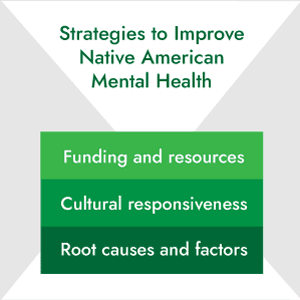
- Increased Funding and Resources: A significant increase in federal funding for the Indian Health Service and tribal health programs is essential to expand services, recruit providers, and develop infrastructure.
- Culturally Competent Care: Training mental health professionals in cultural competency and encouraging the integration of traditional healing practices into Western treatment models is crucial.
- Tribal-Led Initiatives: Supporting and empowering tribal nations to design and implement their own mental health and wellness programs ensures that services are relevant and responsive to community needs.
- Trauma-Informed Approaches: Implementing trauma-informed care across all service sectors, acknowledging the widespread impact of trauma and understanding potential paths for recovery.
- Youth Engagement: Developing prevention and intervention programs specifically tailored for Indigenous youth, focusing on cultural identity, leadership, and peer support.
- Addressing Social Determinants: Investing in economic development, housing, education, and food security initiatives directly impacts mental well-being by reducing chronic stressors.
Advocacy and Awareness: A Collective Responsibility
Raising awareness about the unique mental health challenges faced by Indigenous communities is a collective responsibility. Advocacy for policy changes, increased funding, and respectful collaboration with tribal nations is vital. Understanding the historical context and ongoing systemic issues is the first step toward becoming an ally.
It’s important to remember that Indigenous communities are not monolithic; each tribe has its unique culture, history, and specific needs. Solutions must be tailored and developed in partnership with the communities they aim to serve, respecting their self-determination and wisdom.
Conclusion: Towards a Future of Healing and Hope
The mental health challenges on Indian Reservations are profound, rooted in a painful history, and exacerbated by systemic inequities. Yet, within these communities lies immense strength, resilience, and a deep commitment to healing. By acknowledging the past, investing in culturally relevant solutions, and empowering tribal nations, we can work towards a future where mental wellness is not just an aspiration but a lived reality for all Indigenous peoples.
The journey towards comprehensive mental health equity is long, but with sustained effort, respectful collaboration, and a commitment to justice, healing is possible. Supporting Indigenous-led initiatives and advocating for systemic change are crucial steps in honoring the strength and spirit of Native American communities and helping them rebuild and thrive.


