
The Menominee Indian Tribe of Wisconsin, a sovereign nation with a profound connection to their ancestral lands, represents a remarkable story of resilience, cultural preservation, and sustainable living. Nestled in northeastern Wisconsin, their reservation is not merely a geographic location but a living testament to a people’s enduring spirit and their deep-rooted heritage. This comprehensive guide delves into the multifaceted world of the Menominee, exploring their historical journey, cultural richness, economic ingenuity, and the vital role they play in the fabric of Wisconsin and the broader Indigenous landscape.
For millennia, the Menominee people—whose name, Omaeqnomenew, translates to ‘Wild Rice People’—have inhabited the lands now known as Wisconsin and parts of Michigan. Their ancestral territory once encompassed over 10 million acres, stretching from the Door Peninsula west to the Mississippi River and south to the Milwaukee River. Unlike many tribes, the Menominee have remained in their aboriginal homeland, a unique distinction that underscores their deep and continuous connection to their traditional territories.
A Glimpse into Ancient Roots and Early Encounters
The Menominee’s history is interwoven with the very landscape of the Great Lakes region. Archaeological evidence suggests a continuous presence for over 10,000 years. Their traditional lifestyle was intimately tied to the cycles of nature, revolving around hunting, fishing, gathering wild rice (manoomin), and cultivating crops. This sustainable way of life fostered a deep respect for the environment, a principle that continues to guide their actions today.
European contact, beginning in the 17th century with French explorers and fur traders, brought significant changes. While initial interactions were often cooperative, the subsequent influx of settlers and the shifting geopolitical landscape led to a series of treaties. These treaties, often imposed under duress, systematically reduced the Menominee’s vast ancestral lands to the approximately 235,000-acre reservation they occupy today.
The Establishment of the Reservation and the Fight for Survival
The current Menominee Indian Reservation was formally established in 1854, a fraction of their original domain. This period marked a critical juncture, as the tribe adapted to new boundaries while striving to preserve their cultural identity and self-governance. The reservation system, while limiting, also provided a foundation for the tribe to maintain a communal identity and structure.
Perhaps one of the most challenging periods in Menominee history was the federal policy of termination, enacted in the mid-20th century. In 1954, the Menominee Tribe was singled out for termination, effectively dissolving their federal recognition as a sovereign nation and converting their reservation into a county of Wisconsin. This disastrous policy stripped the tribe of critical federal services, fragmented their land base, and led to severe economic hardship and social disruption.
The Menominee, however, refused to be extinguished. Led by powerful advocates like Ada Deer, a grassroots movement known as DRUMS (Determination of Rights and Unity for Menominee Shareholders) emerged. After years of relentless lobbying and advocacy, their efforts culminated in the Menominee Restoration Act of 1973, signed into law by President Nixon. This landmark legislation reinstated the Menominee Tribe’s federal recognition and restored their reservation status, a monumental triumph for tribal sovereignty and self-determination.
Vibrant Culture and Enduring Traditions
Culture is the heartbeat of the Menominee people. Despite historical pressures, they have meticulously preserved their language, ceremonies, and artistic expressions. The Menominee language (Omaeqnomenew-Kaehteawew) is a vital part of their identity, and significant efforts are underway to revitalize its use among younger generations through immersion programs and educational initiatives.
Their spirituality is deeply connected to the natural world, emphasizing balance, respect, and gratitude. Traditional ceremonies, often tied to seasonal cycles, play a crucial role in reinforcing community bonds and spiritual well-being. Storytelling, passed down through generations, serves as a powerful medium for transmitting history, values, and cultural knowledge.
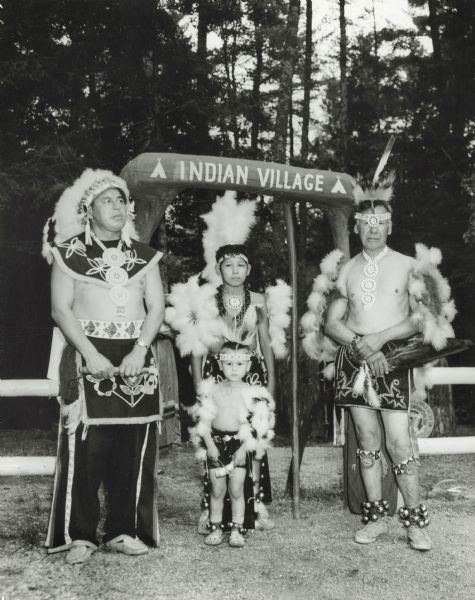
Menominee arts and crafts reflect their close relationship with nature and their rich aesthetic traditions. Intricate basket weaving, often utilizing black ash and sweetgrass, vibrant beadwork, and detailed quillwork are cherished art forms. Traditional regalia, adorned with symbolic designs and natural materials, are proudly worn during powwows and cultural celebrations, showcasing their heritage to the world.
Sustainable Forestry: A Model for the World
One of the most remarkable aspects of the Menominee Reservation is its globally recognized sustainable forestry program. For over 150 years, the Menominee Tribal Enterprises (MTE) has managed their vast forest lands with an ethos that predates modern environmentalism: to harvest one tree and allow for seven to grow in its place. This philosophy ensures the health and longevity of the forest for future generations.
The Menominee forest is a living laboratory, demonstrating how economic prosperity can coexist with ecological preservation. Their selective logging practices, which prioritize forest health over maximizing short-term yield, have resulted in a remarkably diverse and thriving ecosystem. The Menominee forest has more board feet of timber today than it did when scientific logging began in 1854, a testament to their unparalleled stewardship.
This sustainable model has garnered international acclaim, influencing forestry practices worldwide and serving as a powerful example of Indigenous knowledge applied to modern resource management. It’s a cornerstone of their economy and a profound expression of their cultural values.
Economic Development and Self-Sufficiency
Beyond forestry, the Menominee Tribe has diversified its economic portfolio to support its community and foster self-sufficiency. The Menominee Casino Resort is a significant employer and revenue generator, providing essential resources for tribal programs and services. Other tribal enterprises include retail operations, convenience stores, and various services that cater to both tribal members and surrounding communities.
The tribe actively pursues opportunities to expand its economic base, always with an eye toward ventures that align with their cultural values and environmental principles. This commitment to thoughtful development ensures that economic growth benefits the entire community while respecting their heritage.
Education and Community Well-being
Education is highly valued within the Menominee community. The Menominee Indian School District serves tribal youth, often incorporating cultural teachings into its curriculum. A beacon of higher education and cultural preservation is the College of Menominee Nation (CMN), a tribal college founded in 1993.
CMN offers a range of associate and bachelor’s degrees, with a strong emphasis on environmental stewardship, sustainable development, and Menominee language and culture. It provides accessible higher education opportunities for tribal members and others, fostering intellectual growth while reinforcing cultural identity and traditional knowledge.
The tribe also provides essential healthcare services, elder care programs, and youth initiatives, demonstrating a comprehensive commitment to the well-being and holistic development of its members.
Visiting the Menominee Reservation
- Respect the Land: Understand that you are on sovereign tribal land. Always be respectful of natural areas, sacred sites, and private property.
- Cultural Etiquette: If attending a public event like a powwow, observe and listen. Photography may be restricted in certain areas or during specific ceremonies.
- Points of Interest: Explore the Menominee Logging Camp Museum to learn about their sustainable forestry history, or visit the College of Menominee Nation for insights into their educational and cultural initiatives. The Menominee Casino Resort offers entertainment and dining.
- Support Local: Consider purchasing authentic Menominee arts and crafts or supporting tribal businesses.
The Menominee people are proud of their heritage and their journey. Engaging with their community offers a unique opportunity to understand a living culture deeply connected to its past and resolutely focused on its future.
Conclusion: A Legacy of Resilience and Vision
The Menominee Indian Tribe of Wisconsin Reservation stands as a powerful symbol of Indigenous resilience, cultural continuity, and visionary leadership. From their ancient origins as the Wild Rice People to their modern-day triumphs in sustainable forestry and educational innovation, the Menominee have consistently demonstrated an unwavering commitment to their land, their culture, and their future generations. Their story is not just one of survival, but of thriving—a testament to the strength of self-determination and the profound wisdom embedded in traditional ecological knowledge. As they continue to navigate the complexities of the 21st century, the Menominee Tribe remains a guiding light, offering invaluable lessons on living in harmony with the earth and preserving a rich heritage for all time.
The Menominee’s journey reminds us that true progress is measured not just by economic indicators, but by the health of our communities, the vibrancy of our cultures, and our collective stewardship of the planet. Their reservation is more than a place; it is a philosophy, a legacy, and a living promise.


