
Turtle Island: Reclaiming a Continent, Redefining Our Collective Future
The phrase "we are all on Turtle Island" is far more than a poetic re-naming of a continent; it is a profound philosophical statement, a call to historical reckoning, and an urgent directive for our collective future. Stripped of preamble, this assertion immediately challenges the colonial cartography and mindset that have dominated North America for centuries, inviting a deeper, more respectful engagement with the land and its original peoples. To understand its meaning is to embark on a journey of decolonization, reconciliation, and a renewed commitment to ecological stewardship.
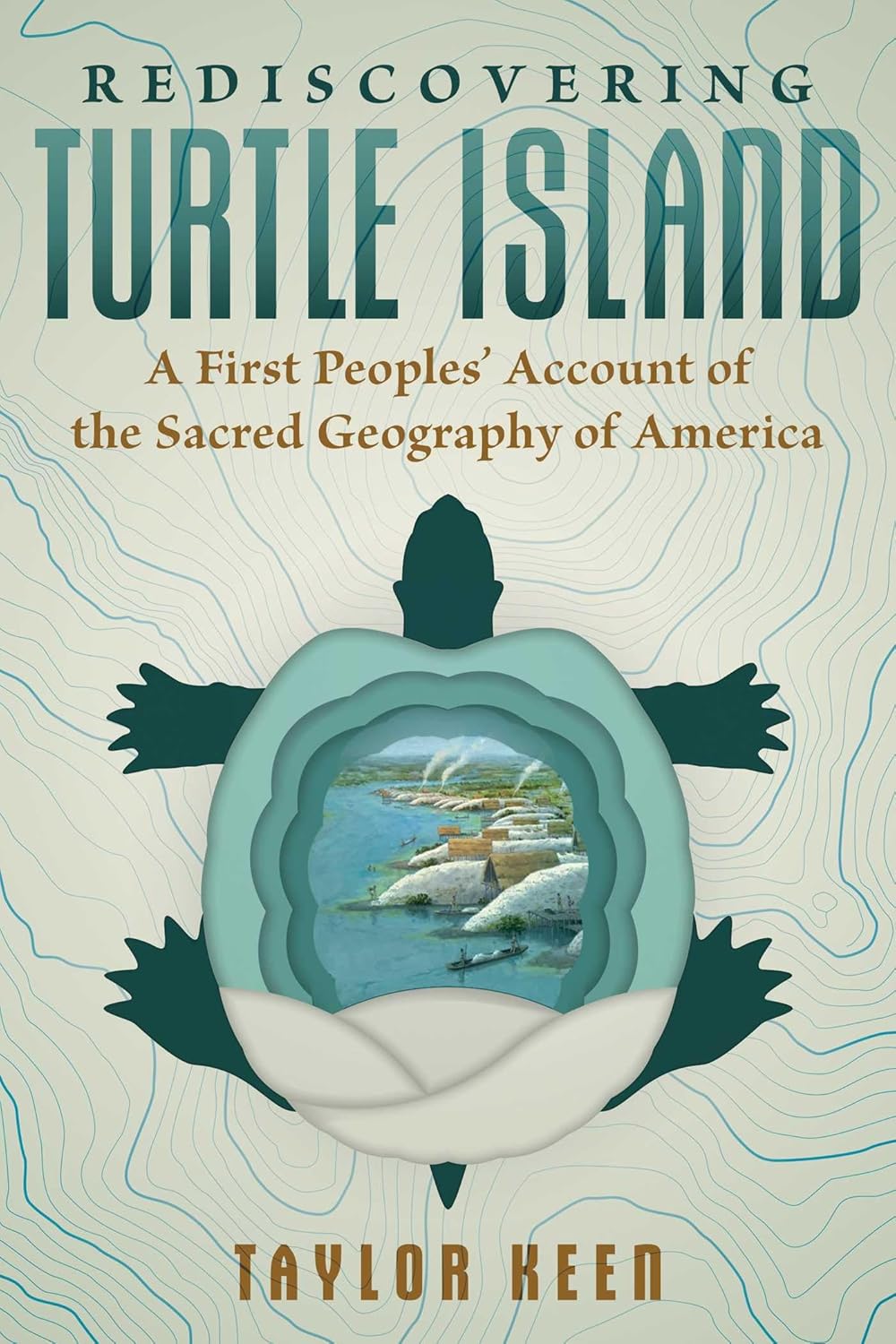
At its heart, "Turtle Island" refers to the landmass known today as North America, as described in the creation stories of numerous Indigenous nations, including the Anishinaabe, Haudenosaunee, Lenape, and many others. While the specifics vary, a common narrative involves a great flood covering the world. In this time of watery chaos, various animals attempt to dive to the bottom to bring up earth. Often, it is a small, humble creature – a muskrat or beaver – that succeeds in bringing a small handful of mud to the surface. This mud is then placed on the back of a giant turtle, which begins to grow, forming the land we now inhabit. This story is not merely myth; it is a foundational cosmology, embedding profound lessons about humility, perseverance, interconnectedness, and the sacredness of the Earth. The turtle, a symbol of longevity and steadfastness, becomes the enduring foundation, the very ground beneath our feet.
For Indigenous peoples, Turtle Island is not just a geographical location but a living entity, a relative, and a source of all life. It represents an unbroken connection to ancestral lands, languages, cultures, and spiritual practices that predate European arrival by millennia. Using "Turtle Island" instead of "North America" or "the Americas" re-centers Indigenous narratives, knowledge systems, and sovereignty, pushing back against the erasure inherent in colonial nomenclature. "America" is a name derived from an Italian cartographer; "Turtle Island" is born from the very land itself, through the stories of its first inhabitants.
When we say "we are all on Turtle Island," the "we" becomes crucial. It extends beyond Indigenous communities to include every person who resides on this continent – settlers, immigrants, and their descendants. This expansive "we" carries a multi-layered significance, demanding a fundamental shift in perspective for non-Indigenous people.
Firstly, it is an acknowledgment of Indigenous presence and sovereignty. It’s a direct challenge to the myth of terra nullius – "empty land" – that justified European colonization. By affirming that we are on Turtle Island, we acknowledge that this land was, is, and always will be Indigenous territory, governed by Indigenous laws and stewardship for countless generations before the arrival of Europeans. This isn’t just about historical fact; it’s about recognizing ongoing Indigenous sovereignty, treaty rights, and inherent nationhood. It means understanding that land acknowledgments are not mere formalities but a profound recognition of a living, ongoing relationship. As Potawatomi scholar Kyle Whyte notes, "Land acknowledgments are not meant to be checkboxes… They are meant to be radical and transformational."
Secondly, it calls for a reassessment of our relationship with the land. The Western worldview often treats land as property, a resource to be owned, exploited, and controlled. The concept of Turtle Island, rooted in Indigenous cosmologies, views land as kin, as Mother Earth, a sacred entity to be respected, cared for, and lived in harmony with. This shift is critical in an era of unprecedented ecological crisis. Indigenous ecological knowledge, honed over millennia of observation and reciprocal relationship with specific bioregions, offers vital solutions to climate change, biodiversity loss, and environmental degradation. To say "we are all on Turtle Island" is to commit to learning from and upholding these principles of stewardship, recognizing that the health of the land is inextricably linked to the health of all its inhabitants. The Tewa Pueblo saying, "We are the land," encapsulates this profound connection, emphasizing that human well-being is inseparable from ecological well-being.
Thirdly, it implies a shared responsibility for truth and reconciliation. The history of colonization on Turtle Island is one of immense suffering, dispossession, cultural genocide, and broken treaties. To be "on Turtle Island" as a non-Indigenous person means confronting this painful history, understanding its ongoing impacts, and actively working towards justice. This involves listening to Indigenous voices, supporting Indigenous-led initiatives, advocating for the implementation of the United Nations Declaration on the Rights of Indigenous Peoples (UNDRIP), and challenging systemic racism embedded in institutions. It means moving beyond mere apology to concrete action that addresses historical injustices and empowers Indigenous communities to thrive on their own terms. Reconciliation is not a destination but an ongoing process of building respectful relationships.
Fourthly, "we are all on Turtle Island" invites a re-evaluation of identity and belonging. For many non-Indigenous people, particularly those whose families have lived here for generations, this land is home. The phrase doesn’t seek to erase that connection but to reframe it within a larger, pre-existing context. It encourages settlers and immigrants to understand their place not as owners or conquerors, but as guests or relatives on Indigenous lands. This reframing can foster a deeper, more grounded sense of belonging that is respectful of the land’s true history and its original caretakers. It challenges the "settler colonial" mindset, which assumes the right to possess and transform Indigenous lands, and instead promotes an ethic of reciprocity and gratitude.
However, the adoption of "Turtle Island" by non-Indigenous people is not without its complexities. There is a fine line between respectful adoption and cultural appropriation. Simply using the term without a genuine commitment to its underlying principles, without engaging with Indigenous peoples, or without understanding its profound significance, can be performative and even harmful. The call is not to simply replace one name with another but to embody the worldview that "Turtle Island" represents. This requires humility, continuous learning, and centering Indigenous voices and leadership. It means understanding that while "we are all on Turtle Island," our experiences and responsibilities differ based on our positions within settler colonial structures.
In practice, living as if "we are all on Turtle Island" means:
- Educating ourselves about the specific Indigenous nations whose traditional territories we occupy, their histories, cultures, and contemporary issues.
- Supporting Indigenous sovereignty through political action, advocating for treaty rights, and supporting land back movements.
- Practicing genuine land stewardship informed by Indigenous ecological knowledge, advocating for environmental protection, and engaging in respectful interaction with the natural world.
- Challenging racism and discrimination against Indigenous peoples in all its forms.
- Building authentic relationships with Indigenous individuals and communities, listening to their perspectives, and acting in solidarity.

The phrase "we are all on Turtle Island" is therefore an invitation to a profound paradigm shift. It is an invitation to shed the colonial lens and adopt a perspective rooted in deep history, ecological wisdom, and ethical responsibility. It is a powerful affirmation of Indigenous resilience and an urgent call for all inhabitants of this continent to recognize their shared destiny on the back of the enduring turtle. In acknowledging this truth, we embark on a collective journey towards a future founded on justice, respect, and a harmonious relationship with the land that sustains us all. This is not just a geographical reorientation; it is a spiritual and political imperative for survival and flourishing in the 21st century.


