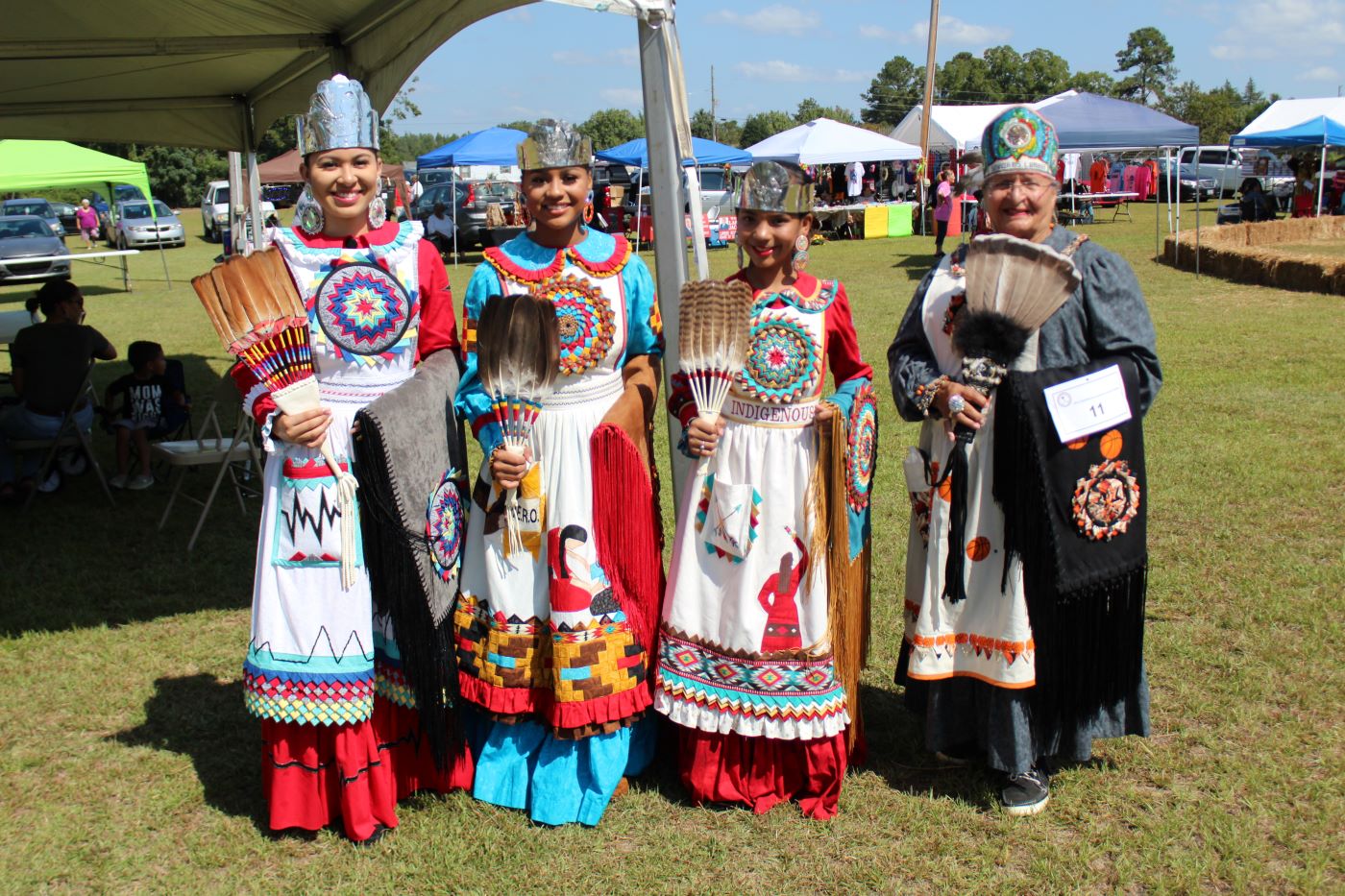
The Lumbee Tribe of North Carolina stands as a testament to resilience, cultural richness, and an enduring spirit. As the largest Native American tribe east of the Mississippi River, their story is deeply interwoven with the fabric of southeastern North Carolina, particularly Robeson County.
Often misunderstood due to their unique history and ongoing struggle for full federal recognition, the Lumbee people have maintained a strong, cohesive identity for centuries. This article aims to provide a comprehensive overview of their heritage, current status, and profound contributions.
Unlike many federally recognized tribes with designated reservations, the Lumbee Tribe does not possess a traditional reservation land base. Their ancestral lands, however, are concentrated in the rural communities of Robeson County and surrounding areas, where generations have lived, worked, and thrived.
This distinct characteristic has often been a point of contention and a hurdle in their quest for full federal acknowledgment, which would grant them the same rights and benefits as other recognized tribes.
The origins of the Lumbee people are complex and subject to various historical interpretations. Many historians and tribal members believe they are descendants of various Eastern Siouan-speaking tribes, including the Cheraw and other Carolina Algonquian groups, who coalesced in the aftermath of colonial conflicts and epidemics.
These ancestors sought refuge and formed new communities in the swampy, isolated areas of what is now Robeson County, preserving their distinct identity despite immense pressures.
Early records from the 18th and 19th centuries document communities of ‘free people of color’ or ‘mulattoes’ in the region, who maintained distinct social structures and cultural practices, often resisting classification within the binary racial systems imposed by colonial society.
These early communities were the progenitors of the modern Lumbee people, demonstrating a continuous presence and self-identification as Native Americans long before formal recognition debates began.
The Lumbee Tribe’s journey toward official recognition has been protracted and challenging. North Carolina officially recognized the Lumbee as an Indian tribe in 1887, providing them with separate schools and certain state-level services.
However, federal recognition, which carries significant implications for sovereignty, self-governance, and access to federal programs, has remained elusive, despite decades of persistent advocacy.
A pivotal moment came with the passage of the Lumbee Act of 1956. While this act recognized the Lumbee as an Indian tribe, it simultaneously included a provision that explicitly denied them eligibility for services provided to other federally recognized tribes.
This ‘poison pill’ clause has been a major point of contention, effectively creating a second-class status and fueling the tribe’s ongoing efforts to achieve full and equitable federal acknowledgment.
Efforts to amend the 1956 act and secure full federal recognition continue to this day, with various bills introduced in Congress over the years. The tribe’s relentless pursuit highlights their commitment to justice and equality.
The Lumbee culture is vibrant and deeply rooted in family, community, and shared heritage. While much of their ancestral language has been lost over time due to historical pressures, cultural preservation efforts are strong.
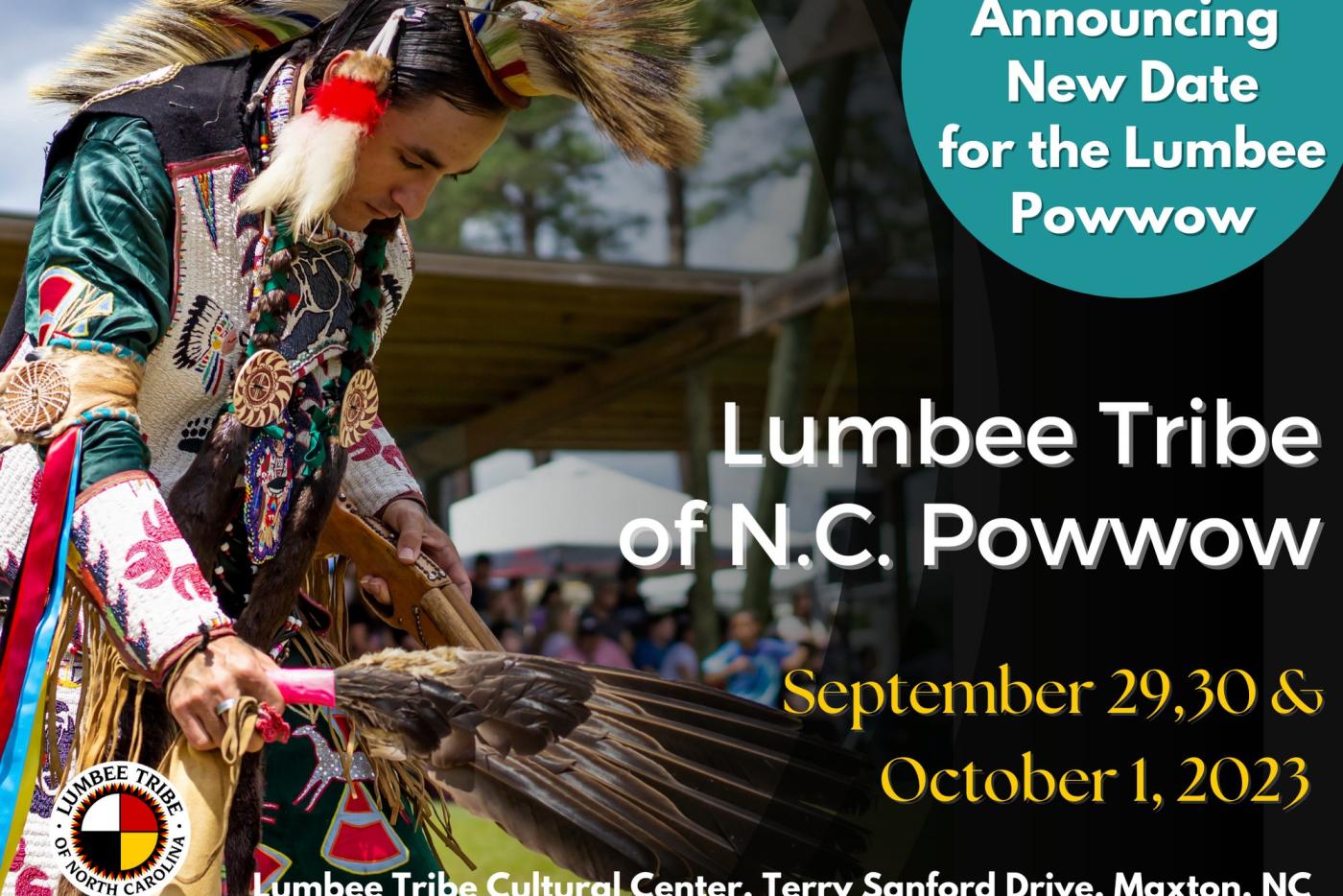
Storytelling, traditional arts and crafts such as pine needle basketry, and distinctive culinary traditions are integral to Lumbee identity. Community gatherings, powwows, and cultural events serve to reinforce these bonds and educate younger generations.
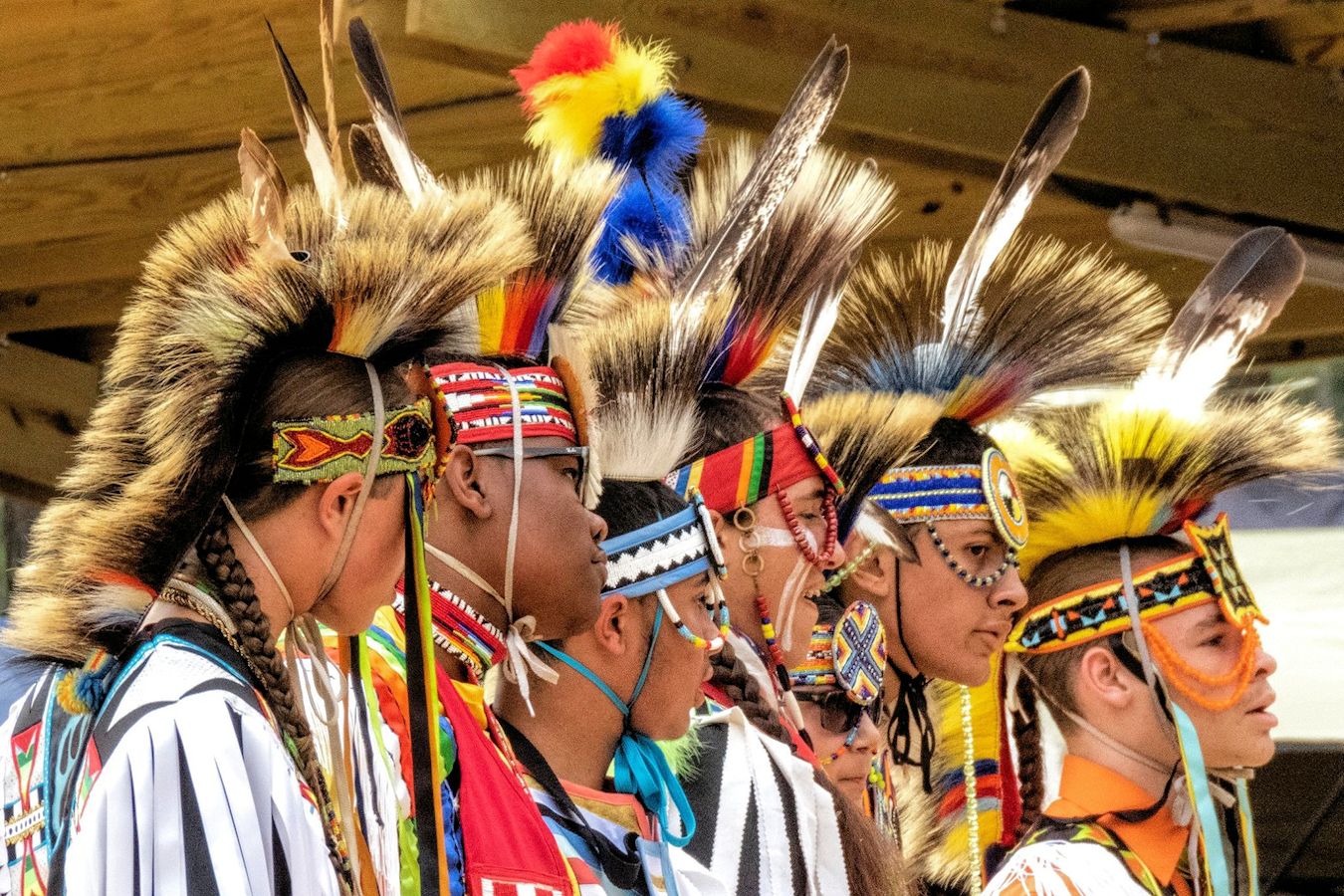
The annual Lumbee Homecoming, held in Pembroke, NC, is a monumental event, drawing thousands of Lumbee people and visitors from across the nation to celebrate their heritage through parades, pageants, music, and food.
Education has always been highly valued within the Lumbee community. The founding of what is now the University of North Carolina at Pembroke (UNC Pembroke) in 1887, initially as the Croatan Normal School for the education of Indian children, underscores this commitment.
UNC Pembroke remains a vital institution, serving as a cultural and educational hub for the Lumbee people and the broader region, producing numerous leaders, educators, and professionals.
The Lumbee Tribe is governed by an elected Tribal Council and a Chairman, who work tirelessly to serve their community. Their initiatives span a wide range of areas, including economic development, healthcare, housing, and social services.
Despite the limitations imposed by their lack of full federal recognition, the Lumbee Tribe has established numerous programs and enterprises to benefit their members, demonstrating remarkable self-sufficiency and strategic leadership.
Economically, the Lumbee people have historically relied on agriculture, particularly tobacco farming. Today, the tribe is actively pursuing diverse economic development strategies, including small businesses, construction, and government contracting.
These efforts aim to create opportunities, reduce unemployment, and build a sustainable economic future for tribal members within Robeson County and beyond.
Healthcare access and outcomes are critical concerns. The tribe operates health clinics and partners with various organizations to provide essential medical, dental, and behavioral health services to its members, often filling gaps left by state and federal systems.
The Lumbee Tribe has made significant contributions to North Carolina and the United States. Lumbee individuals have served with distinction in every major American conflict, contributing to the nation’s defense.
They have also excelled in fields such as politics, education, sports, and the arts, breaking barriers and enriching the cultural landscape of the state and the nation.
Understanding the Lumbee Tribe requires dispelling common misconceptions. They are not a ‘new’ tribe, nor are they a fabricated group. Their historical continuity and self-identification as Native Americans are well-documented.
The ongoing debate over federal recognition is not about proving their indigeneity, but about rectifying historical injustices and ensuring equitable treatment under federal law.
The Lumbee Tribe’s journey is a powerful narrative of cultural preservation, community resilience, and the relentless pursuit of justice. Their story is a vital part of the broader American narrative, showcasing the strength and perseverance of indigenous peoples.
As they continue their advocacy for full federal acknowledgment, the Lumbee Tribe remains a beacon of cultural pride and a testament to the enduring spirit of Native Americans in the southeastern United States.
In conclusion, the Lumbee Tribe of North Carolina represents a vibrant and historically significant indigenous community. Their deep roots in Robeson County, their steadfast cultural practices, and their unwavering fight for federal recognition highlight a unique and powerful legacy.
From their complex origins as descendants of various Eastern Siouan tribes to their modern-day leadership in economic development and cultural preservation, the Lumbee people exemplify strength and determination. Their story is not just one of struggle, but also of profound resilience, community solidarity, and an enduring commitment to their identity. The quest for full federal acknowledgment remains a central goal, promising to further empower this remarkable tribe and solidify their rightful place among the nation’s indigenous peoples.


