
The vast and often stark landscapes of Nevada hold stories etched deep into the earth, stories of resilience, tradition, and enduring human spirit. Among these narratives is that of the Lovelock Paiute Tribe, whose reservation stands as a testament to their continued presence and cultural vitality in the heart of the Great Basin.
Understanding the Lovelock Paiute Tribe Reservation is not merely about locating a geographical point on a map; it’s about appreciating a living culture, a history of adaptation, and the ongoing journey of a sovereign nation within the United States.
This comprehensive article aims to shed light on the rich heritage of the Lovelock Paiute, exploring their historical roots, the establishment of their reservation, their vibrant cultural practices, and the modern challenges and triumphs they face.
We will delve into the profound connection the Lovelock Paiute people have with their ancestral lands, particularly the iconic Lovelock Cave, a site of immense archaeological and cultural significance that predates many known civilizations.
The Ancestral Roots: Northern Paiute Heritage
The Lovelock Paiute are part of the larger Northern Paiute (Nüümü) linguistic and cultural group, whose traditional territories spanned across parts of present-day Nevada, Oregon, and California. For millennia, these indigenous peoples thrived in the challenging Great Basin environment.
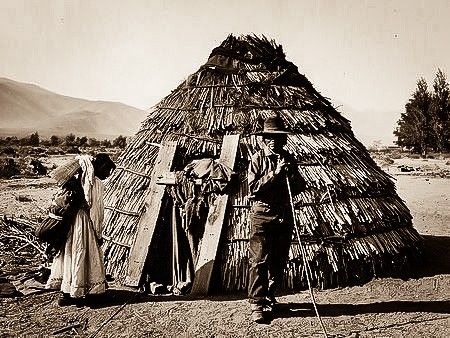
Their traditional lifeways were characterized by a deep understanding of the land, utilizing seasonal resources through hunting, fishing, and extensive gathering. They were master basket weavers, skilled hunters, and astute observers of nature, developing sophisticated knowledge systems to sustain their communities.
The Northern Paiute people were organized into various bands, often named after their primary food source or geographical location. The ancestors of the Lovelock Paiute were among those who lived around the Humboldt Sink and the surrounding fertile areas, rich with waterfowl and plant life.
The Impact of European-American Expansion
The arrival of European-American trappers, explorers, and later, settlers and miners in the 19th century, dramatically altered the landscape and lifeways of the Northern Paiute. The California Gold Rush and the subsequent influx of non-Native populations led to increased competition for resources and violent conflicts.
Traditional hunting grounds were disrupted, water sources diverted, and the very fabric of Paiute society came under immense pressure. This period marked a tragic chapter of displacement, disease, and forced assimilation for many indigenous communities across the West.
Despite these overwhelming challenges, the Paiute people demonstrated remarkable resilience, adapting where necessary while striving to maintain their cultural identity and sovereignty.
The Establishment of the Lovelock Paiute Reservation
The Lovelock Paiute Tribe Reservation, officially known as the Lovelock Indian Colony, was established in 1917. Its creation was a response to the need for a designated land base for the Paiute people who had historically inhabited the area around Lovelock, Nevada.
The reservation is relatively small, encompassing approximately 20 acres, located just southwest of the city of Lovelock in Pershing County, Nevada. Despite its size, it serves as a vital cultural and governmental center for the tribe.

Its establishment, like many reservations, was a complex process involving federal policy, land negotiations, and the ongoing efforts of tribal leaders to secure a future for their people amidst a rapidly changing world.
Culture and Traditional Practices
The Lovelock Paiute Tribe maintains a strong connection to its ancestral culture. The Northern Paiute language, though endangered, is a crucial part of their heritage, and efforts are underway for its revitalization among younger generations.
Traditional arts, such as basket weaving, continue to be practiced and celebrated. These intricate baskets are not merely utilitarian objects but carry deep cultural meaning, often reflecting stories, beliefs, and the natural world.
Ceremonies and social gatherings, including powwows and cultural celebrations, are important for reinforcing community bonds, teaching traditions to youth, and sharing their vibrant culture with others. These events often feature traditional dances, songs, and storytelling.
The connection to the land remains paramount. Traditional ecological knowledge, passed down through generations, guides their understanding of the environment and their responsibilities as stewards of the land.
Governance and Self-Determination
The Lovelock Paiute Tribe operates as a sovereign nation with its own distinct governmental structure. The tribal council, elected by tribal members, makes decisions regarding the welfare of the community, economic development, and cultural preservation.
Tribal sovereignty is a fundamental principle, allowing the Lovelock Paiute to govern themselves, manage their resources, and protect their unique cultural identity, free from undue external interference.
This self-governance is crucial for addressing the specific needs of their community, from housing and infrastructure to social services and educational programs tailored to their cultural values.
Economic Development and Challenges
Like many tribal nations, the Lovelock Paiute Tribe faces various economic challenges. Developing sustainable economic opportunities on a small land base is a continuous effort.
The tribe explores various avenues for economic growth, which may include small businesses, cultural tourism initiatives (where appropriate and desired by the tribe), and partnerships that respect tribal sovereignty and values.
Employment opportunities, access to capital, and infrastructure development are ongoing priorities aimed at improving the economic well-being and self-sufficiency of tribal members.
Education and Healthcare
The tribe is dedicated to providing access to quality education and healthcare for its members. This includes supporting local schools, offering scholarships for higher education, and advocating for culturally sensitive health services.
Preserving the Northern Paiute language and cultural knowledge through educational programs is a key focus, ensuring that future generations remain connected to their heritage.
Lovelock Cave: A Site of Ancient Significance
While not directly on the reservation, Lovelock Cave, located nearby, holds immense historical and archaeological significance for the Paiute people and for understanding ancient human habitation in North America.
This cave has yielded artifacts dating back thousands of years, providing invaluable insights into the lives of the early inhabitants of the Great Basin, including evidence of elaborate basketry, tools, and mummified remains. It underscores the deep ancestral ties of the Paiute to this region.
Visiting and Respecting Tribal Lands
It is important to remember that the Lovelock Paiute Reservation is a living community and a sovereign nation. Access to tribal lands and participation in cultural events are typically at the discretion of the tribal government.
Visitors interested in learning more should always seek information from official tribal sources and respect any guidelines or restrictions regarding access. Respect for tribal culture, privacy, and land is paramount.
The Future: Resilience and Self-Determination
The Lovelock Paiute Tribe continues to look towards the future with strength and determination. Their efforts are focused on cultural preservation, economic development, and ensuring the well-being and prosperity of their community.
The ongoing journey of the Lovelock Paiute is a powerful example of indigenous resilience, demonstrating how a people can maintain their identity, traditions, and sovereignty in the face of historical adversity and contemporary challenges.
Their story is an integral part of Nevada’s heritage and a vital contribution to the diverse cultural tapestry of the United States.
Conclusion: A Legacy of Enduring Spirit
The Lovelock Paiute Tribe Reservation in Nevada stands as a vibrant beacon of indigenous culture and resilience. From their ancient ancestral roots as the Northern Paiute people to the establishment of their modern reservation, their journey is one of enduring spirit.
Their rich traditions, commitment to self-governance, and ongoing efforts in cultural and economic development exemplify the strength of Native American communities. Understanding and respecting the Lovelock Paiute Tribe’s history and contributions is essential for a complete appreciation of Nevada’s diverse heritage.
The Lovelock Paiute are not just a part of history; they are a dynamic, living culture actively shaping their future while honoring their profound past, deeply connected to the land they call home.


