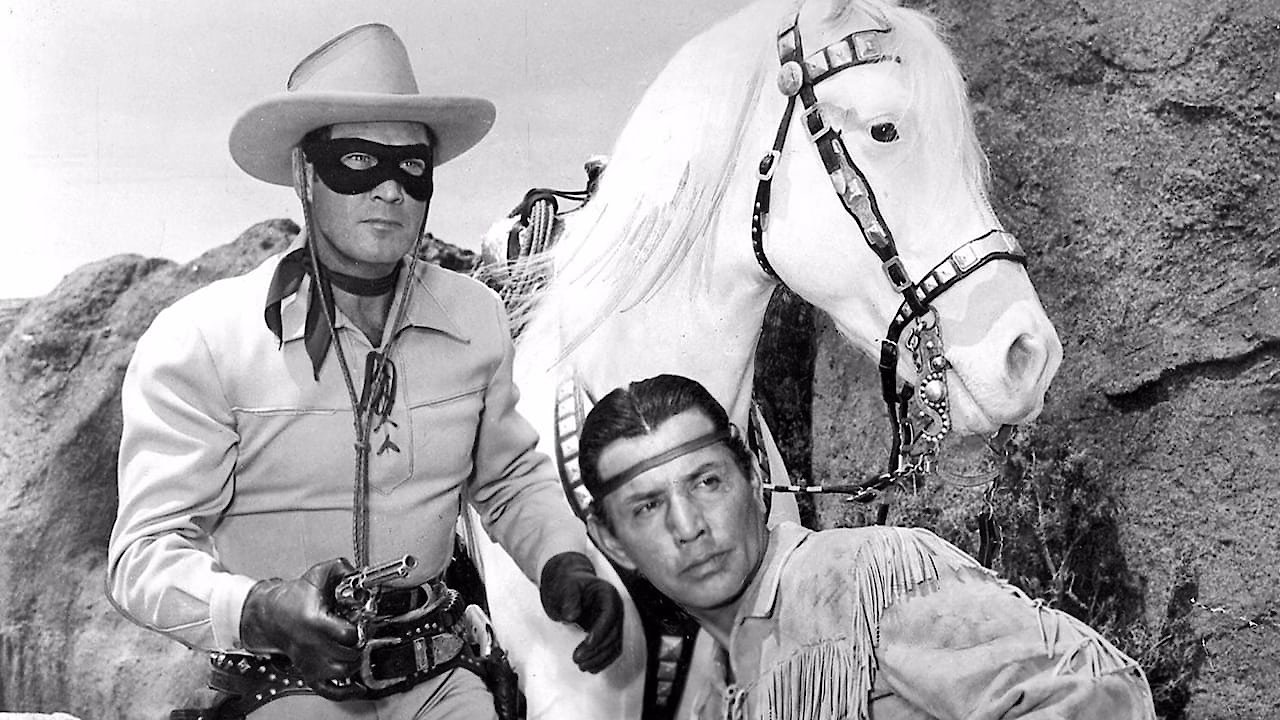
The vast, untamed American West has long served as a captivating backdrop for tales of heroism, justice, and unwavering friendship. Among these narratives, few shine as brightly or resonate as deeply as that of The Lone Ranger. With his trusty steed Silver, his Native American companion Tonto, and the iconic call of ‘Hi-Yo, Silver!’ and the unforgettable address ‘Kemosabe,’ The Lone Ranger carved out an indelible place in popular culture.
For generations of fans, the allure of The Lone Ranger lies not just in his masked identity or his silver bullets, but in the moral compass he represented and the unique partnership he shared with Tonto. This article delves into the world of Lone Ranger Kemosabe TV Show Clips, exploring their enduring appeal, the historical context, and why these moments continue to captivate audiences worldwide.
The Genesis of a Legend: From Radio Waves to Television Screens
The legend of The Lone Ranger began not on television, but on the radio waves. First airing in 1933, the character quickly became a sensation, captivating listeners with thrilling adventures and a clear message of right versus wrong. By 1949, the masked rider of the plains transitioned to the burgeoning medium of television, bringing his adventures to a new, visual era.
The live-action television series, starring Clayton Moore as The Lone Ranger and Jay Silverheels as Tonto, ran from 1949 to 1957. This iteration cemented the characters’ visual identities and iconic catchphrases, including the much-loved term of endearment, ‘Kemosabe.’ These classic episodes are the primary source for many of the memorable clips cherished by fans.
Unpacking ‘Kemosabe’: A Symbol of Brotherhood

The term ‘Kemosabe’ is perhaps one of the most recognizable phrases associated with The Lone Ranger. Uttered by Tonto to his masked friend, it has become synonymous with their deep bond. While its exact etymology has been debated, often attributed to Native American languages, its meaning within the show was always clear: a trusted friend, a faithful scout, or a good partner.
The consistent use of ‘Kemosabe’ in their dialogue underscored the unique respect and understanding between the two protagonists. It was a term of endearment that transcended cultural differences, symbolizing a profound and reliable friendship in a world often fraught with danger and deceit. Many classic clips feature Tonto using this term, often at critical moments of their adventures.
Iconic Lone Ranger Kemosabe TV Show Clips: Moments That Defined a Series
The television series provided countless memorable moments that have been preserved as iconic clips. These snippets often highlight the duo’s teamwork, moral stance, or signature actions.
One of the most frequently replayed clips features The Lone Ranger’s dramatic entrance, often with Silver rearing up, followed by his signature call: ‘Hi-Yo, Silver, away!’ This moment perfectly encapsulated the hero’s swift arrival and commitment to justice.
Another classic type of clip involves the duo’s detective work. The Lone Ranger and Tonto were often seen analyzing clues, tracking outlaws, and devising plans. Tonto’s tracking skills and keen observations, often communicated with his distinctive dialogue and the use of ‘Kemosabe,’ were integral to their success.
Clips showcasing the firing of the silver bullet are also highly sought after. The Lone Ranger never shot to kill, but rather to disarm or mark outlaws, leaving a silver bullet as his calling card and a symbol of justice. These moments emphasized his unwavering moral code.
The farewell scenes, where The Lone Ranger and Tonto would ride off into the sunset, with a grateful citizen asking, ‘Who was that masked man?’ and the iconic response, ‘He was The Lone Ranger!’, are perhaps the most enduring. These clips encapsulated the mystery and selfless nature of the hero, always moving on to the next challenge.
Where to Find Lone Ranger Kemosabe TV Show Clips Today
For those eager to revisit these classic moments or introduce a new generation to the masked hero, finding Lone Ranger Kemosabe TV Show Clips is easier than ever.
- Streaming Services: Some classic TV archives or dedicated Western channels on streaming platforms occasionally feature episodes of the original series.
- YouTube: A treasure trove of fan-uploaded clips, full episodes, and compilations exists on YouTube, perfect for quick nostalgic trips or specific scene searches.
- DVD/Blu-ray Collections: Many complete series sets are available for purchase, offering the highest quality viewing experience for dedicated fans.
- Archival Websites: Public domain content sites or classic TV archives may host episodes or clips for free viewing.
The Enduring Partnership: Lone Ranger and Tonto’s Dynamic
The heart of The Lone Ranger’s appeal lies in the profound partnership between the masked rider and Tonto. Their relationship was built on mutual respect, trust, and shared values, making it a compelling model of interracial friendship for its time.
Tonto, often portrayed as the wise and stoic companion, brought invaluable skills and insights to their adventures. His deep understanding of the wilderness, his tracking abilities, and his calm demeanor often complemented The Lone Ranger’s more action-oriented approach. The term ‘Kemosabe’ became a shorthand for this deep, unspoken understanding.
People Also Ask: Common Questions About The Lone Ranger and Kemosabe
The enduring popularity of The Lone Ranger naturally sparks many questions from fans old and new. Here, we address some common inquiries often associated with Lone Ranger Kemosabe TV Show Clips.
Who played the Lone Ranger and Tonto in the classic TV series? The iconic roles were brought to life by Clayton Moore as The Lone Ranger and Jay Silverheels as Tonto. Their performances are largely responsible for the characters’ lasting image and appeal.
What does ‘Kemosabe’ truly mean? While there are various theories, many sources link it to Native American languages, specifically Ojibwe or Potawatomi, meaning ‘trusty scout’ or ‘faithful friend.’ Within the context of the show, it unequivocally signified a deep bond of friendship and respect.
When did The Lone Ranger first appear? The character first debuted on radio in 1933, with the classic television series premiering in 1949.
What was the Lone Ranger’s horse’s name? His magnificent white stallion was named Silver, famed for his speed and intelligence. Tonto’s horse was named Scout.
Is The Lone Ranger still popular today? Absolutely. While perhaps not as omnipresent as in its heyday, The Lone Ranger maintains a significant cultural footprint. His stories of justice and friendship continue to be revisited through reruns, streaming, and merchandise, proving his timeless appeal.
The Cultural Impact and Legacy
The Lone Ranger’s influence extends far beyond mere entertainment. The show championed themes of justice, honesty, and loyalty. The Lone Ranger always helped those in need, never sought personal gain, and upheld a strict moral code, making him an aspirational figure.
The portrayal of Tonto, while viewed through a different lens in modern times regarding historical accuracy and representation, was groundbreaking in its depiction of a Native American character as an intelligent, brave, and indispensable partner. The ‘Kemosabe’ relationship highlighted a bond of equality and mutual reliance.
The series also played a significant role in shaping the Western genre for television, influencing countless subsequent shows and films. Its clear-cut morality and thrilling adventures set a high bar for storytelling in the early days of television.
Conclusion: The Unfading Echo of ‘Hi-Yo, Silver!’
From the thrilling ‘Hi-Yo, Silver!’ to the heartfelt ‘Kemosabe,’ the television clips of The Lone Ranger and Tonto continue to resonate with audiences. They are more than just snippets of an old TV show; they are windows into a bygone era of heroism, friendship, and unwavering moral principles.
The legacy of The Lone Ranger endures because his message of justice, courage, and integrity remains timeless. As we revisit these classic Lone Ranger Kemosabe TV Show Clips, we are reminded of the power of a good story and the iconic partnership that taught generations the true meaning of being a ‘Kemosabe’ – a trusted friend, indeed.


