The Little River Band of Ottawa Indians (LRBOI) stands as a testament to enduring resilience, cultural preservation, and significant economic development in West Michigan. Nestled along the shores of Lake Michigan, near Manistee, their story is one of profound connection to ancestral lands, a arduous fight for federal recognition, and a modern commitment to self-determination and community prosperity.
This comprehensive guide delves into the multifaceted world of the LRBOI, exploring their historical roots, the vibrant culture of the Odawa people, their innovative economic ventures, and their unwavering dedication to environmental stewardship and tribal member well-being. Join us as we uncover the vital contributions of this sovereign nation.
A Legacy of Resilience: Understanding the Little River Band of Ottawa Indians
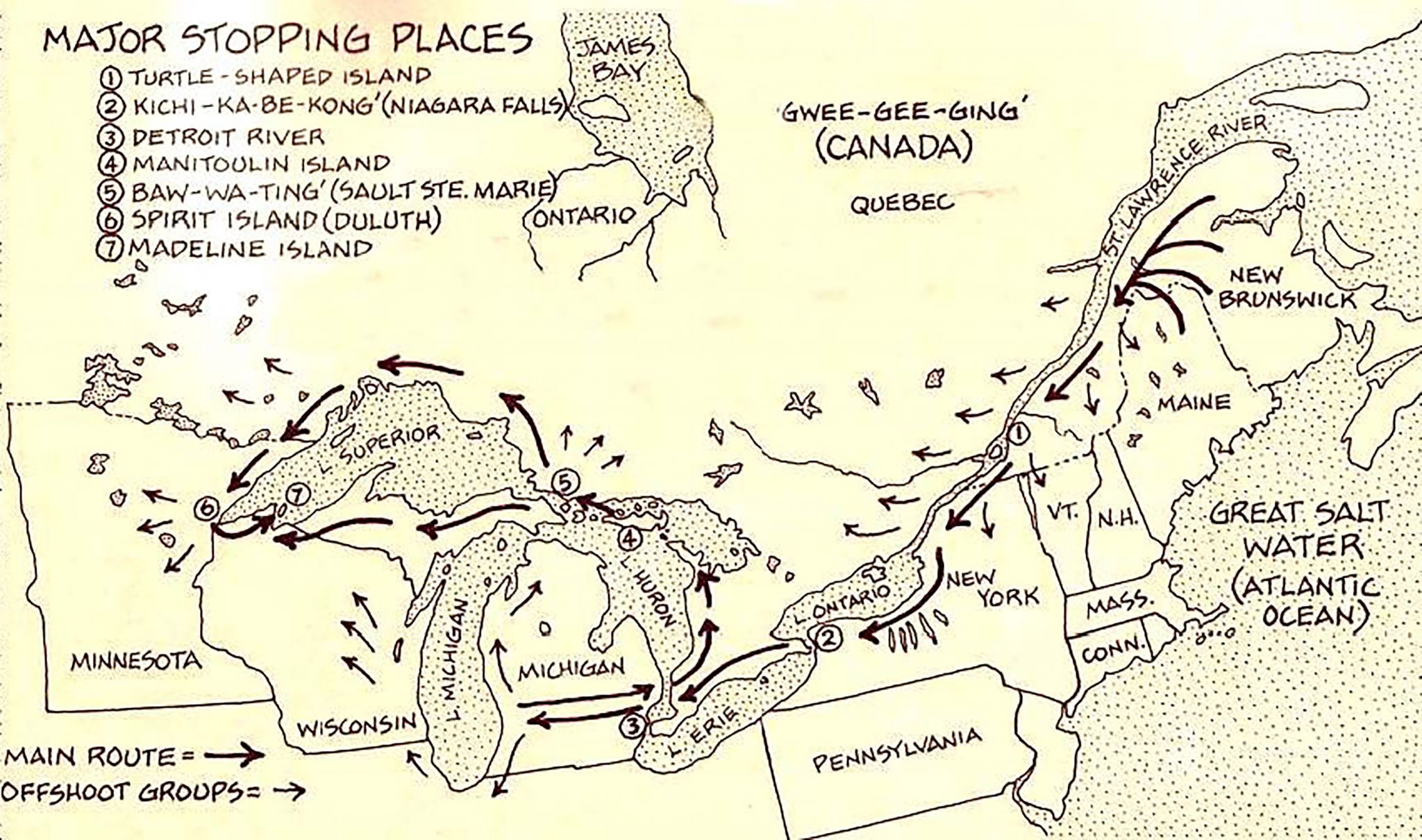
The Little River Band of Ottawa Indians are descendants of the historic Ottawa (Odawa) people, one of the three tribes of the Anishinaabeg (Ojibwe, Odawa, and Potawatomi). Their ancestral territory once spanned vast areas of the Great Lakes region, including significant portions of what is now Michigan.
Their history is deeply intertwined with the landscape, particularly the rivers and lakes that provided sustenance and pathways for trade. The name ‘Little River Band’ itself reflects this connection, stemming from their traditional settlements along the Manistee River.
From Treaty Lands to Federal Recognition: A Journey Through Time

The 19th century brought immense challenges to the Odawa people, marked by a series of treaties with the United States government. These agreements often led to significant land cessions and the forced removal of tribes from their traditional territories. Despite these pressures, many Odawa people resisted removal and remained in Michigan, often living in scattered communities and enduring periods of hardship.
For generations, the ancestors of the Little River Band maintained their cultural identity and community ties, even without formal federal acknowledgment. The arduous pursuit of federal recognition, a critical step for tribal sovereignty and access to federal programs, culminated in 1994 when the Little River Band of Ottawa Indians officially regained their status as a federally recognized tribe.
The Little River Band of Ottawa Indians’ primary governmental and economic hub is situated in Manistee, Michigan. Their reservation lands are located within Manistee County, offering a strategic position in the beautiful natural surroundings of the Great Lakes region. This location is not just geographical; it is profoundly spiritual and historical, reflecting centuries of presence.
The Heart of the Reservation: Manistee, Michigan
Manistee, a picturesque city on the eastern shore of Lake Michigan, serves as the primary gateway to the Little River Band’s reservation. The area is renowned for its natural beauty, including pristine beaches, forests, and the Manistee River, which has long been central to the tribe’s identity and way of life. The tribe’s presence has significantly shaped the local economy and cultural landscape.
Tribal Government and Self-Governance: A Modern Nation
As a federally recognized sovereign nation, the Little River Band of Ottawa Indians exercises the inherent right of self-governance. Their governmental structure includes a Tribal Council, elected by tribal members, which oversees all aspects of tribal administration, policy-making, and community services. This self-determination is crucial for addressing the unique needs and aspirations of their people.
The Tribal Council is responsible for managing tribal resources, developing economic initiatives, providing essential services to members, and protecting treaty rights. This robust governmental framework ensures that decisions are made with the best interests of the LRBOI community at heart.
Preserving Culture and Language: The Spirit of the Odawa People

Cultural preservation is a cornerstone of the Little River Band’s mission. Efforts are actively underway to revitalize Anishinaabemowin, the Odawa dialect of the Anishinaabe language, through classes, immersion programs, and cultural events. This language is not merely a means of communication; it is a repository of their history, worldview, and identity.
Traditional ceremonies, storytelling, drumming, dancing, and artistic expressions like quillwork and basketry are regularly practiced and taught. These cultural activities reinforce community bonds and ensure that the rich heritage of the Odawa people is passed down to future generations.
Education Initiatives: Empowering the Next Generation
The LRBOI places a strong emphasis on education as a pathway to empowerment and self-sufficiency. They offer various educational programs, including scholarships for higher education, tutoring services, and cultural education initiatives for youth. These programs aim to equip tribal members with the skills and knowledge needed to thrive in both modern society and within their cultural context.
Healthcare and Wellness: Community Well-being
Committed to the holistic well-being of its members, the Little River Band provides comprehensive healthcare services. These services often integrate Western medicine with traditional healing practices, reflecting a culturally sensitive approach to health. Access to quality healthcare is a fundamental right and a priority for the tribal government.
Economic Development: Building a Sustainable Future
Since achieving federal recognition, the Little River Band has strategically pursued economic development to create opportunities for its members and fund essential tribal services. Their economic ventures have transformed the region, providing employment and contributing significantly to the local and state economies.
The Little River Casino Resort: A Cornerstone of Prosperity
The most prominent of the LRBOI’s economic enterprises is the Little River Casino Resort. Located just outside Manistee, the resort is a major employer and a popular destination for entertainment, dining, and lodging. Revenue generated from the casino resort is critical; it directly funds tribal government operations, social services, educational programs, and infrastructure development, reducing reliance on external funding.
The resort features a wide array of gaming options, multiple restaurants, a hotel, an event center, and an RV park, making it a comprehensive destination for visitors and a vital economic engine for the tribe.
Beyond Gaming: Diversifying the Tribal Economy
While the casino resort is a primary driver, the LRBOI is actively diversifying its economic portfolio. This includes investments in other businesses such as gas stations, convenience stores, and potentially other ventures that contribute to long-term financial stability and job creation for tribal members and the surrounding community. Economic diversification is key to future resilience.
Environmental Stewardship: Guardians of the Great Lakes
Deeply rooted in their traditional beliefs, the Little River Band of Ottawa Indians are fervent stewards of the environment. They actively engage in conservation efforts, protecting the natural resources of their ancestral lands, particularly the Manistee River and the Great Lakes. Their work includes water quality monitoring, fisheries management, and habitat restoration, ensuring these resources remain healthy for generations to come.
Cultural Events and Community Gatherings
The Little River Band hosts various cultural events throughout the year, many of which are open to the public. These events, such as annual powwows, offer a unique opportunity for visitors to experience Odawa culture firsthand through traditional drumming, dancing, regalia, and cuisine. They are vibrant celebrations of identity and community.
Visiting the Little River Band Reservation: What to Expect
Visitors are welcome to experience the hospitality of the Little River Band. While direct access to all tribal lands may be restricted for privacy, public-facing enterprises like the Little River Casino Resort are open. When visiting, it is important to show respect for tribal sovereignty and culture. Engaging respectfully with tribal members and learning about their history enriches the experience.
Supporting the Community: How Visitors Can Engage
Supporting the Little River Band of Ottawa Indians can take many forms: visiting the Little River Casino Resort, purchasing goods from tribal enterprises, or learning more about their history and cultural initiatives. Attending public cultural events is also a wonderful way to show support and foster understanding.
Challenges and Opportunities: Navigating the Future
Like all sovereign nations, the LRBOI faces ongoing challenges, including protecting treaty rights, addressing social issues, and adapting to economic shifts. However, their strong governmental structure, commitment to cultural preservation, and strategic economic development position them well to meet these challenges and seize future opportunities for growth and prosperity.
The Role of Treaty Rights in Modern Governance
Understanding treaty rights is fundamental to comprehending the Little River Band’s modern governance. These treaties, though often violated in the past, form the legal basis for tribal sovereignty and define the relationship between the tribe and the federal government. The LRBOI actively defends these rights, which include hunting, fishing, and gathering rights, as well as rights to self-governance.
Community Services: A Holistic Approach to Member Support
Beyond economic development and cultural programs, the LRBOI provides a comprehensive suite of social services to its members. These include housing assistance, elder care, youth programs, and family support services. This holistic approach ensures that tribal members have access to the resources they need to lead healthy and fulfilling lives within their community.
The Little River Band’s Impact on Manistee County
The presence of the Little River Band of Ottawa Indians has had a profound and positive impact on Manistee County and the surrounding region. They are a major employer, a significant contributor to the tax base, and a cultural enrichment for the area. Their commitment to community partnership fosters mutual respect and shared prosperity.
Frequently Asked Questions (FAQs)
What is the Little River Band of Ottawa Indians known for? The Little River Band is known for its strong commitment to cultural preservation, its successful economic development, particularly the Little River Casino Resort, and its resilience in regaining federal recognition and exercising tribal sovereignty.
How many members are in the Little River Band of Ottawa Indians? The LRBOI has over 4,000 enrolled members, with a significant portion residing in or near their ancestral lands in Michigan. This number continues to grow as the tribe thrives.
What language do the Ottawa Indians speak? The traditional language of the Ottawa (Odawa) people is Anishinaabemowin, an Algonquian language. The Little River Band is actively engaged in language revitalization efforts to ensure its continuity.
Is the Little River Casino Resort owned by the tribe? Yes, the Little River Casino Resort is wholly owned and operated by the Little River Band of Ottawa Indians. It serves as the primary economic engine for the tribe, funding essential governmental services and community programs.
What is the significance of the Odawa people? The Odawa people are one of the three core tribes of the Anishinaabeg, historically significant for their extensive trade networks, skilled navigation of the Great Lakes, and rich cultural traditions. They continue to be a vibrant and influential force in Indigenous communities.
Conclusion: A Beacon of Resilience and Progress
The Little River Band of Ottawa Indians Reservation is more than just a geographical location; it is a living, breathing testament to the strength, spirit, and enduring legacy of the Odawa people. From their profound historical connections to the land to their modern triumphs in self-governance and economic development, the LRBOI exemplifies resilience.
Their unwavering dedication to cultural preservation, environmental stewardship, and the well-being of their community serves as an inspiring model. As they continue to grow and thrive, the Little River Band of Ottawa Indians remains a vital and influential sovereign nation, enriching West Michigan and contributing significantly to the broader tapestry of Native American culture and progress.


