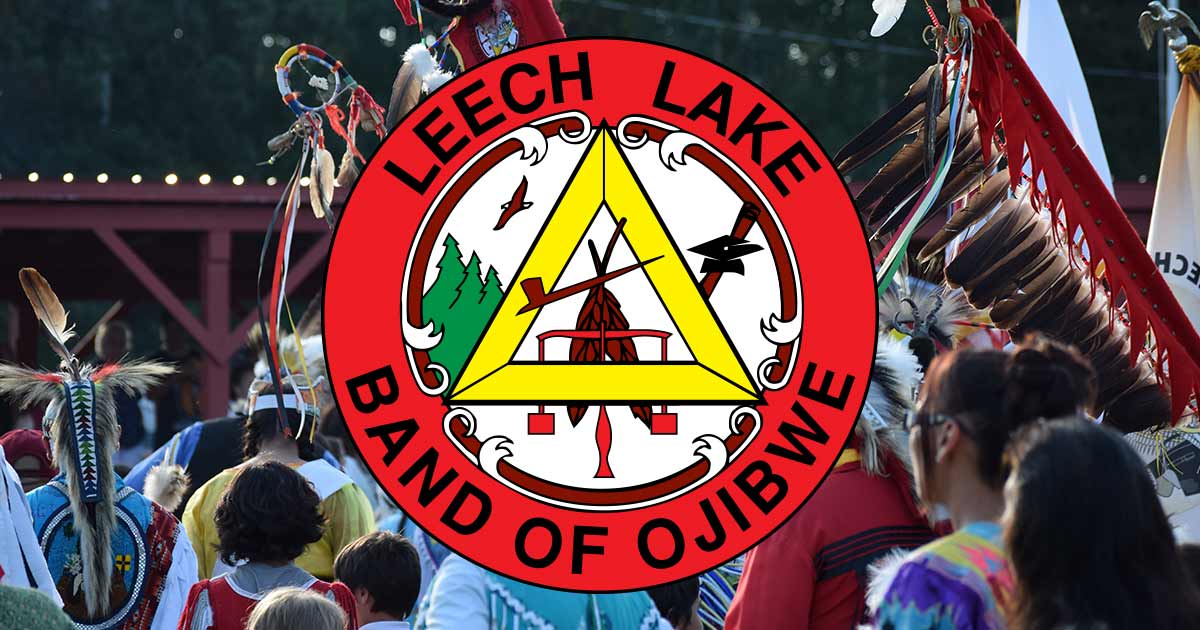

The Leech Lake Band of Ojibwe, an integral part of the larger Anishinaabeg (Ojibwe) Nation, represents a vibrant and resilient community situated in the heart of northern Minnesota. Their story is one deeply interwoven with the land, marked by a profound connection to natural resources, a rich cultural heritage, and a steadfast commitment to self-determination. This comprehensive article delves into the historical journey, cultural richness, economic development, and contemporary life on the Leech Lake Reservation, offering insight into a community that continues to thrive while honoring its ancestral roots.
Understanding the Anishinaabeg and Their Migrations
The Ojibwe, or Anishinaabeg, people have a long and storied history, tracing their origins back to the Eastern Woodlands. Oral traditions speak of a westward migration from the Atlantic coast, guided by prophecies that led them to the ‘land where food grows on water’ – referring to manoomin, or wild rice, a staple of their diet. This journey brought them to the Great Lakes region, where they established communities and developed complex societies.
The Leech Lake Band is one of the six federally recognized Ojibwe bands in Minnesota, alongside Red Lake, White Earth, Fond du Lac, Grand Portage, and Mille Lacs. Each band maintains its unique identity while sharing a common cultural and linguistic heritage.
Location and Geography: The Heart of Northern Minnesota
The Leech Lake Reservation is geographically diverse, encompassing approximately 868,644 acres primarily within Cass, Beltrami, Itasca, and Hubbard counties in north-central Minnesota. At its core lies the majestic Leech Lake, the third-largest lake entirely within Minnesota, alongside over 500 other lakes and numerous rivers. The landscape is characterized by dense forests, pristine waters, and abundant wildlife, reflecting the traditional territories where the Ojibwe hunted, fished, and harvested wild rice for centuries.
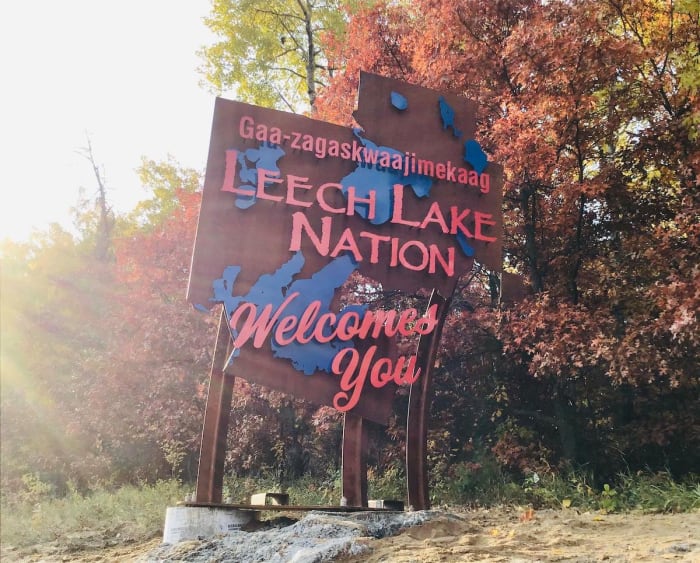

The reservation’s headquarters are located in Cass Lake, Minnesota, a central hub for tribal government and services. Other significant communities within or near the reservation include Walker, Onigum, and Federal Dam. This vast and beautiful territory is not only a physical home but also a spiritual and cultural anchor for the Band.
A History Forged in Treaties and Resilience
The history of the Leech Lake Band is inextricably linked to a series of treaties negotiated with the U.S. government throughout the 19th century. These treaties, often signed under duress and misunderstanding, ceded vast tracts of ancestral lands in exchange for promises of protection, resources, and the establishment of reservation boundaries. Despite these agreements, the Band faced significant challenges, including land allotment policies like the Dawes Act, which aimed to break up tribal landholdings and assimilate Native peoples.
The Leech Lake Band, however, demonstrated remarkable resilience. They resisted these pressures, fought for their treaty rights, and worked tirelessly to preserve their culture and sovereignty. The struggle for self-determination has been a continuous thread throughout their history, culminating in a stronger, more autonomous tribal government today.
Sovereignty and Governance: A Nation Within a Nation
As a federally recognized sovereign nation, the Leech Lake Band of Ojibwe exercises inherent governmental powers over its territory and citizens. The tribal government operates under a constitution and bylaws, led by a Tribal Council composed of a Chairman and four District Representatives. This council is responsible for the welfare of the Band members, overseeing various departments and programs, and making decisions that impact the community’s future.
The principle of sovereignty allows the Band to manage its own affairs, including law enforcement, education, healthcare, natural resource management, and economic development. This self-governance is crucial for protecting cultural identity, promoting economic stability, and ensuring the well-being of its people.
Economic Development and Opportunity
The Leech Lake Band has strategically pursued economic development to create jobs, generate revenue, and improve the quality of life for its members. A cornerstone of this effort is the gaming industry, with properties like the Northern Lights Casino and White Oak Casino providing significant employment and resources for tribal programs.
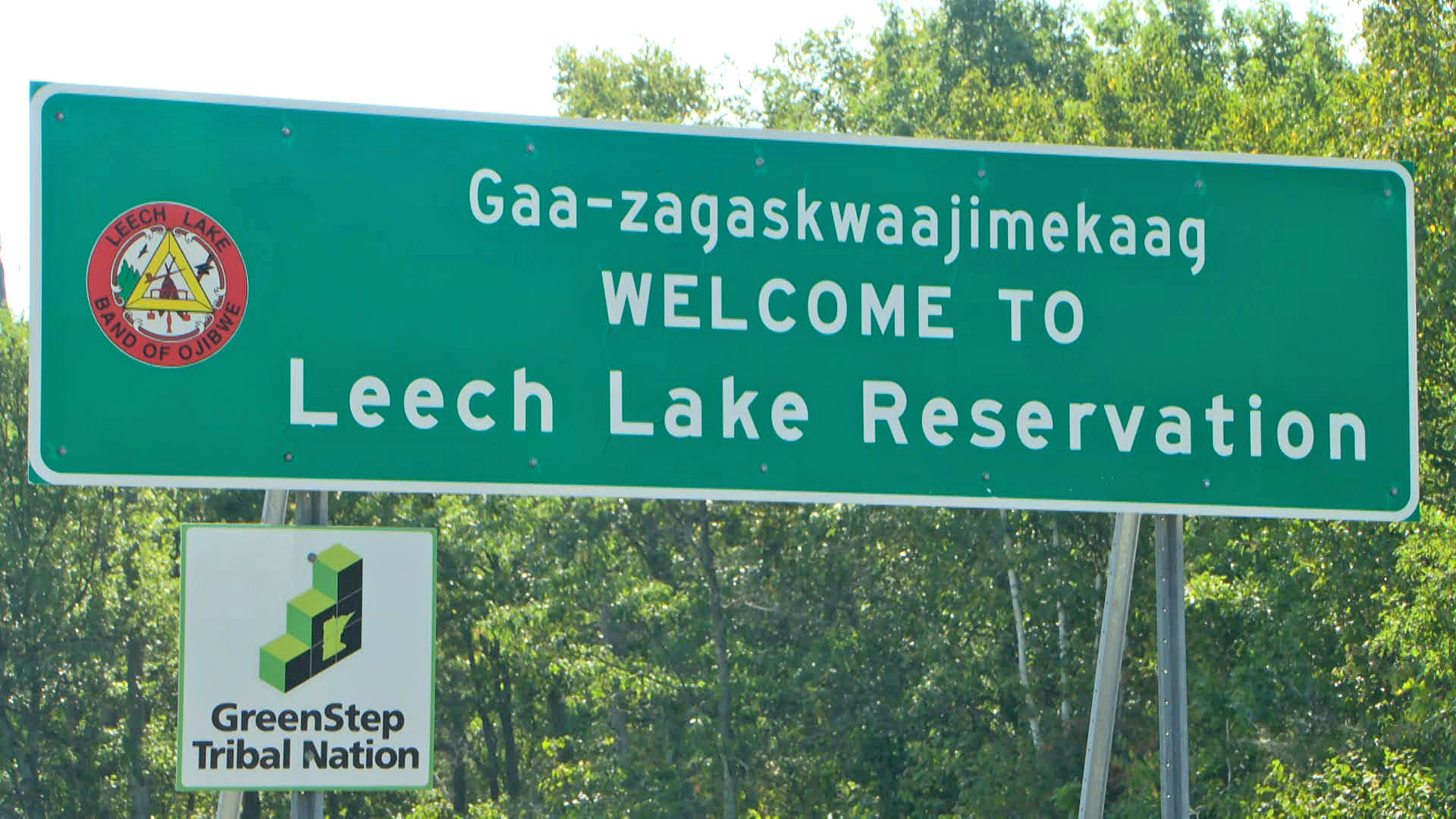

Beyond gaming, the Band operates a diverse portfolio of enterprises, including forestry operations (Leech Lake Tribal Forestry), construction, retail, and hospitality services. These ventures not only contribute to the reservation’s economy but also play a vital role in the broader regional economy of northern Minnesota. The focus remains on sustainable development that respects the environment and traditional values.
Cultural Preservation and Revitalization
Central to the identity of the Leech Lake Band is its rich Ojibwe culture. Efforts to preserve and revitalize the Ojibwe language (Anishinaabemowin) are paramount, with language immersion programs and classes offered to all ages. Traditional ceremonies, such as powwows (wiikwandiwin), drumming, and spiritual practices, are actively maintained and celebrated, fostering a strong sense of community and connection to heritage.
The Band emphasizes passing down traditional knowledge, including storytelling, crafting (like beadwork and quillwork), and the respectful harvesting of wild rice and maple syrup. These practices are not merely historical artifacts but living traditions that define the community’s cultural landscape.
Education: Nurturing Future Generations
The Leech Lake Band is deeply committed to providing quality education for its youth. The Bug-O-Nay-Ge-Shig School, a tribal school, offers culturally relevant curriculum alongside standard academic subjects, ensuring that students learn both their heritage and the skills needed for success in the modern world. The Band also supports its members pursuing higher education through scholarships and assistance programs, recognizing education as a key to future prosperity and leadership.
Healthcare and Social Services
Access to comprehensive healthcare is a priority. The Band operates tribal health clinics that provide medical, dental, and behavioral health services, often integrating traditional healing practices. Additionally, a wide range of social services are available to support families, elders, and individuals, addressing needs from elder care to youth programs and substance abuse treatment. These services are vital for the holistic well-being of the community.
Environmental Stewardship and Natural Resources
The Leech Lake Band has a profound and sacred connection to the land and water. This relationship translates into active environmental stewardship. The tribal government manages its natural resources, including forests, lakes, and wildlife, with an emphasis on sustainability and traditional ecological knowledge. Protecting manoomin (wild rice) beds is a particularly important effort, as wild rice is not only a traditional food source but also a significant cultural and economic resource.
Conservation efforts extend to water quality monitoring, forest management that respects biodiversity, and advocating for policies that protect the environment for future generations. The Band’s commitment to the earth reflects a deep understanding of interconnectedness and responsibility.
Recreation and Tourism: Respectful Engagement
The Leech Lake Reservation is a prime destination for outdoor enthusiasts, offering exceptional opportunities for fishing, hunting, boating, and hiking. Leech Lake itself is renowned for its walleye, muskie, and bass fishing. While visitors are welcome to enjoy these natural wonders, the Band encourages respectful engagement.
Visitors are encouraged to learn about Ojibwe culture, support tribal businesses, and adhere to local regulations and customs. Understanding and respecting the Band’s sovereignty and cultural significance of the land enhances the experience for everyone.
Challenges and Enduring Resilience
Like many Indigenous communities, the Leech Lake Band has faced and continues to navigate significant challenges, including the lasting impacts of historical trauma, economic disparities, and social issues. However, the Band’s story is ultimately one of remarkable resilience. Through strong leadership, cultural revitalization, and a deep sense of community, they have continually worked to overcome adversity and build a brighter future.
Initiatives focusing on youth empowerment, mental health, language preservation, and economic diversification are testaments to their enduring spirit and commitment to the well-being of their people. The Band consistently strives to strengthen its community, uphold its traditions, and assert its sovereign rights.
Community Life: A Tapestry of Tradition and Progress
Life on the Leech Lake Reservation is a blend of traditional values and modern living. Families are often close-knit, and community events, from school functions to cultural celebrations, play a significant role. The elders are highly respected as keepers of knowledge and wisdom, guiding the younger generations. There’s a strong emphasis on collective well-being and supporting one another, embodying the Ojibwe philosophy of mino bimaadiziwin – ‘the good life’.
The Band actively engages in inter-tribal relations, collaborating with other Ojibwe bands and Native nations on issues of common concern, from treaty rights to economic development and cultural exchange. This network strengthens Indigenous voices and collective action.
What is the Leech Lake Band known for? The Leech Lake Band is widely recognized for its strong cultural preservation efforts, especially regarding the Ojibwe language and traditional harvesting of wild rice (manoomin). They are also known for their significant economic development through gaming and other enterprises, as well as their commitment to environmental stewardship of their vast natural resources.
How many people live on Leech Lake Reservation? According to recent tribal enrollment and census data, the Leech Lake Band has a significant enrollment of over 10,000 members, with a substantial portion of the population residing on or near the reservation land base. The exact number of residents on the reservation fluctuates, but it is a vibrant and growing community.
What tribes are in Leech Lake? The Leech Lake Reservation is home to the Leech Lake Band of Ojibwe. While there are other Ojibwe bands in Minnesota and across North America, the Leech Lake Band is the sole federally recognized tribal government and community whose reservation is centered around Leech Lake.
The meaning of ‘Ojibwe’ itself is debated among scholars, with common interpretations including ‘those who roast until puckered up’ (referring to moccasin seams) or ‘pictographic writers’. Regardless of the exact etymology, the name represents a proud and ancient people.
Can non-tribal members visit Leech Lake Reservation? Yes, non-tribal members are generally welcome to visit the Leech Lake Reservation. Many tribal businesses, like casinos and resorts, cater to the public. However, visitors are always encouraged to respect tribal laws, customs, and private property. Engaging with local businesses and cultural sites respectfully is key to a positive experience.
The Leech Lake Band also contributes significantly to the state of Minnesota through economic activity, cultural enrichment, and environmental protection. Their efforts benefit not only their own community but also the wider regional ecosystem and economy.
Conclusion: A Living Legacy
The Leech Lake Band of Ojibwe stands as a powerful testament to endurance, cultural richness, and self-determination. From their ancestral migrations to their modern-day pursuit of economic prosperity and cultural revitalization, the Band embodies a living legacy. Their journey highlights the importance of sovereignty, the enduring strength of cultural identity, and the profound connection between a people and their land.
To truly understand the Leech Lake Band is to appreciate a vibrant community that honors its past, embraces its present, and actively shapes a promising future for generations to come. Their story is an essential chapter in the narrative of Minnesota and the broader Indigenous experience in North America.
We encourage everyone to learn more about the Leech Lake Band of Ojibwe, support their initiatives, and engage with their culture with respect and an open mind. Their contributions to history, culture, and environmental stewardship are invaluable.


