
Leasing land on Indian reservations presents unique opportunities and complexities. This comprehensive guide aims to provide a thorough understanding of the process, covering the legal framework, potential benefits, challenges, and steps involved in navigating tribal land leases. Whether you’re an investor, developer, or simply curious about this aspect of land use, this article will equip you with the knowledge you need.
Understanding the Basics of Indian Reservations
Indian reservations are areas of land reserved for Native American tribes through treaties, statutes, and executive orders. These lands are held in trust by the U.S. government for the benefit of the tribes. Each tribe possesses a unique sovereign status, allowing them to govern themselves and manage their resources, including land. This sovereignty significantly impacts how land can be leased and utilized.
The Legal Framework Governing Land Leases
Several federal laws govern the leasing of Indian lands, primarily the Indian Long-Term Leasing Act of 1955 (as amended). This act authorizes tribes to lease their lands for various purposes, including agriculture, business, and residential development. The Bureau of Indian Affairs (BIA) plays a crucial role in overseeing and approving these leases to ensure they comply with federal regulations and protect tribal interests.
Types of Leases Available on Indian Reservations

- Agricultural Leases: Used for farming, ranching, and other agricultural activities. These leases often have specific requirements related to land conservation and sustainable practices.
- Business Leases: Designed for commercial ventures, such as retail stores, hotels, and industrial facilities. These leases typically require detailed business plans and environmental assessments.
- Residential Leases: Allow individuals to build or rent homes on tribal land. These leases can be complex, involving issues of tribal membership and housing regulations.
- Renewable Energy Leases: Becoming increasingly popular, these leases facilitate the development of solar, wind, and other renewable energy projects on tribal lands. They offer significant economic benefits and promote sustainable energy solutions.
- Mineral Leases: These leases grant the right to extract minerals, oil, and gas from the land. They are subject to stringent environmental regulations and require tribal consent.
Benefits of Leasing Land on Indian Reservations
- Economic Development: Leases can generate significant revenue for tribes, supporting essential services like education, healthcare, and infrastructure development.
- Investment Opportunities: For investors, leasing tribal land can provide access to unique development opportunities and potentially lower land costs compared to private land.
- Resource Access: Leases can provide access to valuable natural resources, such as minerals, timber, and renewable energy sources.
- Partnerships: Leasing can foster partnerships between tribes and businesses, leading to mutual economic growth and cultural exchange.
Challenges and Considerations
- Complex Regulations: Navigating the legal and regulatory framework can be complex and time-consuming. Working with experienced legal counsel is crucial.
- Tribal Sovereignty: Understanding and respecting tribal sovereignty is essential. Each tribe has its own laws, customs, and procedures that must be followed.
- Environmental Concerns: Environmental regulations are often stringent, requiring thorough assessments and mitigation plans.
- Infrastructure Limitations: Some reservations may have limited infrastructure, such as roads, utilities, and communication networks, which can increase development costs.
- Cultural Sensitivity: Projects must be developed with cultural sensitivity, respecting tribal traditions and sacred sites.
Navigating the Leasing Process: A Step-by-Step Guide
1. Initial Consultation: Begin by contacting the relevant tribal government and the BIA to discuss your project and understand the specific requirements.
2. Due Diligence: Conduct thorough due diligence, including environmental assessments, title searches, and feasibility studies.
3. Negotiation: Negotiate the terms of the lease with the tribe, including the lease duration, rental rates, and permitted uses.
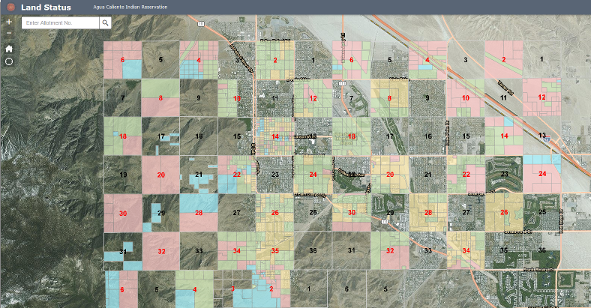
4. BIA Approval: Submit the lease agreement to the BIA for review and approval. The BIA will ensure that the lease complies with federal regulations and protects tribal interests.
5. Environmental Compliance: Obtain all necessary environmental permits and approvals from federal, tribal, and state agencies.
6. Project Implementation: Implement your project in accordance with the lease agreement and all applicable regulations.
7. Ongoing Compliance: Maintain ongoing compliance with the lease terms and environmental regulations.
Key Considerations for Lease Agreements
- Lease Duration: The length of the lease term, which can range from a few years to several decades.
- Rental Rates: The amount of rent to be paid to the tribe, which may be based on a fixed rate or a percentage of revenue.
- Permitted Uses: The specific activities that are allowed on the leased land.
- Renewal Options: The option to renew the lease at the end of the term.
- Termination Clauses: The conditions under which the lease can be terminated.
- Environmental Requirements: The environmental obligations of the lessee, including remediation responsibilities.
- Insurance Requirements: The types and amounts of insurance coverage required.
The Role of the Bureau of Indian Affairs (BIA)
- Reviewing and Approving Leases: Ensuring that leases comply with federal regulations and protect tribal interests.
- Providing Technical Assistance: Offering guidance and support to tribes and lessees on leasing matters.
- Monitoring Compliance: Overseeing compliance with lease terms and environmental regulations.
- Resolving Disputes: Mediating disputes between tribes and lessees.
Examples of Successful Land Leases on Indian Reservations
Numerous successful land leases demonstrate the potential for economic development and mutually beneficial partnerships. For instance, several tribes have developed thriving renewable energy projects, generating revenue and creating jobs. Others have established successful tourism ventures, showcasing their culture and attracting visitors.
Impact of Land Leasing on Tribal Communities
Land leasing can have a profound impact on tribal communities, both positive and negative. Positive impacts include increased revenue, job creation, and improved infrastructure. Negative impacts can include environmental degradation, cultural disruption, and social inequalities. It is essential to carefully consider these impacts and implement measures to mitigate potential harms.
The Future of Land Leasing on Indian Reservations
Case Studies: Examining Successful and Unsuccessful Leases
Analyzing case studies of both successful and unsuccessful leases provides valuable insights into best practices and potential pitfalls. Successful leases often involve strong tribal leadership, thorough due diligence, and a commitment to sustainable development. Unsuccessful leases may be characterized by inadequate planning, environmental damage, and disputes over lease terms.
Tips for Successful Land Leasing
- Build Relationships: Establish strong relationships with tribal leaders and community members.
- Seek Expert Advice: Work with experienced legal counsel, environmental consultants, and other experts.
- Conduct Thorough Due Diligence: Conduct thorough due diligence to identify potential risks and opportunities.
- Negotiate Fair Terms: Negotiate lease terms that are fair and equitable to both parties.
- Prioritize Sustainability: Prioritize sustainable development practices that protect the environment and preserve cultural resources.
- Communicate Effectively: Maintain open and transparent communication with the tribe and the BIA.
Common Misconceptions About Leasing Land on Indian Reservations
Several common misconceptions surround the topic of leasing land on Indian reservations. One misconception is that tribes are easily taken advantage of in lease agreements. In reality, tribes have considerable legal protections and often negotiate very favorable terms. Another misconception is that all reservations are impoverished and lack resources. While some reservations face economic challenges, others have thriving economies and abundant natural resources.
Conclusion
Leasing land on Indian reservations offers significant opportunities for economic development, investment, and resource access. However, it also presents unique challenges and complexities. By understanding the legal framework, respecting tribal sovereignty, and prioritizing sustainable development, it is possible to navigate the leasing process successfully and create mutually beneficial partnerships. Remember to conduct thorough due diligence, seek expert advice, and build strong relationships with tribal communities. The future of land leasing on Indian reservations is bright, with increasing opportunities for renewable energy development, sustainable practices, and greater tribal control.
This guide provides a starting point for understanding the intricacies of leasing land on Indian reservations. Further research and consultation with experts are highly recommended before embarking on any leasing venture.


