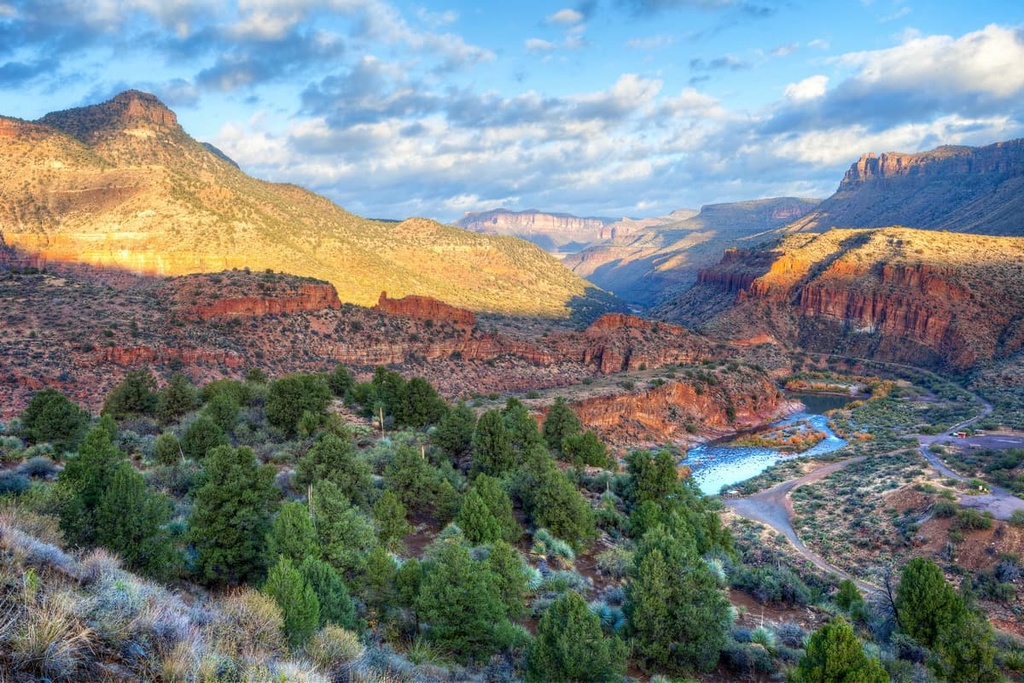
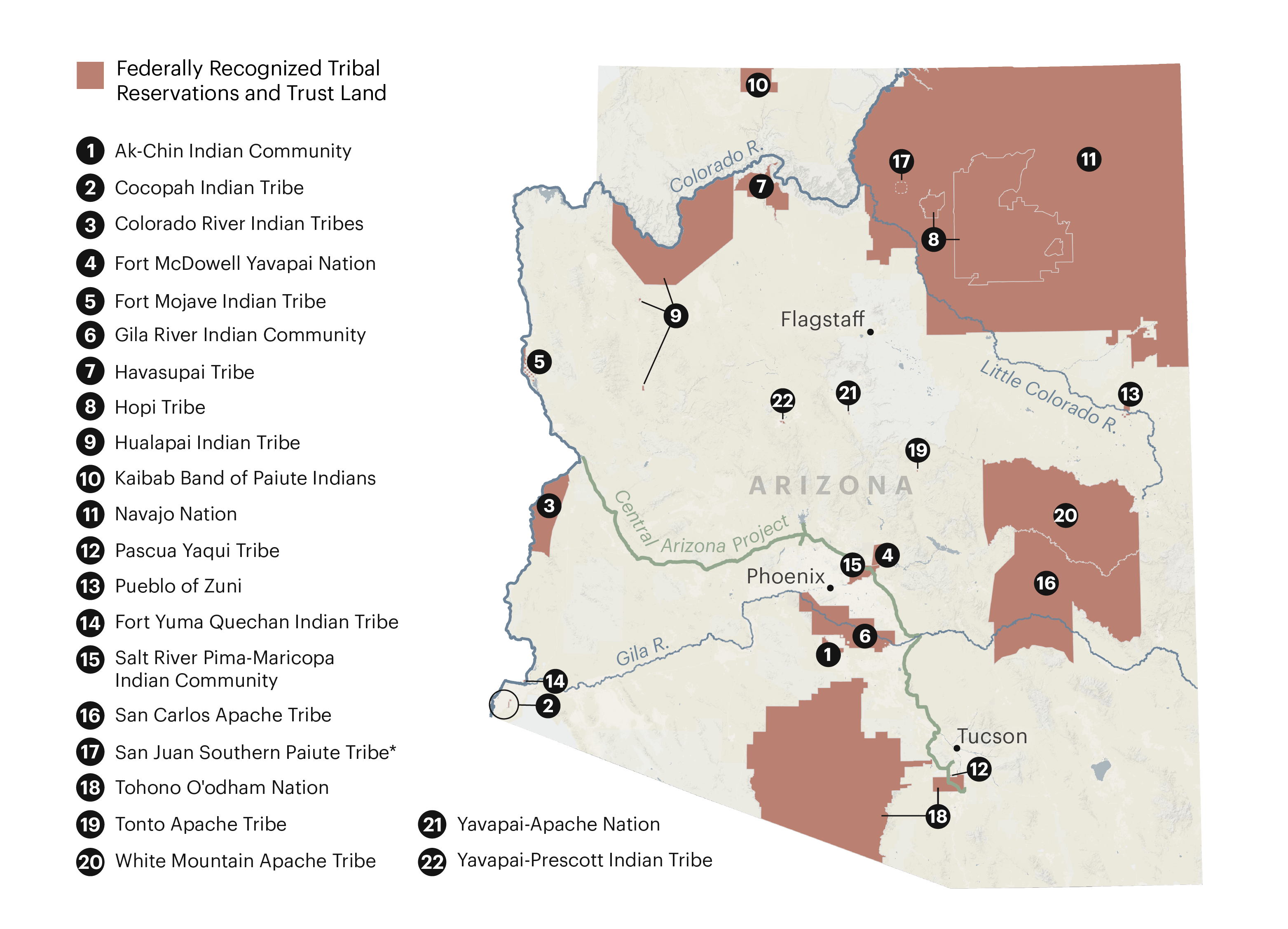
Arizona, a state renowned for its stunning landscapes and vibrant cultural tapestry, is home to numerous Native American reservations. Among these, one stands out for its sheer size and profound historical importance: the Navajo Nation. Spanning across northeastern Arizona and extending into parts of Utah and New Mexico, the Navajo Nation is not only the largest reservation in Arizona but also the largest in the United States. This article explores the vastness of the Navajo Nation, its people, culture, and the unique experiences it offers to those who seek to understand its significance.
What is a Native American Reservation? Before diving into the specifics of the Navajo Nation, it’s important to understand the concept of a Native American reservation. These are areas of land reserved for Native American tribes through treaties with the U.S. government. Reservations are intended to provide a land base for tribes to maintain their sovereignty, culture, and traditions. They often operate with their own governments, laws, and services.
The Navajo Nation: A Land of Immense Proportions The Navajo Nation covers over 27,000 square miles, an area larger than ten U.S. states. Within Arizona, it dominates the northeastern corner, encompassing diverse landscapes ranging from high desert plateaus to canyons and mountains. The population of the Navajo Nation is estimated to be over 170,000, making it one of the most populous tribes in the United States.
A Brief History of the Navajo People The Navajo people, known as the Diné in their own language, have a rich and complex history. Originally an Athabaskan-speaking people, they migrated to the Southwestern United States centuries ago. Over time, they adopted agricultural practices and weaving techniques from neighboring Pueblo cultures. The Navajo people have a deep connection to the land, viewing it as sacred and integral to their identity.
The 19th century brought significant challenges to the Navajo people, including conflicts with the U.S. government. The most tragic event was the Long Walk of 1864, when thousands of Navajo were forcibly removed from their homeland and marched to Fort Sumner, New Mexico. After four years of hardship, they were allowed to return to a portion of their original territory, which became the foundation of the modern Navajo Nation.
Culture and Traditions of the Navajo Nation The Navajo Nation is a living repository of ancient traditions and cultural practices. The Navajo language, Diné Bizaad, is still widely spoken, and efforts are underway to preserve and promote it. Traditional arts and crafts, such as weaving, silversmithing, and pottery, are integral to Navajo culture and economy.

Navajo ceremonies and spiritual practices are deeply rooted in their connection to the land and the cosmos. The Hózhó, a concept of balance and harmony, is central to Navajo philosophy. Traditional healers, known as medicine men or women, play a vital role in the community, providing physical, emotional, and spiritual healing.
Exploring the Navajo Nation: What to See and Do Visiting the Navajo Nation offers a unique opportunity to experience a different way of life and to learn about a rich and resilient culture. However, it’s crucial to approach your visit with respect and sensitivity, recognizing that you are a guest in their homeland.
Monument Valley: A Timeless Icon One of the most iconic landmarks within the Navajo Nation is Monument Valley. This breathtaking landscape of towering sandstone buttes has been featured in countless Western films and photographs. Guided tours led by Navajo operators are available, offering insights into the geology, history, and cultural significance of the area.
Canyon de Chelly National Monument: Ancient Ruins and Stunning Vistas Canyon de Chelly National Monument is another must-see destination within the Navajo Nation. This canyon system is home to ancient Anasazi ruins, as well as Navajo homes and farmlands. Visitors can explore the canyon rim on their own or take a guided tour into the canyon floor.
Window Rock: The Capital of the Navajo Nation Window Rock, named for a natural sandstone arch, is the capital of the Navajo Nation. Here, you can visit the Navajo Nation Museum, the Navajo Nation Zoo, and the Navajo Nation Council Chamber, where the tribal government meets.
Lake Powell Navajo Tribal Park: Water Recreation and Scenic Beauty The Lake Powell Navajo Tribal Park offers opportunities for boating, fishing, and swimming on the stunning Lake Powell. The park also features scenic overlooks and hiking trails.
- Seek Permission: Always ask for permission before taking photographs of people or entering private property.
- Support Local Businesses: Purchase Navajo crafts and souvenirs directly from Navajo artisans.
- Dress Modestly: Dress respectfully, avoiding revealing clothing.
- Be Mindful of Sacred Sites: Avoid disturbing or defacing sacred sites.
- Learn About Navajo Culture: Take the time to learn about Navajo history, culture, and traditions.
Economic Development in the Navajo Nation The Navajo Nation faces significant economic challenges, including high unemployment rates and limited access to resources. However, the tribal government is actively working to promote economic development through various initiatives, including tourism, energy development, and small business support.
Navajo Nation Government The Navajo Nation operates under a three-branch government system, similar to the U.S. federal government. The three branches are the Executive Branch (President and Vice President), the Legislative Branch (Navajo Nation Council), and the Judicial Branch (Navajo Nation Courts).
- Poverty: High poverty rates remain a significant concern.
- Unemployment: Job opportunities are limited in many areas.
- Healthcare Access: Access to quality healthcare is a challenge for many residents.
- Infrastructure: Infrastructure development, including roads, water, and electricity, is needed in many communities.
- Environmental Issues: The legacy of uranium mining has left a lasting environmental impact.
The Future of the Navajo Nation The Navajo Nation is working to address these challenges and build a brighter future for its people. Efforts are underway to improve education, healthcare, and economic opportunities. The Navajo Nation is also committed to preserving its culture and language for future generations.
Frequently Asked Questions (FAQs) about the Largest Reservation in Arizona
Q: What is the largest Native American reservation in the United States? A: The Navajo Nation, located primarily in Arizona, but also extending into Utah and New Mexico, is the largest Native American reservation in the United States.
Q: Can I visit the Navajo Nation? A: Yes, you can visit the Navajo Nation. However, it’s important to remember that you are a guest in their homeland and should be respectful of their culture and traditions.
Q: Do I need a permit to visit Monument Valley? A: While Monument Valley is within the Navajo Nation, it is also a Navajo Tribal Park. You do not need a separate permit to visit, but there are entrance fees. Guided tours are highly recommended and often required for accessing certain areas.
Q: What is the Navajo language called? A: The Navajo language is called Diné Bizaad.
Q: How can I support the Navajo Nation? A: You can support the Navajo Nation by visiting their lands respectfully, purchasing Navajo crafts directly from Navajo artisans, and donating to organizations that support Navajo communities.
Q: What are some of the major industries in the Navajo Nation? A: Major industries include tourism, arts and crafts, livestock ranching, coal mining, and energy development.
Q: What is the significance of the Long Walk to the Navajo People? A: The Long Walk represents a period of immense suffering and resilience in Navajo history. It symbolizes the forced removal of the Navajo people from their homeland and their eventual return. It’s a crucial part of their collective memory and identity.
Conclusion: A Land of History, Culture, and Resilience The Navajo Nation, the largest reservation in Arizona and the United States, is a land of immense historical, cultural, and natural significance. Visiting the Navajo Nation offers a unique opportunity to learn about a rich and resilient culture, to explore stunning landscapes, and to support Navajo communities. By traveling respectfully and engaging with the Navajo people, you can contribute to a deeper understanding of their history, culture, and aspirations. The Navajo Nation stands as a testament to the enduring strength and resilience of Native American people in the face of adversity, and a vibrant community striving to preserve its heritage while building a sustainable future.


