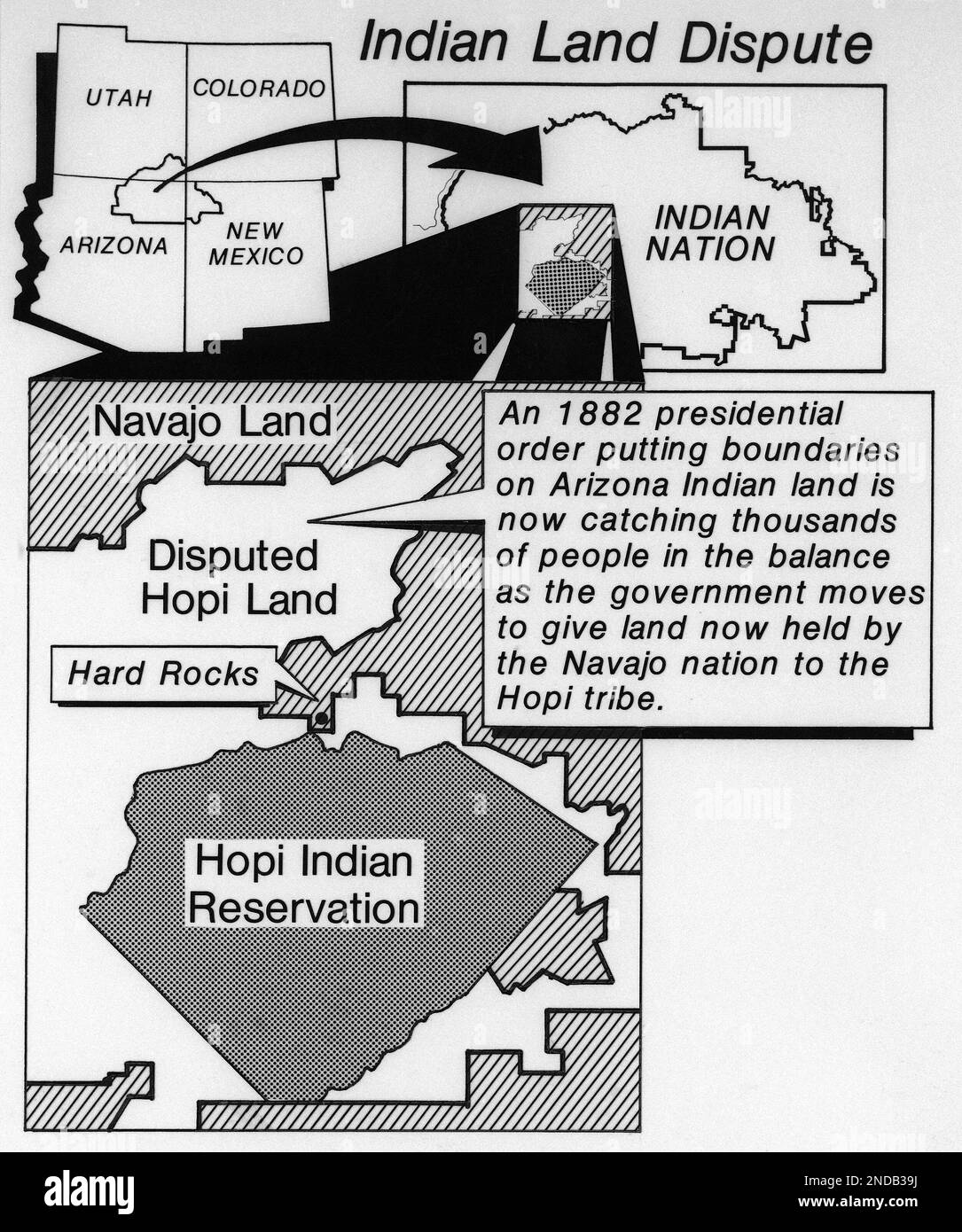
Land disputes on Indian Reservations represent a deeply complex and often contentious area of law, history, and social justice. These conflicts are not merely about property lines; they are interwoven with centuries of broken treaties, unique legal statuses, and the ongoing struggle for tribal sovereignty and self-determination.
Understanding these disputes requires an appreciation of the distinct legal landscape that governs ‘Indian Country’ – a term referring to lands within the boundaries of an Indian reservation, dependent Indian communities, and Indian allotments. This framework differs significantly from conventional property law in the United States.
The Unique Legal Framework: Tribal Sovereignty and Federal Trust
At the heart of any discussion about land on Indian reservations is the concept of tribal sovereignty. Federally recognized tribes possess inherent governmental powers, including the authority to govern their lands and members, subject to federal law. This sovereign status impacts land use, jurisdiction, and dispute resolution.
Another critical element is the federal government’s trust responsibility. This legal and moral obligation requires the United States to protect tribal lands, assets, resources, and treaty rights. The Bureau of Indian Affairs (BIA), an agency within the Department of the Interior, often plays a central role in managing trust lands.
What exactly is ‘trust land’? Trust land is land held in trust by the U.S. government for the benefit of an individual Native American or a tribe. It cannot be sold or encumbered without federal approval, providing a layer of protection but also adding complexity to development and management.

Historical Roots of Contemporary Conflicts
Many modern land disputes have their origins in historical policies designed to dispossess Native Americans of their lands. The 19th and early 20th centuries were particularly impactful.
One of the most significant pieces of legislation was the General Allotment Act of 1887, also known as the Dawes Act. This act aimed to break up tribal communal landholdings by allotting individual parcels to Native American families, with ‘surplus’ lands often sold to non-Native settlers.
The Dawes Act led to ‘checkerboard’ ownership patterns, where reservations became a patchwork of tribal trust lands, individual Native American allotments (some still in trust, others fee simple), and fee simple lands owned by non-Natives. This fragmentation is a primary source of jurisdictional and land use conflicts today.
Boundary disputes also stem from historical treaties, many of which were vaguely defined or unilaterally altered by the U.S. government. The interpretation of these historical agreements continues to fuel contemporary legal battles.
Common Types of Land Disputes
- Fractionated Ownership (Heirship Land): This is perhaps the most pervasive issue. As original allottees passed away, their land parcels were divided among all legal heirs. Over generations, a single parcel can have hundreds, even thousands, of owners, making it nearly impossible to manage, lease, or develop.
- Jurisdictional Conflicts: Who has authority over a specific piece of land or an activity on it? This question frequently arises in checkerboard areas, leading to disputes between tribal, state, and federal governments over law enforcement, taxation, and environmental regulation.
- Resource Rights: Disputes often center on access to and control over natural resources such such as water rights, mineral rights, and timber. These are vital for tribal economic development and cultural practices.
- Trespass and Encroachment: Non-Native individuals or entities may trespass on tribal lands or encroach upon established boundaries, leading to legal action.
- Rights-of-Way: Conflicts arise over easements and rights-of-way for roads, pipelines, and utilities that cross tribal or allotted lands, often involving compensation and tribal consent.
- Land Claims and Restorations: Tribes continue to pursue claims for ancestral lands taken unlawfully, seeking either monetary compensation or, in some cases, the return of land.
Resolving Disputes: A Multi-faceted Approach
Addressing these disputes typically involves a combination of legal, administrative, and political efforts.

Tribal Courts: Many tribes have established their own judicial systems to adjudicate disputes, including land-related matters, particularly those involving tribal members or tribal laws. Respect for tribal law and tribal justice systems is crucial.
Federal Courts: Federal courts often hear cases involving the interpretation of treaties, federal statutes, or disputes between tribes and the federal or state governments. Litigation can be a lengthy and expensive process.
Administrative Processes: The BIA plays a significant role in managing trust lands, approving leases, and mediating some disputes related to allotted lands. Navigating BIA procedures can be complex and time-consuming.
Negotiation and Mediation: For many disputes, particularly those involving multiple parties or complex historical grievances, negotiation and mediation offer a path to mutually agreeable solutions outside of formal litigation.
Legislative Solutions: Congress can enact legislation to address specific land claims, facilitate land consolidation, or clarify jurisdictional ambiguities. However, this often requires substantial political will and lobbying efforts.
Challenges in Achieving Resolution
The path to resolution is fraught with challenges. The sheer complexity of federal Indian law, combined with the historical injustices, makes every case unique and often difficult.
Lack of adequate funding and resources for tribal governments to pursue legal battles or implement land management plans is a significant hurdle. Data management for heirship lands, for instance, requires substantial investment.
Differing interpretations of treaties and legal precedents between federal, state, and tribal entities often create impasses. The concept of ‘aboriginal title’ vs. ‘recognized title’ also adds layers of legal debate.
The emotional and cultural significance of land for Native American communities cannot be overstated. Land is not just property; it is integral to identity, spirituality, and cultural survival. This adds a profound dimension to all land disputes.
Impacts on Tribal Communities and Development
Unresolved land disputes significantly impede tribal economic development. Fractionated ownership, for example, makes it challenging to lease land for agriculture, renewable energy projects, or commercial ventures, limiting revenue generation and job creation.
They also hinder efforts towards self-governance and self-determination, as tribes struggle to exercise full control over their territories and resources. The ability to plan for the future, protect cultural sites, and manage natural resources is directly affected.
Land disputes can also create internal divisions within tribal communities, particularly when heirship land requires consensus among numerous owners, or when different factions hold varying views on land use or development.
Moving Forward: Land Consolidation and Self-Governance
Efforts are underway to address these challenges. The Land Buy-Back Program for Tribal Nations, established under the Cobell Settlement, has been instrumental in purchasing fractionated interests from willing sellers and returning them to tribal trust ownership, thereby consolidating tribal land bases.
Tribes are also increasingly asserting their self-governance capabilities, developing comprehensive land use plans, and strengthening their tribal codes and court systems to manage land more effectively.
Continued education and advocacy are vital to ensure that policymakers and the public understand the unique circumstances and historical context of land disputes on Indian reservations, fostering a more equitable approach to resolution.
Conclusion
Land disputes on Indian Reservations are a testament to a complex history and an ongoing struggle for justice and self-determination. From the legacy of the Dawes Act and checkerboard ownership to the intricacies of tribal sovereignty and federal trust responsibility, these issues demand a nuanced understanding.
While significant challenges remain, including fractionated ownership and jurisdictional conflicts, continuous efforts through legal action, legislative reform, and tribal self-governance are paving the way for more equitable and sustainable land management. Ultimately, resolving these disputes is fundamental to supporting the economic vitality, cultural preservation, and sovereign rights of Native American nations.
Understanding these multifaceted issues is not just an academic exercise; it is crucial for fostering respect, promoting justice, and ensuring a future where tribal nations can fully exercise their inherent rights and aspirations.


