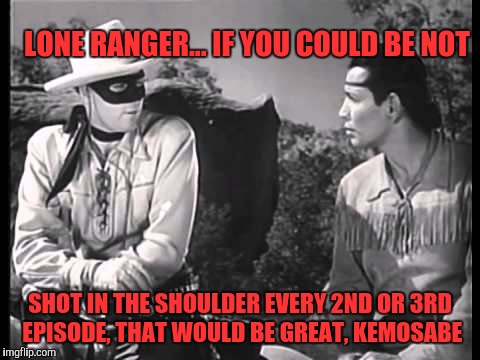
The word "Kemosabe" is instantly recognizable, conjuring images of the Wild West and the enduring partnership between the Lone Ranger and his trusted companion, Tonto. But what does "Kemosabe" truly mean? While widely understood to signify ‘friend’ or ‘faithful scout,’ the term’s origin and precise meaning have been subjects of debate and intrigue for decades. This comprehensive guide will delve into the history, etymology, and cultural significance of "Kemosabe," offering a nuanced understanding of its place in popular culture.
Kemosabe: More Than Just a Word
At its core, "Kemosabe" represents a bond of loyalty, trust, and mutual respect. It symbolizes the deep connection between two individuals who rely on each other in the face of adversity. While the most common interpretation points to ‘friend,’ the term’s richness extends beyond simple camaraderie, encompassing partnership and shared purpose.
The Lone Ranger and Tonto: An Iconic Duo
The Lone Ranger, a masked former Texas Ranger, and Tonto, a Native American warrior, are inseparable in the annals of Western lore. Their adventures, broadcast over radio and later on television, captivated audiences with tales of justice, bravery, and the unwavering friendship between two men from different worlds. It was in this context that "Kemosabe" gained widespread recognition as Tonto’s affectionate term for the Lone Ranger.
Tracing the Origins of ‘Kemosabe’
The Camp Fire Girls Theory
One popular theory suggests that "Kemosabe" originated with the Camp Fire Girls, an American youth organization founded in 1910. The organization’s founder, Dr. Charles Eastman, a Dakota Sioux physician, created a set of words and symbols for the Camp Fire Girls to use. Some believe that "Kemosabe" was among these creations, possibly derived from Native American languages or invented outright. This theory suggests that Fran Striker, the writer of the Lone Ranger radio series, encountered the term through the Camp Fire Girls manual.
The Ojibwe Connection
Another theory posits that "Kemosabe" has roots in the Ojibwe language. Some linguists suggest that it could be a corruption of the Ojibwe word "gimozabi," which can be loosely translated as "he who secretly surveys" or "scout." This interpretation aligns with Tonto’s role as the Lone Ranger’s watchful companion and guide, adept at navigating the wilderness and anticipating danger. However, definitive proof of this connection remains elusive.
The Fictional Creation Theory
A simpler explanation is that "Kemosabe" was simply a word invented by Fran Striker for the Lone Ranger series. Striker was known for creating unique names and phrases to add color and authenticity to his stories. While this theory may seem less romantic than the others, it’s entirely possible that "Kemosabe" was a product of Striker’s imagination, designed to evoke a sense of Native American culture without being directly tied to any specific language.
The Meaning of Kemosabe: Beyond the Literal
Regardless of its precise origin, the meaning of "Kemosabe" has evolved over time. While often translated as "friend," its significance extends beyond simple companionship. It embodies loyalty, trust, and mutual respect – qualities that defined the relationship between the Lone Ranger and Tonto. In this context, "Kemosabe" represents a deep and abiding partnership, forged in the crucible of shared adventures and unwavering commitment.
Kemosabe in Popular Culture
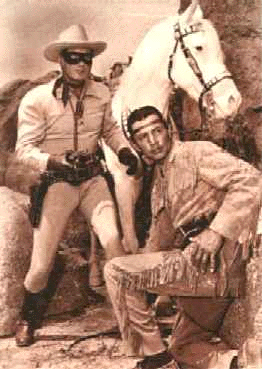
The term "Kemosabe" has permeated popular culture, appearing in countless movies, television shows, and books. It is often used humorously or ironically, but always with a nod to its origins in the Lone Ranger mythos. The word has become a shorthand for friendship, partnership, and the spirit of the Wild West.
Is Kemosabe Offensive? Navigating Cultural Sensitivities
In recent years, there has been increased scrutiny of the portrayal of Native Americans in popular culture, including the character of Tonto and the use of the word "Kemosabe." Some argue that the term is a misrepresentation of Native American languages and cultures, and that its use perpetuates harmful stereotypes. Others maintain that "Kemosabe" is simply a nostalgic term with no malicious intent. It is crucial to approach this topic with sensitivity and respect for diverse perspectives.
The Importance of Context and Intent
When considering whether the use of "Kemosabe" is offensive, it’s essential to consider the context and intent. Using the term in a derogatory or disrespectful manner is clearly inappropriate. However, using it in a historical context, or as a reference to the Lone Ranger, may be less problematic, depending on individual sensitivities. Open dialogue and a willingness to listen to different viewpoints are crucial in navigating these complex issues.
Alternative Ways to Express Friendship and Partnership
If you’re unsure whether using "Kemosabe" is appropriate, there are many alternative ways to express friendship and partnership. Using words like "friend," "partner," "ally," or "companion" are all safe and respectful options. You can also use descriptive language to convey the specific qualities you admire in your friend or partner, such as loyalty, trust, and support.
People Also Ask: Addressing Common Questions About Kemosabe
Let’s address some frequently asked questions related to the meaning and usage of "Kemosabe."
What is the most accurate translation of Kemosabe?
While often translated as "friend," the most accurate translation of "Kemosabe" remains uncertain due to its disputed origin. Some believe it means "faithful scout" or "trusty scout," while others suggest it’s simply a made-up word. The essence of the term, however, lies in its representation of a strong bond between partners.
Did Native Americans actually use the word Kemosabe?
There’s no definitive evidence that Native Americans widely used the word "Kemosabe" in the way it’s portrayed in the Lone Ranger series. While some theories connect it to Ojibwe words, its widespread use as a term of endearment is largely a creation of popular culture.
Is it okay to use the word Kemosabe today?
Whether or not it’s okay to use the word "Kemosabe" today depends on the context and your intent. Be mindful of potential cultural sensitivities and consider whether using alternative terms might be more respectful. If in doubt, err on the side of caution.
What is the origin of the Lone Ranger’s name?
The Lone Ranger’s name reflects his status as the sole survivor of a group of Texas Rangers who were ambushed. He dedicates his life to fighting injustice, aided by Tonto, his loyal companion.
Who played Tonto in the original Lone Ranger series?
Jay Silverheels, a Mohawk actor, famously played Tonto in the original Lone Ranger television series, solidifying the character’s place in American pop culture.
The Enduring Legacy of Kemosabe
Despite the controversies surrounding its origin and usage, "Kemosabe" remains a recognizable and evocative term. It represents a bygone era of Westerns, a time when heroes were simple, and friendships were unwavering. While we must be mindful of cultural sensitivities, we can also appreciate the term’s historical significance and its enduring message of loyalty and partnership.
Conclusion: Kemosabe – A Symbol of Friendship and Partnership
In conclusion, "Kemosabe" is more than just a word; it’s a symbol of friendship, partnership, and unwavering loyalty. While its precise origin remains a mystery, its association with the Lone Ranger and Tonto has cemented its place in popular culture. As we navigate the complexities of cultural sensitivity, it’s crucial to understand the historical context and intended meaning of "Kemosabe," and to use it with respect and awareness. The enduring legacy of the Lone Ranger and Tonto serves as a reminder of the importance of friendship, trust, and mutual support in a world that often feels divided.
- Origin: The exact origin of ‘Kemosabe’ is debated, with theories ranging from Camp Fire Girls influence to Ojibwe roots.
- Meaning: Commonly understood as ‘friend’ or ‘faithful scout,’ it embodies loyalty, trust, and partnership.
- Cultural Sensitivity: Be mindful of potential offense when using the term, considering its historical context and intent.
- Alternatives: When in doubt, use alternative terms like ‘friend,’ ‘partner,’ or ‘ally’ to express camaraderie.
- Legacy: ‘Kemosabe’ remains a recognizable symbol of the enduring bond between the Lone Ranger and Tonto.


