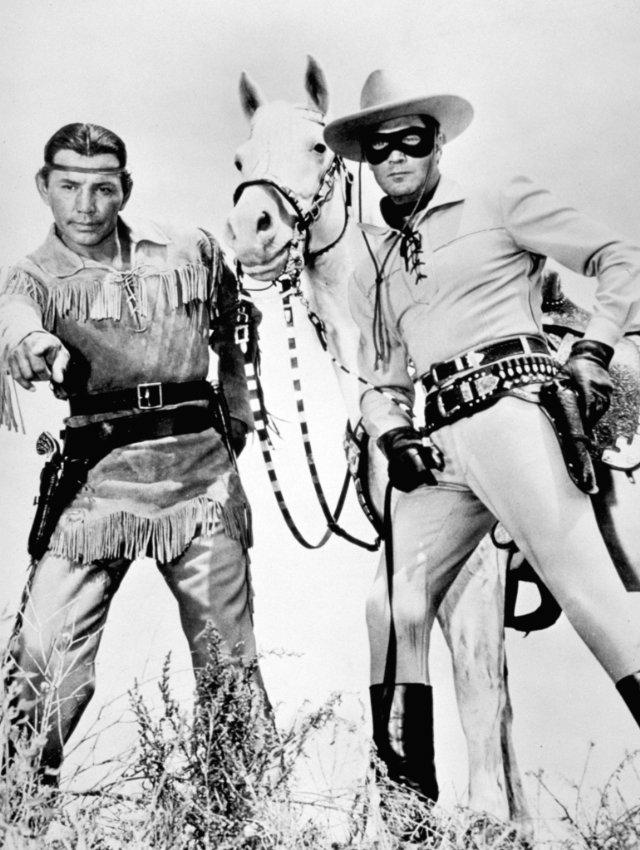
The term "Kemosabe" is inextricably linked to the legendary Lone Ranger, the masked hero who roamed the American West, fighting for justice and righting wrongs. But what does this intriguing word actually mean? Where did it come from? This article delves into the etymology and history of "Kemosabe," exploring its origins, its various interpretations, and its cultural significance.
For generations, the Lone Ranger, accompanied by his trusted companion Tonto, has captivated audiences with tales of bravery, integrity, and the pursuit of justice. Tonto’s familiar address to the Lone Ranger, "Kemosabe," has become an iconic part of the character’s lore, instantly recognizable and evoking images of classic Westerns.
Despite its widespread recognition, the true meaning and origin of "Kemosabe" have been shrouded in mystery and debate. Several theories have emerged over the years, each offering a different explanation for this enigmatic term. This exploration aims to shed light on these theories, providing a comprehensive understanding of the word’s complex history.
The most widely accepted origin story traces "Kemosabe" to a radio show director’s claim. Fran Striker, the writer of the Lone Ranger radio program, allegedly sought a fitting term of endearment for Tonto to use when addressing the Lone Ranger. According to this account, Striker consulted with an acquaintance who suggested the term "Kemosabe," claiming it meant "trusty scout" or "faithful friend" in a Native American language.
However, this explanation has been met with considerable skepticism. No known Native American language includes a word that closely resembles "Kemosabe" with the purported meaning of "trusty scout" or "faithful friend." This discrepancy has fueled the search for alternative explanations and has led to a deeper examination of the term’s potential roots.
Another theory suggests that "Kemosabe" originated from the Ojibwe language. According to this theory, the word may be derived from "Gichi-mookomaan," which translates to "big knife" or "long knife." This interpretation could be linked to the Lone Ranger’s use of a silver bullet as his signature weapon.
While the Ojibwe theory offers a plausible linguistic connection, it’s important to note that the connection remains speculative. There’s no definitive evidence to prove that Fran Striker directly borrowed the term from the Ojibwe language. The similarity in sound and the potential association with the Lone Ranger’s weapon are intriguing, but they don’t constitute conclusive proof.
A more humorous, yet equally plausible, theory suggests that "Kemosabe" is simply a made-up word. According to this explanation, Fran Striker created the term to add a touch of exoticism and mystery to the Lone Ranger’s character. The lack of a clear etymological root in any known Native American language lends credence to this theory.
The appeal of this theory lies in its simplicity. It acknowledges the possibility that "Kemosabe" was never intended to have a deep or significant meaning. Instead, it suggests that the word was chosen for its sound, its memorability, and its ability to evoke a sense of the Wild West.
Regardless of its true origin, "Kemosabe" has become deeply embedded in popular culture. The term has transcended its association with the Lone Ranger and has entered the broader lexicon, often used humorously or ironically to refer to a close friend or companion.
The enduring popularity of "Kemosabe" speaks to the power of storytelling and the ability of fictional words to take on a life of their own. Even without a definitive etymological origin, the term has become a symbol of friendship, loyalty, and the spirit of the American West.
The cultural impact of "Kemosabe" extends beyond its simple definition. The term has been used in countless movies, television shows, and books, often as a nod to the Lone Ranger or as a humorous reference to friendship. It has also been adopted by various organizations and businesses, further solidifying its place in popular culture.
The word has also been used in political discourse, sometimes in ways that have sparked controversy. Its connection to Native American representation, even if fictional, makes its use a sensitive topic, requiring careful consideration of context and intent.
The debate surrounding the meaning and origin of "Kemosabe" highlights the complexities of cultural appropriation and representation. While the Lone Ranger was intended to be a symbol of justice and righteousness, the character’s portrayal of Native Americans has been criticized for perpetuating stereotypes and misrepresentations.
The use of "Kemosabe," a term with questionable origins and potentially inaccurate associations, raises important questions about the responsibility of creators to accurately and respectfully represent different cultures. It also underscores the need for critical engagement with media and a willingness to challenge narratives that perpetuate harmful stereotypes.

Over the years, several attempts have been made to provide alternative interpretations of "Kemosabe" or to reclaim the term in a more positive light. Some Native American scholars and activists have sought to redefine the word, imbuing it with meanings that reflect their own cultural values and perspectives.
These efforts to reclaim "Kemosabe" represent a broader movement to challenge dominant narratives and to assert Native American voices and perspectives. By reinterpreting the term, these individuals and groups aim to reclaim agency and to promote a more accurate and nuanced understanding of Native American history and culture.
The legacy of "Kemosabe" is complex and multifaceted. While the term is often associated with nostalgia and fond memories of the Lone Ranger, it also serves as a reminder of the importance of cultural sensitivity and the need for accurate and respectful representation.
As we continue to grapple with issues of cultural appropriation and representation, it’s crucial to engage in thoughtful dialogue about the impact of media on our understanding of different cultures. By critically examining the origins and uses of terms like "Kemosabe," we can gain a deeper appreciation for the complexities of cultural exchange and the importance of promoting respectful and accurate portrayals of all cultures.
In conclusion, the etymology of Kemosabe remains a fascinating puzzle. While the exact origin remains uncertain, the word’s journey through popular culture offers valuable insights into storytelling, cultural representation, and the enduring power of language. Whether it’s ‘trusty scout,’ ‘big knife,’ or a simply invented term, ‘Kemosabe’ continues to spark curiosity and debate, solidifying its place in the annals of cultural history.
Ultimately, the story of Kemosabe is a story about the power of words and their ability to shape our perceptions and understanding of the world. It’s a reminder that even seemingly simple terms can carry complex histories and cultural baggage, and that it’s our responsibility to engage with them critically and thoughtfully.
- Uncertain Origin: The true origin of ‘Kemosabe’ remains debated, with no definitive proof supporting any single theory.
- Popular Culture Icon: Despite its uncertain origin, ‘Kemosabe’ has become an iconic term associated with the Lone Ranger and friendship.
- Cultural Sensitivity: The use of ‘Kemosabe’ raises questions about cultural appropriation and the importance of respectful representation.
- Ongoing Debate: The meaning and significance of ‘Kemosabe’ continue to be discussed and reinterpreted in contemporary society.
As media consumers, it’s important to approach these narratives with a critical eye, questioning the assumptions and stereotypes that they may perpetuate. By engaging in thoughtful dialogue and promoting accurate and respectful representations, we can create a more inclusive and equitable society for all.
The story of Kemosabe serves as a reminder that language is not neutral; it carries with it the weight of history, culture, and power. By understanding the origins and implications of the words we use, we can become more conscious and responsible communicators.
This exploration into the world of ‘Kemosabe’ highlights the enduring power of language, storytelling, and cultural exchange. As we continue to navigate the complexities of a globalized world, it’s essential to approach these interactions with sensitivity, respect, and a willingness to learn from one another.
So, the next time you hear the word ‘Kemosabe,’ take a moment to consider its history, its cultural significance, and the ongoing debate surrounding its meaning. By doing so, you’ll be engaging in a deeper understanding of the world around you and the power of language to shape our perceptions and experiences.


