The Kaw Nation, often referred to as the Kanza people, holds a significant place in the tapestry of Native American history and contemporary life. Located predominantly in northeastern Oklahoma, their reservation lands are a testament to enduring resilience, cultural preservation, and a strong commitment to self-determination. This article provides an in-depth look into the Kaw Nation Reservation, exploring its historical roots, present-day vibrancy, and future aspirations.
Understanding the Kaw Nation begins with acknowledging their ancestral connection to the land. Historically, the Kanza people inhabited a vast territory spanning parts of what are now Kansas, Missouri, and Nebraska. Their name, ‘Kanza,’ meaning ‘People of the South Wind,’ reflects their deep spiritual and physical ties to the natural world and their traditional homelands along the Kansas River.
The 19th century brought immense challenges for the Kaw people. Like many other Indigenous nations, they faced a series of forced removals and land cessions under immense pressure from the expanding United States government. Treaties significantly reduced their ancestral domain, pushing them westward within Kansas.
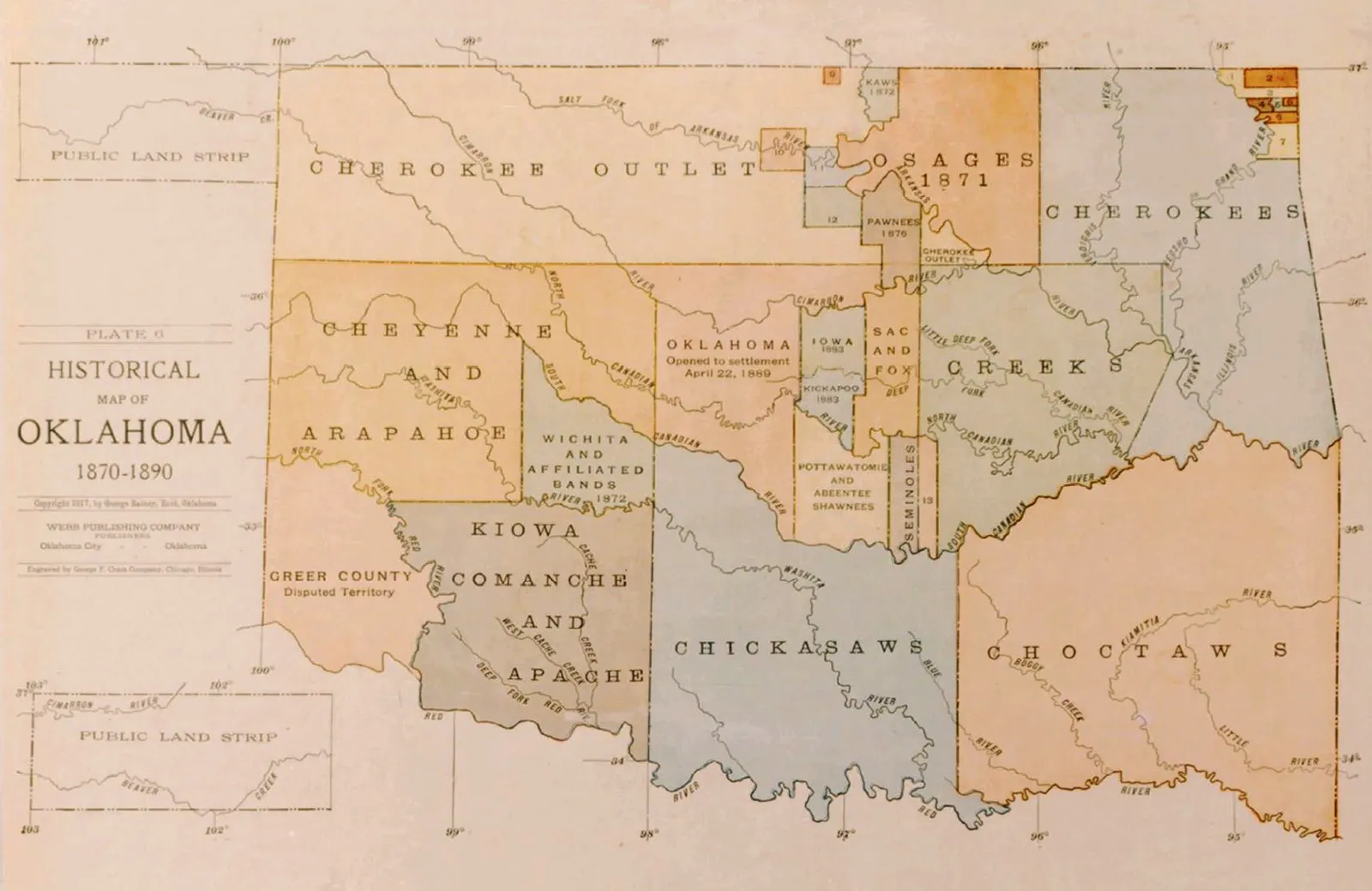
Ultimately, the Kaw Nation was forcibly relocated to Indian Territory, which would later become Oklahoma, in 1873. This arduous journey marked a profound shift in their way of life, severing many ties to their traditional lands and requiring immense adaptation to a new environment. They settled in what is now Kaw City, Oklahoma, within the present-day boundaries of Kay County.
The late 19th and early 20th centuries presented further obstacles, including the devastating impact of the Dawes Act (General Allotment Act of 1887). This federal policy aimed to dismantle tribal communal land ownership by allotting individual parcels to tribal members, often leading to the loss of vast tracts of land to non-Native settlers through various means.
Despite these historical traumas, the Kaw Nation persevered. They reorganized under the Oklahoma Indian Welfare Act of 1936, establishing a modern tribal government. This was a critical step towards reclaiming their sovereignty and rebuilding their community on their own terms, laying the groundwork for the self-governance they exercise today.

Today, the Kaw Nation operates as a sovereign governmental entity with its own constitution and elected tribal council. The tribal headquarters are located in Kaw City, Oklahoma, serving as the administrative hub for various tribal programs and services. This self-governance is central to their ability to provide for their people and protect their unique cultural heritage.
The Kaw Nation is known for its strong commitment to cultural preservation and revitalization. Efforts are continuously made to keep the Kanza language alive, despite it being critically endangered. Language immersion programs, educational materials, and cultural events are vital in ensuring future generations connect with their linguistic roots.
Cultural events play a significant role in community life. Annual Kaw Nation powwows, dances, and traditional ceremonies offer opportunities for tribal members and visitors to celebrate their heritage through music, dance, storytelling, and artisan crafts. These gatherings are vibrant expressions of identity and community cohesion.
One of the most sacred sites for the Kaw Nation is the Washunga Cemetery, located near Kaw City. This historic cemetery is the final resting place for many Kanza ancestors, including Chief Washunga, a revered leader. It serves as a powerful reminder of their history and the continuity of their people.
The Kaw Nation has actively pursued economic development to ensure the prosperity and self-sufficiency of its members. A cornerstone of their economic strategy has been the establishment of gaming enterprises, such as the SouthWind Casino, which provides significant revenue for tribal services and job creation within the region.
Beyond gaming, the tribe explores diverse economic ventures, including tourism, agriculture, and other business initiatives. These efforts are crucial for creating sustainable employment opportunities, diversifying their economic base, and contributing to the broader Oklahoma economy.
The Kaw Nation is deeply committed to providing comprehensive services for its tribal members. These include robust educational programs, healthcare services, housing assistance, and elder care. Investing in these areas directly improves the quality of life and opportunities for Kanza families.
Education is a priority, with tribal initiatives supporting scholarships, early childhood education, and cultural education programs that instill pride in their heritage. These programs aim to empower younger generations with the knowledge and skills needed for success while maintaining strong ties to their identity.
Environmental stewardship is another core value. The Kaw Nation works to protect and manage its natural resources, recognizing their spiritual and practical importance. This includes efforts related to land conservation, water quality, and sustainable practices for future generations.

The relationship between the Kaw Nation and the state of Oklahoma, as well as the federal government, is complex and dynamic. As a sovereign nation, the Kaw Nation engages in government-to-government relations, advocating for their rights, resources, and self-determination.
For those interested in learning more or visiting, the Kaw Nation Cultural Center and Museum offers a wealth of information. Visitors can explore exhibits detailing Kanza history, artifacts, and contemporary life, providing invaluable insights into their rich heritage.
The Kaw Nation’s land base, though significantly reduced from their ancestral domain, is primarily located in Kay County, Oklahoma, near the town of Kaw City. This area is situated in the north-central part of the state, close to the Kansas border.
To answer common questions: What is the Kaw Nation known for? They are renowned for their unwavering resilience in the face of adversity, their dedication to preserving the endangered Kanza language, their vibrant cultural traditions, and their successful economic development initiatives.
What language do the Kaw people speak? The traditional language is Kanza (or Kaw), a Siouan language closely related to Osage and Omaha. While few fluent speakers remain, aggressive revitalization efforts are underway to teach it to tribal youth.
How can one visit or learn more about the Kaw Nation? The best way is to visit the Kaw Nation Cultural Center and Museum in Kaw City, Oklahoma. Attending public events like their annual powwow (check their official website for dates) also offers a great opportunity to engage respectfully.
The Kaw Nation continues to be an active and influential force in Oklahoma. Their tribal government collaborates with state and local entities on various projects, contributing to regional development while steadfastly maintaining their unique cultural identity and sovereign rights.
The journey of the Kaw Nation is a powerful narrative of survival, adaptation, and revitalization. From their ancestral lands to their current reservation in Oklahoma, the Kanza people have demonstrated extraordinary strength and an unyielding commitment to their heritage.
Their story is not just one of the past but a vibrant, ongoing testament to Indigenous resilience in the modern era. Through robust governance, economic innovation, and passionate cultural preservation, the Kaw Nation continues to thrive, contributing significantly to the cultural and economic landscape of Oklahoma and beyond.
In conclusion, the Kaw Nation Reservation in Oklahoma is far more than just a geographical location; it is a living embodiment of a people’s enduring spirit. Their history of displacement and struggle has forged a community deeply rooted in its traditions, yet forward-looking in its pursuit of prosperity and self-determination for all Kanza people. Their story serves as an inspiring example of how Indigenous nations continue to reclaim, revitalize, and shape their futures.
- The Kaw Nation, or Kanza people, originated from ancestral lands in what is now Kansas and Missouri.
- They were forcibly removed to Indian Territory (Oklahoma) in the late 19th century.
- The tribe successfully reorganized under modern self-governance, headquartered in Kaw City, Oklahoma.
- Significant efforts are dedicated to Kanza language revitalization and cultural preservation.
- Economic development, particularly through enterprises like SouthWind Casino, supports tribal services and community growth.
- The Kaw Nation offers essential services to its members, including education, healthcare, and housing.
- Sites like Washunga Cemetery hold deep historical and spiritual significance.
- They are a sovereign nation actively shaping their future while honoring their past.