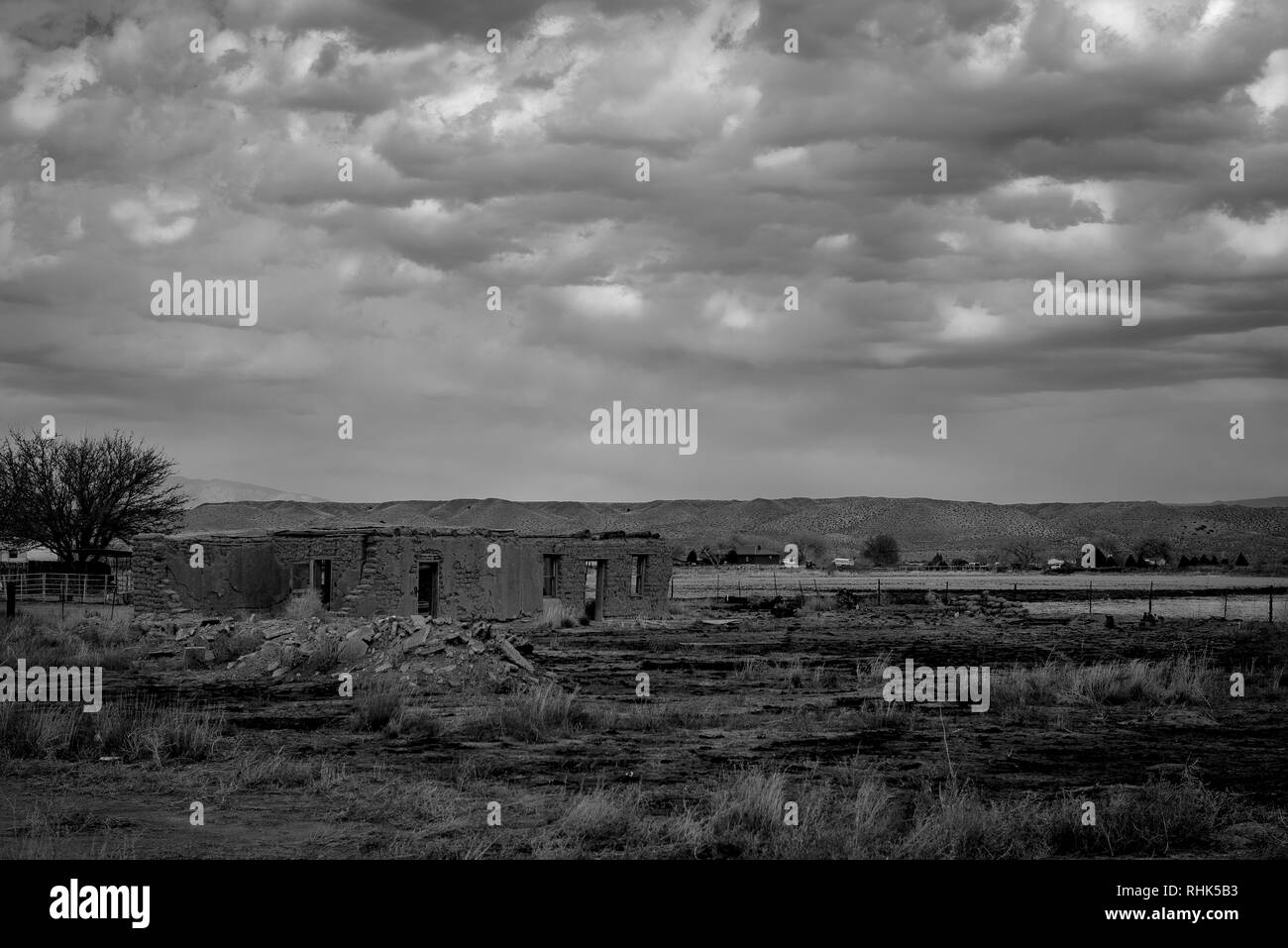
Nestled along the verdant banks of the Rio Grande, just south of Albuquerque, New Mexico, lies the captivating Isleta Pueblo Reservation. This ancient community, known as Shiewibak or ‘the place where a knife was thrown to the ground’ in their native Tiwa language, holds a profound place in the tapestry of American history and culture.
For centuries, the Isleta people have thrived on this land, demonstrating remarkable resilience and a deep connection to their ancestral heritage. Their story is one of enduring traditions, vibrant community life, and a continuous adaptation to a changing world, all while preserving the essence of who they are.
This comprehensive guide will take you on a journey through the heart of Isleta Pueblo, exploring its rich history, unique cultural practices, modern developments, and offering insights for respectful engagement with this living, breathing testament to Native American endurance.
The Enduring History of Isleta Pueblo
The history of Isleta Pueblo stretches back thousands of years, long before European contact. Archaeological evidence suggests continuous habitation in the Rio Grande Valley for millennia, with the ancestors of the Isleta people establishing their permanent settlements around 1300 CE.
The name ‘Isleta’ was given by the Spanish, meaning ‘little island,’ a reference to the pueblo’s location on a tongue of land that was often surrounded by the waters of the Rio Grande. This strategic location provided both natural defenses and fertile agricultural land.
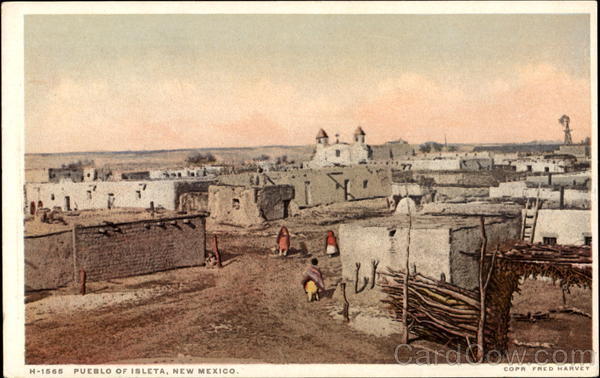
Spanish conquistadors first encountered Isleta Pueblo in the late 16th century. Like many other Pueblos, Isleta experienced the profound impact of colonization, including the introduction of new religions, economic systems, and diseases.
One of the most significant events in Pueblo history, the Pueblo Revolt of 1680, saw the Isleta people play a complex role. While some Isleta joined the unified uprising against Spanish rule, others, particularly those who had embraced Christianity, sought refuge with the Spanish, eventually relocating to what is now El Paso, Texas, and establishing Ysleta del Sur Pueblo.
Despite the disruptions, the Isleta people who remained, and those who eventually returned, steadfastly rebuilt and maintained their community, weaving Spanish influences into their existing cultural fabric while retaining the core of their ancestral practices. This period of resilience solidified their identity and determination.
Culture and Traditions: The Heartbeat of Isleta
The cultural richness of Isleta Pueblo is truly its most striking feature. Central to their identity is the Tiwa language, a Tanoan language spoken by the Isleta people, along with other pueblos like Picuris and Taos. Efforts to preserve and revitalize the Tiwa language are ongoing, ensuring that this vital aspect of their heritage continues for future generations.
Isleta culture is deeply rooted in communal values, respect for elders, and a profound connection to the land and natural world. Their spiritual practices are intrinsically linked to cycles of nature, agricultural seasons, and the well-being of the community.
Traditional ceremonies, dances, and feast days are integral to Isleta life, often held at specific times throughout the year. These events are not merely performances but sacred expressions of gratitude, prayer, and community cohesion. Visitors are often welcome to observe certain public events, but always with the utmost respect and adherence to specific rules.
The artistry of the Isleta people is renowned, particularly their distinctive pottery. Isleta pottery often features red and black designs on a cream or white slip, with unique patterns and shapes. Other traditional crafts include jewelry, weaving, and basketry, each embodying generations of skill and cultural symbolism.
Governance within Isleta Pueblo combines traditional leadership structures with modern elected officials. The Pueblo operates as a sovereign nation, with its own constitution, laws, and judicial system, working to serve the needs and protect the rights of its tribal members.
Geography and Natural Beauty of the Reservation
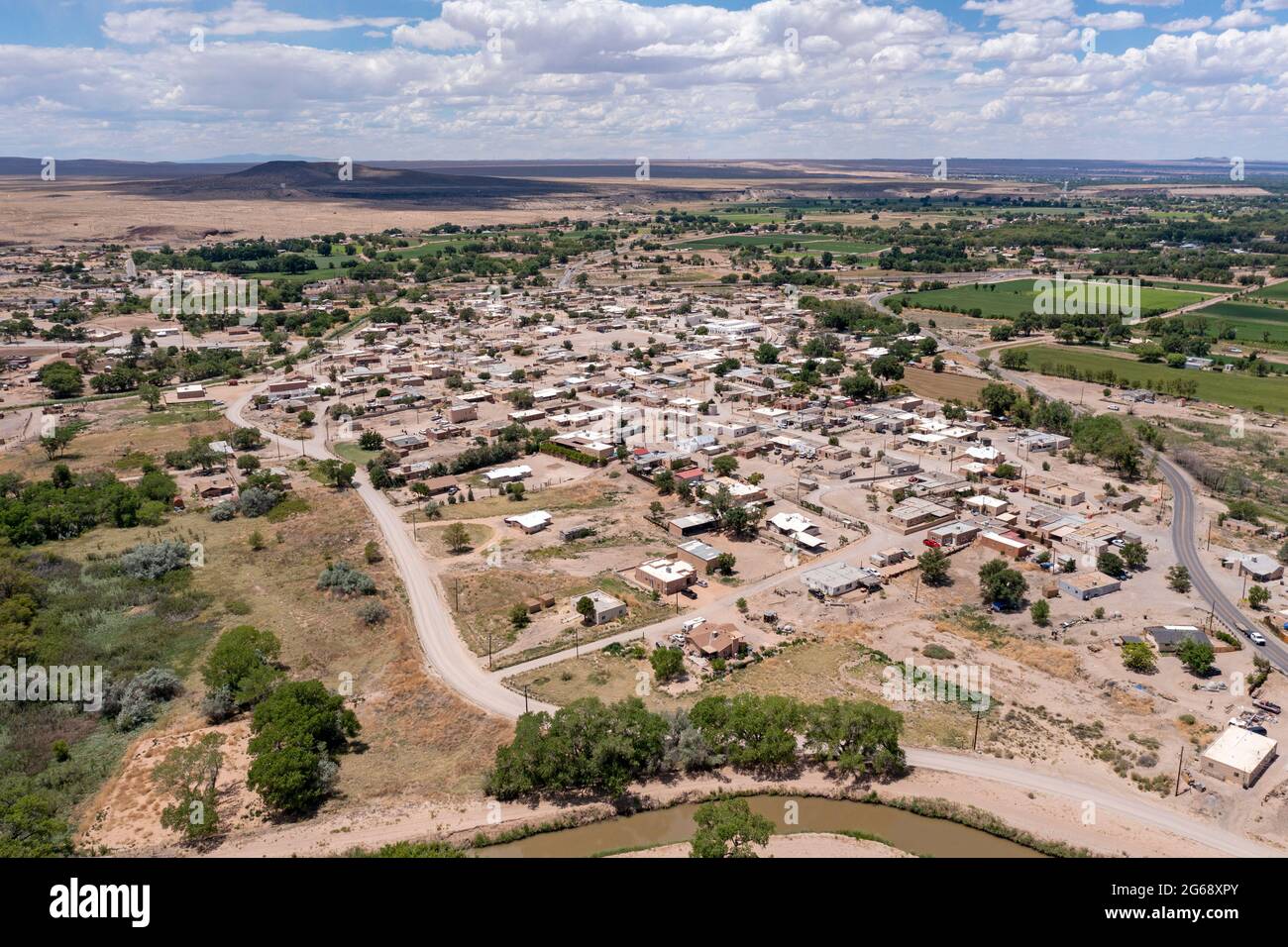
The Isleta Pueblo Reservation spans a significant area of land, encompassing approximately 211,000 acres (over 330 square miles) in Bernalillo and Valencia counties of New Mexico. This vast territory includes diverse landscapes, from the fertile floodplains of the Rio Grande to arid mesas and foothills.
The Rio Grande River is more than just a geographical feature; it is the lifeblood of the Pueblo. For centuries, the river has provided water for irrigation, sustaining their agricultural practices, including the cultivation of corn, beans, and squash, which are staples of their traditional diet.
The reservation’s natural environment also supports a variety of wildlife, making it a place of ecological significance. Birdwatching, fishing, and enjoying the serene beauty of the New Mexico landscape are all part of the experience, both for residents and respectful visitors.
Modern Isleta Pueblo: Economic Development and Community Life
In the contemporary era, Isleta Pueblo has embraced economic development to create opportunities for its people while maintaining cultural integrity. One of the most prominent enterprises is the Isleta Resort & Casino, a major destination offering gaming, entertainment, dining, and lodging.
Beyond the casino, the Pueblo manages various other enterprises, including the Isleta Eagle Golf Course, Isleta Lakes and Recreation Area, and a major fuel station. These ventures provide employment, generate revenue for essential services, and contribute to the economic self-sufficiency of the community.
Education and healthcare are paramount. The Pueblo operates its own schools and health services, ensuring that tribal members have access to quality education and medical care within their community. Programs often incorporate both Western and traditional approaches to wellness and learning.
Community life at Isleta is vibrant and forward-looking, yet deeply rooted in tradition. Regular community events, youth programs, and elder care initiatives foster a strong sense of belonging and ensure the continuity of their unique cultural heritage.
The Isleta Pueblo actively engages in land and water rights advocacy, working to protect their natural resources and sovereign interests for future generations. Their commitment to environmental stewardship is a testament to their enduring connection to the land.
Visiting Isleta Pueblo: Guidelines for Respectful Engagement
Isleta Pueblo welcomes respectful visitors who wish to learn about and experience their culture. However, it is crucial to remember that you are entering a sovereign nation with its own customs and rules. Respectful behavior is paramount.
- Photography: Always ask for permission before taking photographs, especially of people or during ceremonies. Some areas may have strict no-photography rules.
- Respect Sacred Sites: Do not trespass on private property or enter areas marked as restricted.
- Dress Modestly: When attending public ceremonies or visiting the Pueblo, dress respectfully.
- Cultural Events: If attending a feast day or dance, observe quietly and do not disrupt the proceedings. Follow any instructions given by tribal officials.
- Support Local: Consider purchasing authentic arts and crafts directly from Isleta artists.
The Isleta Resort & Casino offers a modern entertainment experience, while the Isleta Lakes and Recreation Area provides opportunities for fishing and outdoor enjoyment. The Isleta Eagle Golf Course is a popular destination for golf enthusiasts. These venues often have specific visitor policies.
For those interested in fishing at Isleta Lakes, permits are typically required and can be purchased on-site. It’s always advisable to check the official Isleta Pueblo website or contact tribal offices for the most current information regarding visitor access, events, and regulations.
What Isleta Pueblo is Known For
Isleta Pueblo is particularly known for its resilience and its beautiful pottery, often characterized by its distinctive red, black, and white designs. It’s also recognized for its significant role in the history of the Southwest, particularly its unique position during the Pueblo Revolt.
Today, Isleta is also well-known for its successful economic ventures, including the Isleta Resort & Casino, which stands as a symbol of the Pueblo’s modern self-sufficiency and ability to thrive in a contemporary world while honoring its past.
Conclusion: A Legacy of Resilience and Culture
The Isleta Pueblo Reservation stands as a vibrant testament to the enduring spirit of Native American people. From its ancient origins along the Rio Grande to its modern economic successes, Isleta has consistently demonstrated a profound ability to preserve its culture, language, and traditions while embracing progress.
Visiting or learning about Isleta Pueblo offers a unique opportunity to connect with a living history and gain a deeper understanding of the rich cultural diversity that defines the American Southwest. It is a community that continues to honor its ancestors, nurture its land, and build a strong future for generations to come.
The story of Isleta Pueblo is one of strength, adaptation, and an unwavering commitment to identity, reminding us of the invaluable contributions of indigenous peoples to the world.
By engaging respectfully and thoughtfully, we can all appreciate the profound legacy and ongoing vitality of the Isleta people.


