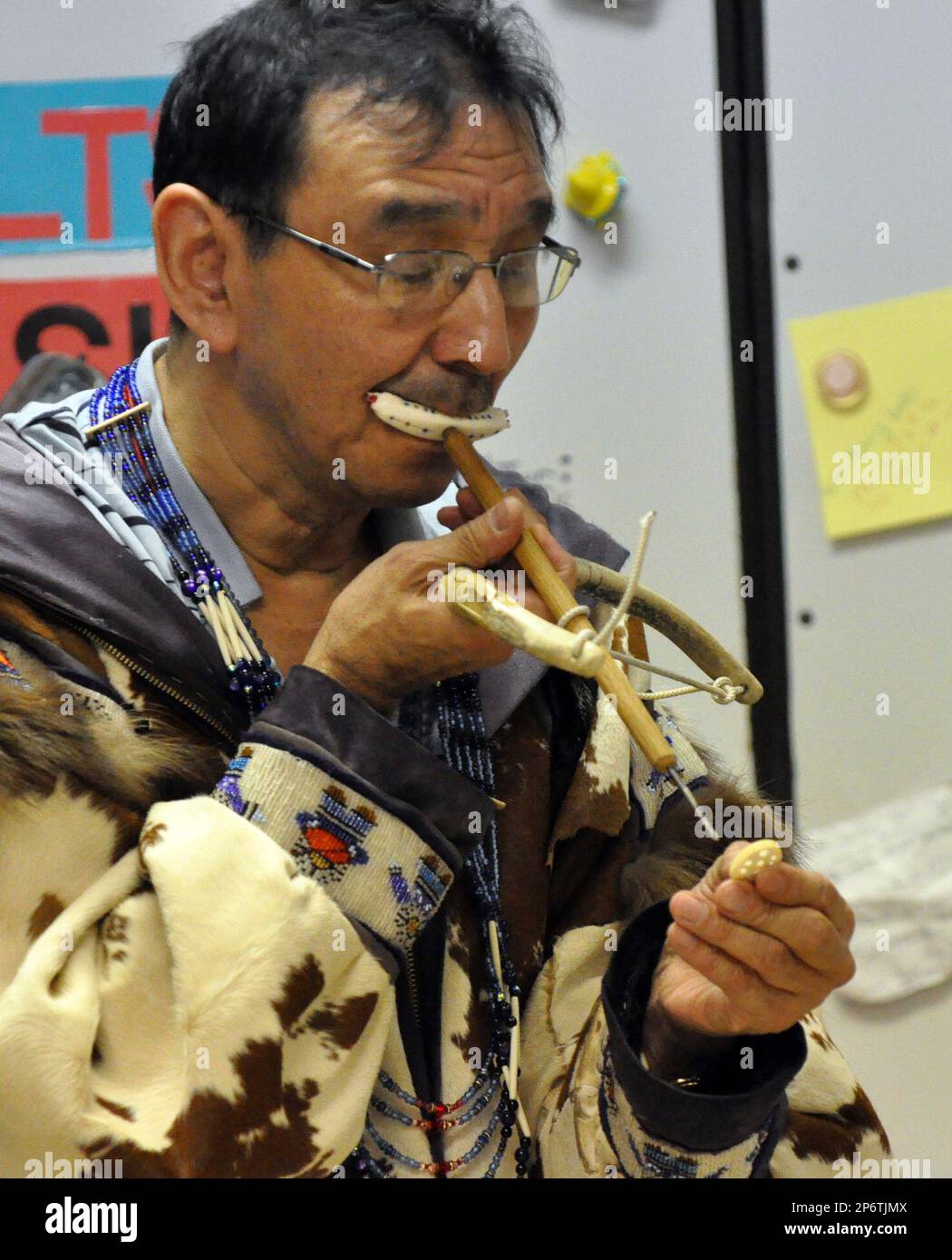
The Inupiat people, the indigenous inhabitants of the North Slope of Alaska and surrounding regions, possess a profound connection to their environment. This relationship is beautifully expressed through their traditional crafts, which are not merely objects of utility or beauty, but rather tangible representations of their history, beliefs, and way of life. Exploring Inupiat traditional craft lessons offers a unique opportunity to understand and appreciate this vibrant culture.
These crafts, passed down through generations, showcase the Inupiat’s ingenuity and resourcefulness in utilizing materials available in their Arctic homeland. From intricate carvings made of ivory and bone to meticulously sewn garments of animal hides and furs, each piece tells a story of survival, adaptation, and artistic expression. This blog post will delve into the world of Inupiat crafts, explore the techniques involved, and highlight the importance of preserving these traditions for future generations.
What are Inupiat Traditional Crafts?
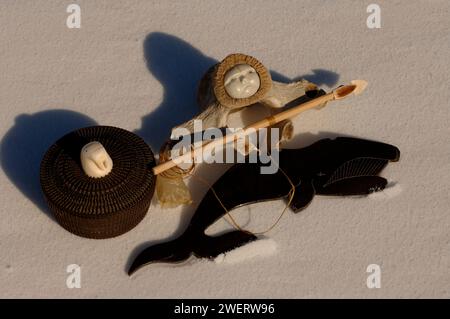
- Carvings: Intricate sculptures made from ivory (walrus tusks), bone, and antler, often depicting animals, spirits, and scenes from daily life.
- Clothing and Accessories: Garments sewn from animal hides, furs, and gut, providing warmth and protection in the harsh Arctic climate. This includes parkas, mukluks (boots), mittens, and hats.
- Basketry: Baskets woven from grasses and roots, used for storage, gathering, and cooking.
- Tools and Hunting Implements: Utilitarian objects such as harpoons, fishing hooks, and ulus (women’s knives) crafted from bone, stone, and wood.
- Masks: Elaborate masks used in ceremonies and dances, representing spirits and mythical beings.
The Significance of Materials
The materials used in Inupiat crafts are not chosen at random but reflect a deep respect for the animals and the environment. Each material possesses unique properties that make it suitable for specific purposes.
Ivory and Bone: Primarily sourced from walruses, whales, and caribou, ivory and bone are prized for their durability and workability. They are used to create carvings, tools, and decorative elements.
Animal Hides and Furs: Seals, caribou, polar bears, and other Arctic animals provide essential materials for clothing and shelter. The furs offer exceptional insulation, while the hides are used for waterproof garments and coverings.
Grasses and Roots: Woven into baskets, these materials provide lightweight and durable containers for various purposes.

Gut: Intestines of marine mammals, particularly seals and whales, are meticulously cleaned, stretched, and sewn to create waterproof garments like parkas.
Essential Inupiat Craft Techniques
- Carving: Using specialized tools such as knives, gravers, and files to shape ivory, bone, and antler into intricate designs.
- Sewing: Employing traditional stitches to join pieces of animal hides and furs, creating durable and waterproof garments.
- Weaving: Interlacing grasses and roots to form baskets of various shapes and sizes.
- Waterproofing: Treating animal hides and gut with natural substances to make them resistant to water.
The Ulu: A Symbol of Inupiat Women’s Ingenuity
The ulu, a crescent-shaped knife, is an indispensable tool for Inupiat women. Used for a wide range of tasks, from skinning animals to preparing food, the ulu represents the resourcefulness and skill of Inupiat women. The design of the ulu is perfectly suited for its purpose, providing a comfortable grip and a sharp, curved blade for efficient cutting.
Inupiat Mask Making: Bridging the Worlds
Inupiat masks are not mere decorations; they are powerful objects used in ceremonies and dances to connect with the spirit world. These masks often depict animals, spirits, or mythical beings, and are adorned with feathers, fur, and other natural materials. The creation and wearing of masks are deeply symbolic, allowing the Inupiat to communicate with and honor the spirits that inhabit their world.
Preserving Inupiat Craft Traditions
In recent years, there has been a growing awareness of the importance of preserving Inupiat craft traditions. Cultural centers, museums, and educational programs are playing a vital role in teaching these skills to younger generations and promoting appreciation for Inupiat art and culture. Elders are also actively involved in passing down their knowledge and expertise to ensure that these traditions continue to thrive.
How Can You Learn About Inupiat Crafts?
- Visiting Museums and Cultural Centers: Many museums and cultural centers in Alaska and other parts of the world feature exhibits on Inupiat art and culture.
- Taking Online Courses: Some organizations offer online courses on Inupiat crafts, providing an opportunity to learn from experienced instructors.
- Reading Books and Articles: Numerous books and articles have been written about Inupiat crafts, offering insights into the history, techniques, and symbolism of these art forms.
- Supporting Inupiat Artists: Purchasing authentic Inupiat crafts directly from artists or reputable organizations helps to support their livelihoods and preserve their traditions.
The Economic Impact of Traditional Crafts
Traditional crafts play a significant role in the Inupiat economy. The sale of carvings, clothing, and other handcrafted items provides income for many families and helps to sustain their traditional way of life. Supporting Inupiat artists is not only a way to acquire beautiful and unique pieces of art but also a means of contributing to the economic well-being of the Inupiat community.
The Role of Storytelling in Crafting
Inupiat crafts are often imbued with stories and legends passed down through generations. Carvings may depict scenes from traditional tales, while garments may be adorned with symbols that represent specific clans or families. Storytelling is an integral part of the crafting process, adding depth and meaning to each piece.
The Future of Inupiat Crafts
The future of Inupiat crafts depends on the continued efforts to preserve and promote these traditions. By supporting Inupiat artists, educating younger generations, and raising awareness of the cultural significance of these crafts, we can help to ensure that they continue to thrive for many years to come.
Commonly Asked Questions About Inupiat Crafts (People Also Ask)
What materials are used in Inupiat crafts?
Inupiat crafts utilize a variety of natural materials, including ivory (walrus tusks), bone, antler, animal hides (seal, caribou, polar bear), furs, grasses, roots, and gut (intestines of marine mammals). The selection of materials depends on their availability and suitability for specific purposes.
What are some examples of Inupiat crafts?
Examples include carvings of animals and spirits, clothing such as parkas and mukluks, baskets woven from grasses, tools like harpoons and ulus, and masks used in ceremonies.
How can I learn to make Inupiat crafts?
You can learn through museum workshops, online courses, books, and by connecting with Inupiat cultural centers. Supporting Inupiat artists and cultural organizations is also a great way to learn and contribute to the preservation of these traditions.
Why are Inupiat crafts important?
Inupiat crafts are important because they represent a vital part of Inupiat culture, history, and identity. They reflect the Inupiat people’s deep connection to their environment and their ingenuity in utilizing natural resources. Preserving these crafts helps to maintain cultural continuity and support the economic well-being of Inupiat communities.
Where can I buy authentic Inupiat crafts?
You can purchase authentic Inupiat crafts directly from Inupiat artists, reputable galleries specializing in Native art, and cultural centers in Alaska. Ensure that the items are certified as authentic to support the artists and prevent the purchase of imitation products.
Conclusion: Embracing the Legacy of Inupiat Craftsmanship
Inupiat traditional crafts offer a captivating glimpse into the rich cultural heritage of the Arctic. From the intricate carvings to the meticulously sewn garments, each piece embodies the Inupiat people’s deep connection to their environment and their remarkable ingenuity. By learning about and supporting these crafts, we can help to preserve these invaluable traditions for future generations, ensuring that the legacy of Inupiat craftsmanship continues to thrive. Take the time to explore the artistry, stories, and cultural significance embedded within each Inupiat creation, and you’ll discover a profound appreciation for the enduring spirit of the Arctic.
Understanding the nuances of Inupiat crafts also highlights the importance of sustainable practices and respect for the environment, values deeply ingrained in Inupiat culture. As we navigate an increasingly complex world, the lessons learned from Inupiat traditions offer valuable insights into living in harmony with nature and preserving cultural heritage.
Ultimately, exploring Inupiat craft lessons is an enriching journey into a world of artistry, resilience, and cultural pride. It is an opportunity to connect with a community that has thrived in the Arctic for centuries and to appreciate the beauty and wisdom of their traditions.