
The human face, a canvas of expression and identity, has long been adorned across cultures. For the Inupiat people of the Arctic, facial tattoos, known by various terms including kakiniit or kakiiniq, are far more than mere decoration. They are intricate narratives etched onto the skin, embodying deep cultural significance, spiritual protection, and a profound connection to ancestral heritage. These markings tell stories of rites of passage, achievements, and a people’s enduring spirit.
The Inupiat are one of the Indigenous peoples of Alaska, inhabiting the northern and northwestern coasts. Their traditional lands stretch across the vast, often harsh, but resource-rich Arctic landscape. For centuries, their culture has been intertwined with the environment, and their art forms, including tattooing, reflect this deep relationship with the land, sea, and animal world.
The Deep Roots of Inupiat Tattooing: An Ancient Practice
Evidence suggests that tattooing among Arctic Indigenous peoples dates back thousands of years. Archaeological finds, such as the well-preserved remains of an Inupiaq woman from St. Lawrence Island dating back to 1000-1200 CE, show intricate facial and body tattoos. These discoveries underscore the antiquity and widespread nature of the practice across the circumpolar North.
Traditional Inupiat tattoos were not applied lightly. They were a sacred and often painful process, deeply embedded in the cultural fabric. The designs and their placement were carefully chosen, each line and dot carrying specific meaning and purpose.
Beyond Adornment: The Multifaceted Meanings
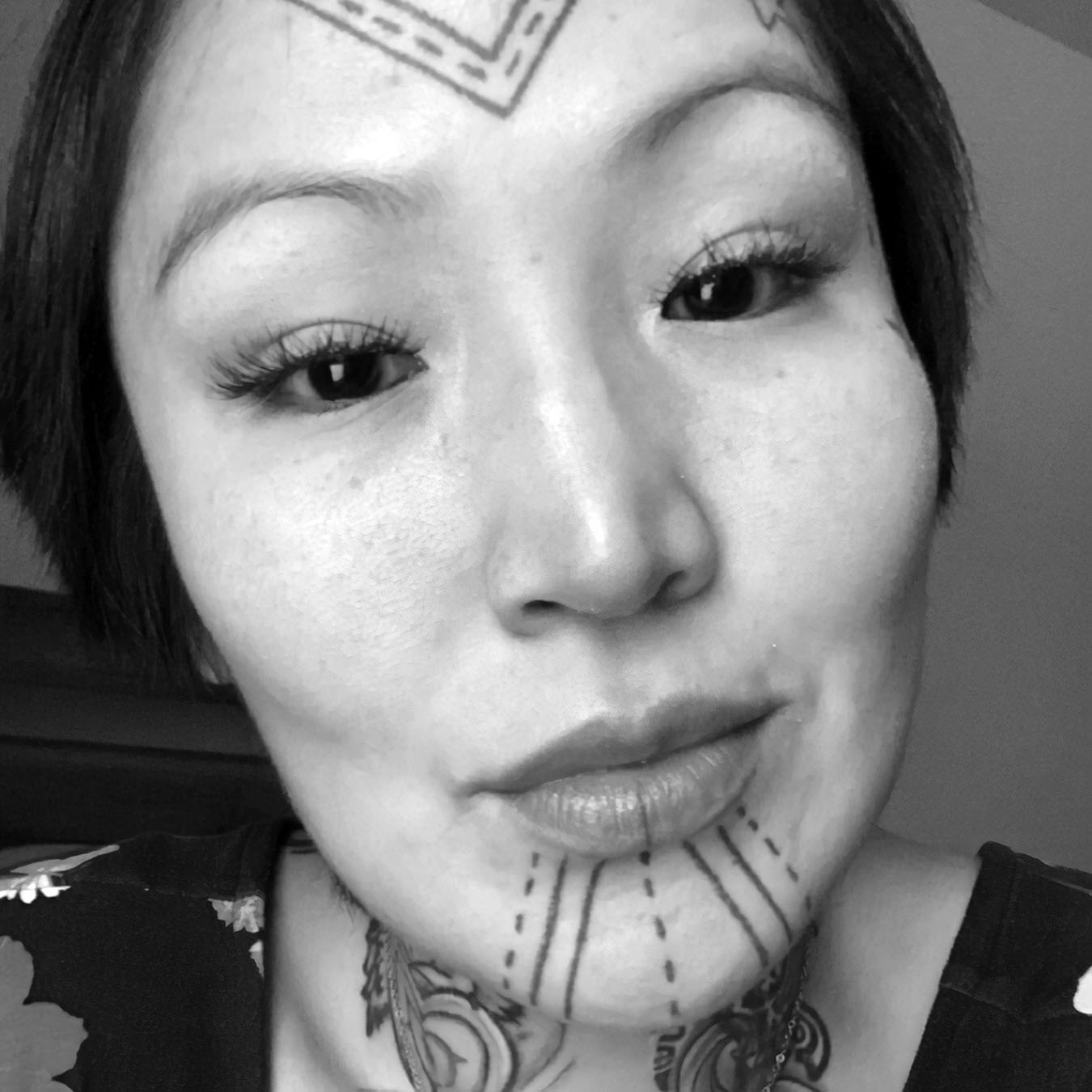
- Rites of Passage: For young women, tattoos often marked the transition into womanhood, signifying readiness for marriage, motherhood, or specific cultural roles. A girl’s first menstruation, for example, might be celebrated with a chin tattoo.
- Identity and Belonging: Tattoos could denote a person’s family, clan, or regional affiliation, acting as visible markers of identity within the broader Inupiat community. They reinforced a sense of belonging and shared heritage.
- Spiritual Protection and Power: Many tattoos were believed to offer spiritual protection, warding off evil spirits or bringing good fortune. Specific patterns might invoke the strength of animals or connect the wearer to ancestral spirits.
- Achievements and Status: For hunters, tattoos might commemorate successful hunts or significant achievements, symbolizing their prowess and contribution to the community’s survival.
- Beauty and Strength: While deeply symbolic, tattoos were also considered a form of beauty and a demonstration of strength and resilience in enduring the tattooing process.
Traditional Techniques and Tools: The Art of Skin Stitching
- Needles: Traditionally made from bone, ivory, or sinew.
- Thread: Often sinew (caribou or whale tendon) was used as the ‘thread’.
- Pigment: Soot from seal oil lamps, mixed with urine or water, was rubbed into the sinew.
- Process: The pigmented sinew was then threaded through the skin, creating a continuous line of dots or stitches that formed the desired pattern. The process was slow, precise, and required immense skill from the tattoo practitioner, typically an elder woman.
Another method, though less common for facial tattoos, involved hand-poking with a sharp tool and tapping, similar to some other Indigenous tattooing traditions. Regardless of the exact technique, the process was a testament to the wearer’s endurance and commitment to their cultural identity.
Patterns and Their Stories: A Language on the Skin
Inupiat facial tattoos feature a variety of patterns, each with its own cultural narrative. The most recognizable is often the tavluq, or chin tattoo, which consists of vertical lines extending from the lower lip to the chin. This marking was predominantly worn by women and held significant meaning related to womanhood, family, and spiritual connection.
Other common motifs included dots, lines, chevrons, and animal-inspired designs around the eyes, cheeks, and forehead. These patterns could represent everything from hunting tools and animal tracks to natural phenomena like the aurora borealis, each contributing to a personal and collective story.
The Era of Suppression and Loss: A Dark Chapter
With the arrival of missionaries, traders, and eventually government policies in the 19th and 20th centuries, Indigenous cultural practices, including tattooing, faced severe suppression. Missionaries often deemed tattoos ‘pagan’ or ‘savage,’ pressuring Inupiat people to abandon their traditions in favor of Western customs.

The stigma associated with tattoos, coupled with forced assimilation policies and the devastating impact of diseases and cultural disruption, led to a rapid decline in the practice. By the mid-20th century, traditional Inupiat facial tattooing had nearly vanished, becoming a painful symbol of lost heritage.
The Resurgence: Reclaiming Identity and Heritage
In recent decades, there has been a powerful and inspiring resurgence of Indigenous tattooing across the Arctic, including among the Inupiat. This cultural revitalization movement is driven by a deep desire to reclaim lost traditions, heal historical trauma, and assert cultural pride.
Modern practitioners, often learning from elders, historical records, and other Indigenous tattoo artists, are painstakingly reviving the ancient skin stitch technique. They are also adapting modern tools and hygiene practices while staying true to the spirit and aesthetic of the traditional designs.
The Power of Reclamation Today
- Cultural Pride: A visible statement of identity and connection to ancestry.
- Healing and Resilience: A way to acknowledge and overcome the trauma of colonial suppression.
- Education and Awareness: Sparking conversations and educating both Indigenous and non-Indigenous communities about Inupiat culture.
- Intergenerational Connection: Bridging the gap between elders who remember the last tattooed generations and youth eager to embrace their heritage.
The revival is not just about aesthetics; it’s about strengthening cultural bonds, preserving language, and ensuring the continuity of Inupiat identity for future generations. It’s a testament to the enduring strength and adaptability of the Inupiat people.
Common Questions Answered About Inupiat Facial Tattoos
What do Inupiat facial tattoos symbolize? Inupiat facial tattoos symbolize a range of meanings including rites of passage (e.g., womanhood), spiritual protection, clan or family identity, personal achievements (like successful hunting), and an aesthetic expression of beauty and strength. Each design element carries specific cultural significance.
Who traditionally received these tattoos? Historically, Inupiat facial tattoos were primarily worn by women, especially the chin tattoos (tavluq). However, men also received tattoos, often on their bodies to commemorate hunts or offer spiritual protection, though facial tattoos were less common for men than women.
Is the practice of Inupiat tattooing alive today? Yes, the practice has seen a significant and powerful revival in recent decades. A new generation of Inupiat and other Alaskan Native peoples are proudly receiving and applying traditional tattoos, reclaiming their cultural heritage.
How were traditional Inupiat tattoos applied? The most common method was skin stitching. This involved threading a sinew (tendon) coated in soot (pigment) under the skin using a bone or ivory needle, creating a continuous line of dark stitches that formed the design.
Are there specific designs for men vs. women? While some designs, like the chin tattoo (tavluq), were predominantly for women, other patterns and placements could be shared or had slightly different meanings for men and women. Men’s tattoos were often more focused on hunting prowess and spiritual protection, sometimes on the body rather than solely the face.
Why did the practice nearly disappear? The practice nearly disappeared due to colonial pressures, including the influence of Christian missionaries who deemed the tattoos ‘pagan,’ and government policies of assimilation that sought to erase Indigenous cultural practices. This led to stigma and fear, causing many to abandon the tradition.
Conclusion: A Legacy Reborn
Inupiat facial tattoos are a profound testament to the resilience and rich cultural heritage of the Inupiat people. From their ancient origins as powerful symbols of identity, spirituality, and achievement, through an era of near-eradication, to their vibrant modern resurgence, these markings continue to tell a compelling story. The act of receiving and wearing these tattoos today is a powerful affirmation of cultural pride, a bridge to ancestral knowledge, and a bold statement that Inupiat identity, though challenged, remains strong and ever-evolving.
The lines and dots on an Inupiat face are not just ink; they are living history, a visible declaration of who they are, where they come from, and the unbreakable spirit that guides them forward.


