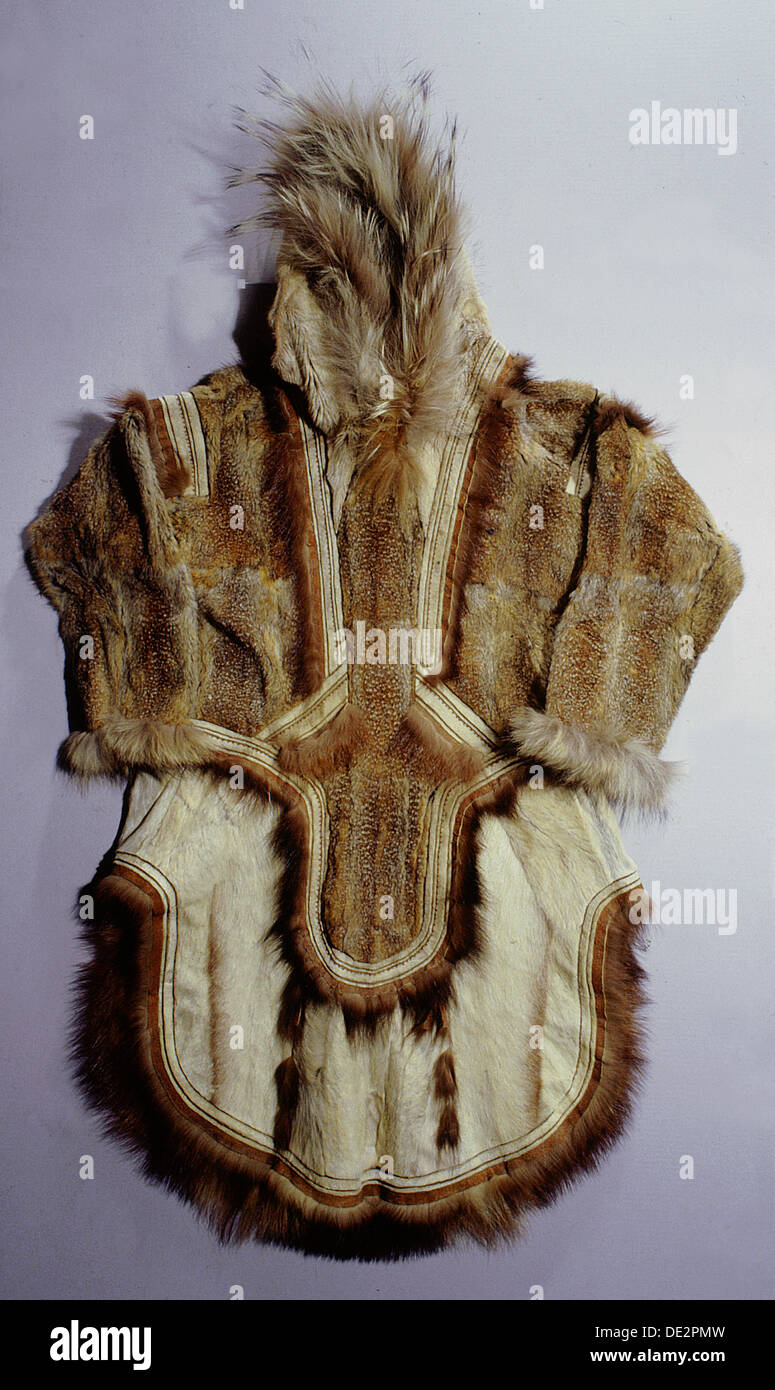

In the vast, unforgiving expanse of the Arctic, where temperatures plummet and survival demands exceptional resilience, the Inupiat people have thrived for millennia. Their enduring success is inextricably linked to their profound understanding of their environment and their ingenious ability to harness its resources. Among their most critical innovations is the creation of caribou skin clothing, a testament to human adaptability and a masterpiece of natural engineering.
This comprehensive guide delves into the world of Inupiat caribou skin clothing, exploring its historical significance, the intricate processes involved in its creation, and the unparalleled properties that make it an essential tool for survival in one of Earth’s harshest climates. We will uncover the cultural depth woven into every stitch and the lessons it offers for sustainable living.
The Inupiat and Their Arctic Homeland
The Inupiat are Indigenous people of Alaska, inhabiting a vast region stretching from Norton Sound on the Bering Sea to the Canadian border. Their traditional territories are characterized by tundra, sea ice, and extreme cold, conditions that demand specialized knowledge and equipment to navigate and survive.
For generations, the caribou (Rangifer tarandus) has been central to Inupiat life, providing not only sustenance but also the raw materials for shelter, tools, and, most importantly, clothing. The relationship between the Inupiat and the caribou is one of deep respect and interdependence, a bond that underpins their very existence.
Why Caribou Skin? An Unrivaled Material for Arctic Survival
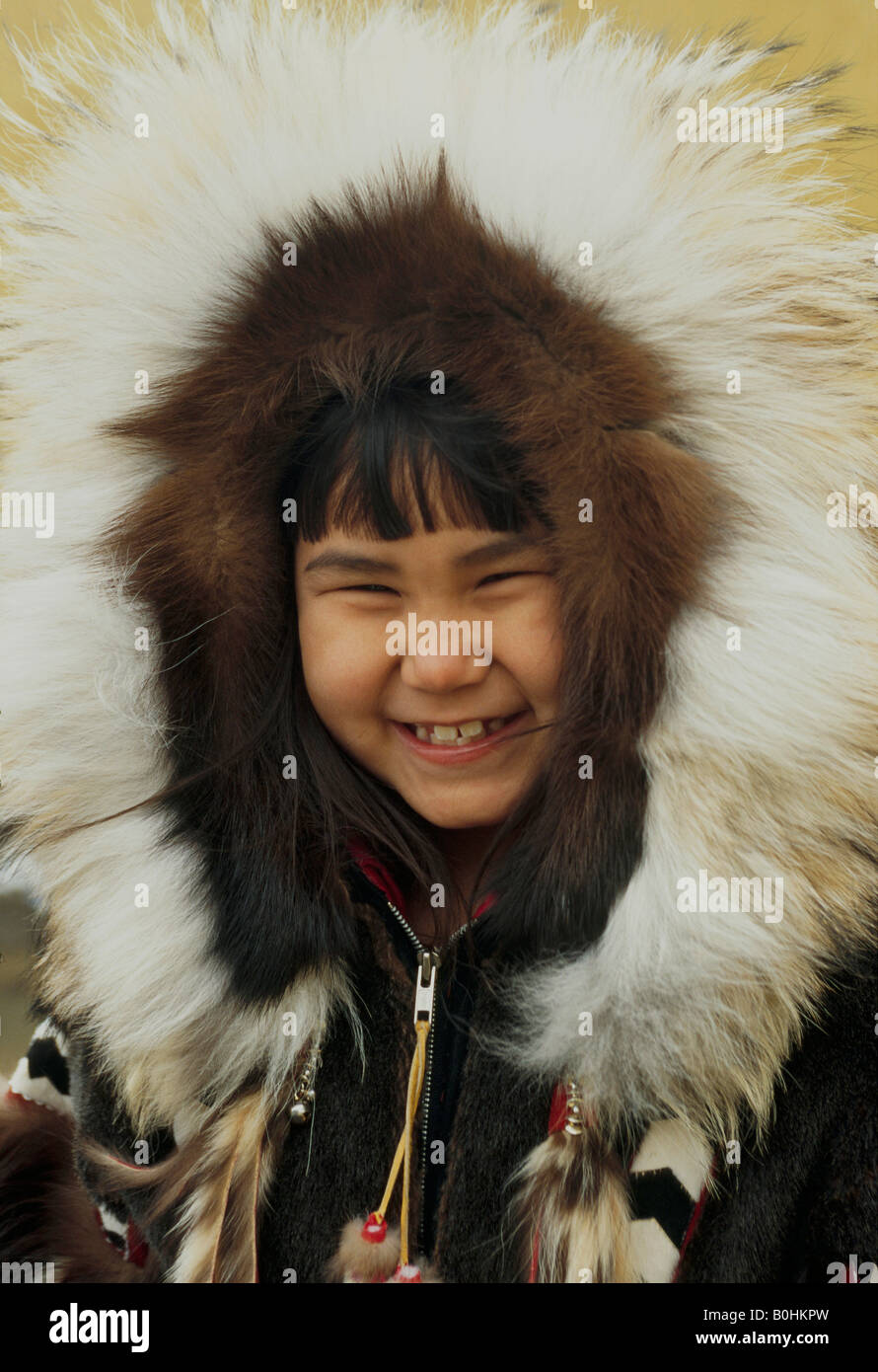

What makes caribou skin so uniquely suited for Arctic clothing? The answer lies in its remarkable structural properties, evolved over millennia to protect the animal itself from the frigid environment. These properties translate directly into superior thermal insulation for humans.
The secret is the caribou’s hair. Each strand is hollow, creating millions of tiny air pockets that trap warmth, forming an incredibly effective insulating layer. This natural design provides an exceptional warmth-to-weight ratio, meaning garments are both incredibly warm and relatively lightweight, crucial for mobility in a challenging landscape.
Unlike many modern synthetic materials, caribou skin breathes, allowing moisture from perspiration to escape. This is vital in cold environments, as damp clothing can quickly lead to hypothermia. The natural fibers manage moisture effectively, keeping the wearer dry and warm.
Furthermore, caribou skin is durable and flexible, able to withstand the rigors of daily life in the Arctic. When properly cared for, these garments can last for many years, providing reliable protection against the elements.
The Art of Preparation: From Hide to Garment
The creation of caribou skin clothing is a labor-intensive process, demanding skill, patience, and a deep understanding of traditional techniques. It begins with the respectful hunting of caribou, often a communal activity, followed by the meticulous preparation of the hides.
Tanning is the crucial step that transforms raw hide into pliable, durable leather. Traditional Inupiat tanning methods vary but often involve scraping the hide clean of flesh and hair, then softening it through repeated stretching and working, sometimes incorporating brain tanning or smoke treatment to enhance its properties and preserve it.
The tools used are as traditional as the process itself. The uḷu, a crescent-shaped knife, is indispensable for scraping and cutting. Bone or antler awls are used to pierce holes for sewing, and sinew, typically from caribou or whale, serves as the strong, durable thread.
Sewing caribou skin is an art form. Seams must be incredibly strong and, for outer garments, often waterproof. This is achieved through specific stitching techniques, sometimes involving double seams or the use of sinew that swells when wet, sealing the needle holes.


Crafting the Wardrobe: Essential Garments
The Inupiat wardrobe is a carefully designed system of layered clothing, each piece serving a specific function to maximize warmth and flexibility.
The Atikłuk: The Iconic Parka
The atikłuk (or parka) is perhaps the most recognizable piece of Inupiat clothing. It is typically a hooded coat designed for maximum protection. Often, two parkas are worn: an inner parka with the fur facing inwards for direct contact warmth, and an outer parka with the fur facing outwards for protection from wind and snow.
The hood is an integral part of the atikłuk, often generously sized and trimmed with wolverine or wolf fur, which helps to break the wind and prevent ice buildup around the face due to its unique hair structure.
Qalipak: Inner Layer Warmth
While the atikłuk provides the primary outer defense, inner layers like the qalipak (a lighter caribou skin shirt or tunic) are also crucial. These layers work together to trap air, creating multiple insulating barriers against the cold.
Iḷaruaq: Caribou Skin Pants
Caribou skin pants, known as iḷaruaq, are essential for protecting the lower body. They are designed for warmth and flexibility, allowing for movement during hunting, traveling, and daily activities.
Kamik: Boots for the Frozen Ground
Kamik (boots) are masterpieces of Arctic footwear. Made from caribou leg skin, which is particularly tough, or sometimes seal skin for waterproofing, they feature soles often made from bearded seal for durability and grip. The construction involves meticulous stitching to create water-resistant seams, crucial for crossing wet snow or slush.
Inner liners of caribou fur or grass provide additional insulation and wick away moisture, keeping feet dry and preventing frostbite.
Agluk: Mittens and Handwear
Caribou skin mittens, or agluks, are designed to keep hands warm and functional. They are often large and well-insulated, allowing for dexterity while still providing robust protection. Sometimes they are attached to a cord that goes over the shoulders to prevent loss.
Beyond Function: Design, Aesthetics, and Cultural Significance
Inupiat caribou skin clothing is more than just practical attire; it is a canvas for cultural expression. Designs, patterns, and embellishments often convey information about the wearer’s gender, status, or regional identity.
Geometric patterns, fur trim variations, and the use of different colored skins can all carry symbolic meaning. The meticulous craftsmanship itself is a form of artistic expression, reflecting the maker’s skill and respect for the materials.
The spiritual connection to the caribou is also deeply ingrained in the clothing. Every garment represents a continuation of life, a respectful utilization of a gift from the land, ensuring the survival and well-being of the community.
The Science of Warmth: How Inupiat Clothing Works
The effectiveness of Inupiat clothing isn’t just about the material; it’s also about the sophisticated system of layering. Multiple layers of caribou skin, sometimes with fur facing in and sometimes out, create air pockets that act as excellent insulators.
This layering also allows for easy adjustment to changing activity levels. When active, layers can be shed to prevent overheating and sweating. When resting, they can be added back to maintain warmth. This dynamic insulation is superior to a single, very thick garment.
Moisture management is critical. The natural properties of caribou hair, combined with the ability to vent and adjust layers, prevent moisture buildup. This is a key factor in avoiding hypothermia in extreme cold, as wet clothing loses its insulating properties rapidly.
Preserving a Legacy: Modern Challenges and Revival Efforts
Today, the tradition of making caribou skin clothing faces new challenges. Climate change impacts caribou migration patterns and populations, making hunting more unpredictable. The availability of commercial clothing has also reduced the necessity for traditional skills.
Cultural centers and educational programs play a vital role in teaching tanning, sewing, and design techniques, ensuring that the skills and knowledge associated with caribou skin clothing are not lost.
Sustainable Fashion and Indigenous Wisdom
The Inupiat approach to clothing offers profound lessons in sustainability. Every part of the caribou is utilized, minimizing waste. The materials are natural, biodegradable, and sourced locally, contrasting sharply with the environmental impact of fast fashion.
The emphasis on durability and repair means garments are valued and maintained for a lifetime, rather than being disposable. This holistic and respectful relationship with resources provides a powerful model for environmentally conscious living.
Conclusion
Inupiat caribou skin clothing stands as a powerful symbol of human ingenuity, cultural resilience, and harmonious coexistence with nature. From the unique insulating properties of caribou hair to the meticulous artistry of traditional tanning and sewing, every aspect reflects centuries of accumulated wisdom.
These garments are not merely clothes; they are an extension of the Inupiat identity, a vital tool for survival, and a living testament to the enduring spirit of a people who have mastered life in the Arctic. As we look to the future, the lessons embedded in this remarkable clothing continue to inspire and inform, reminding us of the deep value in traditional knowledge and sustainable practices.
The legacy of Inupiat caribou skin clothing remains strong, a warm embrace against the cold, preserving a rich heritage for generations to come.


.jpeg?w=200&resize=200,135&ssl=1 "Jobs Available On Indian Reservations")

