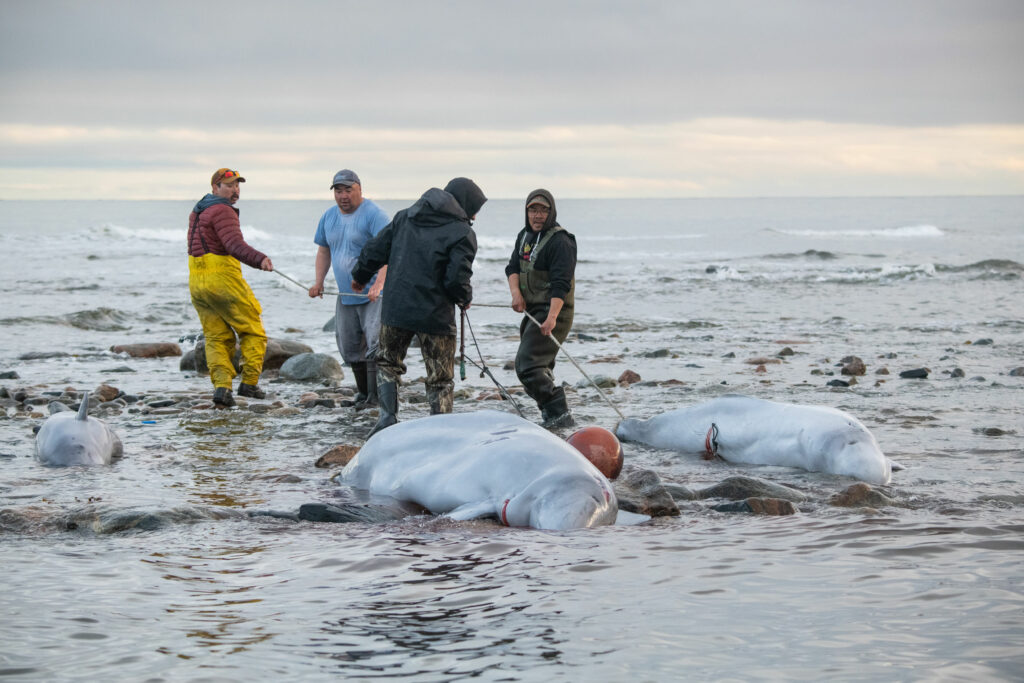

The vast, icy expanse of the Arctic is home to resilient cultures, none more intertwined with its environment than the Inupiat people of Alaska. For millennia, their survival and way of life have been inextricably linked to the marine mammals that thrive in these frigid waters. Among these, the beluga whale (Delphinapterus leucas), often called the ‘sea canary’ for its vocalizations, holds a paramount position, not just as a food source but as a cornerstone of Inupiat cultural identity.
Understanding Inupiat beluga whale hunting requires looking beyond a mere act of sustenance. It is a complex tapestry woven with threads of tradition, community, spiritual reverence, and an intimate knowledge of the Arctic ecosystem. This practice is not sport or commercial exploitation; it is a fundamental aspect of subsistence living, passed down through countless generations.
A Deep-Rooted Tradition: The Inupiat and the Arctic Environment
The Inupiat are one of the indigenous groups of Alaska, primarily residing in the northern and northwestern regions. Their history in the Arctic dates back thousands of years, a testament to their remarkable adaptability and profound connection to the land and sea. Living in one of the planet’s harshest environments, the Inupiat developed sophisticated strategies for survival, relying heavily on hunting and gathering.
For these communities, the ocean is not merely a resource; it is a provider, a teacher, and a sacred space. The seasonal cycles of marine mammals dictate much of their traditional calendar, influencing everything from community gatherings to spiritual practices. Hunting is, therefore, a highly integrated part of their societal structure and worldview.
The Beluga Whale: A Pillar of Inupiat Culture and Subsistence


Beluga whales are medium-sized toothed whales, distinctive for their pure white coloration as adults and their flexible necks. They are highly social, intelligent, and perfectly adapted to Arctic and sub-Arctic waters. For the Inupiat, belugas represent a critical source of nutrition, especially in regions where agricultural options are non-existent.
The meat, blubber, and skin of the beluga provide essential fats, proteins, and vitamins, including vitamin C, which is scarce in many Arctic diets. A traditional delicacy, muktuk (whale skin and blubber), is highly prized for its nutritional value and cultural significance. The sharing of beluga products within the community is a cornerstone of Inupiat social cohesion and food security.
Traditional Hunting Practices: A Testament to Skill and Knowledge
Beluga whale hunting is a highly skilled and often dangerous endeavor, requiring extensive knowledge of whale behavior, ice conditions, and weather patterns. Historically, Inupiat hunters utilized traditional tools and methods, demonstrating remarkable ingenuity and teamwork.
Hunts are typically conducted during specific seasons when belugas migrate closer to shore or congregate in certain areas, such as during spring ice break-up or late summer. The timing is crucial, dictated by generations of observation and understanding of the whales’ movements.
Traditional hunting vessels included the umiaq, a large open skin boat, and the kayak, a smaller, more maneuverable craft. Hunters would use hand-thrown harpoons with sealskin floats attached, designed to tire the whale. The entire community, from elders to children, played a role in the preparation, execution, and processing of the hunt.
While traditional methods form the foundation, modern Inupiat whalers often integrate contemporary tools like outboard motors on their boats, rifles for a quicker and more humane kill, and GPS for navigation. These adaptations improve safety and efficiency without compromising the core cultural values and subsistence purpose of the hunt.
The Spiritual and Cultural Dimensions of the Hunt
Beyond sustenance, beluga hunting is steeped in spiritual significance. Inupiat culture emphasizes respect for the animals, viewing them as gifts from the creator. Before and after a hunt, ceremonies, prayers, and traditional songs may be performed to honor the whale’s spirit and give thanks.
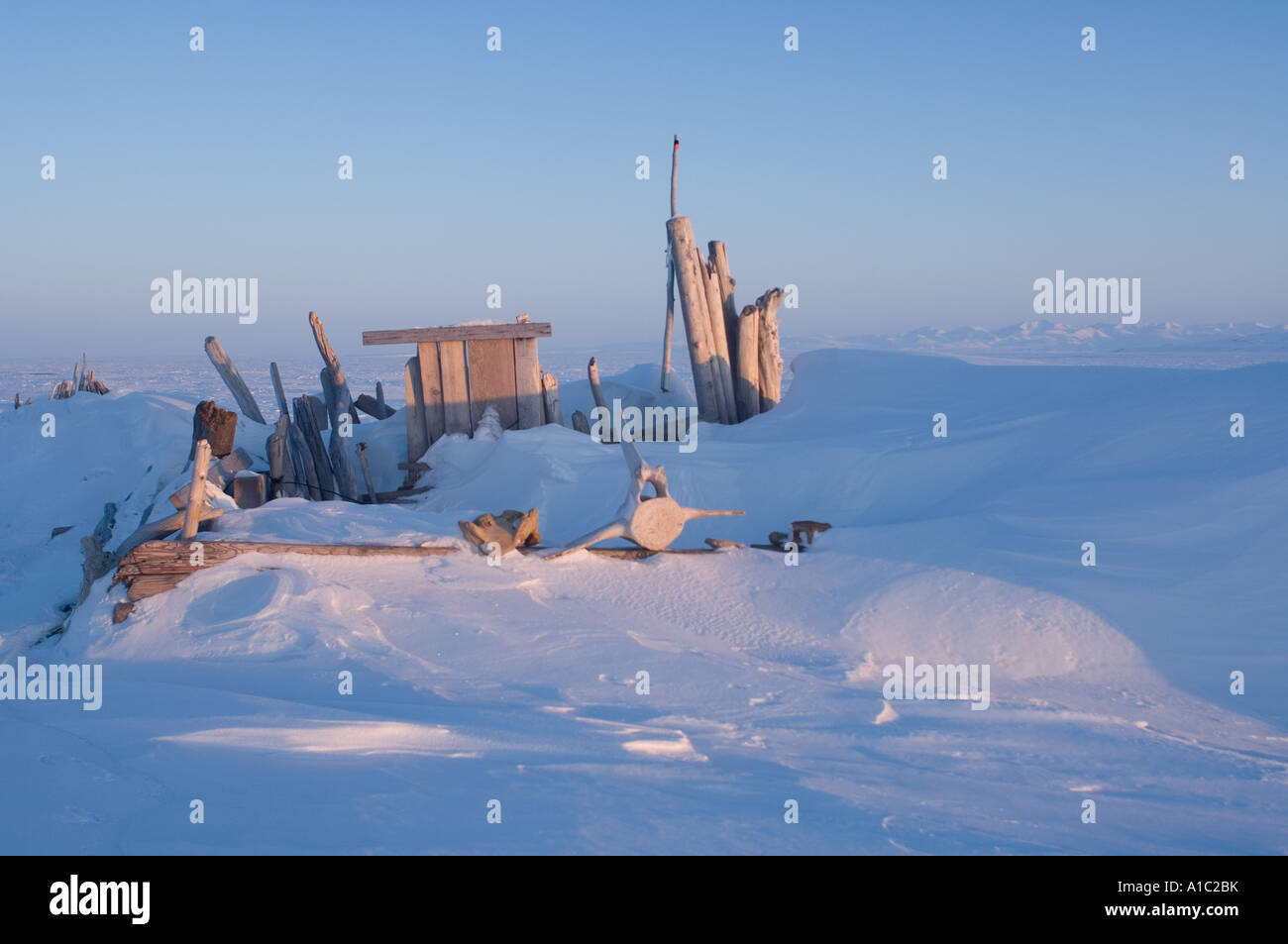

The knowledge and skills required for hunting are passed down orally and through direct experience, from elders to younger generations. This intergenerational transfer of knowledge is vital for preserving cultural identity, language, and traditional ecological wisdom (TEK). A successful hunt strengthens community bonds, reinforces identity, and ensures the continuation of ancestral practices.
Sustainability and Management: A Balancing Act
Inupiat beluga whale hunting is not unregulated. It operates under a co-management system involving Alaska Native organizations and federal agencies like the National Oceanic and Atmospheric Administration (NOAA) Fisheries. The Alaska Eskimo Whaling Commission (AEWC) plays a critical role in managing subsistence whaling for several species, including belugas, ensuring sustainable practices.
This co-management framework combines traditional ecological knowledge with Western scientific research to set harvest limits and monitor beluga populations. The goal is to ensure the long-term health of beluga stocks while upholding the indigenous right to subsistence hunting. This approach recognizes that local communities often possess invaluable insights into their environment.
Challenges Faced by Inupiat Whalers Today
Despite its deep roots and careful management, Inupiat beluga whale hunting faces numerous challenges in the 21st century. Climate change is perhaps the most significant, leading to rapid Arctic warming, reduced sea ice, and unpredictable weather patterns. These changes can alter beluga migration routes, feeding grounds, and make hunting more dangerous and less predictable.
Environmental concerns such as industrial development (e.g., oil and gas exploration), increased shipping traffic, and pollution also pose threats to beluga populations and their habitat. Noise pollution, in particular, can disrupt whale communication and behavior.
Furthermore, economic pressures, including the high cost of modern hunting equipment and fuel, impact the ability of communities to conduct hunts. Misconceptions and external scrutiny from animal rights groups, often lacking a full understanding of subsistence whaling, add another layer of complexity.
Food Security and Health in Arctic Communities
The importance of beluga hunting extends directly to food security and public health in Arctic communities. Store-bought foods are often expensive, limited in variety, and lack the nutritional density of traditional foods. Beluga meat and blubber provide essential nutrients that are difficult to obtain otherwise, contributing significantly to the diet and well-being of the Inupiat.
Reliance on traditional foods also mitigates the health problems associated with a Western diet, such as diabetes and heart disease, which are becoming more prevalent in communities transitioning away from their ancestral diets. Preserving access to these traditional foods is a matter of public health.
The Future of Inupiat Beluga Hunting
The future of Inupiat beluga whale hunting hinges on adaptation, resilience, and continued collaboration. Inupiat communities are at the forefront of observing and responding to environmental changes, leveraging both traditional knowledge and modern science to navigate these shifts.
Education and advocacy are crucial for dispelling myths and fostering a broader understanding of indigenous subsistence practices. By sharing their stories and the profound significance of their traditions, Inupiat communities seek to ensure their cultural heritage and food security are protected for generations to come.
It is a continuous dialogue between tradition and modernity, local needs and global concerns, all aimed at sustaining a way of life that has thrived for thousands of years in the challenging, yet bountiful, Arctic.
In summary, Inupiat beluga whale hunting is far more than a simple act of harvesting. It is a cornerstone of cultural identity, a vital source of nutrition, a testament to intergenerational knowledge, and a practice deeply embedded in the spiritual and social fabric of the Inupiat people. As the Arctic faces unprecedented changes, supporting and understanding these indigenous traditions becomes ever more critical for the resilience and well-being of its communities and the health of the entire ecosystem.


