
Inupiat beadwork jewelry represents more than just beautiful adornment; it embodies a rich cultural heritage passed down through generations. For the Inupiat people of Alaska’s Arctic region, these intricate creations are powerful expressions of identity, tradition, and artistry. This article explores the fascinating world of Inupiat beadwork jewelry, delving into its history, techniques, cultural significance, and contemporary evolution.
A Legacy Etched in Beads: The History of Inupiat Beadwork
The history of Inupiat beadwork is intertwined with the arrival of European traders in the 19th century. Prior to this, adornment primarily utilized natural materials like bone, ivory, shells, and animal hides. Glass beads, introduced through trade, quickly became highly valued and integrated into traditional art forms. These colorful beads offered new possibilities for design and expression, sparking a creative revolution within Inupiat communities. Initially, beads were incorporated into existing clothing and ceremonial items, gradually evolving into distinct jewelry pieces.
Early beadwork designs often reflected the Inupiat’s close relationship with the natural world. Motifs included animals like seals, caribou, and whales, as well as geometric patterns inspired by the Arctic landscape. These designs were not merely decorative; they carried symbolic meaning and conveyed stories about Inupiat life, beliefs, and values.
Materials and Techniques: The Art of Inupiat Beadwork
Inupiat beadwork is characterized by its meticulous craftsmanship and the use of specific materials and techniques. While glass beads remain central, other materials like dentalium shells, walrus ivory, caribou hide, and sinew are also incorporated. The choice of materials often depends on availability, regional traditions, and the intended purpose of the jewelry.
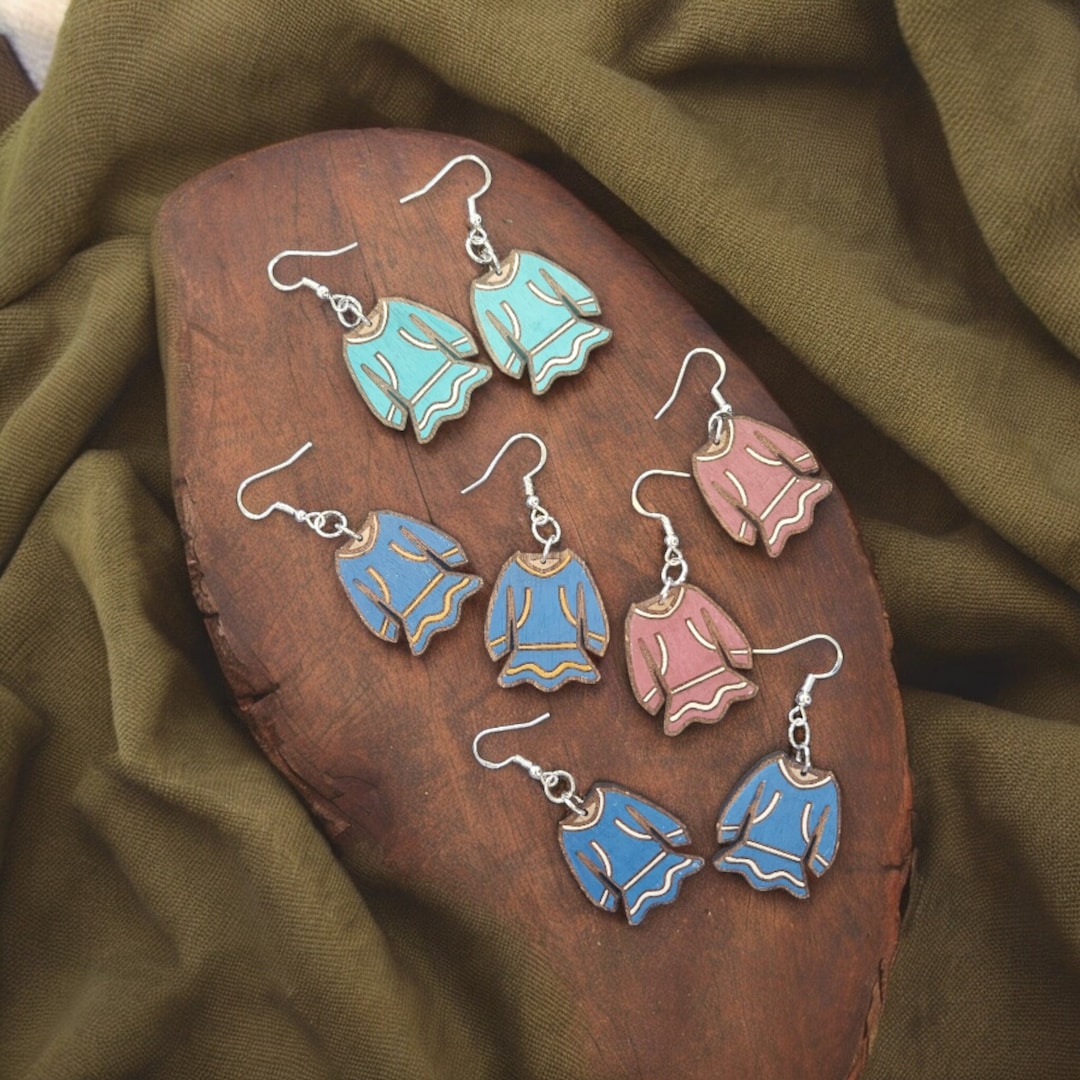
Beading Techniques: Several beading techniques are employed, including:
- Stringing: Beads are strung together to create necklaces, bracelets, and earrings.
- Sewing: Beads are sewn onto a base material, such as hide or fabric, to create intricate patterns.
- Loom Beading: A loom is used to create structured beadwork, often resulting in geometric designs.
- Appliqué: Beads are attached to a surface to create a raised, three-dimensional effect.
Color Symbolism: Colors play a significant role in Inupiat beadwork. While the specific meanings can vary between communities, certain colors are generally associated with particular concepts. For example, blue may represent the ocean, white may symbolize snow, and green may evoke the land. The skillful use of color enhances the visual appeal and symbolic depth of the jewelry.
Cultural Significance: More Than Just Decoration
Inupiat beadwork jewelry holds profound cultural significance, extending far beyond mere decoration. These adornments are deeply connected to identity, spirituality, and community. They serve as tangible links to ancestral traditions and embody the values and beliefs of the Inupiat people.
Expressions of Identity: Jewelry often signifies an individual’s identity within the community. Specific designs, colors, or materials may indicate clan affiliation, social status, or personal achievements. Wearing these pieces is a way of expressing belonging and pride in one’s heritage.
Ceremonial Significance: Beadwork plays a crucial role in various ceremonies and celebrations. Elaborate necklaces, headdresses, and other adornments are worn during dances, festivals, and rites of passage. These pieces enhance the visual spectacle of the ceremonies and reinforce cultural traditions.
Gifts and Trade: Historically, beadwork items were exchanged as gifts, solidifying social bonds and facilitating trade. Today, beadwork jewelry continues to be a valued gift, representing respect, appreciation, and cultural connection.
Contemporary Inupiat Beadwork: Bridging Tradition and Innovation
While rooted in tradition, Inupiat beadwork continues to evolve and adapt to contemporary influences. Today’s artists are pushing creative boundaries, experimenting with new materials, techniques, and designs while remaining true to their cultural heritage.

New Materials and Techniques: In addition to traditional materials, contemporary artists may incorporate materials like semi-precious stones, metal findings, and synthetic threads. They may also explore new beading techniques and incorporate modern design elements into their work.
Contemporary Designs: While traditional motifs remain popular, contemporary artists are also creating designs that reflect modern Inupiat life and address contemporary issues. These pieces may incorporate abstract patterns, personal narratives, or social commentary.
The Role of Technology: Technology plays an increasingly important role in the creation and promotion of Inupiat beadwork. Artists utilize online platforms to showcase their work, connect with customers, and learn new techniques. Digital tools also aid in the design process, allowing artists to experiment with different patterns and color combinations.
Preserving and Promoting Inupiat Beadwork
Preserving and promoting Inupiat beadwork is essential for safeguarding this important cultural tradition. Various initiatives are underway to support Inupiat artists, educate the public about the art form, and ensure its continued vitality.
Artist Support Programs: Organizations and institutions provide funding, training, and marketing support to Inupiat beadwork artists. These programs help artists develop their skills, access resources, and reach wider audiences.
Cultural Education: Museums, cultural centers, and schools play a crucial role in educating the public about Inupiat beadwork. Exhibitions, workshops, and educational programs raise awareness of the art form’s history, techniques, and cultural significance.
Ethical Sourcing and Authenticity: Ensuring the ethical sourcing of materials and the authenticity of Inupiat beadwork is vital. Consumers can support artists by purchasing directly from them or from reputable retailers that adhere to fair trade practices.
Common Questions About Inupiat Beadwork Jewelry
What are the primary materials used in Inupiat beadwork? Traditionally, Inupiat beadwork utilizes glass beads, dentalium shells, walrus ivory, caribou hide, and sinew. Contemporary artists may also incorporate materials like semi-precious stones and metal findings.
What do the different colors in Inupiat beadwork symbolize? Color symbolism varies between communities, but common associations include blue for the ocean, white for snow, and green for the land.
How can I identify authentic Inupiat beadwork? Look for pieces that demonstrate meticulous craftsmanship, utilize traditional materials, and reflect Inupiat cultural motifs. Purchasing directly from Inupiat artists or reputable retailers is a good way to ensure authenticity.
How can I care for my Inupiat beadwork jewelry? Store beadwork jewelry in a dry place, away from direct sunlight. Avoid exposing it to harsh chemicals or extreme temperatures. Gently clean with a soft cloth if needed.
Where can I purchase Inupiat beadwork jewelry? You can purchase Inupiat beadwork jewelry directly from artists, at cultural centers, museums, and select online retailers. Ensure you are buying from reputable sources that support Inupiat artists.
Conclusion: A Living Art Form
Inupiat beadwork jewelry is a testament to the enduring creativity and cultural resilience of the Inupiat people. These intricate adornments are not merely decorative objects; they are powerful expressions of identity, tradition, and artistry. By understanding and appreciating the rich heritage of Inupiat beadwork, we can help ensure its continued vitality for generations to come. From the selection of materials to the application of intricate beading techniques, every aspect of this art form reflects a deep connection to the Arctic landscape and the Inupiat way of life. As contemporary artists continue to innovate and adapt, Inupiat beadwork remains a living art form, bridging the past and the present and carrying the spirit of the Inupiat people into the future.
Whether you are drawn to the intricate designs, the vibrant colors, or the profound cultural significance, Inupiat beadwork jewelry offers a unique and meaningful way to connect with a rich and enduring heritage. By supporting Inupiat artists and learning more about this captivating art form, you can play a part in preserving its legacy for future generations.
Consider exploring local museums or cultural centers that showcase Inupiat art, or seek out opportunities to learn directly from Inupiat artists through workshops or online resources. By engaging with this art form, you can gain a deeper appreciation for the Inupiat culture and the powerful stories woven into each and every bead.


