The vast, icy expanse of the Arctic is home to resilient cultures and unique ecosystems. Among them, the Inupiat people of Alaska have forged an inseparable bond with their environment, a relationship deeply embodied in their traditional practices, particularly Arctic Char fishing. For millennia, this silvery fish has been more than just sustenance; it represents a cornerstone of their culture, economy, and spiritual well-being.
This comprehensive guide will delve into the enduring legacy of Inupiat Arctic Char fishing, exploring the traditional knowledge passed down through generations, the ingenious methods employed, and the profound commitment to sustainability that defines their interaction with the Arctic ecosystem.
The Arctic Char: A Pillar of Northern Life
Understanding the Arctic Char Species
Arctic Char (Salvelinus alpinus) is a cold-water fish belonging to the salmon family, highly prized for its rich, flavorful meat. It thrives in the pristine, often frigid, waters of the Arctic and sub-Arctic regions, making it perfectly adapted to the challenging environment of the Inupiat homeland. These anadromous fish typically spend part of their lives in freshwater rivers and lakes before migrating to the ocean, exhibiting remarkable resilience and adaptability.
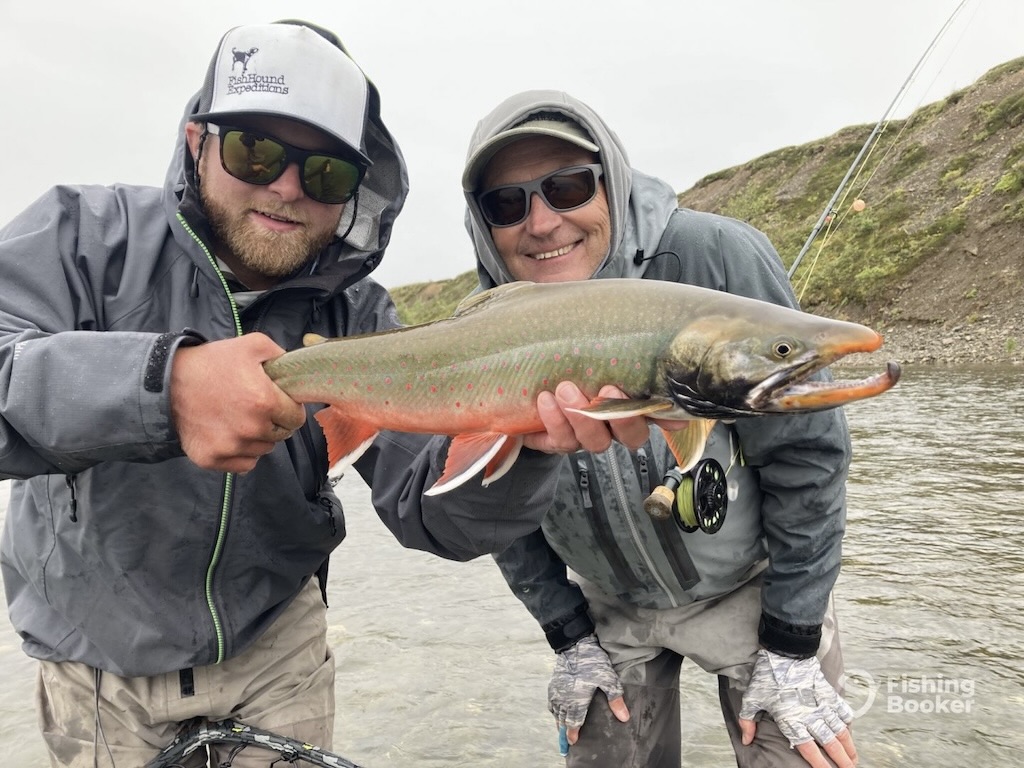
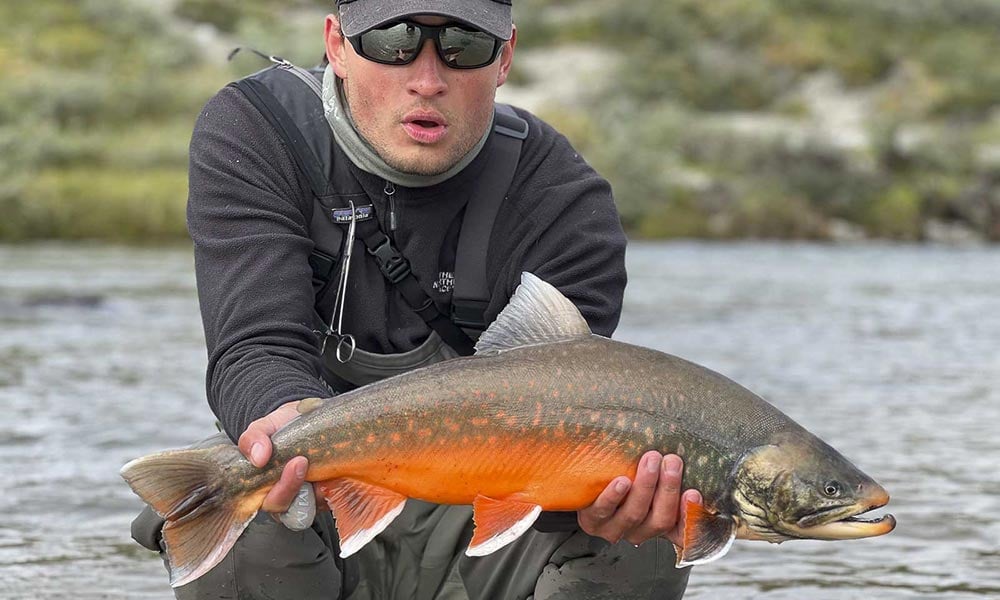
Known for its striking coloration, which can vary from olive green to vibrant orange and red during spawning, the Arctic Char is a robust species capable of surviving in extreme conditions. Its lifecycle is intrinsically linked to the health of the Arctic’s rivers, lakes, and coastal waters, making it a critical indicator of environmental change.
Nutritional and Economic Significance
For the Inupiat, Arctic Char fishing is not merely a recreational activity; it is a vital component of their subsistence lifestyle. Rich in Omega-3 fatty acids, vitamins, and protein, Arctic Char provides essential nutrition in a region where food sources can be scarce. It is a fundamental part of the traditional Inupiat diet, contributing significantly to community health and well-being.
Beyond direct consumption, the harvest of Arctic Char also holds economic value. While primarily for subsistence, surplus catches can be shared, traded, or sold locally, reinforcing community ties and providing a source of income. This blend of traditional use and limited commercial activity underscores its multifaceted importance.
Generations of Wisdom: Inupiat Culture and Subsistence
The Deep Connection to Land and Sea
The Inupiat people’s relationship with the Arctic Char is rooted in a profound respect for nature and an intricate understanding of their environment. This connection is not just practical; it is spiritual. The fish, like the land and sea, is considered a gift, to be harvested responsibly and with gratitude. This philosophy underpins all aspects of Indigenous knowledge related to fishing.
Passing Down Traditional Knowledge
Traditional knowledge about Arctic Char fishing is a living heritage, passed down orally and through direct experience from elders to younger generations. Children learn to identify fishing grounds, understand fish migration patterns, interpret weather and ice conditions, and master various fishing techniques from a young age. This intergenerational transfer of skills ensures the continuity of cultural practices and sustainable resource management.
This deep understanding includes knowing the best times and locations for fishing, recognizing signs of healthy fish populations, and understanding the delicate balance of the Arctic ecosystem. It is a holistic approach that integrates observation, experience, and respect for all living things.
Time-Honored Techniques: Inupiat Fishing Methods
Inupiat Arctic Char fishing methods are a testament to human ingenuity and adaptation to a challenging environment. These techniques have evolved over thousands of years, balancing efficiency with sustainability.
Mastering the Ice: Winter Fishing Traditions
During the long Arctic winter, when lakes and rivers are covered by thick ice, ice fishing techniques become paramount. Inupiat fishers use specialized tools, such as ice chisels (often made from hardened steel today, but traditionally from bone or antler), to cut holes through meters of ice. They then deploy nets or use lines with lures to catch char.
A common and highly effective method involves setting gillnets under the ice. This requires a precise understanding of currents and fish movements. Fishers might use a long pole or a series of ropes and hooks to thread a net under the ice between two holes, a technique requiring considerable skill and often community cooperation.
Strategic Net Fishing Practices
Net fishing, both in open water and under ice, is a cornerstone of Inupiat char harvesting. Traditional nets were made from sinew or baleen, while modern nets utilize durable synthetic materials. The placement of nets is strategic, often in areas where char are known to travel between feeding grounds or spawning areas. This method allows for a more substantial harvest, crucial for feeding families and communities.
The type of net, mesh size, and duration of deployment are carefully chosen to ensure a sustainable harvest, allowing smaller fish to pass through and ensuring enough fish remain to reproduce. This careful management reflects a deep understanding of the char’s biology and population dynamics.
The Art of Spear Fishing (Unaaq)
While less common for large-scale harvesting today, traditional harpoon or spear fishing, known as unaaq, remains an important cultural practice. This method requires immense patience, skill, and stealth. Fishers, often positioned over clear water or ice holes, use a long spear to strike individual fish. It is a highly selective method that emphasizes precision and respect for the individual animal.
The unaaq is more than just a tool; it’s a symbol of ancestral hunting prowess and a connection to ancient ways of life. Practicing unaaq reinforces traditional values and skills, even if it contributes less to the overall food supply compared to net fishing.
Guardians of the Arctic: Inupiat Sustainability Practices
An Indigenous Approach to Conservation
The Inupiat approach to Arctic Char fishing is inherently sustainable. It is guided by an ethos that views humans as part of, not separate from, nature. This means taking only what is needed, minimizing waste, and ensuring the health of the resource for future generations. This sustainable harvest philosophy is deeply ingrained in their cultural practices and decision-making.
Their intimate knowledge of the char’s life cycle, migration patterns, and preferred habitats allows them to fish responsibly, avoiding overexploitation. They observe changes in fish populations and adjust their practices accordingly, demonstrating an adaptive management style that predates modern scientific conservation efforts.
Adapting to a Changing Climate
The Arctic is experiencing rapid climate change, and its impacts are profoundly affecting fish populations and traditional fishing grounds. Warming waters, changes in ice thickness and duration, and altered migration routes pose significant challenges to Inupiat communities. Despite these challenges, Inupiat fishers continue to adapt, drawing upon their vast knowledge base and resilience.
They are often at the forefront of observing and documenting these environmental shifts, providing invaluable data and insights to scientists and policymakers. Their ongoing efforts to sustain their practices in the face of such profound changes highlight their dedication to both culture and the environment.
More Than Food: The Cultural Fabric of Arctic Char
Char in Inupiat Stories and Celebrations
Arctic Char transcends its role as a food source; it is woven into the very fabric of Inupiat culture. It features in oral traditions, stories, and songs, often symbolizing resilience, abundance, and the interconnectedness of life. Char is a central element in community feasts and celebrations, bringing people together to share food, stories, and cultural traditions.
The act of fishing itself is a communal activity, fostering cooperation and strengthening social bonds. Preparing and sharing the catch, whether fresh, dried, or fermented, is a significant part of social life, reinforcing identity and belonging within the community. It is a symbol of Alaskan Native culture and enduring heritage.
Navigating the Future: Challenges and Opportunities
Climate Change and its Impact on Char Fisheries
The most pressing challenge facing Inupiat Arctic Char fishing today is undoubtedly climate change impact. Reduced ice cover makes winter travel and fishing more hazardous, while changes in water temperature can stress char populations, alter their migration, and affect their reproductive success. Monitoring these changes and advocating for protective measures are critical for the future of this vital resource.
Balancing Tradition with Modernity
Inupiat communities also navigate the complexities of balancing traditional subsistence practices with modern economic development and external regulations. Ensuring that fishing rights are protected, and that traditional knowledge is respected in resource management decisions, is an ongoing effort. There’s a delicate balance to strike between maintaining cultural integrity and engaging with contemporary opportunities.
Engaging with Inupiat Arctic Char Fishing
Ethical Tourism and Cultural Exchange
For those interested in learning more, opportunities exist for ethical engagement with Inupiat communities and their fishing traditions. Some communities offer cultural tours or guided fishing trips that emphasize respectful interaction and educational experiences. These opportunities provide a chance to witness traditional practices firsthand and gain a deeper appreciation for the Inupiat way of life, always with respect for local customs and privacy.
Supporting local Indigenous businesses and initiatives that promote sustainable practices and cultural preservation is another way to contribute positively. It’s an opportunity to experience a unique aspect of the Arctic while contributing to the well-being of its Indigenous stewards.
Conclusion: A Testament to Resilience and Connection
Inupiat Arctic Char fishing is far more than a method of food acquisition; it is a profound expression of a culture deeply intertwined with its environment. It represents a living history of ingenuity, resilience, and an unwavering commitment to sustainability. From traditional ice fishing techniques to the communal sharing of the catch, every aspect speaks to a holistic worldview that values balance and respect.
As the Arctic faces unprecedented environmental changes, the Inupiat people’s ancient wisdom and adaptive practices offer invaluable lessons for the world. The enduring legacy of Arctic Char fishing stands as a powerful testament to the deep connection between a people and the vital resources that sustain them, now and for generations to come.


