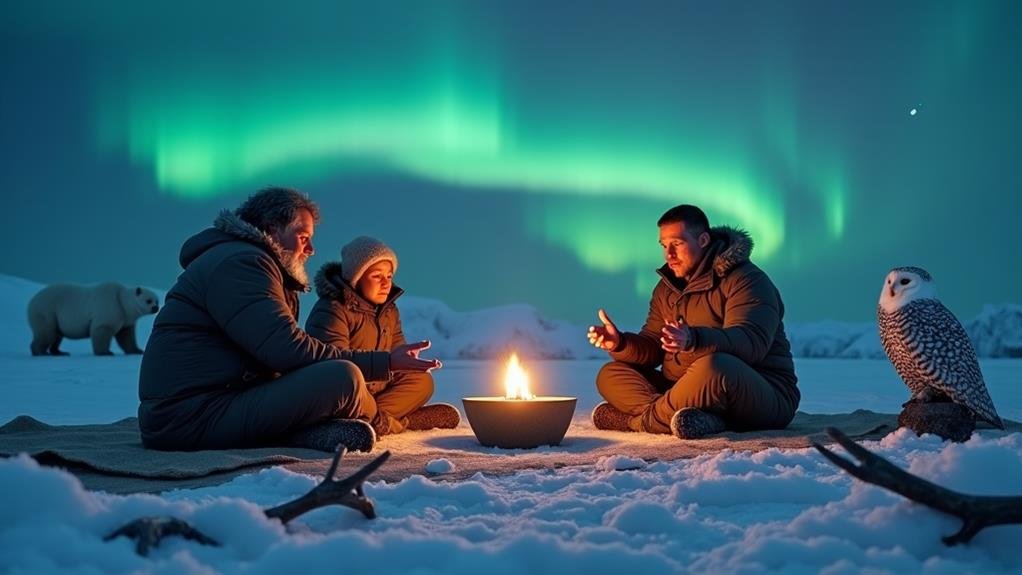
The vast, often unforgiving landscapes of the Arctic have shaped a people of remarkable resilience, ingenuity, and profound wisdom: the Inuit. For millennia, their survival has depended not just on individual skill, but on a sophisticated and deeply ingrained system of knowledge sharing. This intricate web of intergenerational learning, observation, and oral tradition forms the bedrock of Inuit culture and continues to offer invaluable lessons to the modern world.
At its heart, Inuit wisdom is more than just a collection of facts; it is a holistic worldview deeply connected to the land, sea, and sky. It encompasses practical skills, ethical principles, spiritual understanding, and a profound respect for all living things. Understanding this wisdom requires an appreciation for the unique context from which it emerged.
What is Inuit Wisdom Called? Introducing Inuit Qaujimajatuqangit (IQ)
The comprehensive term for Inuit knowledge and wisdom is Inuit Qaujimajatuqangit (IQ), often translated as ‘that which Inuit have always known to be true.’ IQ is not merely a historical relic; it is a living, evolving body of knowledge that continues to inform daily life, decision-making, and governance in Inuit communities across Inuit Nunangat (the Inuit homeland in Canada).
IQ is characterized by several core principles, including: Pijitsirniq (serving and providing for family and community), Pivallianiq (development of skills and knowledge through practice), Tunnganarniq (fostering good spirit by being open, welcoming, and inclusive), and Qanuqtuurniq (being innovative and resourceful). These principles underscore the communal and adaptive nature of Inuit wisdom.
The Historical Imperative of Knowledge Sharing

In a harsh environment where a single mistake could mean the difference between life and death, efficient and accurate knowledge transfer was paramount. Early Inuit societies relied entirely on their accumulated wisdom to navigate treacherous ice floes, hunt elusive prey, build robust shelters, and prepare for the long, dark winters. This made knowledge sharing not just a cultural practice, but a fundamental survival strategy.
Without written language, the primary conduits for this vital information were oral traditions and direct, experiential learning. Every elder, every hunter, every seamstress held pieces of a collective puzzle, and the community’s well-being depended on these pieces being shared, understood, and passed down.
How is Knowledge Shared in Inuit Culture? Oral Traditions and Experiential Learning
- Oral Traditions: Storytelling, songs, legends, and personal narratives are powerful vehicles for transmitting historical events, moral lessons, hunting techniques, and cultural values across generations. These stories are rich with metaphor and practical advice.
- Observation and Imitation: Children learn by watching and participating alongside adults from a very young age. This ‘learning by doing’ approach, often referred to as Iqqaqqaukkajuit, is central to mastering complex skills like hunting, fishing, sewing, and building.
- Mentorship and Apprenticeship: Elders and skilled individuals actively guide younger generations, offering direct instruction, demonstrating techniques, and providing opportunities for hands-on practice in real-world scenarios.
- Community Gatherings: Feasts, celebrations, and daily social interactions provide informal settings for sharing experiences, discussing challenges, and reinforcing collective knowledge.
The Indispensable Role of Elders: Guardians of Wisdom
Elders hold a revered position within Inuit communities. They are the living libraries of Inuit Qaujimajatuqangit, embodying generations of accumulated wisdom, experience, and cultural memory. Their insights are sought for guidance on everything from navigating complex social issues to interpreting environmental changes.
The respect shown to elders is not merely a formality; it is a recognition of their invaluable contribution to the community’s continuity and well-being. They play a critical role in educating the youth, preserving language, and ensuring that traditional practices remain relevant.
What are Some Examples of Inuit Traditional Knowledge? Practical Applications
- Hunting and Fishing Techniques: Understanding animal behavior, migration patterns, sustainable harvesting, and the construction of specialized tools like harpoons and kayaks.
- Navigation: Expert knowledge of the land, ice, and sea, including reading snow and ice conditions, star navigation, and understanding currents.
- Survival Skills: Building igloos (igluvigait), making appropriate clothing (anoraks, kamiks) from animal hides, and identifying edible or medicinal plants.
- Weather Prediction: Interpreting subtle environmental cues to forecast weather changes, crucial for safe travel and hunting.
- Understanding the Environment: Deep ecological knowledge of the Arctic ecosystem, including the interconnectedness of species and the impact of human activities.

This Traditional Ecological Knowledge (TEK) is increasingly recognized by scientists and policymakers as vital for understanding and addressing contemporary challenges like climate change.
Why is Traditional Knowledge Important to the Inuit? Sustaining Identity and Future
Traditional knowledge is not just about practical survival; it is fundamental to Inuit identity, language, and cultural resilience. It provides a sense of continuity with ancestors, grounds individuals within their community, and offers a unique framework for understanding the world.
In a rapidly changing world, the preservation and revitalization of IQ are seen as essential for the well-being and self-determination of Inuit communities. It equips them with the tools to adapt to new challenges while maintaining their distinct cultural heritage.
Challenges to Knowledge Sharing in Modern Times
The transmission of Inuit wisdom has faced significant challenges over the past century. Colonial policies, including forced relocation, residential schools, and the imposition of foreign governance systems, severely disrupted traditional knowledge sharing networks.
The shift from nomadic lifestyles to settled communities, increased exposure to Western media, and the decline of Inuktut (Inuit language) proficiency among younger generations have also posed significant threats to the intergenerational transfer of IQ. Many fear that invaluable knowledge could be lost.
Revitalization Efforts: Bridging the Generational Divide
- Language Programs: Efforts to teach and promote Inuktut in schools and homes, recognizing language as the primary vessel for cultural knowledge.
- On-the-Land Programs: Connecting youth with elders and experienced hunters/harvesters in traditional settings, allowing for direct experiential learning of survival skills and ecological knowledge.
- Cultural Centers and Archives: Documenting and preserving oral histories, traditional crafts, and historical records.
- Curriculum Development: Integrating Inuit Qaujimajatuqangit into formal education systems, from early childhood to post-secondary levels.
- Mentorship Programs: Formal and informal initiatives that pair elders with youth to foster strong intergenerational bonds and knowledge transfer.
These efforts are not just about preserving the past; they are about empowering future generations with the wisdom needed to thrive in a contemporary world.
The Value of Inuit Wisdom for the Modern World: Lessons in Sustainability and Resilience
- Sustainable Living: A deep understanding of ecological limits and responsible resource management.
- Community Resilience: The importance of collective well-being, mutual support, and adaptability in the face of adversity.
- Holistic Thinking: Recognizing the interconnectedness of all aspects of life – environment, society, spirit.
- Respect for Nature: A profound ethical framework that views humans as part of, not separate from, the natural world.
Inuit wisdom encourages us to listen to the land, learn from experience, and value the collective knowledge of our communities.
How Can Non-Inuit Learn About Inuit Wisdom Respectfully?
- Listen and Learn: Seek out resources created by Inuit authors, filmmakers, and educators. Attend public events, lectures, and cultural presentations.
- Support Indigenous Initiatives: Support organizations and programs that are led by and benefit Inuit communities, particularly those focused on cultural preservation and knowledge sharing.
- Engage with Humility: Approach learning with an open mind and a willingness to understand different worldviews. Avoid making assumptions or appropriating cultural elements.
- Build Relationships: If opportunities arise to engage directly with Inuit individuals or communities, do so with respect, patience, and a genuine desire to build meaningful relationships based on mutual understanding.
- Acknowledge and Credit: Always acknowledge the source of knowledge and credit Inuit peoples for their unique contributions to human understanding.
Conclusion: The Enduring Legacy of Inuit Knowledge
Inuit wisdom and knowledge sharing represent a powerful testament to human adaptability, ingenuity, and the enduring strength of cultural identity. From the practicalities of Arctic survival to profound ethical frameworks, Inuit Qaujimajatuqangit offers a rich tapestry of insights that continue to guide and inspire.
As we navigate an increasingly complex world, the lessons embedded in Inuit traditions—of interconnectedness, resilience, respect for elders, and the vital importance of communal learning—provide a beacon of hope and a pathway towards a more sustainable and harmonious future. By understanding and valuing this profound wisdom, we not only honor the Inuit people but also enrich our collective human experience.
The journey of discovering Inuit wisdom is one of continuous learning, respect, and appreciation for a culture that has mastered the art of living in harmony with one of the planet’s most challenging yet beautiful environments.


