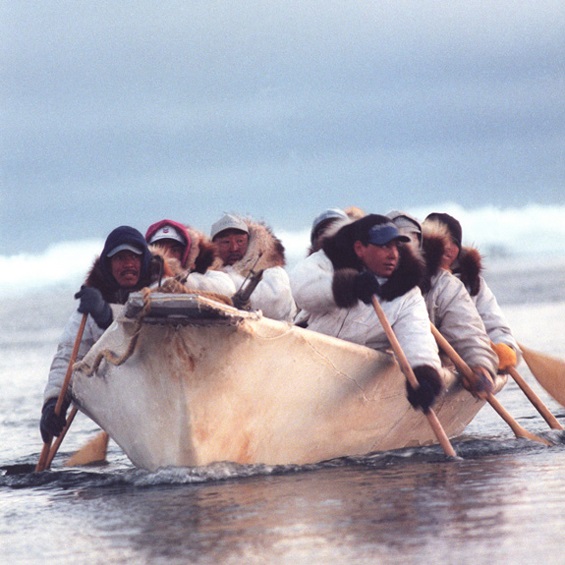

The Arctic, a landscape of breathtaking beauty and formidable challenges, has been home to the Inuit for millennia. For these resilient people, survival has always been intricately linked to a profound understanding of their environment and the animals that inhabit it. Among these, whales hold a central, almost sacred, place in Inuit culture, not merely as a food source but as a cornerstone of their identity, spirituality, and community structure.
This article aims to provide a comprehensive and respectful exploration of Inuit whale hunting traditions. We will delve beyond simplistic narratives to uncover the deep historical roots, the sophisticated methods, the vital cultural significance, and the ongoing challenges faced by Inuit communities in preserving this essential aspect of their heritage.
The Deep Roots of Inuit Whale Hunting: A Millennia-Old Practice
Inuit whale hunting is not a recent development; it is a practice that predates recorded history, stretching back thousands of years. Archaeological evidence, including ancient tools and settlement patterns, clearly demonstrates the long-standing relationship between Inuit ancestors and whales. This practice was, and remains, fundamental to their ability to thrive in one of the planet’s most extreme environments.
For the Inuit, the Arctic Ocean was not a barrier but a highway, and its inhabitants, particularly whales, provided the essential resources for survival. Without the nutritional bounty and materials derived from whales, life in the harsh, treeless expanses of the North would have been impossible.
Cultural Identity and Community Cohesion
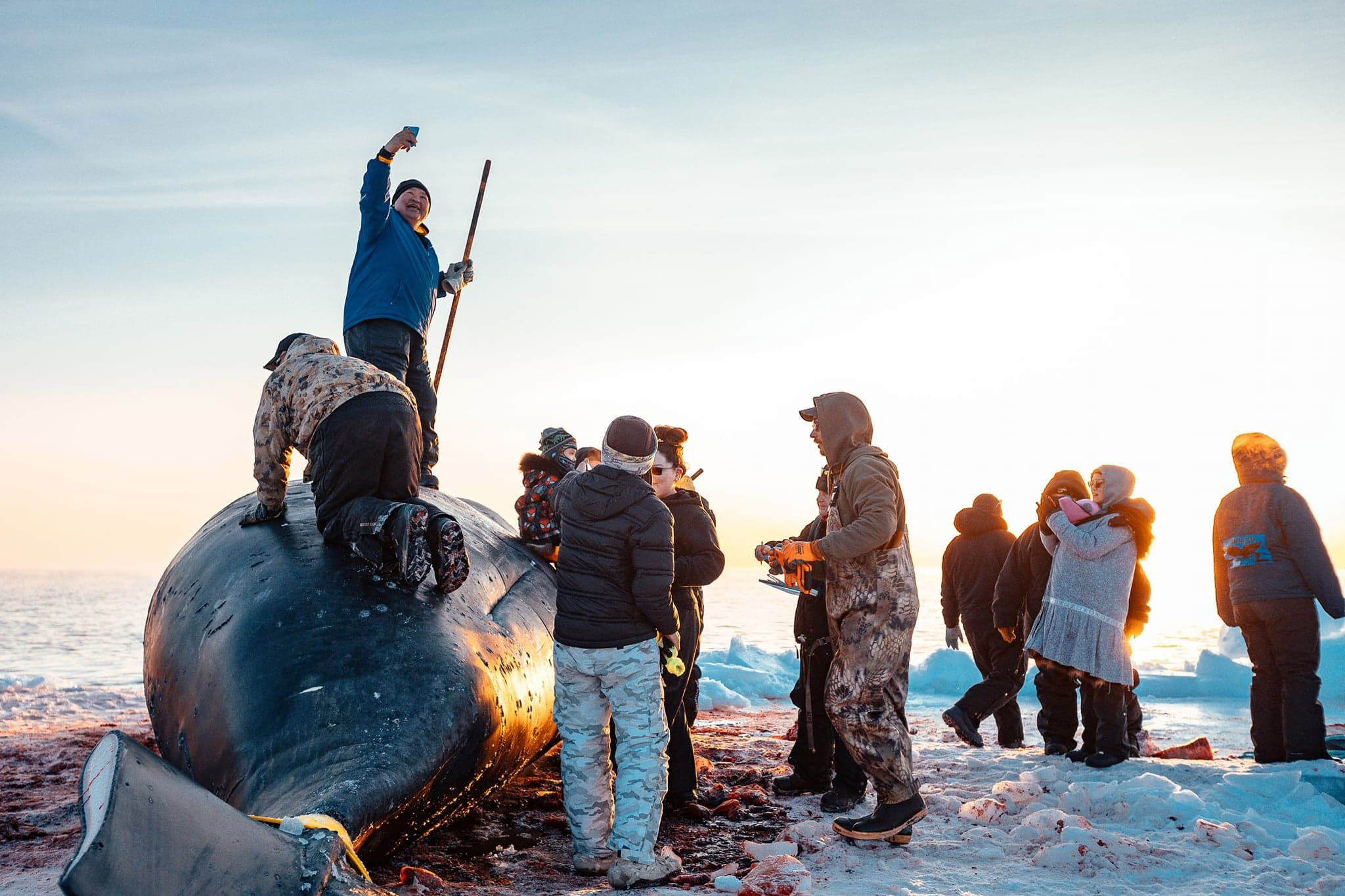

Beyond sustenance, whale hunting is deeply interwoven with Inuit cultural identity. It fosters traits of courage, patience, teamwork, and respect for nature. The success of a hunt is a community endeavor, requiring meticulous planning, collective effort, and a shared understanding of the environment and the animals.
The act of hunting, processing, and sharing a whale reinforces social bonds and strengthens community cohesion. It is a powerful cultural expression that transmits knowledge, values, and traditions from one generation to the next, ensuring the continuity of Inuit heritage.
Species Hunted and Their Vital Significance
While various marine mammals are hunted, certain whale species hold particular importance. The bowhead whale is perhaps the most iconic, revered for its immense size and the vast quantities of meat, blubber (maktaaq), and bone it provides. A successful bowhead hunt can sustain an entire community for an extended period.
Other significant species include narwhals, known for their distinctive tusks, and beluga whales. Each species offers unique resources and contributes to the diverse diet and material culture of the Inuit.
Maktaaq, the skin and blubber of whales, is a highly prized delicacy and a vital source of vitamin C and D, essential nutrients often scarce in the Arctic diet. The meat provides protein, and the oil from the blubber was historically used for light and heat.
Traditional Hunting Methods and Tools: Ingenuity and Adaptation
Early Inuit hunters developed incredibly sophisticated methods and tools tailored to their environment. Harpoons, often tipped with slate or bone, were expertly crafted and thrown from kayaks (qajaq) or umiaks (larger open skin boats). Floats made from sealskin were attached to the harpoons to tire out the whale and prevent it from diving too deep.
The introduction of European technologies, such as firearms and motorboats, led to adaptations in hunting practices. However, these were integrated into existing traditions rather than replacing the core cultural values and community-driven approach to the hunt. Modern hunts still rely heavily on traditional knowledge and respect for the animal.

The Spiritual and Ritualistic Aspects: Respect for Life
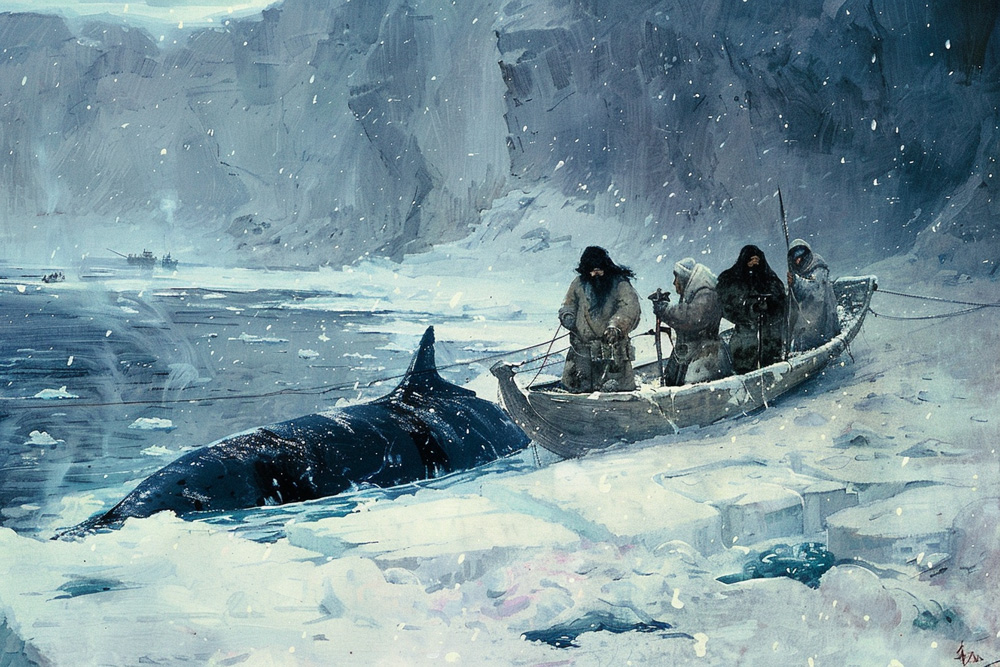
Inuit traditional beliefs emphasize a profound spiritual connection with all living beings. Whales are seen not just as animals but as sentient beings with spirits. Hunters traditionally offer prayers and perform rituals before, during, and after a hunt, expressing gratitude and respect for the whale’s sacrifice.
The concept of ‘respect’ is paramount. It dictates that every part of the whale be utilized, minimizing waste, and that the hunt itself be conducted ethically. This traditional ecological knowledge (TEK) ensures a sustainable relationship with the natural world.
Sustainability: An Inherited Ethic
Contrary to some popular misconceptions, Inuit whale hunting has historically been, and largely remains, a sustainable practice. Traditional Inuit societies possessed an intricate understanding of whale populations, migration patterns, and ecosystem dynamics. They took only what was needed for subsistence, ensuring the long-term health of whale populations.
Today, Inuit communities actively collaborate with scientific bodies and governments in managing whale populations. Quotas are often established based on scientific assessments and traditional knowledge, demonstrating a commitment to responsible resource management.
Modern Challenges and Controversies
Inuit whale hunting faces numerous challenges in the modern era. International anti-whaling sentiments, largely driven by concerns over commercial whaling, often fail to differentiate between large-scale commercial operations and indigenous subsistence hunting. This leads to misunderstanding and pressure from international organizations.
The International Whaling Commission (IWC), while recognizing the special aboriginal subsistence whaling category, still imposes strict regulations and oversight. This can sometimes create friction between the need to preserve cultural practices and international conservation efforts.
Climate change presents perhaps the most significant threat. Changing ice conditions affect whale migration routes, hunting access, and the overall Arctic ecosystem. Thinner ice makes travel more dangerous, and unpredictable weather patterns complicate hunting expeditions, impacting food security for many communities.
Economic shifts also play a role. The cost of modern equipment—fuel for boats, rifles, and other gear—can be prohibitive for many hunters, making traditional practices more expensive to maintain.
The Future of Inuit Whale Hunting: Balancing Tradition and Modernity
The future of Inuit whale hunting lies in successfully navigating the complexities of modern challenges while upholding ancient traditions. This involves continued advocacy for indigenous rights, educating the global community about the cultural significance of the hunt, and adapting to environmental changes.
Inuit communities are actively engaged in preserving their language, stories, and knowledge surrounding whale hunting. Younger generations are being taught the skills and values associated with the hunt, ensuring that this vital cultural practice endures.
Ultimately, Inuit whale hunting is more than just a means of sustenance; it is a living tradition, a testament to human resilience, and a profound connection to the Arctic environment. Understanding this practice requires moving beyond superficial judgments and embracing a perspective rooted in cultural respect and historical context.
It is a powerful example of how humans can live in harmony with nature, drawing sustenance while maintaining deep spiritual and ecological respect. The ongoing efforts of Inuit communities to preserve their traditions serve as a vital reminder of the importance of cultural diversity and indigenous knowledge in a rapidly changing world.
As global discussions around environmentalism and indigenous rights continue, the story of Inuit whale hunting offers crucial insights into sustainable living and the invaluable role of traditional practices in maintaining ecological balance and cultural heritage.
The pursuit of whales, demanding immense skill and bravery, is a communal event that defines roles, distributes wealth, and reinforces the very fabric of Inuit society. It is a powerful narrative of survival, adaptation, and cultural continuity.
For those seeking a deeper understanding, engaging with Inuit voices and respecting their perspectives is paramount. Their traditions are not relics of the past but vibrant, evolving practices essential to their present and future.
The rhythmic beat of the drum, the sharing of maktaaq, the stories told of successful hunts—all these elements coalesce to form a rich tapestry that is the Inuit whale hunting tradition, a tradition that continues to thrive against all odds.
In conclusion, Inuit whale hunting traditions represent a sophisticated, sustainable, and deeply cultural practice vital to the identity and survival of Arctic peoples. It is a testament to human adaptability, respect for nature, and the enduring strength of community bonds. Recognizing its significance requires an appreciation for indigenous rights, traditional ecological knowledge, and the unique challenges faced by these resilient communities.


.jpeg?w=200&resize=200,135&ssl=1 "Jobs Available On Indian Reservations")
