
The Arctic, a vast expanse of ice and snow, presents one of Earth’s most formidable environments. For millennia, the Inuit, the Indigenous people of the Arctic regions of Canada, Greenland, and Alaska, have not merely survived but thrived in this harsh landscape. Central to their enduring presence has been an unparalleled understanding of their surroundings, particularly the critical resource of water. Access to clean, safe drinking water in a land dominated by frozen precipitation is a testament to their ingenuity and deep traditional knowledge.
While seemingly abundant in its frozen form, liquid freshwater is a scarce commodity for much of the year. The extreme cold, permafrost, and seasonal variations dictate unique challenges for water acquisition and purification. This article will delve into the historical wisdom of Inuit water purification techniques, examine the modern challenges faced by Arctic communities, and explore the innovative solutions bridging tradition with contemporary science.
Understanding the Arctic Water Landscape: A Unique Challenge
The Arctic environment is characterized by prolonged periods of sub-zero temperatures, permafrost that locks vast amounts of water in the ground, and a landscape primarily composed of snow and ice. While these appear as ready sources, not all snow and ice are suitable for consumption without proper treatment. Contaminants can include airborne pollutants, marine salts, and biological agents.
- Snow and Ice: The most prevalent source, but requires careful selection and melting.
- Meltwater: Seasonal runoff from glaciers and snowpacks, often collected in temporary pools.
- Freshwater Lakes and Rivers: Accessible primarily during the short summer months when they are not frozen solid.
- Groundwater: Limited due to permafrost, though some areas have active layers that allow for shallow well access.
Traditional Inuit Water Purification Methods: Wisdom Passed Through Generations
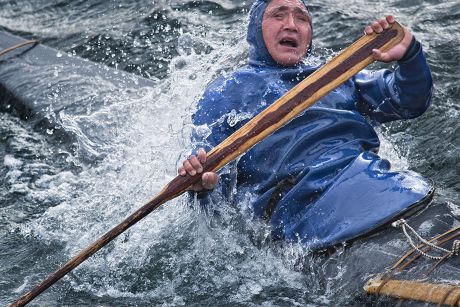
For countless generations, the Inuit developed sophisticated methods for identifying, collecting, and purifying water, long before the advent of modern scientific understanding. These practices were vital for survival and deeply integrated into their cultural fabric.
Snow and Ice Collection: The Primary Source
- Multi-year Ice: Older, denser ice (often with a blue hue) from freshwater sources or deep sea ice that has naturally shed its salinity was preferred. This ice has had more time for impurities to settle or be flushed out.
- Freshly Fallen Snow: In areas away from coastal spray or human activity, fresh snow was a clean option.
- Avoiding Contaminated Sources: Snow near animal trails, coastal areas (due to salt spray), or areas with significant bird droppings was generally avoided.
Once identified, snow and ice were carefully collected, often using specialized tools, and transported back to temporary shelters or permanent dwellings.
Melting Techniques: Ingenuity in Extreme Cold
Melting large quantities of snow and ice required significant energy and clever techniques. The qulliq, a traditional oil lamp often fueled by seal blubber, was central to this process. These lamps, typically made of soapstone, provided both heat and light.
Water was melted in various vessels, from hollowed-out stones to later, metal pots acquired through trade. The process was often slow and continuous, ensuring a steady supply of liquid water. The heat generated by the qulliq was carefully managed to maximize fuel efficiency, a critical consideration in an environment where resources were precious.
Natural Filtration and Settling
While not always explicitly ‘filtered’ in the modern sense, Inuit understood the principles of natural purification. Allowing melted snow or ice to sit for a period allowed heavier sediments and particulate matter to settle to the bottom of the container. The clearer water from the top would then be carefully decanted for drinking.

Boiling: A Universal Precaution
Although the scientific understanding of pathogens was absent, the practical benefits of boiling water were recognized. Water from less reliable sources, such as stagnant melt pools or areas prone to animal activity, would often be boiled over a fire or qulliq to make it safer for consumption. This traditional practice inadvertently eliminated many harmful bacteria and viruses.
Cultural Significance of Water
Beyond survival, water held profound cultural significance for the Inuit. It was respected as a life-giving force, and its collection and purification were communal activities, fostering a deep connection to the land and its resources. Sustainability was inherent in their practices, ensuring that this vital resource would continue to sustain future generations.
Challenges to Traditional Practices in the Modern Arctic
The 21st century has brought unprecedented changes to the Arctic, posing new and complex challenges to water purification and access for Inuit communities.
Climate Change Impacts
- Melting Permafrost: Thawing permafrost can release ancient contaminants (e.g., mercury, PCBs) into freshwater sources and destabilize infrastructure like pipelines and treatment plants.
- Changing Ice Conditions: The reduction of multi-year sea ice and more unpredictable ice conditions make traditional hunting and travel routes perilous, impacting access to traditional water sources.
- Increased Runoff: While seemingly providing more water, increased meltwater can lead to higher turbidity and introduce new contaminants from land.
- Coastal Erosion: Thawing permafrost and reduced sea ice protection lead to increased erosion, potentially contaminating coastal freshwater sources with saltwater.
Industrialization and Pollution
Increased human activity, including resource extraction (oil, gas, mining), shipping, and military presence, introduces new potential sources of pollution to the Arctic environment. These contaminants can affect snow, ice, and freshwater bodies, making traditional collection methods riskier.
Modern Lifestyles and Infrastructure
- Extreme cold causing pipes to freeze.
- High energy costs for heating and pumping.
- Logistical challenges for transporting materials and skilled labor.
- Limited access to spare parts and maintenance expertise.
Many remote communities still lack piped water, relying on trucked water delivery or household-level collection, which can be expensive and inconsistent.
Modern Water Purification Solutions in Arctic Communities
To address these contemporary challenges, a blend of advanced technology and community-specific solutions is being implemented.
Centralized Water Treatment Plants
- Coagulation and Flocculation: To remove suspended solids.
- Filtration: Using sand, membrane, or other advanced filters.
- Disinfection: Typically with chlorine or UV radiation to kill pathogens.
- Reverse Osmosis: Used in some areas to remove dissolved solids and salts.
These plants are designed to withstand extreme cold, often housed in insulated buildings with heated pipes and advanced monitoring systems. However, their operation and maintenance remain incredibly costly.
Decentralized and Household Solutions
- Point-of-Use Filters: Portable filtration systems, often ceramic or carbon-based, can remove sediment, bacteria, and some chemicals.
- Boil Water Advisories: Common in communities with aging infrastructure or during periods of system malfunction.
- Water Delivery Systems: In communities without piped water, treated water is delivered by truck to individual homes, where it’s stored in tanks.
- Solar Stills: While less common due to limited sunlight in winter, these can be effective in melting snow and distilling water during sunnier months.
Addressing Water Security and Access
- Government funding for infrastructure development and upgrades.
- Community-led initiatives to monitor water quality and advocate for improvements.
- Research into low-energy, cold-climate appropriate purification technologies.
- Training local technicians for plant operation and maintenance.
The Future of Arctic Water Purification: Blending Tradition and Technology
The path forward for Arctic water purification lies in a holistic approach that respects traditional ecological knowledge while embracing modern scientific advancements. Integrating Inuit perspectives into water management strategies is paramount.
- Leveraging traditional knowledge to identify resilient water sources and understand seasonal variations.
- Developing sustainable, decentralized systems that are less reliant on complex infrastructure.
- Investing in renewable energy sources to power water treatment, reducing costs and environmental impact.
- Fostering community-based monitoring programs that combine local observations with scientific data.
- Educating younger generations on both traditional water wisdom and modern safety practices.
Frequently Asked Questions (FAQs)
How do Inuit purify water traditionally? Traditionally, Inuit purified water primarily by selecting clean, multi-year ice or fresh snow, melting it over a qulliq (oil lamp) or fire, and allowing sediment to settle. Boiling was also used for less reliable sources.
What are the main challenges of getting clean water in the Arctic? Key challenges include extreme cold (leading to freezing pipes and high energy costs), permafrost thaw (releasing contaminants and destabilizing infrastructure), remoteness, and the impact of climate change on traditional water sources.
Is Arctic ice safe to drink? Not all Arctic ice is safe. While multi-year freshwater ice can be relatively pure, sea ice contains salt (though older sea ice can be desalinated naturally over time), and any ice can contain airborne pollutants or biological contaminants. Melting and often boiling is recommended, and proper identification is crucial.
How do people survive without water in the Arctic? People in the Arctic do not survive without water; they have developed sophisticated methods to find, collect, and purify it from snow, ice, and seasonal meltwater. Access to liquid water is fundamental to survival.
What is a Qulliq used for in water purification? A qulliq is a traditional Inuit oil lamp used as a heat source to melt snow and ice into liquid water. It also provided light and warmth within shelters.
Conclusion: A Legacy of Resilience and Adaptation
The story of Inuit water purification is a compelling narrative of human resilience, ingenious adaptation, and profound respect for the natural world. From centuries-old methods of discerning safe ice to the complex engineering of modern treatment plants, the pursuit of clean water in the Arctic continues to evolve.
As climate change reshapes the polar landscape and new challenges emerge, the integration of traditional Inuit knowledge with cutting-edge scientific solutions offers the most promising path forward. This enduring legacy ensures that the life-giving flow of water will continue to sustain Arctic communities for generations to come, a testament to their unwavering spirit and wisdom.


