The Frozen Harvest: Navigating the Future of Inuit Traditional Hunting Grounds
The vast, pristine expanse of the Arctic, often perceived as a barren wilderness by outsiders, is, for the Inuit, a vibrant homeland – a complex tapestry of land, sea, ice, and sky that has sustained their culture, identity, and very existence for millennia. At the heart of this enduring relationship lies the practice of traditional hunting, an activity far removed from mere sport or commercial enterprise. For the Inuit, traditional hunting grounds are not just territories; they are living classrooms, spiritual sanctuaries, and the irreplaceable foundation of their food security, cultural transmission, and sovereignty. Yet, these critical grounds, and the traditional way of life they support, are now navigating an unprecedented confluence of challenges, primarily driven by rapid climate change and evolving socio-political landscapes.
A Legacy Etched in Ice and Knowledge
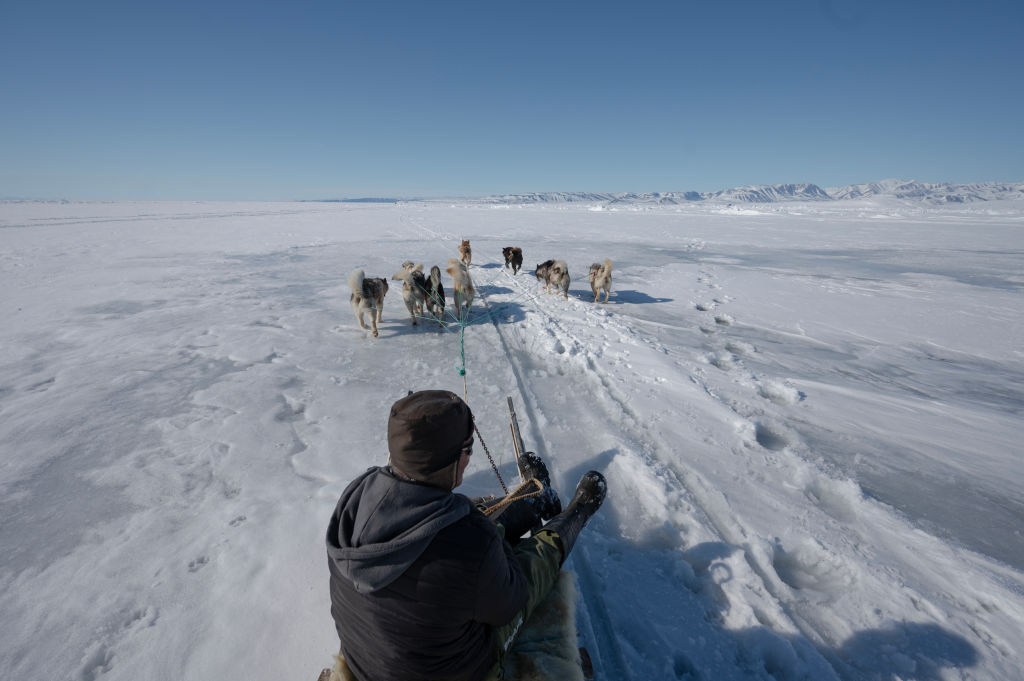
Inuit traditional hunting is deeply embedded in the fabric of their society. It is a sophisticated system of harvesting marine mammals like seals, whales (narwhal, beluga, bowhead), and walrus, as well as land animals such as caribou and polar bears, and various fish and fowl. This practice is governed by an intricate body of knowledge known as Inuit Qaujimajatuqangit (IQ) – traditional knowledge, wisdom, and practices passed down through generations. IQ encompasses a profound understanding of animal behaviour, weather patterns, ice conditions, navigation, and the respectful relationship between humans and the environment. Hunters learn to read the subtle signs of the land and sea, ensuring sustainable harvests that meet community needs while respecting ecological balance.
The significance of hunting transcends mere sustenance. It is the primary mechanism for transferring skills, values, and language from elders to youth. A successful hunt is a community affair, strengthening social bonds through sharing and distribution of meat, fat, and skins. The nutritional value of country food, or mikku, is unparalleled, providing essential vitamins, minerals, and Omega-3 fatty acids crucial for health in a challenging environment. This dietary reliance underscores the concept of food security, where access to traditional hunting grounds directly correlates with the well-being of Inuit communities.
The Unrelenting Thaw: Climate Change’s Shadow

The most profound threat to Inuit traditional hunting grounds is the accelerating pace of climate change. The Arctic is warming at a rate two to three times faster than the global average, a stark reality felt acutely across the vast Inuit Nunangat (the Inuit homeland in Canada, encompassing Nunavut, Nunavik, Nunatsiavut, and the Inuvialuit Settlement Region). This rapid warming manifests in several critical ways:
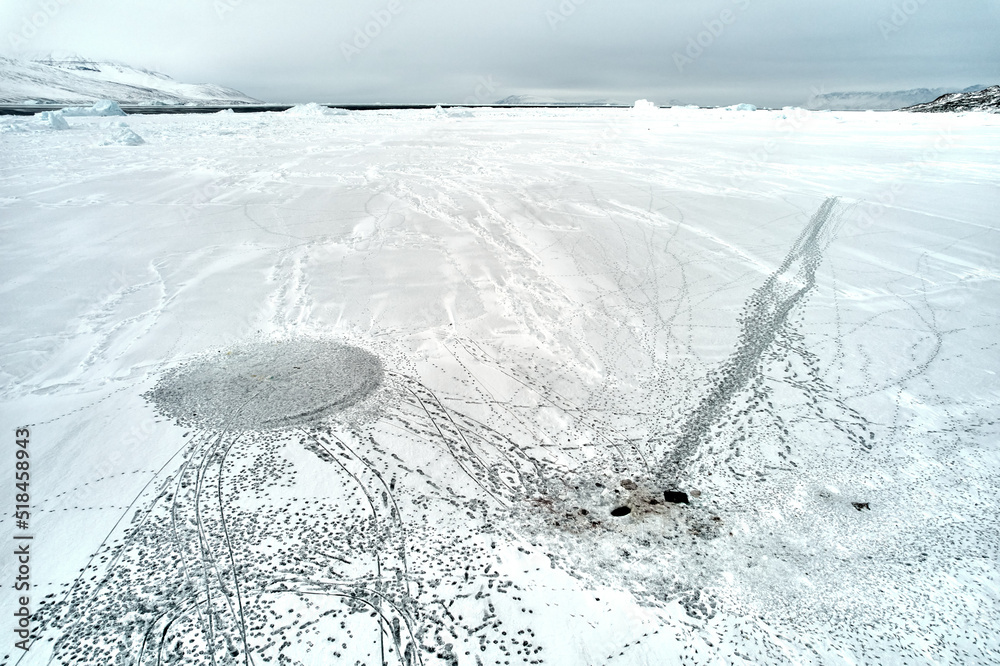
- Diminishing and Unpredictable Sea Ice: Sea ice is the lifeblood of Inuit hunting. It serves as a travel highway, a hunting platform, and a critical habitat for marine mammals like seals and polar bears. As sea ice thins, melts earlier, and forms later, travel becomes perilous, with hunters facing increased risks of falling through ice or being stranded. The unpredictability makes planning hunts exceedingly difficult and dangerous. Moreover, reduced ice directly impacts the breeding and feeding grounds of seals, which are a primary food source, subsequently affecting their predators, the polar bears.
- Changes in Animal Migration and Health: Warming temperatures affect permafrost, land stability, and vegetation, altering the migration patterns and health of caribou herds. Caribou, another staple of the Inuit diet, are experiencing population declines in many regions, partly due to habitat changes and increased parasites linked to warmer conditions. Marine species, too, are reacting to changes in ocean temperatures and food availability, leading to shifts in their distribution that confound traditional hunting strategies.
- Extreme Weather Events: The Arctic is experiencing more frequent and intense storms, sudden thaws, and unseasonal weather events. These conditions not only pose immediate dangers to hunters but also disrupt the delicate balance of the ecosystem, further complicating the already challenging task of securing food.
- Coastal Erosion and Infrastructure Damage: Thawing permafrost and reduced sea ice protection lead to increased coastal erosion, threatening communities, historical sites, and access points to hunting areas. This not only impacts physical infrastructure but also the practical accessibility of traditional hunting grounds.
Navigating a Shifting Legal and Political Landscape
Beyond environmental shifts, Inuit traditional hunting grounds are also shaped by legal and political frameworks. Landmark land claims agreements, such as the Nunavut Land Claims Agreement (NLCA) – the largest of its kind in Canadian history, covering 2 million square kilometres – have affirmed Inuit aboriginal rights, including harvesting rights. These agreements established co-management boards, like the Nunavut Wildlife Management Board (NWMB), which bring together Inuit and government representatives to manage wildlife populations.
While these agreements represent significant strides towards self-determination and recognition of Inuit rights, challenges persist. Western-centric conservation models sometimes clash with traditional Inuit practices, leading to tensions over quotas, management strategies, and the interpretation of scientific data versus IQ. The perception of Inuit hunting by external audiences, often influenced by misinformed animal rights campaigns (e.g., against seal hunting), also creates political pressure that can inadvertently undermine Inuit livelihoods and cultural practices.
Furthermore, industrial development – including mining, oil and gas exploration, and increased shipping – poses a growing threat. These activities can disrupt wildlife habitats, introduce pollution, and interfere with traditional hunting routes. While offering potential economic benefits, they often come at the cost of environmental degradation and cultural disruption, necessitating careful negotiation and strong Inuit oversight to mitigate negative impacts on traditional lands and waters.
The Human Cost: Food Security and Mental Well-being
The erosion of traditional hunting grounds and the challenges to hunting practices have profound human consequences. Food insecurity is a pressing issue in many Arctic communities. The cost of imported southern food is exorbitantly high, making country food an economically viable and culturally preferred alternative. When access to traditional hunting becomes difficult or dangerous, communities face a stark choice: pay exorbitant prices for less nutritious store-bought food, or go without. This has direct impacts on physical health, contributing to higher rates of chronic diseases.
Beyond physical health, the inability to hunt affects mental and spiritual well-being. Hunting is a source of pride, identity, and connection to ancestry. When this fundamental practice is undermined, it can lead to feelings of loss, frustration, and disempowerment, contributing to higher rates of depression and anxiety, particularly among youth who see their cultural heritage slipping away. The loss of opportunities to learn from elders on the land also creates a "knowledge gap" that further weakens cultural resilience.
Resilience, Adaptation, and the Path Forward
Despite the formidable challenges, Inuit communities are not passive victims of change. They are at the forefront of adaptation and advocacy, demonstrating remarkable resilience and ingenuity.
Inuit organizations and communities are actively engaged in:
- Integrating IQ with Western Science: Recognizing the value of both knowledge systems, co-management bodies are increasingly using IQ alongside scientific data to make informed decisions about wildlife management and environmental monitoring. Inuit hunters are often the first to observe changes in animal behaviour or ice conditions, providing invaluable real-time data.
- Advocacy and Policy Influence: Inuit leaders are powerful voices on the national and international stage, advocating for climate action, self-determination, and recognition of their unique relationship with the Arctic. They are demanding a seat at the table in discussions that affect their homeland and way of life.
- Modern Tools and Safety: Hunters are adapting by using modern technology like GPS, satellite phones, and specialized ice-resistant equipment to enhance safety and efficiency in unpredictable conditions. This blend of traditional knowledge with modern tools exemplifies their adaptive capacity.
- Youth Engagement: Initiatives are underway to ensure that traditional skills and knowledge are passed on to younger generations, often through land-based programs that combine elder teachings with contemporary education. This ensures the continuity of cultural practices in a changing world.
- Community-Led Solutions: Communities are exploring local food initiatives, developing sustainable harvesting practices, and strengthening community networks to support hunters and ensure food sharing.
The future of Inuit traditional hunting grounds is inextricably linked to the global response to climate change and the ongoing recognition of Indigenous rights and self-determination. For the Inuit, these lands and waters are not just resources; they are the very essence of who they are. Preserving them means not only safeguarding a unique cultural heritage but also acknowledging the profound wisdom and sustainable practices that have allowed humanity to thrive in one of the planet’s most extreme environments. The struggle for the frozen harvest is a struggle for identity, survival, and a sustainable future for all.


