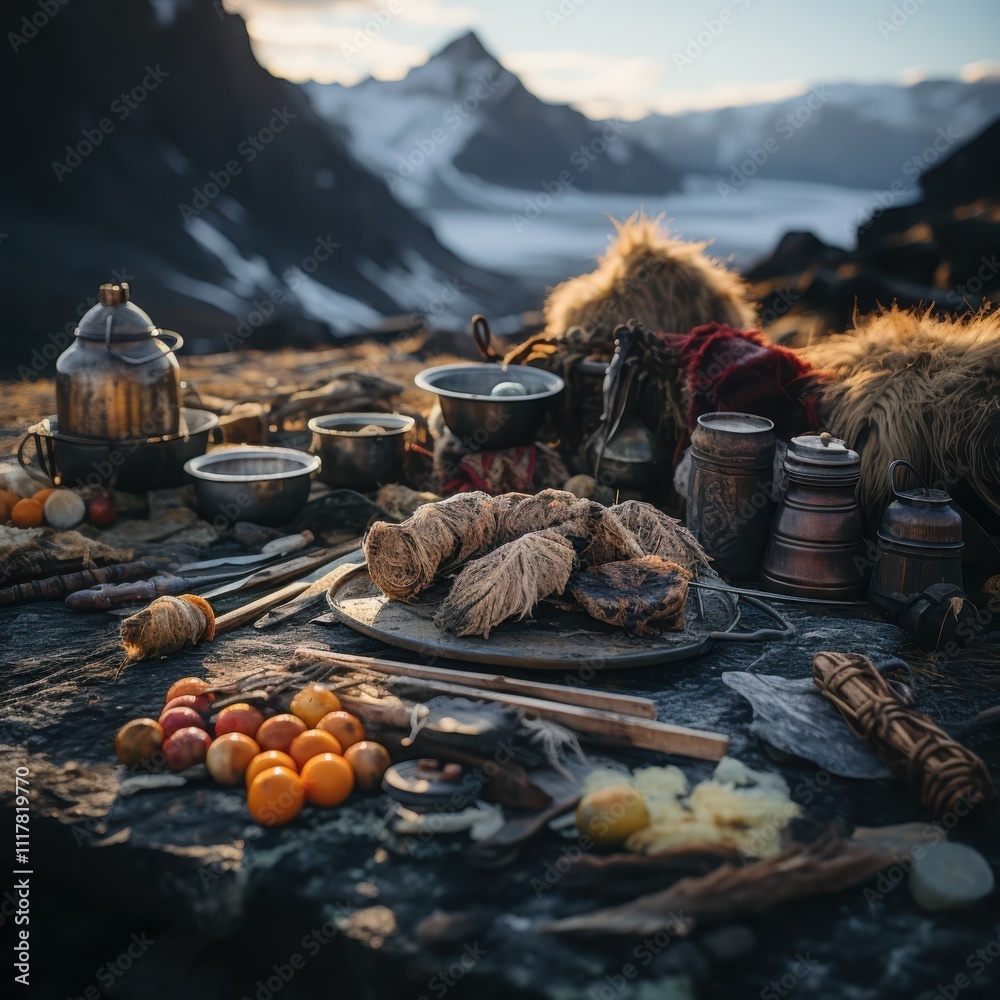
The Arctic, a landscape of breathtaking beauty and unforgiving challenges, has shaped the Inuit people into masters of survival. For millennia, their existence has depended on a profound understanding of their environment and the development of ingenious tools. Among these, traditional food preparation tools stand out as testaments to human adaptability, resourcefulness, and a deep connection to the land and its resources.
These aren’t just simple implements; they are extensions of the hands, minds, and cultural identity of the Inuit. Crafted with precision from materials readily available – stone, bone, antler, and wood – they allowed for efficient processing of game, fish, and plants, ensuring sustenance in a region where every calorie counted.
Understanding these tools provides a window into the daily life, culinary practices, and sophisticated knowledge systems of the Inuit. This article delves into the most significant traditional food preparation tools, exploring their design, function, and enduring cultural importance.
The Heart of Inuit Cuisine: Essential Butchering and Cutting Tools
At the forefront of Inuit food preparation is a suite of cutting and butchering tools, each designed for specific tasks to maximize yields and minimize waste from hunted animals.
The Iconic Ulu: A Versatile Masterpiece
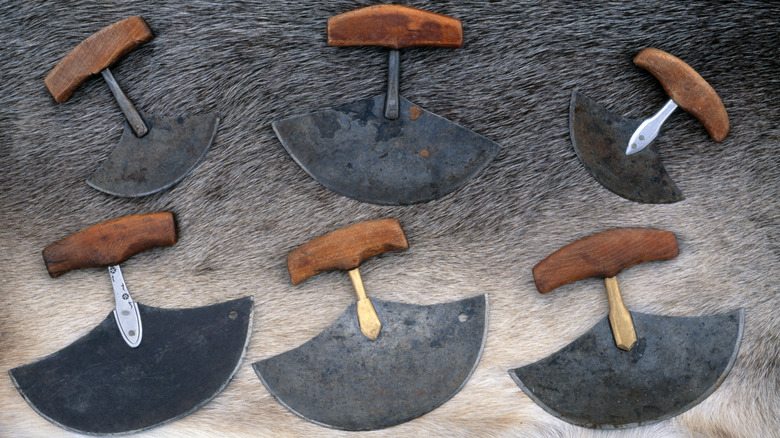
Perhaps the most recognizable and iconic Inuit tool is the ulu, a crescent-shaped knife with a handle. Its design is deceptively simple yet incredibly effective. Traditionally, ulu blades were fashioned from ground slate, though later contact with Europeans introduced metal blades, often repurposed from saw blades or files, which were meticulously sharpened and fitted.
The ulu’s unique shape allows for a rocking motion, making it ideal for a wide range of tasks. It excels at skinning animals, butchering large cuts of meat, filleting fish, and even preparing vegetables or cutting sinews for thread. Its ergonomic design fits comfortably in the hand, allowing for powerful yet precise cuts, minimizing fatigue during extensive food processing.
Women were traditionally the primary users of the ulu, employing it for daily culinary tasks, but its utility extended to men for various purposes, including preparing hides for clothing and shelter. The ulu is more than a tool; it’s a symbol of Inuit womanhood and domestic skill, often passed down through generations, acquiring a patina of history and personal significance.
Beyond the Ulu: Specialized Knives and Bone Tools
While the ulu was a general-purpose marvel, specialized knives and bone tools complemented its capabilities. Smaller, straight-bladed knives, often made from bone or antler, were used for more delicate tasks, such as removing internal organs with precision or carving intricate details.
Bone and antler were also fashioned into tools for specific purposes like extracting marrow from bones, a highly nutritious food source. These tools demonstrate a complete understanding of animal anatomy and a commitment to utilizing every part of the harvest, a core principle of traditional Inuit diet and sustainable living.
Processing and Preparing: Tools for Every Step
Beyond initial butchering, various tools were employed to further process food, ensuring it was ready for cooking, consumption, or preservation.
Scrapers and Cleaners: Preparing Hides and Meats
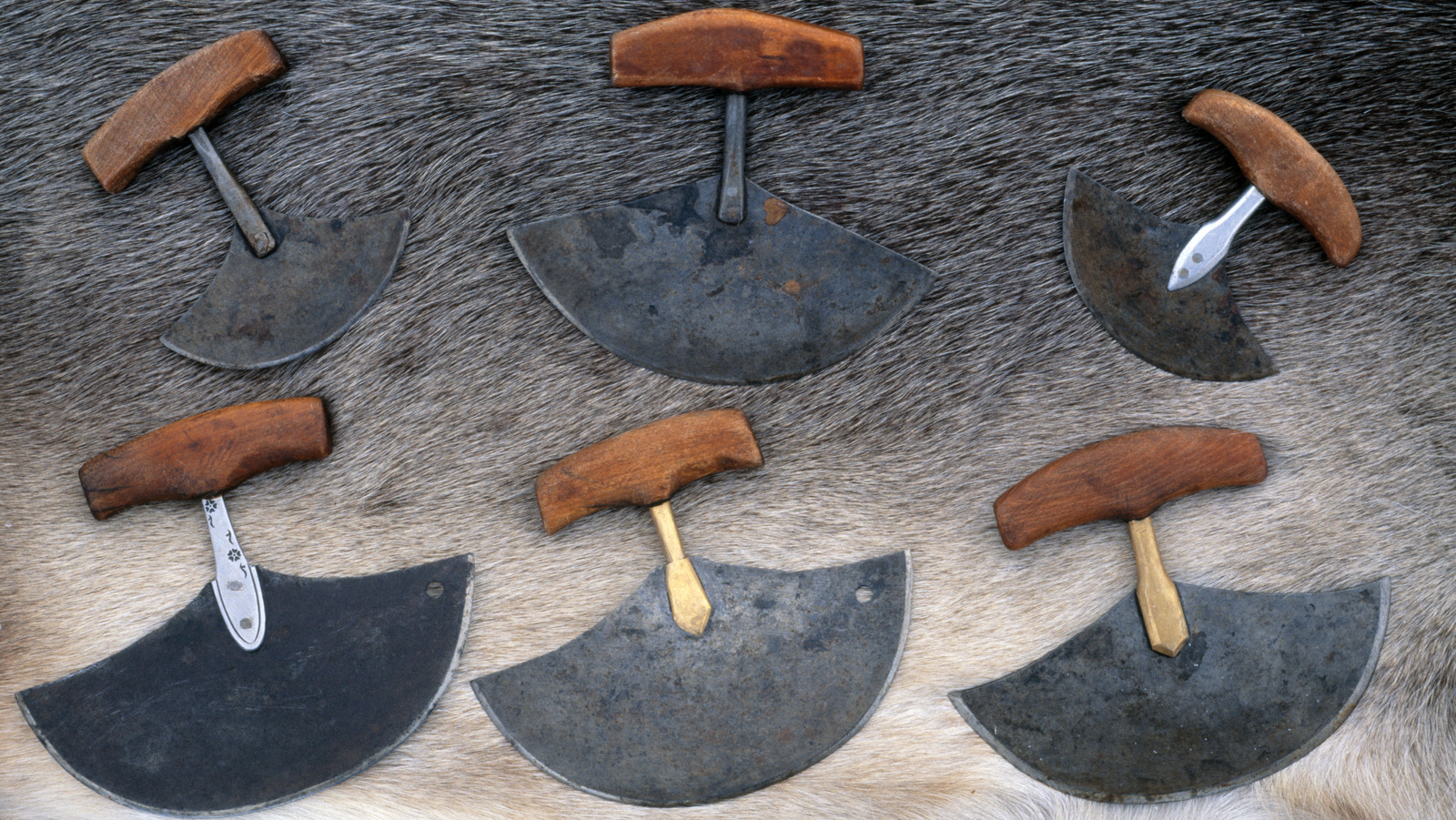
Scrapers, often made from bone or stone, played a dual role in food preparation and material processing. For meat, they were used to remove excess fat or membranes, preparing it for drying or consumption. Crucially, they were also vital for preparing animal hides, scraping away flesh and fat to make them pliable for clothing, boots (kamiks), or shelter.
Different types of scrapers existed, from broad, flat tools for initial cleaning to smaller, more pointed ones for detailed work around joints and edges. The meticulous preparation of hides was essential for survival in the frigid Arctic, highlighting the interconnectedness of food preparation and other aspects of daily life.
Grinding and Pounding: Utilizing Every Resource
While not as prevalent as in agricultural societies, some grinding and pounding tools were used. Simple flat stones or pestle-like implements could be employed to crush dried berries, mix softened dried meat (pemmican-like preparations), or break down tough plant fibers. The goal was often to make food more digestible or to combine ingredients for specific dishes.
Cooking and Heating: Harnessing Fire and Stone
Cooking in the Arctic presented unique challenges, requiring tools that could efficiently generate and retain heat in an environment where wood fuel was scarce.
The Qulliq: More Than Just a Lamp
The qulliq, or soapstone lamp, is an iconic piece of Inuit technology. While primarily serving as a source of light and warmth within the igloo or tent, its role in food preparation was indispensable. Made from soapstone (steatite), these shallow, crescent-shaped lamps held rendered seal or whale blubber, which was ignited by a wick of moss or arctic cotton.
The steady, smokeless flame of the qulliq provided a consistent heat source for boiling water, slow-cooking small portions of meat, or even drying delicate foods. It was also critical for rendering blubber into oil, a vital process for fuel itself and for certain food preparations. The qulliq represents the ingenuity of using available resources for multiple essential functions.
Soapstone Pots and Cooking Vessels
Complementing the qulliq were soapstone pots (utkusik). These durable vessels, carved from the same heat-retaining stone, were placed directly over the qulliq’s flame or suspended above it. Their ability to absorb and evenly distribute heat made them perfect for boiling, stewing, and simmering meats and broths.
Boiling was a common cooking method, not only making food more tender but also creating nutrient-rich broths. The robust nature of soapstone ensured these pots could withstand extreme temperature changes and repeated use, becoming cherished family heirlooms.
Storage and Preservation: Ensuring Sustenance
In a land of feast or famine, effective food storage and preservation tools and techniques were paramount for long-term survival.
Natural Freezers and Caches
The Arctic itself served as a vast natural freezer. Inuit utilized stone caches (pirujaq) – carefully constructed piles of rocks – to store large game, protecting it from scavengers and allowing it to freeze naturally for later consumption. This method was crucial for managing large harvests, such as caribou or whale.
Drying Racks and Techniques
Drying was another vital preservation method. Meat and fish were cut into thin strips and hung on wooden or bone racks (piffi) to air-dry in the cold, dry Arctic air. This process removed moisture, preventing spoilage and creating a lightweight, nutrient-dense food source that could be stored for extended periods and easily transported during migrations or hunts.
Materials and Craftsmanship: A Deep Understanding of the Land
The choice of materials for Inuit tools was never arbitrary; it reflected a profound ecological knowledge and an intimate understanding of the properties of natural elements.
Sourcing Raw Materials
Stone, particularly slate, chert, and soapstone, was carefully selected for its hardness, flaking properties, or heat retention. Bone and antler from caribou, muskox, and marine mammals provided strength and versatility. Driftwood, a rare commodity, was prized for handles and larger structures. Ivory from walrus tusks or ancient mammoth remains was used for its durability and aesthetic qualities.
The Art of Tool Making
The creation of these tools was an art form, demanding immense skill, patience, and an understanding of physics and engineering. Tool making was a communal and intergenerational process, with knowledge and techniques passed down through observation and hands-on instruction. Each tool was custom-made, an extension of the user’s hand, perfectly suited to its task in the unforgiving Arctic environment.
The Enduring Legacy: Modern Relevance and Cultural Preservation
While modern tools have become commonplace, the traditional Inuit food preparation tools retain immense cultural significance. They represent not only a triumph of human ingenuity but also a deep respect for the environment and a sustainable way of life.
Today, many Inuit communities continue to practice traditional food harvesting and preparation, often incorporating both ancient and modern tools. The ulu, for instance, remains a staple in many Inuit kitchens, a testament to its timeless design and efficiency.
Efforts to preserve the knowledge and skills associated with these tools are vital. They connect contemporary Inuit generations to their ancestors, reinforcing cultural identity and promoting food security through traditional practices. These tools embody lessons in resilience, resourcefulness, and living in harmony with nature.
Conclusion: A Testament to Ingenuity and Resilience
The traditional Inuit food preparation tools are far more than mere implements; they are cultural artifacts that embody centuries of accumulated knowledge, adaptation, and artistry. From the indispensable ulu to the life-sustaining qulliq and the ingenious preservation techniques, each tool played a critical role in enabling the Inuit to thrive in one of the world’s most challenging environments.
They stand as powerful symbols of human ingenuity, demonstrating how a deep understanding of natural materials and a commitment to sustainable practices can lead to remarkable solutions for survival. Their legacy continues to inspire, reminding us of the profound connection between culture, environment, and the tools that bridge them.


