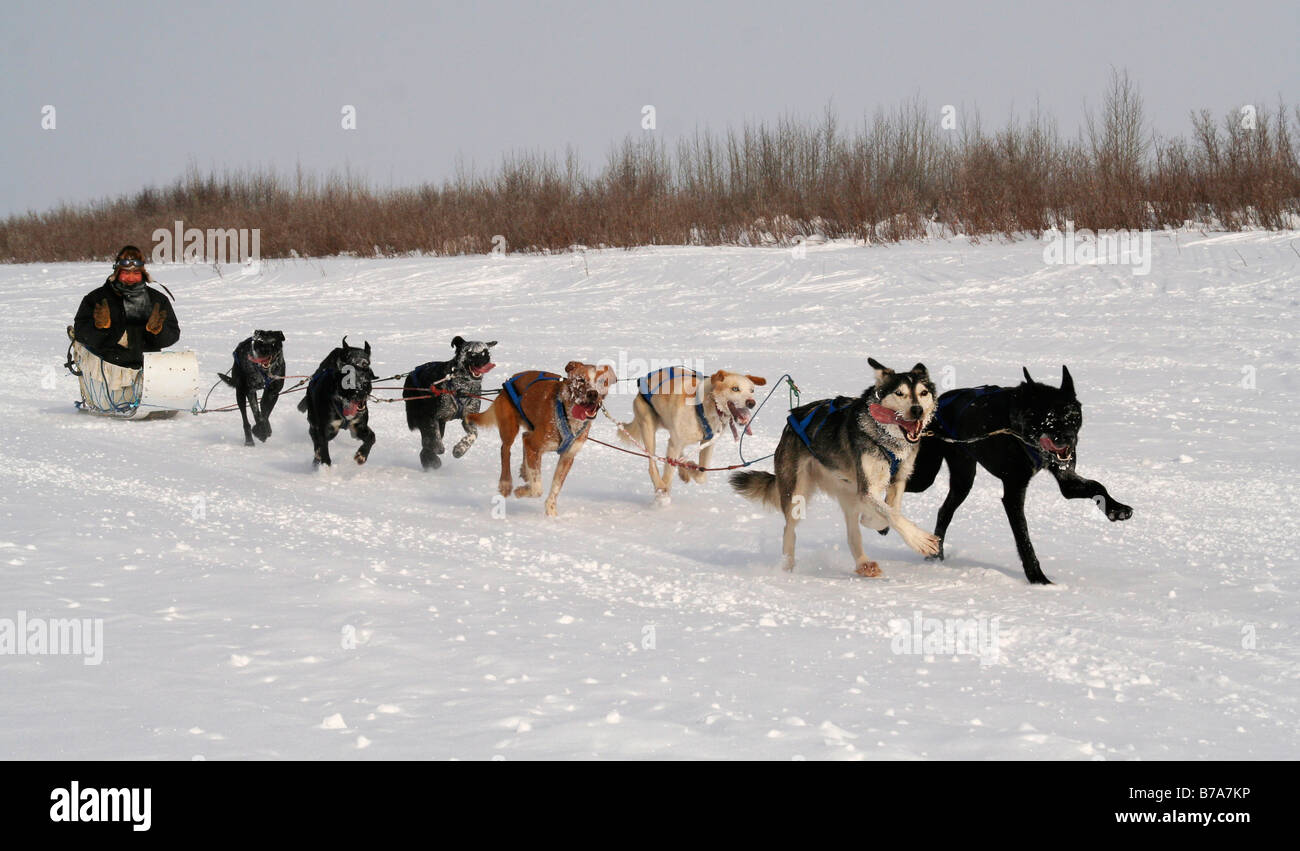
The vast, icy landscapes of the Arctic have long been synonymous with the image of a team of powerful dogs pulling a sled across the pristine snow. At the heart of this iconic scene lies a rich history and a vibrant tradition: Inuit sled dog racing. Far more than just a competitive sport, these events are a testament to human-animal partnership, a celebration of resilience, and a living link to the indigenous culture of the North.
For centuries, the Inuit people, renowned for their ingenuity and adaptability in extreme environments, relied heavily on their magnificent sled dogs, known as Qimmiq (also spelled Qimmit). These dogs were not merely pets; they were essential for survival, serving as reliable transportation for hunting, trapping, and navigating the vast, often unforgiving, Arctic territories. The bond forged between the Inuit and their Qimmiq was, and remains, profound and symbiotic.
The transition from necessity to sport was a natural evolution. As technology introduced new forms of transportation, the cultural significance and the thrill of the race kept the tradition alive. Today, Inuit sled dog racing events stand as powerful reminders of this heritage, drawing participants and spectators who wish to witness the raw power, incredible endurance, and deep connection inherent in dog mushing.
The Qimmiq, often referred to as the Canadian Inuit Dog, is a breed specifically adapted for the harsh Arctic climate. These dogs are characterized by their thick double coats, incredible strength, and unparalleled endurance. They are not merely fast; they are built to withstand extreme cold and traverse challenging terrain for extended periods, making them ideal for the demanding sport of sled dog racing.
Their physical attributes are matched by their mental fortitude. Qimmiq are intelligent, loyal, and possess a strong pack instinct, which is crucial for effective teamwork within a sled dog team. Understanding and respecting these unique traits is fundamental for any musher aiming to compete in Inuit sled dog events.
Training a Qimmiq team for racing is a year-round commitment. It involves not only physical conditioning but also developing a deep understanding between the musher and each dog. Trust, communication, and mutual respect are the cornerstones of a successful team, allowing them to work as a cohesive unit against the elements.
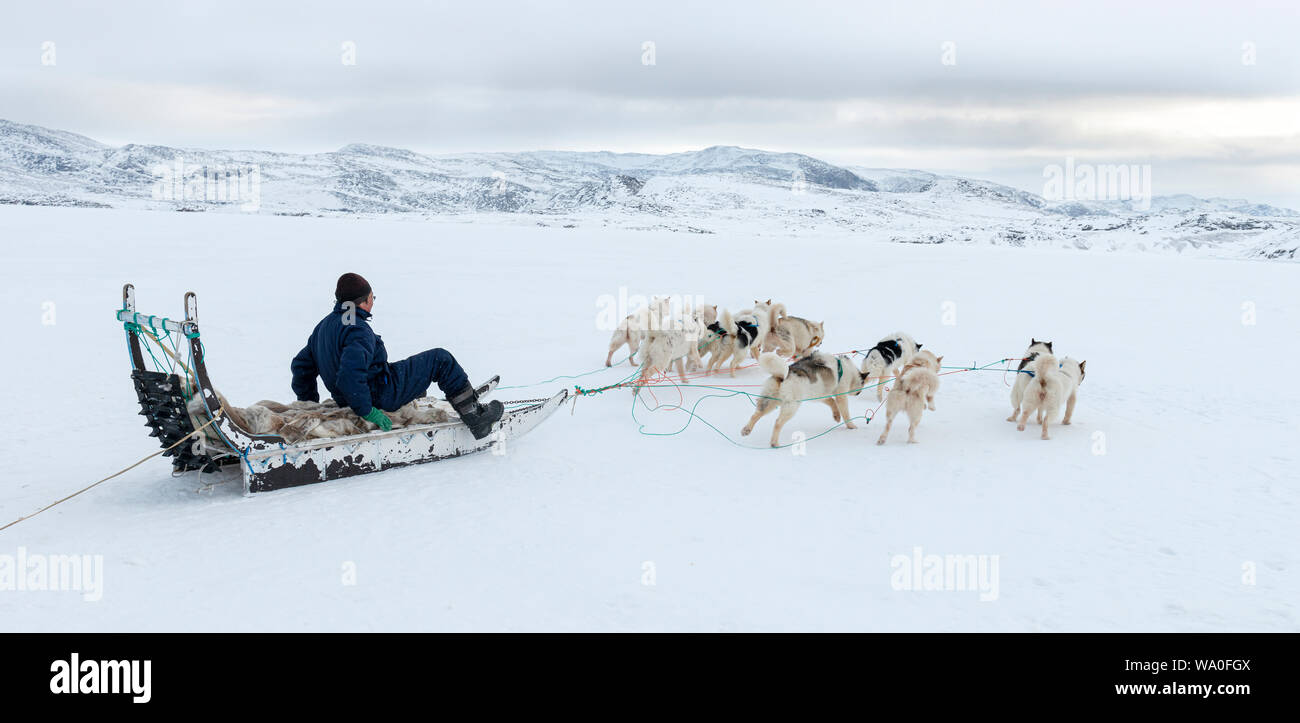
While modern sled dog racing often features various breeds like Alaskan Huskies or Siberian Huskies, traditional Inuit sled dog races often specifically emphasize the use of the Qimmiq, honoring the historical connection and promoting the preservation of this indigenous breed. This focus adds a layer of cultural authenticity to the competitions.
The Deep Roots of Inuit Sled Dog Racing: History and Culture
The history of sled dog use by the Inuit stretches back thousands of years. Archaeological evidence suggests that dogs were domesticated in the Arctic long before European contact, playing a pivotal role in the expansion and survival of Inuit communities across the circumpolar region. These dogs were the engines of Arctic exploration and daily life.
Before the advent of snowmobiles and other mechanized transport, a well-trained dog team was the primary means of travel, hunting, and transporting goods. A musher’s dog team was his lifeline, enabling him to provide for his family and navigate the vast, often featureless, tundra and sea ice. This practical reliance laid the groundwork for the competitive spirit that emerged later.
The early ‘races’ were often informal competitions among hunters or communities, showcasing the speed and strength of their teams. These informal contests helped refine breeding practices and mushing techniques, inadvertently setting the stage for organized events. The sheer joy of seeing dogs perform at their peak, coupled with community pride, fueled these early competitive endeavors.
Understanding the Canine Athletes: The Qimmiq and Their Care
The Qimmiq is more than just a dog; it’s a living piece of Inuit history. These dogs are incredibly hardy, capable of sleeping out in sub-zero temperatures and thriving on a diet that might be insufficient for other breeds. Their dense fur, muscular build, and strong paws are all adaptations honed over millennia in the Arctic.
Caring for these powerful animals requires specialized knowledge. Mushers must understand their nutritional needs, which are significantly higher than those of a typical pet dog, especially during training and racing seasons. A diet rich in protein and fat is essential to fuel their strenuous activities and maintain their body heat.
Beyond physical care, the mental well-being of Qimmiq is paramount. They thrive on routine, exercise, and a clear hierarchy within their pack and with their musher. Building a strong, trusting relationship with each dog is key, ensuring they are not only physically ready but also mentally eager to run and work as a team.
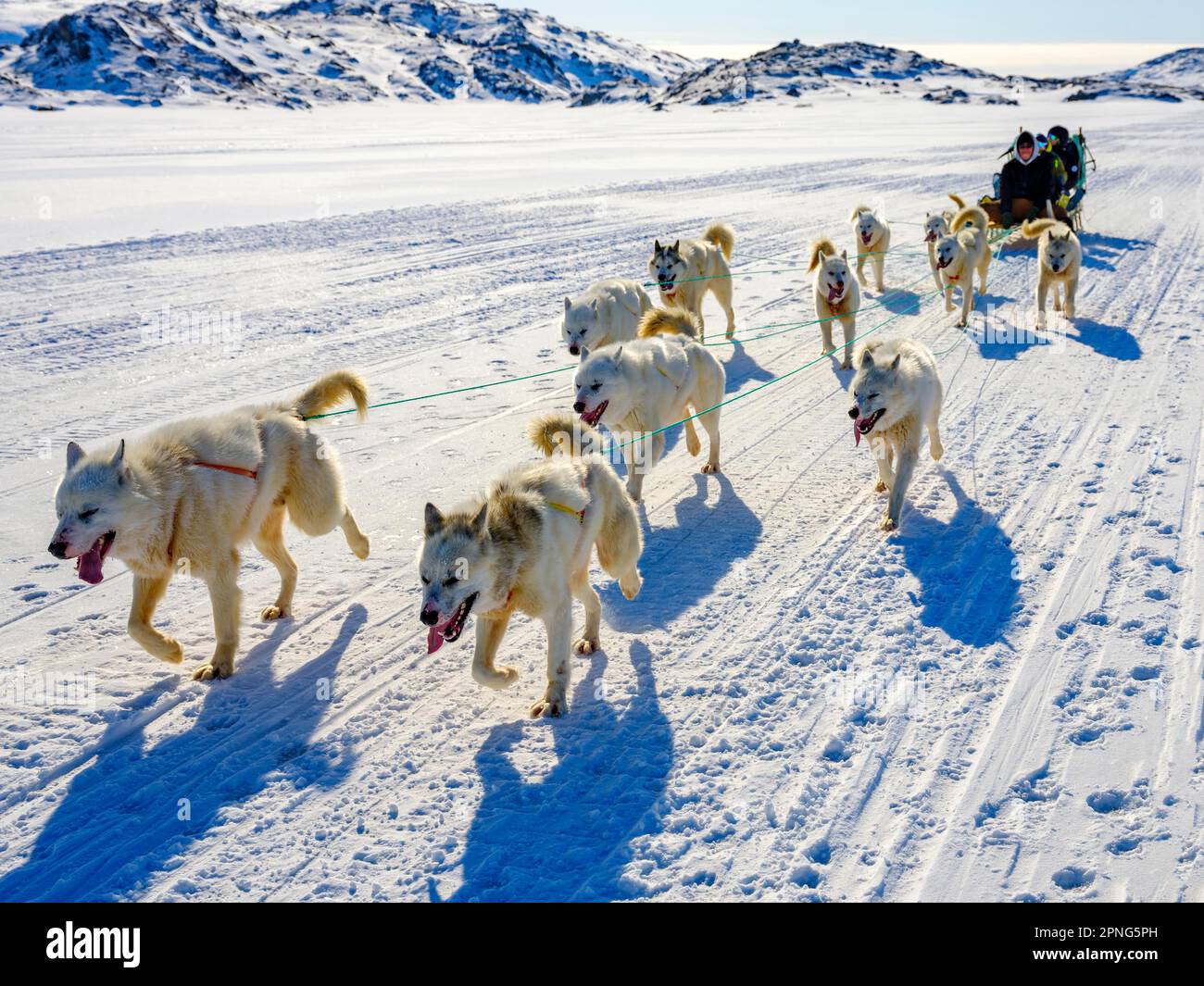
The Thrill of the Race: Types of Inuit Sled Dog Events
- Sprint Races: These are shorter, high-speed events, often covering distances from 5 to 25 miles. They demand explosive power and quick decision-making from both dogs and musher.
- Mid-Distance Races: Ranging from 50 to 200 miles, these races require a balance of speed and endurance. Teams must maintain a strong pace over several hours, often with short breaks.
- Long-Distance/Endurance Races: The ultimate test, these events can span hundreds of miles and last for days, even weeks. They push the limits of physical and mental endurance, demanding exceptional survival skills from the musher and unwavering stamina from the dogs. Examples include the Arctic Ultra or races modeled after traditional long-haul journeys.
- Traditional Races: These events often focus less on pure speed and more on cultural authenticity. They might feature traditional sled designs, specific Qimmiq teams, and routes that echo historical travel paths, emphasizing the preservation of Inuit heritage.
Training and Preparation: For Mushers and Dogs
The journey to the starting line is arduous for both musher and dog. Musher training involves developing expertise in navigation, Arctic survival skills, first aid for dogs, and an intimate understanding of snow and ice conditions. They must be able to read their dogs, anticipate their needs, and make split-second decisions in challenging environments.
Dog training begins early, often with puppies learning basic commands and socialization. As they mature, they are introduced to harnesses, short runs, and gradually integrated into a team. Conditioning involves building muscle, cardiovascular endurance, and teaching them to respond to commands like ‘Gee’ (right), ‘Haw’ (left), ‘Whoa’ (stop), and ‘Hike’ (go).
The equipment used is also critical. While modern races might use lightweight carbon fiber sleds, many Inuit events feature traditional wooden sleds, sometimes crafted by hand. Harnesses must fit perfectly to prevent injury, and lines must be strong and secure. Protective gear for both musher and dogs, including specialized booties for dogs’ paws, is essential for safety in extreme cold.
Iconic Inuit Sled Dog Racing Events and Their Significance
While not as globally recognized as the Iditarod or Yukon Quest, several Inuit communities host significant sled dog racing events that are deeply embedded in their cultural fabric. For instance, communities across Nunavut and Greenland hold annual races that draw participants from across the region.
These events often serve as vibrant community gatherings, bringing together families and friends to celebrate their shared heritage. They are platforms for passing down traditional knowledge, fostering community pride, and showcasing the incredible bond between the Inuit people and their Qimmiq. They also provide an opportunity for younger generations to connect with their ancestral practices.
The Arctic Winter Games, a multi-sport event for northern circumpolar regions, often includes dog mushing as a featured sport, further elevating its profile and encouraging participation among youth. These games highlight the athletic prowess required and the unique cultural identity associated with sled dog racing.
Cultural Significance and Preservation in a Changing World
In an era of rapid change, preserving Inuit sled dog traditions faces various challenges. Climate change impacts ice conditions, making traditional travel and training more unpredictable. Modernization also means fewer families rely on dog teams for daily life, potentially leading to a decline in knowledge transfer.
However, there are strong efforts to safeguard this vital cultural practice. Organizations and community leaders are actively working to preserve the Qimmiq breed, educate younger generations about mushing, and host events that keep the spirit of the sled dog alive. These endeavors ensure that the unique heritage of Inuit dog mushing continues to thrive.
The cultural significance extends beyond the race itself; it’s about maintaining a connection to the land, to history, and to a way of life that shaped the Inuit identity. The sled dog represents resilience, partnership, and adaptability – qualities deeply ingrained in Inuit culture.
Life on the Trail: Challenges and Rewards
Competing in an Inuit sled dog race is an immense challenge. Mushers and dogs must contend with extreme temperatures, blizzards, whiteouts, and potentially dangerous terrain. Survival skills are paramount, as is the ability to maintain composure and make sound decisions under pressure.
Despite the hardships, the rewards are immeasurable. The profound bond that develops between a musher and their dogs, the sense of accomplishment from overcoming formidable obstacles, and the deep connection to nature are experiences few other sports can offer. It’s a journey of self-discovery and a testament to the strength of the human-animal partnership.
The camaraderie among mushers, the cheers from spectators, and the feeling of the team working in perfect harmony create an unforgettable experience. It’s not just about winning; it’s about completing the journey, honoring the dogs, and celebrating a shared cultural heritage.
The Future of Inuit Sled Dog Racing
The future of Inuit sled dog racing looks promising, driven by a renewed interest in indigenous traditions and sustainable tourism. Efforts to promote and preserve the Qimmiq breed are gaining momentum, ensuring the genetic integrity of these incredible animals for generations to come.
As awareness grows, these unique events are attracting more attention, potentially bringing in resources for training programs and infrastructure. This can help ensure that the skills, knowledge, and passion for dog mushing continue to be passed down, strengthening northern communities and celebrating their distinct identity.
Inuit sled dog racing is more than a sport; it is a profound cultural expression, a challenging athletic endeavor, and a living link to the history of the Arctic. It embodies the enduring spirit of the Inuit people and their magnificent canine partners, forever etched into the icy landscape of the North.
From the ancient routes traversed by hunters to the adrenaline-fueled races of today, the story of Inuit sled dog racing is one of survival, partnership, and unwavering spirit. It’s a tradition that continues to inspire and captivate, reminding us of the incredible capabilities of both humans and animals when working together in harmony with nature.


