

The Arctic, a land of breathtaking beauty and formidable challenges, has been home to the Inuit people for millennia. Far from merely surviving, the Inuit have consistently demonstrated an unparalleled capacity for resilience and adaptation, shaping their lives and culture to thrive in one of Earth’s most extreme environments. This deep-rooted strength is not just a historical footnote; it is a living legacy that continues to define their communities today.
For thousands of years, the Inuit have navigated the vast expanses of the Arctic, from the frozen seas to the barren tundra. This environment, characterized by long, dark winters, short, intense summers, and extreme cold, demanded an intimate understanding of nature and an unwavering commitment to collective survival. Every aspect of their traditional life was a direct response to these conditions.
At the heart of their success lies Inuit Qaujimajatuqangit (IQ), a holistic term encompassing traditional knowledge, wisdom, and practices. IQ is not static; it is a dynamic body of knowledge passed down through generations, constantly refined through observation, experience, and an deep respect for the natural world. It forms the foundation of their ability to adapt.
One of the most critical areas of adaptation was mastery of the hunt. The Arctic provides limited resources, making effective hunting techniques essential for sustenance. Inuit hunters developed sophisticated methods for tracking and harvesting animals like seals, caribou, whales, and fish, which provided not only food but also materials for clothing, shelter, and tools.
Their ingenuity is evident in the tools they developed. The kayak, a marvel of engineering, allowed for silent hunting on open water. Specialized harpoons, sleds (qamutiik), and snow knives were perfectly designed for their specific purposes, demonstrating a deep understanding of physics and material science long before these terms existed.
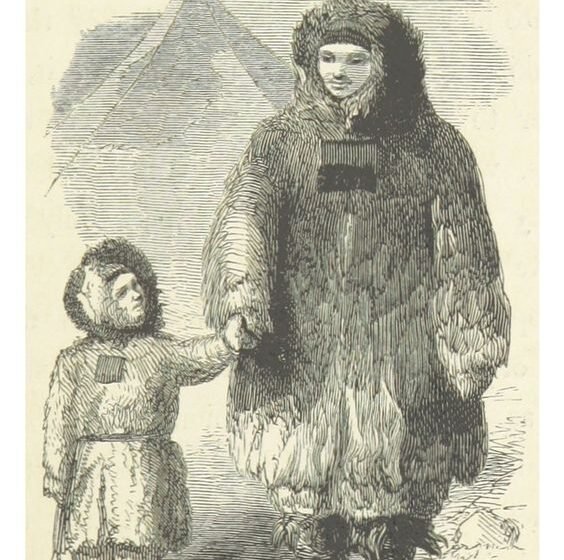
Clothing was another testament to their adaptive genius. Layers of animal hides, particularly caribou and seal, were meticulously sewn to create garments that were incredibly warm, lightweight, and often waterproof. The design allowed for ventilation during strenuous activity and maximum insulation during periods of rest, showcasing an advanced understanding of thermal regulation.

Shelter solutions were equally brilliant. While the iconic igloo (snow house) is well-known, Inuit also constructed sod houses, tents made of animal skins, and rock shelters. Each type of dwelling was optimally suited for specific seasons and travel needs, offering protection from the elements and a place for community.
Social structures were intrinsically linked to survival. Kinship ties were paramount, fostering a strong sense of community and mutual support. A sharing economy ensured that resources were distributed equitably, reinforcing interdependence and collective well-being. No individual could thrive without the strength of the group.
Oral traditions and storytelling played a vital role in transmitting knowledge, history, and cultural values across generations. Elders were, and continue to be, revered as knowledge keepers, their stories serving as living textbooks on everything from navigation and hunting techniques to ethics and spiritual beliefs.
The Inuktitut language itself is a cornerstone of Inuit identity and adaptation. Rich in vocabulary for describing the Arctic environment, snow, ice, and hunting, it reflects a unique worldview. Efforts to revitalize and preserve Inuktitut are crucial for maintaining cultural continuity in the modern era.
Artistic expression, in the form of carvings, prints, and throat singing, is another powerful manifestation of Inuit culture. These art forms often depict daily life, animals, and spiritual beliefs, serving as both a creative outlet and a means of cultural preservation and storytelling.
However, Inuit resilience has been tested not only by the harsh environment but also by external forces. The arrival of European explorers, traders, and missionaries, followed by colonial policies, brought profound and often devastating changes. Forced relocation, residential schools, and the imposition of foreign governance systems severely disrupted traditional ways of life.
These historical traumas have left enduring legacies, contributing to various social challenges within Inuit communities, including impacts on health, housing, and food security. Yet, even in the face of these adversities, the spirit of resilience has persisted, fueling movements for self-determination and cultural reclamation.
Today, the Inuit face a new, urgent threat: climate change. The Arctic is warming at an alarming rate, twice as fast as the global average. Melting sea ice, thawing permafrost, and changing weather patterns directly impact traditional hunting routes, food sources, and the safety of travel.
Inuit communities are on the front lines of climate change, serving as climate change sentinels. Their firsthand observations and traditional knowledge are invaluable in understanding the impacts and advocating for global action. They are not merely victims; they are active participants in finding solutions and raising awareness.


Modern adaptation for the Inuit involves a dynamic blend of traditional knowledge and contemporary tools. While snowmobiles have largely replaced dog teams for travel, and GPS devices aid navigation, the underlying knowledge of the land, weather, and animal behavior remains rooted in IQ.
Education and self-governance have become critical pathways to modern resilience. The establishment of Nunavut in 1999, the largest Indigenous land claim settlement in Canadian history, marked a monumental step towards Inuit self-determination, giving them greater control over their lands, resources, and future.
This shift towards self-governance has empowered Inuit to develop their own educational systems, healthcare initiatives, and economic development strategies. These efforts aim to bridge the gap between traditional wisdom and modern opportunities, ensuring that future generations are equipped to thrive in both worlds.
Economic development in the Arctic is increasingly focused on sustainable practices that respect the environment and traditional livelihoods. This includes responsible resource management, the growth of local businesses, and cultural tourism that shares Inuit heritage with the world.
Food security remains a significant concern, with high costs for imported foods. Inuit communities are actively working to strengthen access to ‘country food’ (traditionally hunted and gathered foods), recognizing its nutritional, cultural, and economic importance. Community freezers and hunting support programs are vital initiatives.
Addressing mental health and wellness is also a priority, with culturally relevant programs being developed to heal historical trauma and support community well-being. The strength of family and community networks is a powerful protective factor in these efforts.
The role of elders continues to be central. They are the living libraries of Inuit Qaujimajatuqangit, guiding youth and ensuring the intergenerational transfer of knowledge and values. Their wisdom is invaluable in navigating the complexities of modern life while staying connected to cultural roots.
Youth engagement is equally vital. Programs that connect young people with elders, teach traditional skills, and foster leadership are essential for building a strong future. These initiatives empower the next generation to be proud of their heritage and confident in their ability to shape their own destiny.
Cultural revitalization programs, such as language nests for children, traditional skills workshops (like sewing parkas or building igloos), and artistic mentorships, are flourishing across the Arctic. These efforts ensure that the vibrant Inuit culture continues to thrive and evolve.
On the global stage, Inuit leaders are powerful advocates for Indigenous rights and environmental protection. Through organizations like the Inuit Circumpolar Council, they voice their concerns and share their unique perspectives with international bodies, emphasizing the interconnectedness of Arctic well-being and global health.
The ongoing fight for Indigenous rights, including land claims and self-determination, underscores the persistent strength and advocacy of the Inuit people. They are not simply adapting to changes; they are actively shaping their future and asserting their inherent rights.
Ultimately, Inuit resilience is a dynamic process, a continuous journey of adapting, innovating, and preserving. It is a testament to the profound connection between people and place, the enduring power of community, and the unwavering strength of cultural identity.
The story of Inuit resilience and adaptation offers invaluable lessons for all humanity: the importance of deep ecological knowledge, the strength found in community, the power of innovation born from necessity, and the unwavering spirit to preserve culture and identity in a rapidly changing world. Their ability to thrive against all odds is not just survival; it is a profound and ongoing triumph.
In summary, the Inuit exemplify extraordinary resilience and adaptation. Their traditional knowledge (Inuit Qaujimajatuqangit), ingenious survival strategies in the extreme Arctic, and profound cultural strength have allowed them to thrive for millennia. Today, they continue to adapt to challenges like climate change and the legacies of colonization, using a blend of ancient wisdom and modern innovation, while fiercely advocating for their rights and cultural preservation. Their journey is a powerful narrative of human endurance and the enduring spirit of self-determination.


